Call Now
Business Marketing Coronavirus

What to ask the customer when booking a service job

Many local governments and states include “home repair” as an essential service during lockdowns due to the coronavirus pandemic. And it makes sense pros are at the front lines during this time – blue-collar workers are the backbone of America. 

Check with your local government or state to determine if your industry is deemed an essential service provider in your community. 

During this time, it is important to make sure your service technicians are in safety when performing job duties around customers. 

Download the Don-Jon and Housecall Pro Pre-Visit Guidelines + Phone Screening Script and hang it on the walls in the office to help your admins prep your customers for what to expect when the team comes out to do the job.

What to ask customer when booking a service call

Here’s what to ask before sending a technician to a customer’s home

  1. Confirm that no one in the household has been exposed to COVID-19.
  2. Ask if anyone in the household has traveled recently to one of the Centers for Disease Control’s high risk areas.
    1. (Here is the CDC’s list of high risk countries)
  3. Has anyone in the household had a fever, sore throat, cough, new shortness of breath or experienced any flu-like symptoms in the past 14 days.
  4. Will anyone be home with the technicians when the service work is being performed, and if so, will they be willing to follow social distancing. 
  5. Ask if the customer has any special requests for when the technician arrives. For example, the customer might your service technician to call when they arrive so they may and stay in another room/space while the technician is doing work. 

Customer communication is more important than ever during this time. Learn COVID-19 home service business tips and examples of what you should be sending to customers that clarifies the safety measures your business is currently taking.

What NOT to ask customers when booking a service call

It’s also important to know what you should be avoiding to ask: 

  1. You do not need to ask your customer’s age or risk factors. Non high-risk groups contract and spread the virus as well.
  2. Avoid potentially discriminating against customers based on non-coronavirus related health conditions or age. Your decisions to reject service should be based on relevant facts. This not only protects your employees against the risk of contracting the virus but also puts your customers in a safer place of not being infected. 

When customers may have been exposed or are showing symptoms

When a customer has traveled to a high-risk area or is experiencing flu-like symptoms or has been exposed, consider whether their service is necessary. If it’s possible to postpone their service until the future, this will decrease your team’s risk of exposure.

However, when the customer is experiencing a home emergency, it is up to you and your team whether to take the job. Consider an opt-in policy for employees willing to perform these emergency services. In addition, the job would be considered a high exposure risk which requires additional safety procedures.

Other safety tips for your tech during the job

We’ve shared tips on how to safely and responsibly perform an essential service during the outbreak, including sanitization practices and social distancing measures you can take based on guidelines by the CDC and OSHA. Learn more here.

Give your technicians the physical protection necessary when they are our performing jobs in customer homes. These are some common safety equipment you should be providing your technicians during this time:

  • Gloves
  • Masks 
  • Boots 
  • Sanitizing products 

It would also be beneficial to give your technicians a sanitizing protocol to follow for before and after jobs that directly states how they should be sanitizing equipment and tools between jobs during this special time.


Housecall Pro Author

Housecall Pro

Official Corporate Communications
Contact | 
Last Posted July, 2026
About the Author Solutions for your business Whether you need to improve dispatching, reduce paperwork, increase workforce or grow revenue, we have a solution.
Coronavirus Working in the Trades

Tips for Home Service Companies in the Time of the Coronavirus [COVID-19]

LAST UPDATED: 11:56 am, April 6th, 2020 

The COVID-19 outbreak continues to have an unprecedented impact on the world and the home service industry. We at Housecall Pro are committed to helping all home service professionals stay informed and help their communities, employees, and customers. 

Resources for performing touchless and cashless jobs

Examples of how to adopt touchless payments

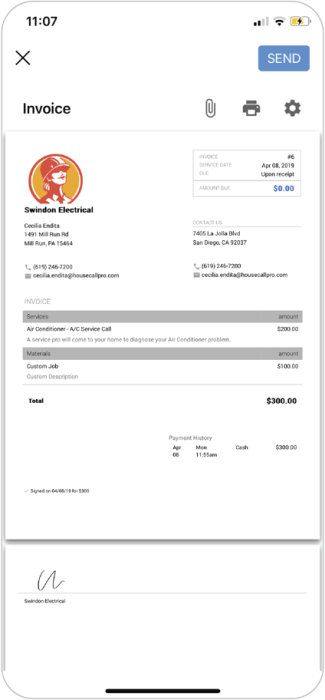
Many home service pros already adopted to using touchless and cashless invoices and payments to ensure the safety of technicians and customers.

In an email sent to employees, Alan Jones from Cowboy Johns Carpet Cleaning LLC writes:

“We are still accepting cash, check or credit cards as forms of payments. However we ask that in order to transfer these items to you, that the customer sets it on a table or ledge. At this time we are not asking for invoice signatures from the customer, you will be signing for them . To collect a Credit Card you will just send the invoice the customer either via e-mail or text, and have them pay on their own phone or computer. Under NO circumstances are you to give a customer your personal phone or business property to sign or to review. If a customer has a question or would like to see an invoice we can email it through the HCP portal while we are standing in front of them.”

To make customers feel safe and avoid appointment cancellations, Ben Perez from Authement Iron Works sends out emails to current appointment to let customers know that they are offering touchless payments:

“We are going to process all payments by emailed or texted invoices with online credit card payment or mailed checks so that we don’t have hand-to-hand transfers.”

Knowing that many home service pros and customers are in fear of contracting the virus during service jobs, Nevin Guiser from Red Hot Carpet Cleaning advices:

“Stay calm. Don’t let fear ruin your life. Develop a protocol when you visit homes on how to protect your most essential employee (you). Make the customer stay in another room from the house… make them wait in the car or go in another floor of the house. Maintain at least 6 feet away, 10 would be better. Glove up and make sure you know how to remove and dispose of them. Use touchless payment and no paper invoices. Assume people may have had contact with someone that has it”.

We’ve also put together a list of measures home service companies can take when sending a tech into someone’s home to communicate your commitment to safety, put homeowners at ease and establish the ground rules for conducting your work. We’ve provided this list in a template form below you can use to communicate them with your customers.

Feel free to use these templates and edit them in a way that makes the most sense for your business.

Resources for communicating your COVID safety practices to customers

Let your customers know what safety practices you are taking in response to the situation to prevent canceled appointments. And consider adding virtual estimates if your industry and the job type makes it possible.

Templates and Examples

  1. Safety procedure announcement to customers: 

At [BUSINESS NAME], we are taking the coronavirus outbreak very seriously. Here are the following procedures we have set in place to ensure the safety of our customers:

  • We are keeping our vans stocked with alcohol-based hand sanitizer and disposable wipes. Our techs have been instructed to clean their hands frequently and to clean equipment that customers may also come into contact with.
  • Our techs have also been instructed to not initiate a handshake when greeting customers and to wash their hands upon entering a residence.
  • Our employees have been educated about the symptoms of coronavirus, and we are providing flexible time off for anyone who believes they may be infected to encourage them to stay home.
  • We are encouraging our customers to pay online instead of with cash or credit card. According to recent studies, germs live on the surface of cash and credit cards that can be spread from person to person. We will be happy to send you an invoice and collect payments via email, at no extra charge.

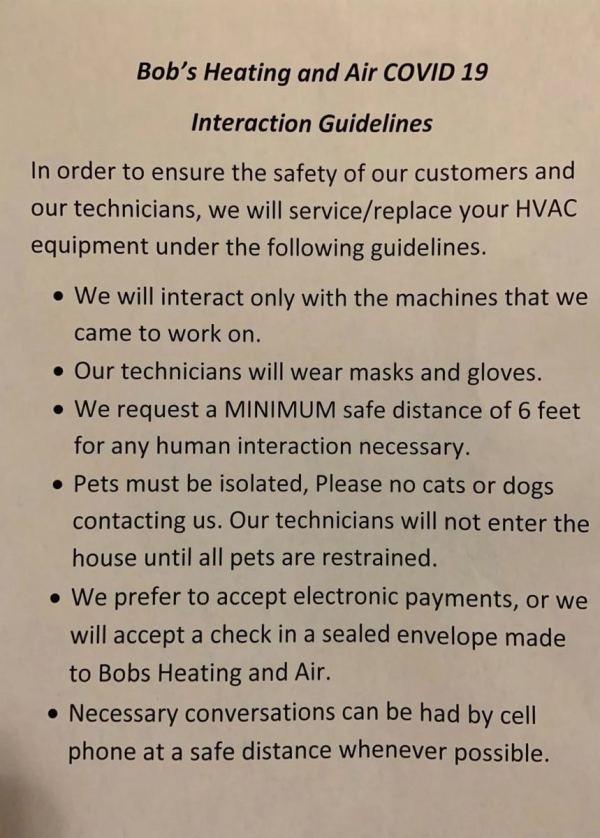
2. Interaction guidelines for customers and technicians: 

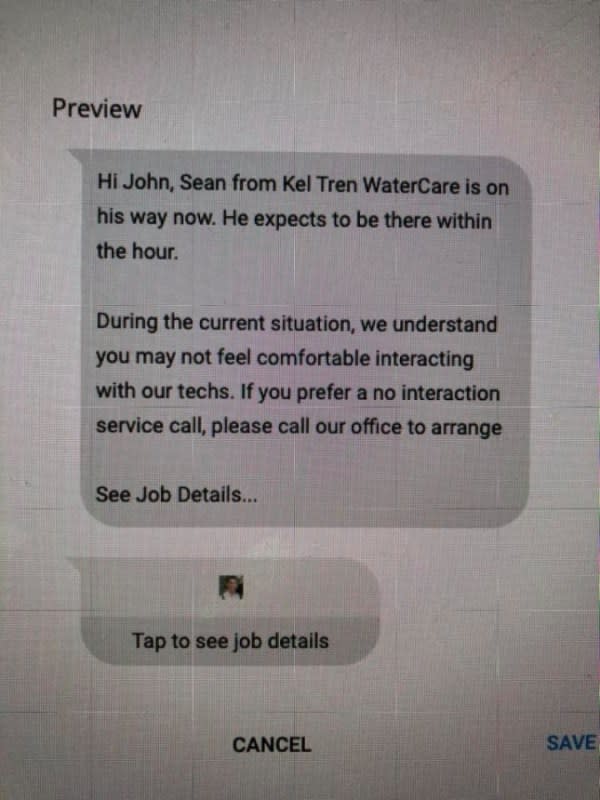
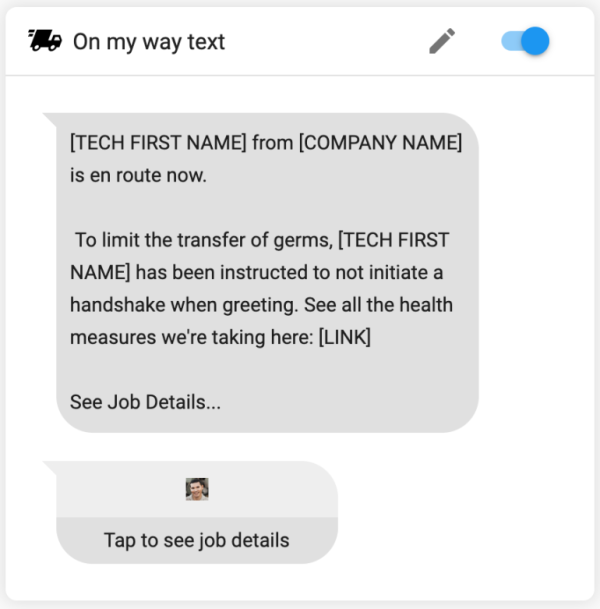
3. Non-contact service on-my-way text with Housecall Pro’s automated customer text feature:

Where to share your safety practices

On Your Website

First and foremost, we suggest posting these safety practices on your website where anyone can find them. But there are other means of spreading the word. 

On Social Media and Email

Use our free, editable social media templates and customize for your company

Link to your web page with the safety practices in a post across your social media accounts and in a newsletter. If customers have been avoiding scheduling a job out of fear of contagion, this may help reassure them. 

Communicate before a scheduled job

Sending out an email or a text before a scheduled job will prepare customers for what to expect that might be out of the norm, such as not shaking hands. This communication also gives customers a chance to share any information that you may need. If they are at higher risk for an infection or if they’ve not been feeling well.

How Housecall Pro can help manage customer communications

Customizable “On My Way” texts

Housecall Pro customers can utilize the platform’s “on my way texts” to share this information.

Automated invoices and payments

Handling cash at this time can increase your employees risk of exposure to the virus. The safest and most reliable way to get paid is through credit cards and ACH.  Rather than swiping or keying in the card, you can offer payment by digital invoice. Housecall Pro can automatically send an invoice when a tech finishes a job.  

Pro tip: If the customer takes you up on the offer to not exchange cash, check or credit cards, make sure your techs and office staff encourage the customer to pay by email, which has a better processing rate for you than entering the card numbers manually.

If you’d like the ability to send texts and email invoices automatically, try out Housecall Pro for free.

We’ll continue to update this post as we find additional useful ways home service companies are easing homeowners’ tensions.   

This article is for informational purposes only and to foster thoughtful communication and discussion regarding the COVID-19 pandemic. Readers should obtain independent advice relating to their businesses and their particular circumstances.


Housecall Pro Author

Housecall Pro

Official Corporate Communications
Contact | 
Last Posted July, 2026
About the Author Solutions for your business Whether you need to improve dispatching, reduce paperwork, increase workforce or grow revenue, we have a solution.
Resources

How to franchise your field service business

So your business is profitable, your team is growing, and you are ready to offer your services in a new market? That’s great, but now you have to make a crucial decision about which growth strategy is right for your business. 

You could seek funding from investors who will share in the risk, but also share a significant amount of the total reward for the entire life of your business. Or you could take the risk to self-finance, going into significant debt, but reaping all the rewards—mindful that the risk of default could be catastrophic to your business.

But there is another expansion option available to you: franchising. 

In this article, we introduce how to franchise your field service business, including some of the pros and cons, regulatory and legal requirements, and more.

What is a franchise?

A franchise is a model to grow a business through licensing a reproducible business concept including all trademarks, operational processes, product sourcing, and more. The franchisee (new partner) purchases the rights to open and operate in a new territory or market approved and directed by the franchisor (owner).  

The franchisee agrees to follow any and all restrictions imposed by the franchisor including the products to sell, services to render, and more. In exchange, the franchisor is able to collect an initial franchise fee to cover regulatory and training costs, as well as ongoing revenue sharing.

If you have a profitable plumbing business, for example, and you wanted to serve a neighboring city but are already constrained by your teams’ bandwidth to take on jobs outside of your service area, franchising could be your ticket to expand into that market. 

You license the rights by selling a franchise to an ambitious plumber in that neighboring city, allowing them to operate under your business name and operating guidelines. They pay you an initial franchise fee and as they hire a team, build their clientele, and advertise in their market. You receive a percentage of the total revenue they accrue. 

What is a Franchise Disclosure Document (FDD)? 

One of the most important documents when forming a franchise is the Franchise Disclosure Document or FDD. 

This is the document that details everything the franchisee should consider before making the final decision to invest in the franchise. The importance of this decision and the level of financial investment is why it is legally required to give the potential franchisee no less than 14 business days to review the FDD before the contract can be signed. 

The FDD must fulfill 23 required items including the expected initial investment, ongoing fee structure, restrictions, dispute process, and more. Here are all 23 items that must be included in your FDD:

The FDD typically allows you to sell single-unit franchises, but if a franchisee wants to open multiple units, this comes in the form of a development agreement. 

Once the FDD has been reviewed and understood by the franchisee, the franchise agreement is signed to contractually bind the partnership. We recommend the franchisor hire a franchise lawyer to draft the FDD and any franchisee should consult their legal counsel to make sure every item and clause is well understood. 

As a franchisor, the FDD is not a one-and-done document and must be updated annually to account for the dynamic environment and as information pertaining to prospective franchisees changes.  

Components of a franchise

If you want to franchise your business, it should be well organized, process-driven, and replicable. If you are considering franchising your business, here are the other components you will need to fulfill:

Operations manual

What standards and operating procedures do you want to be upheld by all employees and locations under your franchise? Your processes and approach must be well documented in an operations manual. 

This manual is what new franchisees will use to get acquainted with your business and learn how to operate. New employees will be trained on the details of this manual. This is why your operations manual should be easy to understand and also easy to reference when one-off questions arise. 

For example, if you franchise your home cleaning service business, you will want to have procedures for how to clean the standard home, and how to handle common situations such as cleaning etiquette when the customer is home. 

Intellectual property

Your trademarks and intellectual property should be registered with the United States Patent and Trademark Office. 

Trademarks are legally protectable words, slogans, logos, and other visual designs that represent a product from a distinguished source. 

Service marks are words, slogans, logos, and other visual designs that represent a service from a distinguished source. 

If you have a patented product or process, and you want to protect it from competitors infringing on your design, a patent offers protection for a limited time. Unfortunately, patents are self-regulated, which means that simply having a patent won’t protect you from competitors infringing. 

New business formation

When franchising your business, you’ll have to establish a separate entity, including articles of incorporation and separate business bank accounts. This is important because franchise sales will be treated differently than regular operational revenue according to generally accepted account principles. 

When you draft your FDD, audited financial statements prepared for potential franchisees to review cash flow and return on investment must not include figures from franchise sales that would skew that data. This and many other reasons is why you should view your franchising efforts as a standalone business. 

Franchise sales and marketing plan

You’ve built up a sales and marketing process for your core business, but now you must shift focus to market and sell your business as a product itself. This can be especially difficult if your business is in the service industry since you likely have little experience selling products. 

There are franchise brokers that can help facilitate the sales and marketing process for your franchise business. But whether or not you use a third party, having a sales and marketing plan is essential. 

From your value proposition, target audience, and brand positioning, your plan should be as granular and detailed as possible. You’ll also want to consider how your existing locations and operations can act as a sales vehicle, through consistency and outstanding customer service, positive word of mouth will help your franchise grow.

Franchising by state

As with nearly all interstate commerce, there are different requirements depending on the states you plan to sell and open franchise locations in. 

In franchising, there are three different types of regulation, depending on the state. These are known as registration states, filing states, and non-registration states. 

In registration states, an FDD must be registered and approved by state regulatory agencies. In filing states, the FDD must simply be on file. Non-registration states are the easiest because if your franchise is compliant with federal franchising laws, you are eligible to sell and open franchises without any other filings. In every state, the FDD is federally required to be disclosed to franchisees but federal oversight is minimal and compliance is self-regulated.

Examples of successful field services franchises

When you think of a franchise you may think about the big fast-food franchising empires like McDonald’s, 7-Eleven, and Subway. Given their combined more than 130,000 locations worldwide, these are great examples of how impactful franchising can be.

Thankfully, franchising is not exclusive to businesses that sell a product. Service-based businesses can also franchise successfully. Here are a few examples of field service companies that successfully grew into franchising empires: 

Servpro

Servpro specializes in home restoration and cleanup, including storm damage, water damage, fire damage, mold remediation, and more. The company was founded in Sacramento, California in 1967 but relocated to Gallatin, Tennessee to be closer to a larger percentage of the U.S. population. The company has expanded to more than 1,700 franchise locations in the U.S. and Canada. 

Merry Maids

Merry Maids started as a home cleaning services business in Omaha, Nebraska in 1979. The franchise has grown to over 525 independently owned and operated franchises in North America. The Merry Maid franchisees clean more than 120,000 homes in North America each year.

Rooter-Man 

Rooter-Man was established in 1970 as a plumbing business and started franchising in 1981. Since then, the franchise has grown its network to more than 580 locations in the U.S. and Canada. 

Franchising your field services business

Although there are many considerations to be made before you decide to move forward with franchising, it is a model for growth that has been proven successful time and again. It’s important to continue learning and iterating your business along the way and maintain your high standards for quality and service. 

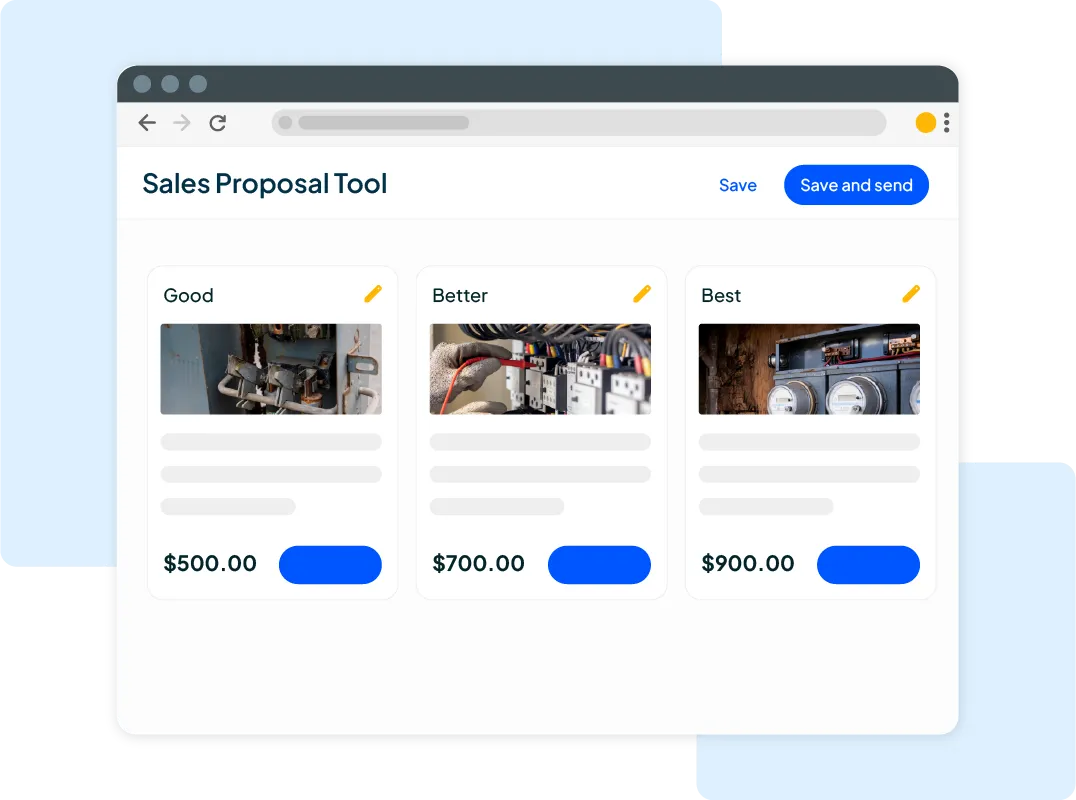
As your business scales, Housecall Pro scales with you. Our suite of software tools can help you manage your field service business at any size. Sign up for a free trial and see firsthand how features like our simple sales proposal tool, dispatching, consumer financing options, payment services, and much more can make your business more efficient. 


Housecall Pro Author

Housecall Pro

Official Corporate Communications
Contact | 
Last Posted July, 2026
About the Author Solutions for your business Whether you need to improve dispatching, reduce paperwork, increase workforce or grow revenue, we have a solution.
Trending Topics

Unemployment Options for Home Service Business Owners

The pandemic hit the US hard in 2020, with 30 million Americans filing for unemployment benefits by March and April reports, which will be published this Friday, will likely show the highest unemployment rate since the report began in the 1940s.

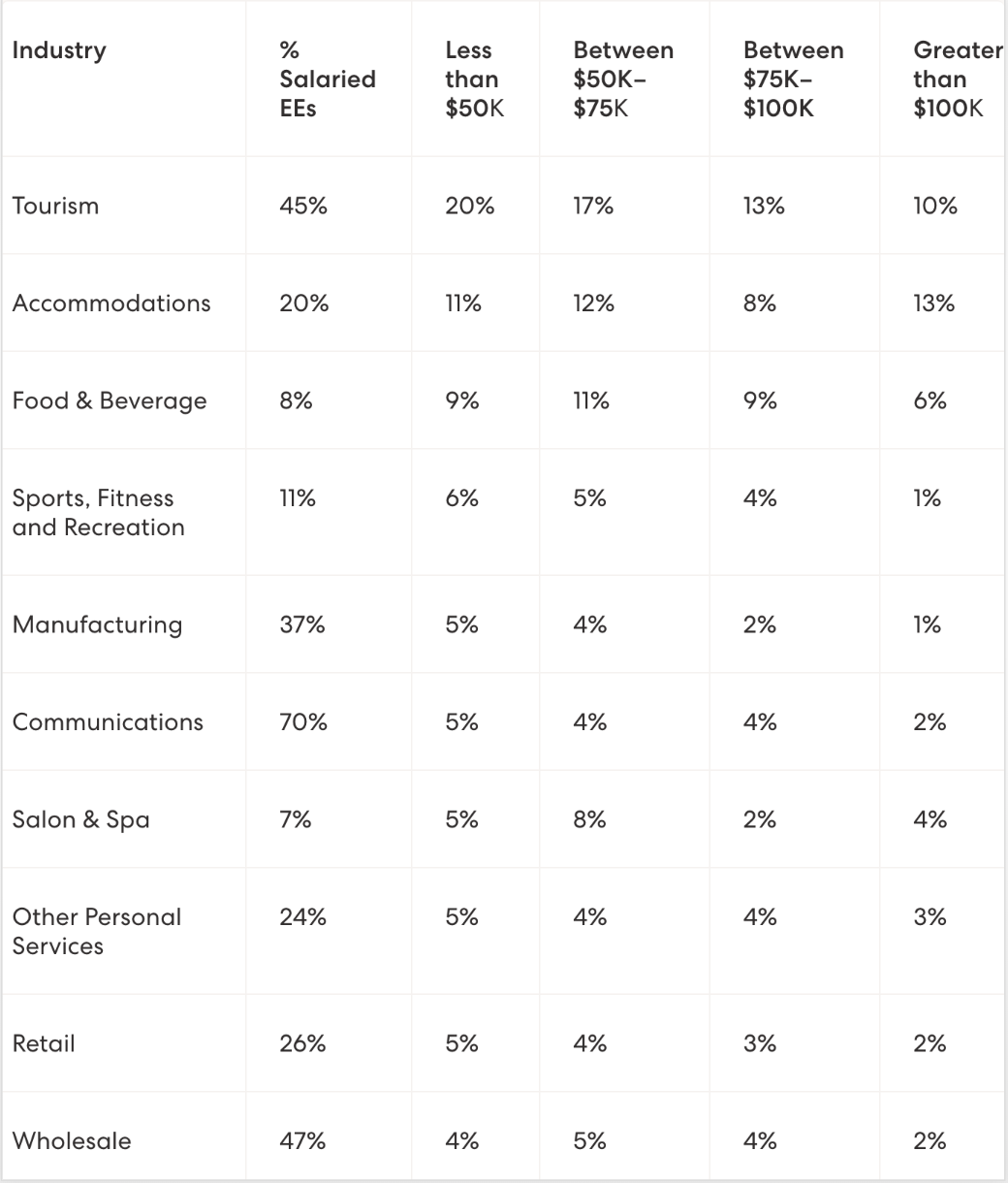
According to internal reports published by Gusto, a payroll and HR management platform, home service trades did not appear in the list of top ten industries laying off either salaried or hourly employees. This is likely thanks to many trades being considered “essential services” across the country.

Top 10 highest industries in terms of layoffs of salaried positions, % of workers laid off by income group (data from Gusto):

The U.S. Department of Labor has given states the opportunity to extend unemployment insurance benefits for individuals impacted by the epidemic while the Coronavirus Aid, Relief, and Economic Security (CARES) Act adds an additional $600 per week to state unemployment benefits, among other provisions.

Changes to unemployment impact your employees, friends and family affected by layoffs or reduction in hours due to the COVID-19 pandemic.

We’ll go through the changes to unemployment encouraged by the Department of Labor and the CARES Act, and address home service companies’ frequently asked questions.

Qualifying for Unemployment Benefits

Part of the rise in unemployment claims is that the rules to get unemployment benefits have changed. Per this new mandate, an employee can receive benefits if:

  • An employer temporarily ceases operations during the outbreak
  • If an individual is quarantined through illness or risk of exposure
  • If an individual is taking care of a sick family member

It is up to the state on how they are responding to these new guidelines. However, we’re finding that most states are providing partial benefits to individuals whose work hours have been reduced due to COVID-19. The employee does not need to quit their job to receive benefits. 

In addition, many states are also covering employees that have lost their full-time job and are replacing it with one or more part-time jobs, as well as individuals who were not full-time to begin with.

The CARES Act

The CARES Act adds a weekly benefit of $600 to unemployment benefits otherwise paid by the state (and requires states not to reduce their benefits as a condition of the extra $600). This extra federally funded unemployment benefit will last for a period of up to four months through July 31. Additionally, the CARES Act extends the normal state benefits by an additional 13 weeks. Since those benefits typically last 26 weeks, the total length of unemployment compensation will typically be extended to 39 weeks.

Depending on the decision of the state, you might receive two separate payments or one big payment, but both should be delivered on the same day. 

The benefit applies to reductions in hours as well as layoffs, even if the effect of the extra payment is for the employee to make more after the reduction in hours, with the extra payment, than they did while working full time. 

The legislation encourages states to waive their initial waiting week so you can get access to unemployment assistance as soon as possible. It also provides a temporary pandemic unemployment assistance program for those not traditionally covered by unemployment, such as self-employed individuals and independent contractors, in an amount equal to the state benefit plus $600. 

Who is eligible to receive unemployment benefits?

This will be available to individuals who are unemployed or partially unemployed because their work can’t operate due to COVID-19; they are quarantined with the expectation of returning to work after the quarantine is over; or leave employment due to a risk of exposure or infection or to care for a family member.

If you are partially unemployed, you will still be eligible for the additional benefits even if it’s more than you would typically make working full time. 

It also provides unemployment assistance to those who wouldn’t normally be eligible – like those who are self-employed or independent contractors. 

How do you apply for unemployment benefits?

Every state is different, but typically you have to apply for benefits through the labor department or unemployment agency in the state where you worked, not where you live. 

Visit careeronestop.org and go to “Find Local Help,” then “Unemployment Benefits.” Be prepared to provide basic information, such as the address of your employer and the dates you worked there.

As an employer, you can create an unemployment insurance claim on behalf of your employees which can speed up the approval process. In fact, certain states, such as Georgia, are requiring employers to file claims if they are reducing hours for their team.

Tips for rehiring employees

In a webinar, Will Lopez, the Head of the Accountant Community at Gusto, explained that he expects to see many businesses start to rebuild their teams using contract labor as opposed to salaried employees. 

Melina Fairleigh, Housecall Pro’s SVP of People, advises that a common error she sees small businesses make is misclassifying independent contractors that should be regular employees. “The general rule is that an individual is an independent contractor if you as the payer has the right to control or direct only the result of the work, not what will be done and how it will be done.”

Listen to the full webinar for information about how to use the PPP funding correctly, how to hire while social distancing and more.

FAQ

What’s the difference between a layoff and a furlough? Laid-off employees are officially separated from employment, furloughed workers remain on your books as current employees. Furloughed workers stop working for a shorter, fixed-period of time.

When will I get my first check? It typically takes 2-3 weeks to receive your first check. Currently the unemployment offices are overloaded and are backed up so it may take a little longer. 

If it takes 6 weeks for the check to get here and I’m back to work, will I still be compensated? What If I’m just partially unemployed? Depending on your state, you will qualify for partial unemployment benefits in addition to the $600. 

How do I find out what my state’s unemployment policies are? The AARP has linked all of the state’s unemployment websites and office phone numbers here.


My employees are asking if people that are working but less hours, will they get compensated? Depending on your state, they can qualify for partial unemployment benefits in addition to the $600. 

Several of my employees are on sick leave. Can they still apply for unemployment? According to the US Department of Labor, unemployment benefits are only applicable if an individual is not receiving paid sick leave. 

We offer our employees the option not to go to work but said they choose to work because they need money. What is the best course of action here? You can let them know they have the option to apply for unemployment benefits if they are unemployed or partially unemployed because their work can’t operate due to COVID-19; they are quarantined with the expectation of returning to work after the quarantine is over; or leaves employment due to a risk of exposure or infection or to care for a family member.

As an LLC with no employees, what is my ability to receive unemployment and what do I need when I apply?
 You can apply for unemployment benefits if you report self-employed LLC income.

What if you have independent contractors and not employees? Independent contractors and self-employed individuals will now generally be eligible to apply for unemployment assistance (plus the $600 addition).

Can you apply for unemployment if you’re the business owner? If you are reporting self-employed LLC income you can apply for unemployment.


What is the best way to apply for assistance? The best way to apply is to go through your state’s unemployment office. The AARP has linked all of the state’s unemployment websites and office phone numbers here.

Our employees filed unemployment effective 03/20/2020 however since we need to finish what we have started we require them to come in for a few hours in three days. Will their unemployment check be less since they are still working at the time they filed unemployment? If your employees are still working partial hours they will still be eligible for partial unemployment benefits in states that allow that as well as the $600.

Trump passed a stimulus for sole proprietors/Independent contractors to get unemployment. Is this something we have to apply for or do we automatically get it? You will still need to apply for unemployment with the state where you work  to qualify for the additional $600. 


Housecall Pro Author

Housecall Pro

Official Corporate Communications
Contact | 
Last Posted July, 2026
About the Author Solutions for your business Whether you need to improve dispatching, reduce paperwork, increase workforce or grow revenue, we have a solution.
Resources

Carpet Cleaning: Which Pump PSI Should You Use?

When cleaning carpets is your game, you need the right psi to put you on the leaderboard. Trying to get out tough stains with 80 psi would be like Michael Jordan trying to shoot a 3-pointer with the energy of a layup.

In other words: Even if you’re using the best carpet cleaning pump on the market, failing to supply it with the proper power is a mistake.

What is the best PSI for carpet cleaning? The right psi depends on a variety of factors. Here’s what some carpet cleaning experts have taught us about this important aspect of professional carpet cleaning.

How to Decide on the Right PSI for the Job

If you ask two carpet cleaning pros about their preferred psi settings, you’re probably going to get two very different answers. Especially if one of them works in buildings with heavily trafficked carpet and the other specializes in residential upholstery. The right psi for the job depends on a lot of variables.  

As one Facebook member said in a group for carpet cleaning pros, he determines the right psi for the job based on everything from pile type to carpet condition:

“It depends on the fiber type, pile type, and condition [of the] carpet. I mainly use between 200 and 400 psi. This would be about 80% of the time, but I can use as low as 100 or 75 psi, and I can use as high as 500 or 600 psi.”

Here are some of the most common factors to consider when you’re evaluating which psi is right.

Type of Fabric

If you’re working with regular carpet, you’ll need a different psi setting than if you’re helping a customer clean up furniture with thick upholstery. Most carpet cleaning pros say they use a range of 100-400 psi for regular carpeting, but some use a psi as high as 500 for standard jobs.

For more delicate fabrics, such as thinning cotton or nylon, you may need to go as low as 50 psi. Reducing the pressure allows you to clean without leaving damage — which your customers probably (definitely) wouldn’t be satisfied or thrilled with.

Pile Height

Assuming you’re using your carpet cleaning pump on flooring, you should also take pile height into account when determining psi. High-pile carpet leaves a lot more room for dirt, dust, and other stuff to get stuck at the base of the carpet. Standard vacuums may not have enough suction to get to pull up the debris from a high-pile flooring. That means your customers aren’t getting to all the dirt in their carpet, even if they vacuum well and often. If your standard psi is 200 for carpets, you may want to go to 300 or 400 psi with a particularly high pile.  

On the other hand, if you’re dealing with short-pile carpet, you may not need to up the pressure on your carpet cleaner. Shorter piles on carpet can still catch plenty of stains, but if the carpets are in decent condition there is no need to blast it with extra pressure. A psi as low as 100-200 could suffice in these situations.

Carpet Condition

This one is a biggie. It might be the biggest determining factor of all when you’re landing on the appropriate psi for the job. In the words at least one carpet cleaning expert, if you run a carpet cleaning pump on 80 psi over filthy carpets, the flooring “won’t even cringe.” Some professionals run their pumps on psi as high as 1000-1500 for heavily stained carpets.

How do you know if it’s time to increase your psi for a difficult job? Conditions that often call for a higher psi include:

  • Old stains. If you come across carpet that hasn’t been treated for years, it’s almost certain that 100 psi isn’t going to be enough to get the job done.
  • Tough stains. If the customer has spilled something red across their light carpet, you know a higher psi (along with pre-treating) is your only chance at making a dent.
  • Pet stains. The smell of urine is almost always impossible for a customer to get out on their own, and it can even be a challenge for a pro. A higher psi might be needed to get the stain and the odor to go away.

The same rules apply to fabrics aside from carpet, though you may have to be careful about being too aggressive with thin or delicate materials. As one of our carpet cleaning pros points out, he only uses up to 200 psi on microfibers, even when they’re heavily soiled. In some cases, the best plan of action is to pre-treat and scrub rather than upping the anti on the psi.

Drying Time

If your client absolutely won’t abide by a 24-hour dry time for their professional cleaning, you may have to change your psi game plan. Because a higher psi applies more pressure and uses more water, the dry times will be extended. If you were aiming for 800 psi to deal with some seriously stained carpet, you may have to come down to 500 psi and educate your client about what that means for the finished product.

You can also offer to set up a Dri-Pod or other fans to speed things up. This is especially crucial when you can’t advise your customers to open their windows (like when it’s February in Minnesota). While the drying time isn’t the biggest factor in psi, it’s worth discussing dry time with your customer and reconsidering your psi when necessary.

As one professional carpet cleaner explains, drying time also depends on the temperature in the room (in her case, she recommends 22 degrees Celsius or 71 degrees Fahrenheit) and the suction capacity of your machine (but more on that in a bit).

Agitation

It’s not news to you that agitation is an important part of any carpet cleaning tool. Agitating the dirt in carpets and other fabrics loosen the grime and make it easier to suction it up. Increasing the psi also increases the amount of agitation the carpet experiences. If you are dealing with a type of fabric or a level of stain that requires more agitation power, psi could be the answer. It certainly saves you from having to manually rake or scrub the carpet in advance.

Brushes, Suction, and Chemicals

There are a few other factors that work alongside psi and help inform how well the job gets done. These include the brushes on your carpet cleaner and the amount of suction. And, of course, the chemicals you use are essential to breaking up stains and dirt.

Brushes

carpet cleaning brush

Image source

The appropriate psi may also hinge on the brushes you’re working with. Some carpet cleaning pros say they stick with fine brushes, but you can also get a thicker gauge for tougher jobs where you want/need to maximize agitation. Soft brushes (like the one from Texatherm pictured above) are made specifically for shampooing; you can also find a variety of brush replacements online.

Suction

Another factor that could inform your psi is the amount of suction on your pump. Using more suction means you’re not flooding the carpet with water and leaving it behind — this only leaves your customer with a crazy dry time. Ample suction allows you to use a higher psi when you think it’s necessary. 6000wts of suction on your carpet cleaning pump should be enough to tackle tough jobs and expedite the drying time.

Chemicals

Even a high psi might not be enough to break up the dirt and stains on really damaged carpet. For that, you should consider rethinking your detergent strategy. Some of the highest rated carpet cleaners address odors as well as visible stains. The above chemical, sold by Bissell, is specifically designed to eliminate pet urine. Turning to specialized chemicals will make a big difference when you max out the psi and still need more help.

Bottom Line

The psi you use can be important — but it’s not the only way to guarantee a successful job. Getting carpet clean depends on three main factors:

  • Using quality equipment
  • Expert user knowledge
  • Good chemicals/detergents

You can control how well-versed you are in carpet cleaning, and you can switch up your detergents. Upgrading your machines may be more costly and time-consuming, but it can also be the most crucial element. If your machines only go up to 600 psi and you encounter a really tough job… you’ll either have to work twice as hard or turn it down.

Finding the right psi for your customers may require some trial and error, but at some point it will become second hand. You’ll be able to spot a stained carpet and know how much pressure it takes to cure the flooring of its grime.

If you’re a professional carpet cleaner who is building your business, you need all the backup you can get. Heck, even if you’re thriving, couldn’t you benefit from streamlining? The answer is yes. That’s where Housecall Pro’s carpet cleaning software comes in. Next, to your carpet cleaning pump, our suite of scheduling, invoicing, and communication features may be the best thing to happen to your business.


Housecall Pro Author

Housecall Pro

Official Corporate Communications
Contact | 
Last Posted July, 2026
About the Author Solutions for your business Whether you need to improve dispatching, reduce paperwork, increase workforce or grow revenue, we have a solution.
Business Marketing Software Advice

The Benefits of Customer Relationship Management Software and How to Find the Right One

No matter the focus of your home services business, your number one concern should always be your clients.

From electrical to HVAC to plumbing and everything else that falls in between, whatever your trade, a happy, satisfied customer is important to your current success.

And, of course, your future growth.

How then, with all of the responsibilities of keeping your business moving forward, can you manage the expectations of your customers and keep your marketing and sales teams on track at the same time?

One of the best ways to organize and guide the customer side of your business is through the use of a Customer Relationship Management (CRM) system.

Benefits Of A CRM For A Small Business

If yours is an established home service company, you’re probably ready to move beyond tracking all of your customer data by hand.

If you’re a new start-up, gaining a market presence as fast as possible is the key to success.

If you fall somewhere between, it means you’re ready to take the next step in your company’s evolution and need to streamline your sales and customer service.

To compete on any of these levels, you need a solution that kicks down the barriers to greater success. That’s where a CRM can make a difference.

At one time, the CRM was strictly a tool for only the biggest of corporations. However,  with much of the software now possessing relatively low entry-level costs and the robust features once previously out of reach for small business, the CRM is now a difference maker for all companies – of any type and any size. 

A CRM can help you scale your business to your current needs. Better communications, more focused marketing, and a stronger sales approach.  

Finding the right CRM will also put you in control of the business-client relationship, with features that will help your small or growing firm carry a big presence.

But that’s just a sample of what a CRM can help you achieve. Let’s look at five of the most significant benefits of a CRM for small businesses.

1. Improves Customer Service

We might as well start with the most crucial aspect of a CRM. From setting an appointment to receiving a bill, customers have certain expectations of how the service process should evolve.

Deliver on those expectations, and you gain a long-term customer. If you fail, it could spell bad news for your business.

How does a CRM fit into this vitally important equation?
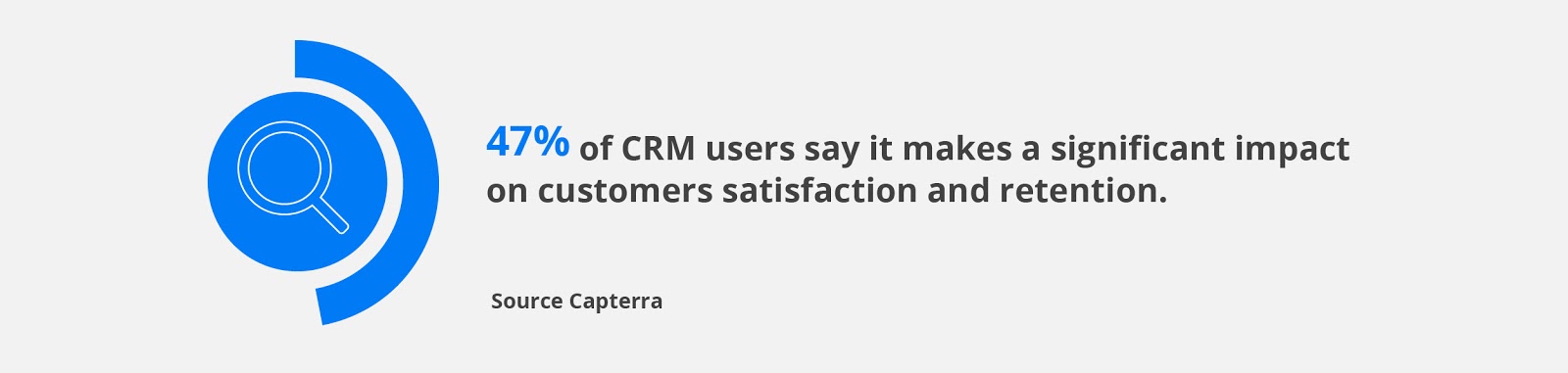
According to a business poll from Capterra, 47% of CRM users noted it made a significant impact on both customer satisfaction and retention.

CRMs allow you the ability to automate much of your customer related operations. This automation lets you be consistent with your service, regardless of where a client is during the sales and retention cycle.

A few of the customer related tasks a CRM can help you automate include:

  • Marketing: Generate specific communication to a targeted list of potential clients.
  • Sales: Help your sales team automate repetitive tasks so they can spend more time one on one with potential customers.
  • Invoicing: Once you finish a job get your billing out faster than clients expect (plus you get paid more quickly).
  • Follow-up: Send timely surveys to keep the customer engaged and open up future service opportunities.
  • Ongoing Relationship Management: Tailor a customized plan for each client by understanding their purchase history, service schedule, or engagement preferences.

Ultimately, with a CRM you can deliver a more timely, efficient, and personalized experience to your customers.

2. Optimizes Your Marketing Efforts

From brand new start-up to long term provider, having a cohesive marketing plan ensures your brand is continually expanding.

CRMs remove a lot of the guesswork that comes with establishing or maintaining a market presence. With a CRM in your corner, you can more quickly analyze market data and act upon a number of variables that help focus your business approach. A few of the most notable include:

  • Understanding Who Your Ideal Client Is
  • Targeting the Specific Needs of Those Clients
  • How to Respond to Client Behaviors
  • When is the Best Time and Most Beneficial Methods to Promote Services
  • Frequency and Method of Ongoing Client Engagement

CRMs help you market better by informing how to use your resources and when to employ specific strategies to maximize your service and sales – and their success is proven.

According to Nucleus Research, investing in a CRM returns on average $8.71 for each dollar spent. That’s certainly an impressive ROI.

3. Creates a Better Sales Team

Even if you employ a driven, hard-working sales team, old-school sales and marketing techniques can create unavoidable disconnects. 

Your data isn’t shareable between reps or departments. Or it’s difficult to access it across numerous channels.

Certain reps excel at closing sales while others fall behind.

There’s no clear schedule for reps to make sales calls, and they are unable to manage when to communicate or follow up with a client.

If you’re tracking it all manually, it can be challenging to identify shortcomings and develop strategies where you can improve. 

With a CRM however, you can bring your sales team together and get them working more cohesively as a group. A CRM will assist in:

  • Organizing customer sales and service data into a central database, where all team members can access the information at any point in time from almost any device.
  • Tracking agent performance to help you identify who might need more training or whose talents may better serve your company somewhere other than sales. Conversely, you can also pinpoint your top agents and reward them accordingly.
  • Equipping your team with real-time data points to promote cross- and upselling opportunities that can turn a basic sales call into an opening for generating even more revenue.
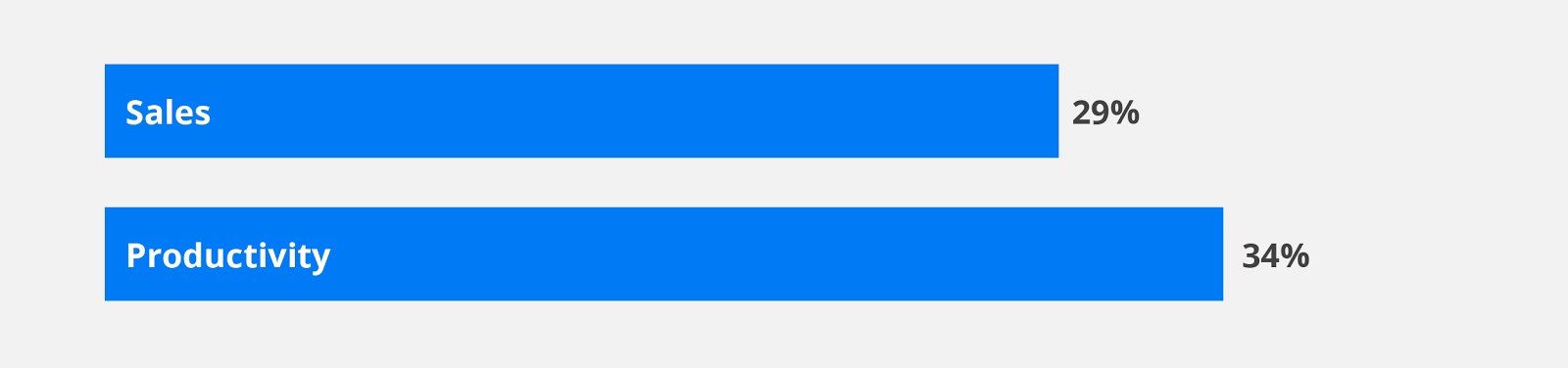
Numbers from SalesForce show that by using a CRM, you can increase sales by 29% and sales productivity by 34%.

4. Makes You More Efficient

Better customer service. Better marketing. Better sales. Notice a pattern?

A CRM is designed to improve your overall operations, and much of it comes from making multiple aspects of your business more efficient.

From centralizing data to streamlining your analysis to improving customer engagement a CRM helps your team avoid redundant work, common errors, and overlapping service calls. 

Basically, your organization can work smarter, not harder, while still aiming towards the same collective goals.

CRMs also improve your reporting, giving you access to more accurate and usable data than that collected through manual means. Robust reporting also means looking at the reports that are important to you without sifting through numbers that are often just filler.

In addition, a CRM can eliminate a lot of tedious tasks through automation. Necessary functions such as billing, follow-up surveying, or the completion of forms or other vital paperwork can all be simplified. 

Not only does this level of automation improve the pace and accuracy of your operations, but it also produces the added benefit of providing customers with a better overall experience. 

Plus, CRMs allow your business to go mobile. Nucleus Research shows that this alone can increase productivity by more than 25%.

5. Enhances Your Communications
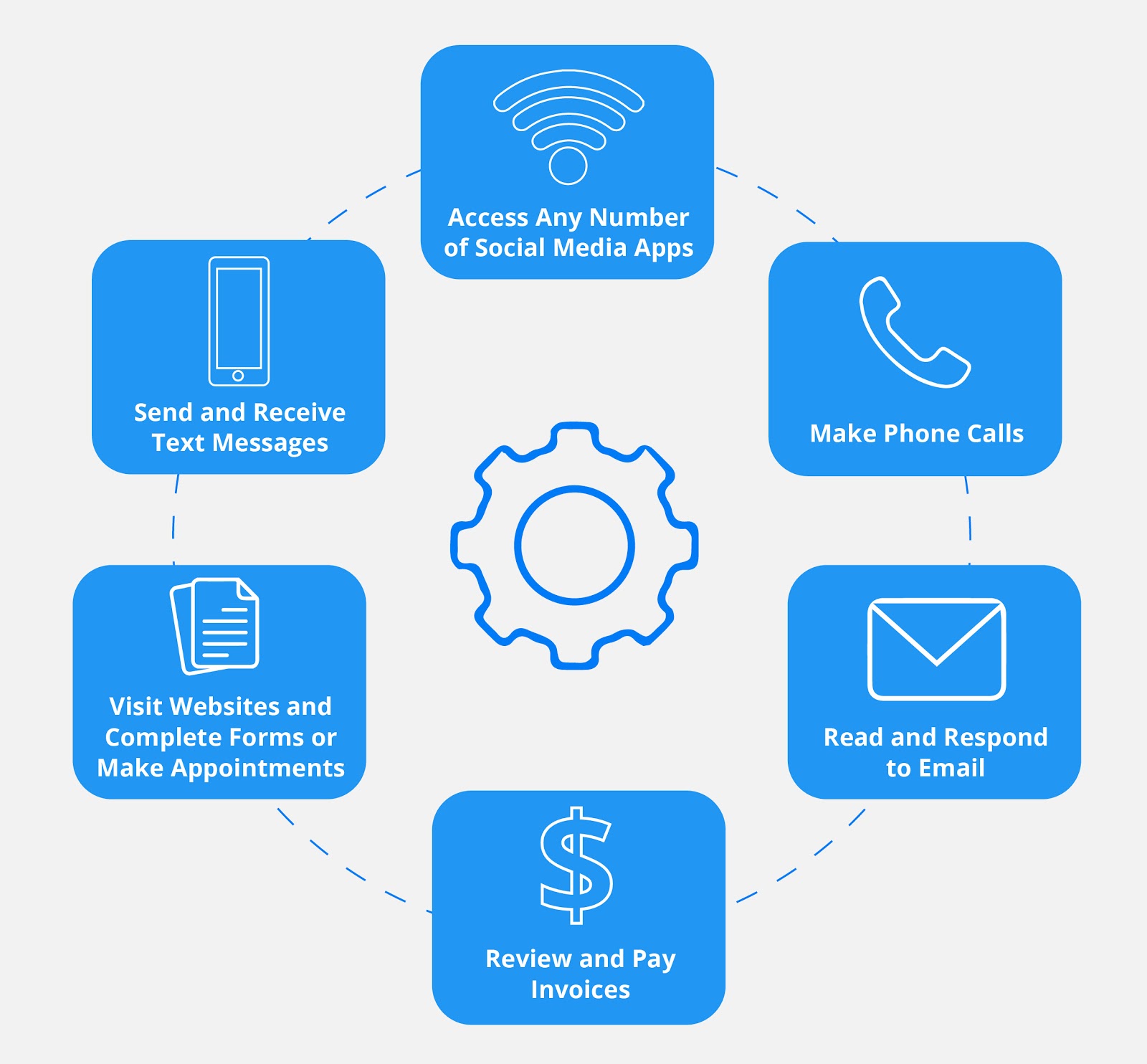
Speaking of going mobile, our methods of communication are increasingly on the move. With a single handheld device people can:

  • Make Phone Calls
  • Read and Respond to Email
  • Send and Receive Text Messages
  • Access Any Number of Social Media Apps
  • Visit Websites and Complete Forms or Make Appointments
  • Review and Pay Invoices

It makes sense then to have a business tool that helps to consolidate the various ways you need to communicate and interact with both current and would be customers.

A CRM puts all of these communication points in a single spot. When centralized, it’s easier for your team to review past engagement, capture new interactions, and work with clients in real time.

A CRM doesn’t stop there though. For your company to truly be successful, it must engage customers where they spend the majority of their time, and today that means social media.

For a small to medium-sized service company managing social media accounts can be a massive undertaking – but it’s a necessity regardless of your business. 

A CRM lets you manage your social media presence – Facebook, Twitter, Instagram, LinkedIn – so you can easily post, respond, and maintain a consistent message across all platforms.

Faster and more accurate communication leads to much greater visibility and productivity for your brand.

How to Identify the Best CRM Solution

When choosing a CRM, there are some questions you’ll need to ask before determining which solution will help your business. Many of these questions involve the specific needs and goals of your business. 

With that in mind, let’s examine four essential considerations you should make when identifying a CRM solution.

1. Affordability

As with most any service, CRM software comes in all flavors, which means so do their price points.

Initially, the majority of the CRM platforms in the marketplace appear relatively inexpensive, with most offering free trials to try out their solution. Though once you commit to a service, the entry-level pricing may rapidly increase.

Therefore, it’s critical you set a limit for what your company can or is willing to spend and then understand the price structure of each service you consider. Be sure to explore potential hidden costs such as:

  • Setup or Training Fees
  • Costs for Extra Data Storage
  • Customization Charges
  • Premium Options for Contact Volume
  • Escalating Fees for More Reporting
  • A La Carte Pricing for Additional, Non-Standard Features

Set a budget, do your research, ask plenty of questions and determine which CRM pricing structure best serves your spending goals.

2. Integration

With integration, there are actually two things consider – how a CRM will integrate with any existing business tool you’re using, and how easily it will mix with your current sales and marketing processes.
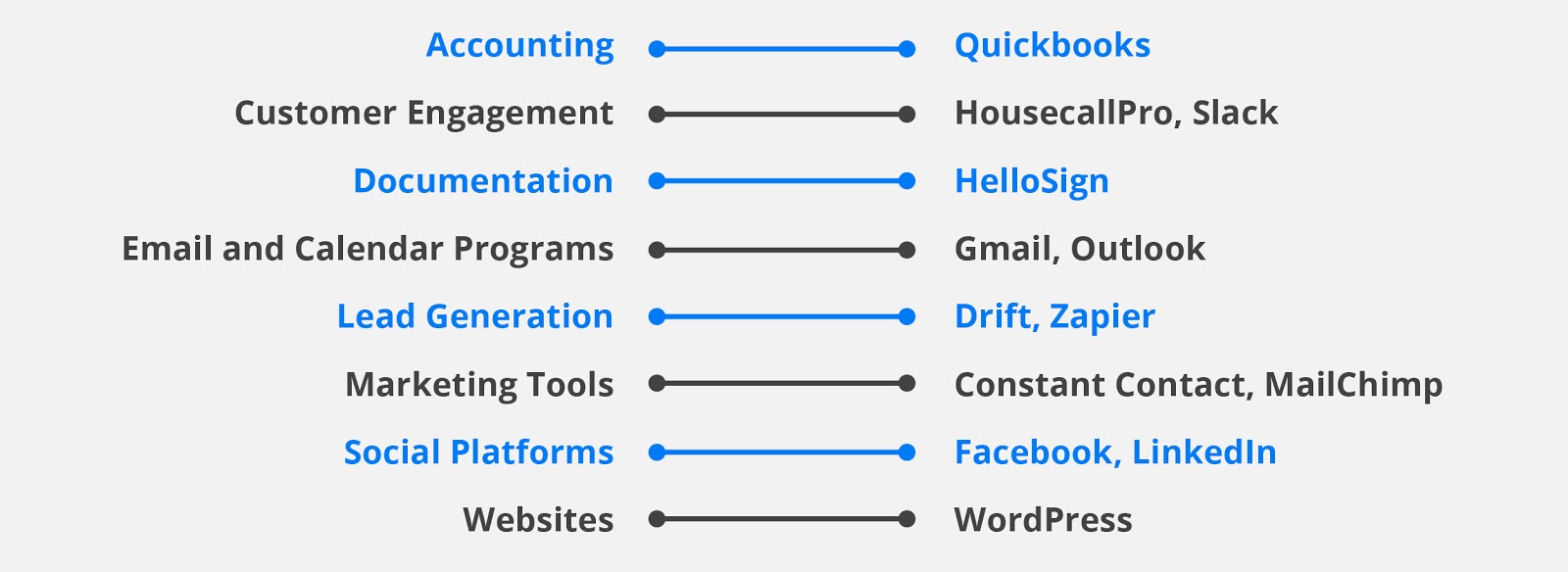
For business tools, any CRM worth its salt will successfully integrate with the majority of services you currently use. A brief sampling of integration points to be mindful of include:

  • Accounting (Quickbooks)
  • Customer Engagement (HousecallPro, Slack)
  • Documentation (HelloSign)
  • Email and Calendar Programs (Gmail, Outlook)
  • Lead Generation (Drift, Zapier)
  • Marketing Tools (Constant Contact, MailChimp)
  • Social Platforms (Facebook, LinkedIn)
  • Websites (WordPress)

As you can see, there is a lot to consider up front, but it is well worth the time once you fully reap the benefits of consolidating all of your tools into one place.

When it comes to integration of your sales and marketing operations, the single most important question to ask is will the platform be easy for your team to use. After all, you want their focus on generating new business and retaining current clients.

In addition, make sure you can import existing data into the new platform and that it doesn’t force you to rethink your entire sales and service approach.

For the most part, a CRM is made to be easy to use, but make sure you know the learning curve and limitations involved with each provider when narrowing down your choices. You want an onboarding process that is seamless and positive and results in a quick adaptation.

3. Infrastructure

Determining how you will deploy a CRM within your organization comes down to your current structure and if you plan to change the setup in the future.

When choosing between a SaaS (software as a service) CRM, which are cloud-based platforms, and an in-house CRM, where you own the software outright, you should consider the following:

  • How much authority do you want (or need) to have over the platform and data? In-house you oversee it all, SaaS comes with less control.
  • Will you employ an IT team to handle an in-house solution or source with a third-party?
  • Do you want to make a substantial initial investment with in-house setup or put up little upfront money but potentially spend more upgrade dollars over time?

Ultimately, whatever CRM solution you choose now doesn’t mean you have to stick with it for the life of your business.

The importance of infrastructure is knowing where you want to be for the immediate future but then leaving yourself enough flexibility should your needs change.

4. Business Needs and Customization

When looking at a CRM, it’s important to recognize if you’re getting an out of the box solution or one that can move as your company moves.

Even within the home services industry, there is specialization. 

You’ll want a CRM that best serves the needs of your unique business. Look at who different providers have worked with and identify ones that understand your company’s specific requirements.

Keep in mind that this doesn’t just extend to your business type and necessary integrations, but also where your business operates. There may be local considerations that are vital to the growth of your brand, so make sure the CRM can tap into this aspect to meet those needs.

Last, make sure your CRM can grow as your company does. Choosing a CRM that specializes in small businesses won’t help your already medium sized business get to the next level. 

Find a service that supports where you are now and offers scalability that will support you as your business develops.  

The Best CRM Solutions

With CRM solutions there is plenty of choices, so take your time reviewing what each one offers and their pros and cons. 

A CRM ends up as a partner to your firm, so you’ll want to ensure they fit as a worthy complement to your brand. Check references and the platform’s reputation as well to make sure its a good match.

Almost every CRM offers a free trial, so take advantage of the trial period to grasp the features and functionality of each platform. Employing a CRM to help your company is no small endeavor, so your due diligence should match its level of importance.

To help get you started in finding the right CRM, here seven of the most popular solutions today:

1. Housecall Pro

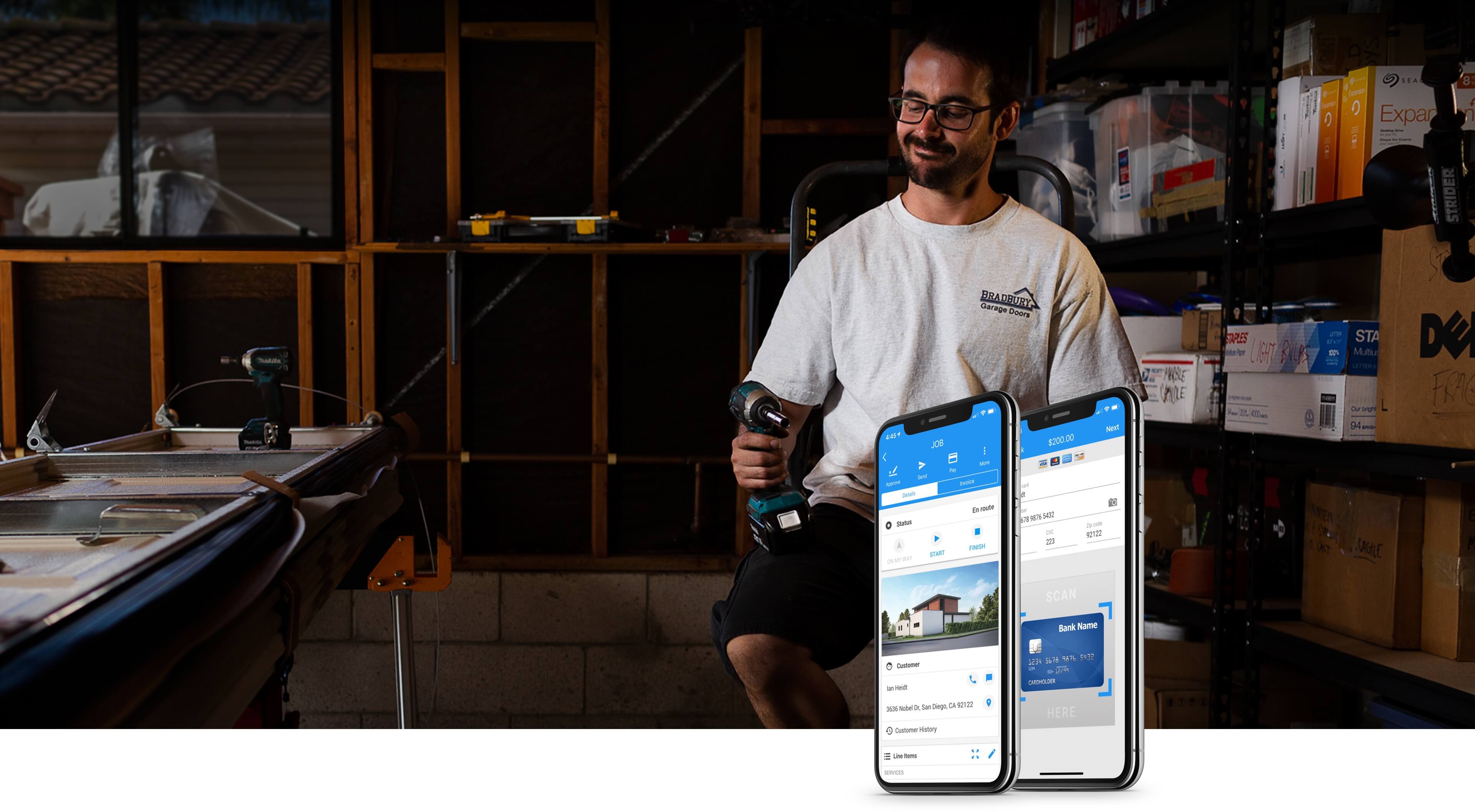
We’d be remiss if we didn’t mention Housecall Pro in this list of CRMs. If you’re looking for a robust CRM at an extremely reasonable price, look no further. With features such as easy scheduling, digital estimates, online booking, dispatching, on-my-way texts, and live map GPS, Housecall Pro has everything you need to effectively run your small business. It really is the all-in-one app you need to run your business. 
Homepage Hero

2. HubSpot

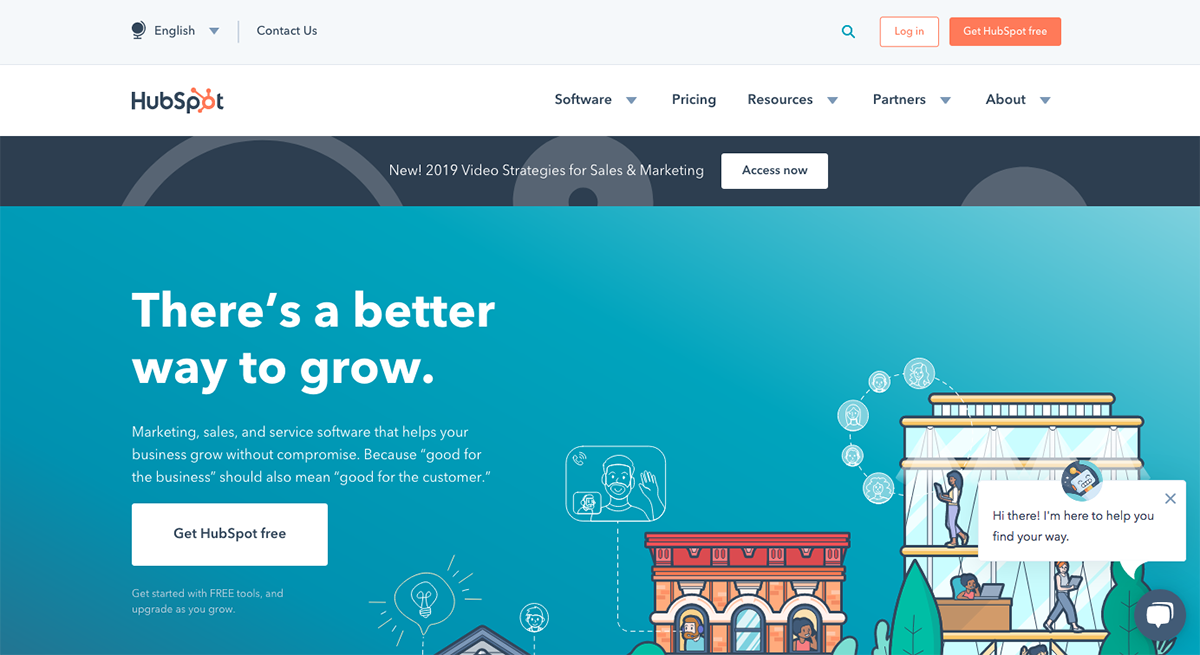
One of the two biggest names in CRM (along with Salesforce below), cloud-based HubSpot is known for ease of scalability, simple onboarding and usability, and the capacity to evolve as your company grows. One of HubSpot’s best attributes is the focus the system places on customer relationships and allowing businesses to build them organically. 
3. Salesforce

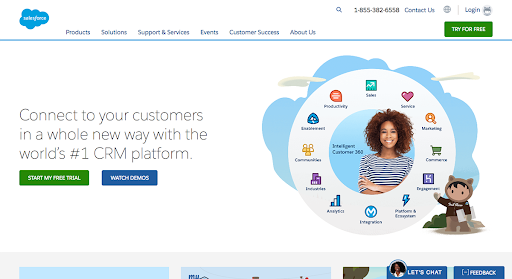
Though pricey, if you can afford it, there are few all-in-one CRMs more powerful than SalesForce. Once exclusive only to large corporations, SalesForce now offers small and mid-size business solutions that help get your CRM initiatives up and running with little stress on your end. The platform is particularly helpful for those looking to improve support and sales capabilities and will scale to a business’ needs no matter where they are in the growth cycle.
4. Zoho

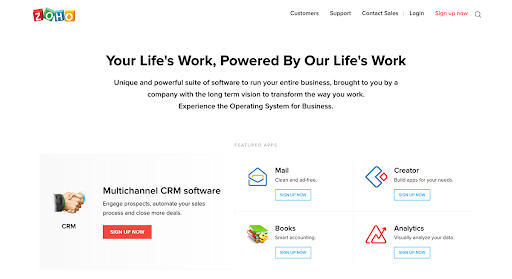
Zoho is all about customer engagement. Tools include seamless communication on social media platforms as well as enhancing customer interaction through traditional outlets like phone, email, and live chat. A central database helps to keeps these conversations organized and accessible. Reporting is also a strength to help pinpoint both sales performance and in measuring the client journey.
5. Pipedrive

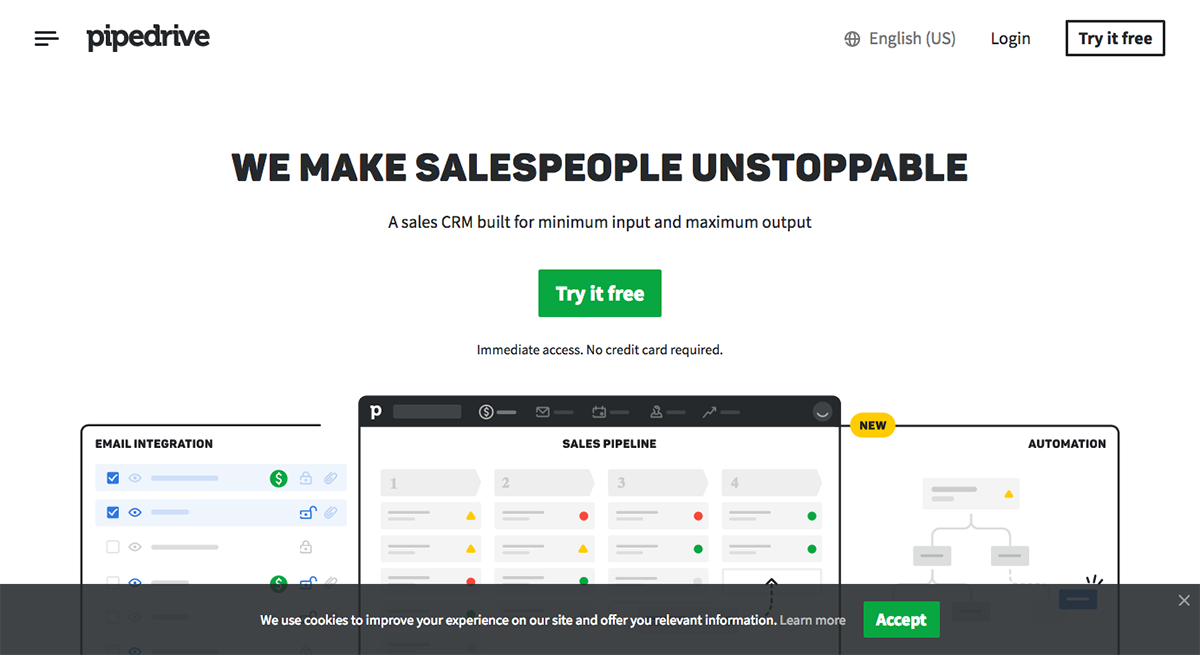
Pipedrive proves a flexible CRM for all business types with keen attention to enhancing the overall sales process. Identifying both the good bad of your sales generating pipeline, Pipedrive helps to serve up actionable data to keep your lead generation and sales on track. It is also a great tool for those that subscribe to the robust sales funnel method. 
6. SugarCRM

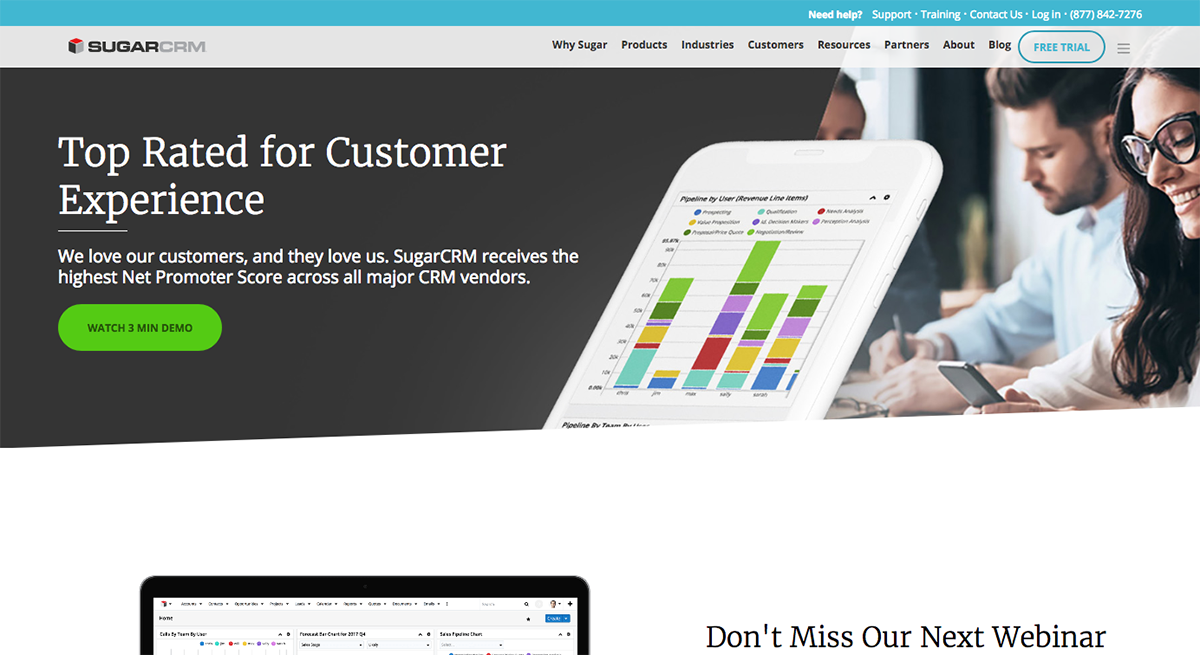
If your company is looking for a fully customizable CRM solution, SugarCRM is worthy of your time. Geared towards developers, this platform helps you create a solution that fits precisely to your business needs. Because of the level of personalized modification available, it’s essential that you employ a knowledgeable and very talented IT team to get the most from this software. 
7. Freshsales

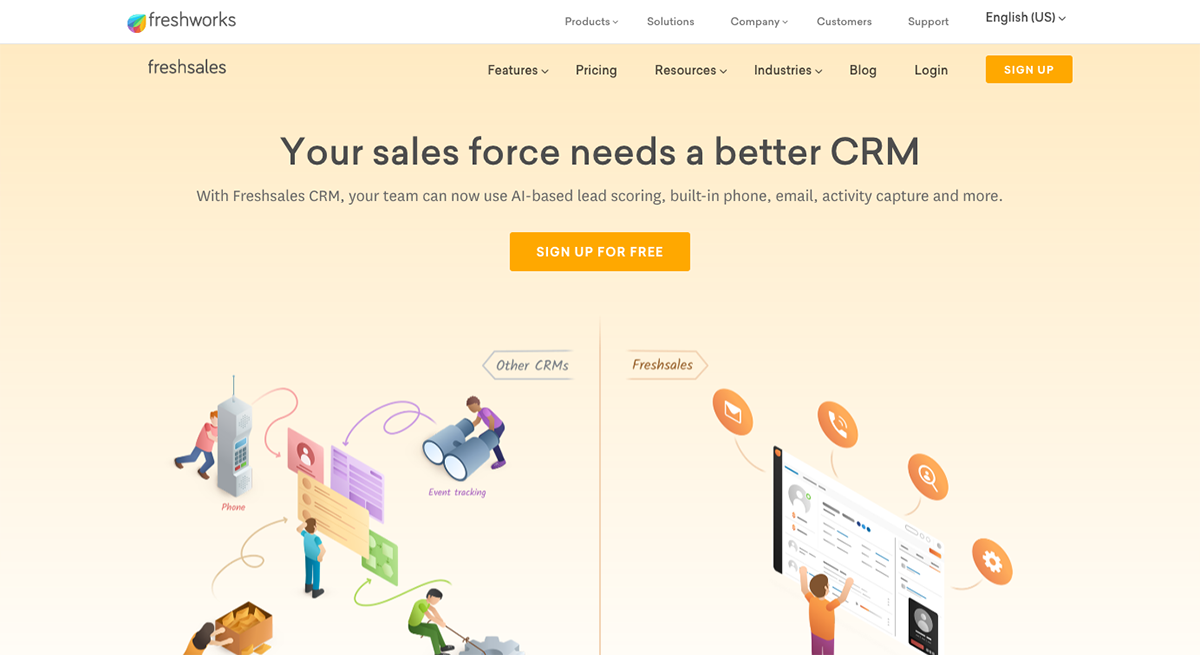
Online CRM Freshsales is best suited for firms that deal in volume sales. In addition to sales centric tools like lead scoring, behavior tracking, and bulk email customization, you can easily track the customer’s journey from the first contact on through to personalized communications after service.
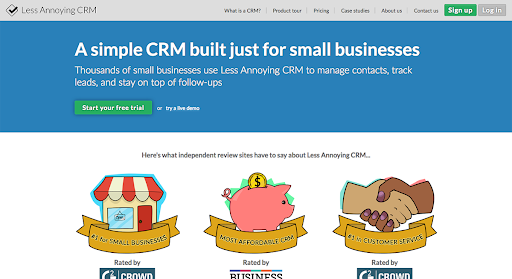
8. Less Annoying CRM

Funny name for sure, but if you’re seeking out a CRM solution on a modest budget, Insightly is a great option to consider. Understandably not as robust as other platforms, Insightly offers a more straightforward approach to managing your sales and customer engagement activities. Excellent for small businesses, Insightly can also provide value for larger firms wanting to take their CRM endeavors a bit slower. 
Final Thoughts

Sure, that is a lot to consider, but if you aim to get all of the customer-related elements of your business tracking towards the same goal, then a CRM is worth the time and effort necessary to integrate it with your business.

Just remember that a new platform meant to consolidate your marketing, sales, and service requires patience, due diligence and an eye on your current needs and your future objectives. Finding the right CRM will help get you exactly where you want to go.


Housecall Pro Author

Housecall Pro

Official Corporate Communications
Contact | 
Last Posted July, 2026
About the Author Solutions for your business Whether you need to improve dispatching, reduce paperwork, increase workforce or grow revenue, we have a solution.

Resources

Is it legal to buy Facebook likes?

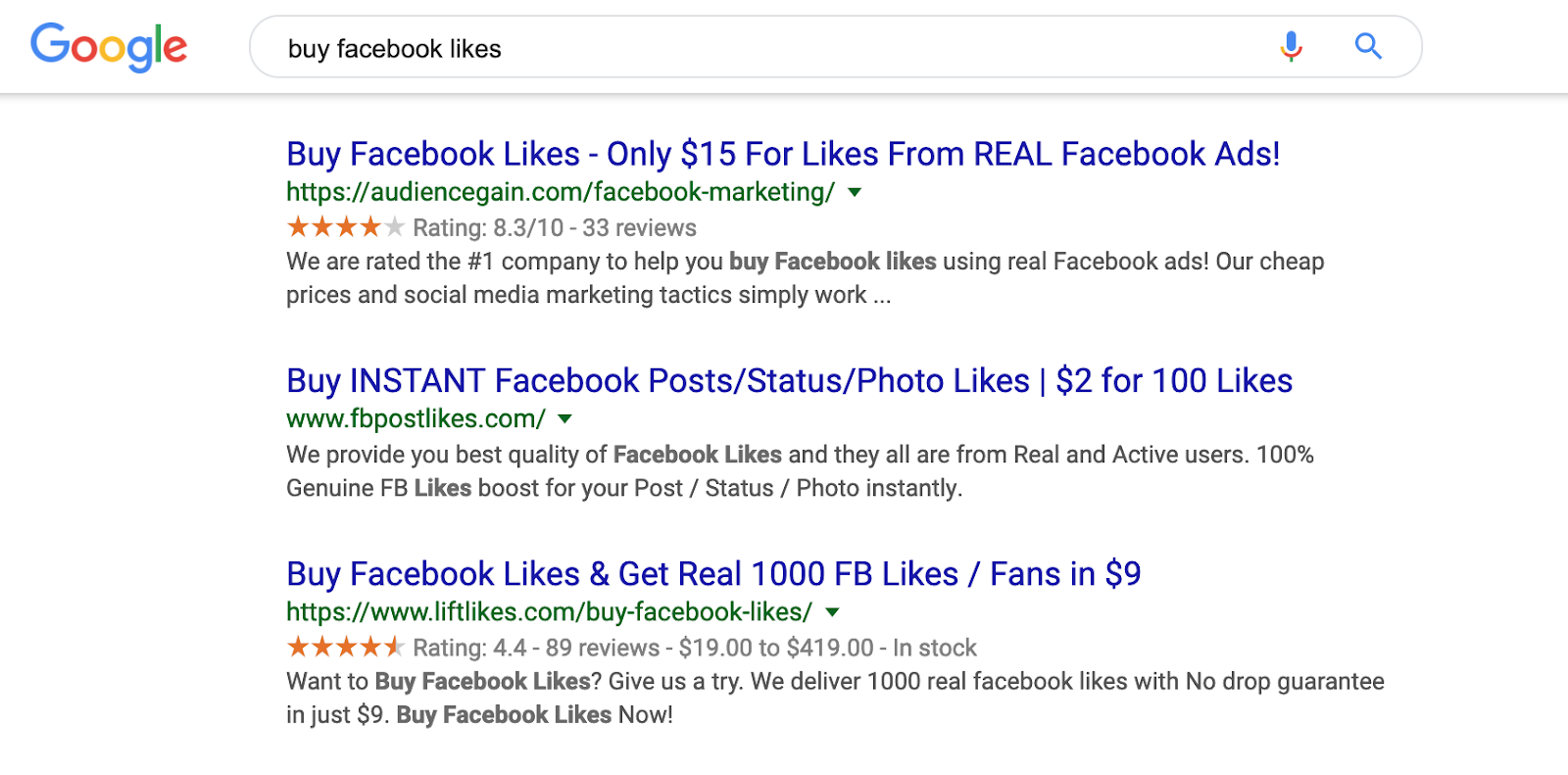
If you’re a business owner that has been allured by what buying Facebook Likes can do for your business, you are not alone. You can find a handful of sites with a simple Google search of “buy Facebook likes” and be flooded with offers of “real” Facebook likes that can help bolster the online and social media reputation for your company. While it may feel nice to see the like count on your Facebook page rise, are you really generating any type of meaningful ROI with those “real likes?” The answer is no.

In order to understand the real value of Facebook likes, it’s necessary to uncover what buying Facebook likes does for your business, why it’s recommended that you don’t buy Facebook likes and alternative strategies to be taken to experience a positive business return with your Facebook strategy.

How do you buy Facebook likes?

Purchasing Facebook likes is very simple. Like mentioned above, all you need to do is conduct a simple Google search with the phrase “buy Facebook likes” and you’ll get scores of sites pitching you the next best deal in purchasing likes.

These sites promise instant results. If you were to fall for these irresistible offers, what exactly would you be getting with the purchase, however?

Where do purchased Likes come from?

To put it plainly, your guess is as good as ours. After some research using the links in the image above, it is very hard to tell where the Facebook Likes that you purchase come from. 

Audiencegain.com claims that the Facebook Likes would come from real users and the results of the likes on your business page would come up around 24 hours after the purchase. There is no verification of the “real” users, however.

One could speculate that the site offering the likes has hundreds of “dummy accounts” created that like your page. It’s also possible that they could have contracted accounts from other countries that like your page. It’s very hard to prove the legitimacy of the likes you would be getting.

Even if you were to get likes on your page, it isn’t clear that it would garner an overall boost in your businesses performance.

Reasons you shouldn’t purchase Facebook likes

Purchased likes don’t convert into real business:

The biggest reason you shouldn’t purchase Facebook likes is because purchased likes don’t become customers. Sure you may have a perceived appearance of being the most popular HVAC in your area, however, how do all of those purchase likes on your social media page eventually convert into more business?

They don’t.

In fact, they might have adverse effects. Picture for a moment you’ve purchased 1,000 likes for your business’ Facebook page. Around the same time you received a negative review from one of your past customers. That negative review subsequently receives over 100 likes from your recent like purchase. Now you have a negative review trending higher on your page and receiving unwanted attention due to your like purchasing pursuits.

Purchased likes alienate your real audience:

One of the most important uses for Facebook and any of your social media endeavors is for market research. When using social media correctly and effectively, you have the ability to track your engagement. Tracking your engagement allows you to see what your potential customers are actually looking for.

If you’re a plumber looking to expand your business, you can use Facebook to put out various forms of promotional content for your audience. If this content is constantly “liked” by purchased likes, you have no way of discovering if it is of real value to the real audience that exists.

The most effective alternative to purchasing Facebook likes

It’s plainly clear that purchasing Facebook likes isn’t an optimal marketing strategy for your small business. But what is?

One of the most effective social media marketing strategies that you can employ is Facebook review generation. It’s noted that 84% of customers trust online reviews as much as a personal recommendation. Furthermore, 68% of people form a solid opinion on a business after reading anywhere from 1 to 6 reviews. Online reviews–especially on Facebook, are far more effective in expanding your business than the casual like (whether purchased or real).

Posting positive review content also helps the SEO ranking of your small business. When you rank higher in SEO, you get more eyes on your business. Getting more eyes (from real customers) is always a factor in expanding your business.

Building your review base isn’t an overwhelming strategic undertaking. In fact, there are automated marketing tools that help send a request to any past customer automatically so you don’t have to worry about it. If you wish to focus on building your Facebook review base, use our review management software that will help you send a request to post a review to any and all of the customers you’ve worked with in the past – automatically when you tell it to.


Once you start building positive reviews on your business’ Facebook page, you will start to see real engagement rise. When your real engagement rises, so will the success of your business. There’s no need for a shortcut of buying Facebook likes–let the real experiences of past and present customers do the work for you.


Housecall Pro Author

Housecall Pro

Official Corporate Communications
Contact | 
Last Posted July, 2026
About the Author Solutions for your business Whether you need to improve dispatching, reduce paperwork, increase workforce or grow revenue, we have a solution.
Resources

6 Essential Tips for Electricians to Work Better with Contractors

Working efficiently on an electrical job can make or break the overall success of a construction project. One of the main factors of efficiency when operating on an electrical project is the relationship between the electrician and the construction contractor.

It’s no secret that historically, relationships between general contractors and subcontractors can be rocky. It is becoming increasingly important in this highly competitive market to improve these relationships. Improving these relationships can establish respect and efficiency on the job site.

Here are a few tips for an electrician to work efficiently with construction contractors and improve those relationships:

Develop Clear Proposals

Creating and writing a written contract that thoroughly establishes all expectations saves time for everyone involved. Make sure to include all plans pertaining to the design/build of the job to keep a uniform consistency. Having written documentation helps to avoid disputes altogether because it leaves no room for miscommunication. Avoiding miscommunication improves efficiency by not wasting time debating what work should be completed, what it costs, or the timeline of the project. When working on a job site where many tasks are being completed at once, clarify at the beginning who is responsible for what. There should also be an established timeline for the project as well. This works to keep workers on track and establish an expectation and deadline. Overall, the project will remain organized and efficient.

Establish Good Communication

Communication is a two-way street, so it’s not only important for the contractor to communicate with the electrician, but it is just as important for the electrician to communicate as well. It is crucial for there to be open communication between the supervisor, the homeowner, and the electrician, so everyone stays on the same page. Using cloud-based construction software allows for real-time communication between the contractor and subcontractor to reduce miscommunication and save time. Another best practice for communication is to never go around the construction contractor to talk to the project owner about disagreements. Make sure to speak with the contractor first about any conflicts that may arise. Electricians are extensions of the general contractor, and so it is important to represent them well and produce quality work that reflects well upon you, as well as the construction contractor.

Follow Instructions and Protocol

As an electrician, it is common to be your own boss. When hired by a construction contractor, you must remember that you must follow their instructions when working for their client. An important thing to remember is that the contractor is the voice for the client, so following their instructions and protocol is crucial. Doing electrical work, the right way the first time saves loads of time on the job site. This also works to keep the general contractor and the homeowner satisfied. If the contractor wants something done in a specific way, it’s best to follow instructions and get it done right the first time.

Maintain Certifications

Keeping up with certifications and licenses is an essential aspect of being an electrician. Having the proper certifications allows you to prepare for different projects. Contractors are going to assume you have the proper permit for the job already, or you need to obtain it promptly. By keeping up with all required permits and licenses, it saves you time and gives an advantage over other electricians who may not have kept up on these certifications. Being prepared shows the contractor that you have the proper experience and are the right fit for the job and possible future jobs.

Be Transparent

For contractors and homeowners to be satisfied with your performance, it’s crucial to remain transparent in all business workings. Using electrical contractor software can be extremely helpful in keeping track of all documents. Project management software can help by hosting a record of all labor hours and units, tracking materials, and documenting labor costs. Maintaining a detailed history of everything that goes into the job makes transparency with the contractor simple. The more transparent and organized you are, the more efficient you can work.

Go Above and Beyond

To establish rapport with contractors and stand out from the pack of other electricians, you must go above and beyond. If you win a project and proceed to do the bare minimum, the contractor won’t be likely to hire you for electrical work again. Showing the contractor that you care about a future job will increase the likelihood of being hired again. This enables you to establish long-term relationships.

When you’ve previously worked for a specific contractor, you begin to understand the way they run things and their process for completing a job. This creates a more efficient workplace for you and the contractor.


Housecall Pro Author

Housecall Pro

Official Corporate Communications
Contact | 
Last Posted July, 2026
About the Author Solutions for your business Whether you need to improve dispatching, reduce paperwork, increase workforce or grow revenue, we have a solution.
How to

How Should You Connect With Your Customers?

Running your service business is a full-time job. Not only do you need to worry about getting the right supplies and equipment to get the job done, you also need to pay attention to the specific needs of your customers. Even small, local businesses need to have a finger on the pulse of shopping habits so that they can maintain a steady stream of satisfied clients.

Since the world is ever-evolving in the Digital Age, staying up-to-date on consumer trends and preferences can fall to the bottom of your priority list. We understand that your time is a precious resource. No sweat – we’ve got you covered!

So, check out the facts on the infographic. Here are some lessons we can learn from it:

1) Smartphones are still gaining popularity: 

  • Since 2010, mobile device usage has gone up 575%. This trend is here to stay.
  • More than half of Americans, 65% to be exact, have smartphones. That number is only continuing to rise.

2) Consumers spend a significant amount of time on mobile devices.

  • About 2.5 hours every day, on average.
  • 80% of that time is spent using mobile apps.

3) Your business’ online presence truly matters.

  • Consumers need to be able to first find your business online, then be able to find reviews to guide their purchasing decisions.
  • You also need an easy-to-use, well-designed website so that your website visitors can easily convert into customers.

4) Having an app will help you reach customers where they spend their time.

  • People spend hours of time every single day using apps. If you want to reach potential customers where they are, having an app is a good start!
  • Of course, the average service business probably does not have the resources to allocate to design and develop a fully-functioning app.
  • To get your business featured on an app, we suggest finding a 3rd party organization that you’d like to work with, such as a lead generation program or a program that offers mobile booking.

No matter the size of your company, understanding what customers expect is key to ensuring that your business is booming. That’s why this infographic is called “Digital or Dust.” If you fail to adapt with the times, you’re business could get left behind in the dust. Stay one step ahead of the competition by offering exactly what consumers demand.


Housecall Pro Author

Housecall Pro

Official Corporate Communications
Contact | 
Last Posted July, 2026
About the Author Solutions for your business Whether you need to improve dispatching, reduce paperwork, increase workforce or grow revenue, we have a solution.
Coronavirus

Funding assistance for home service businesses impacted by COVID-19

What home service businesses need to know about the new relief package

On April 16, the Small Business Administration (SBA) ran out of money for the Paycheck Protection Program (PPP). The SBA also stopped taking new applications for Economic Injury Disaster Loans (EIDL).

This week, Congress is working to pass another relief bill that will give the SBA another $310 billion to fund the PPP and $60 billion for EIDL. 

Banking industry professionals are warning that this amount isn’t nearly enough with hundreds of thousands of applications already pending that come closer to nearly $1 trillion. The additional funding is expected to run out very quickly.

According to the SBA, Economic Injury loans that have already been submitted will continue to be processed on a first-come, first-serve basis. You just can’t submit a new application.

If you’ve already applied for a PPP loan through a lending institution, it’s still possible to hear something positive back. Some lenders are still processing agreements for finances through the SBA using funds from the first relief package.

Many lenders are still taking new PPP applications in preparation for the new funding.  Business consultant Jill James told the Los Angeles Times, “If you don’t have an SBA guarantor number, you’re probably going to have to reapply … The queues we had are out the window.” If you applied through a larger national bank such as Wells Fargo or Bank of America, she recommends trying again with a regional bank or online lender like Kabbage.

The government and private entities are working to create financial solutions for small businesses impacted by COVID-19.

We will continue updating this blog post as we find more resources for home service businesses.

Here are the programs we covered with links to articles with more detailed information.

Economic Injury Disaster Loans (EIDLs)

The U.S. Small Business Administration is offering low-interest loan assistance of up to $2 million for businesses of any size impacted by the Coronavirus. 

Per the CARES Act, small businesses that apply for an EIDL will receive an advance of $10,000 within three days that they do not need to pay back even if they are not approved for the loan.

Read a more detailed article on what is the EIDL and how to apply and receive your $10,000.

Paycheck Protection Program

Part of the Coronavirus Aid, Relief, and Economic Security (CARES) Act, the Paycheck Protection Program or PPP, makes federally guaranteed loans available to businesses that commit to retaining employees during the crisis.

Read a more detailed article on what is the PPP and how to it may impact your business.

Families First Coronavirus Response Act

The Families First Response Act will require small businesses to pay for up to two weeks of sick leave and ten weeks of family and medical leave for full-time and part-time employees for situations related to COVID-19. Businesses with under 50 employees will be able to apply for exemptions to this requirement.

Read a more detailed article on what is the Families First Coronavirus Response Act and how it may apply to you and your business.

Unemployment Insurance Provisions

Read a more detailed article on your unemployment options as a home services employer.

Refundable Payroll Tax Credit

Learn who qualifies for the Refundable Payroll Tax Credit and how to apply

Small Business Debt Relief Program

Read a full article and download a Small Business Debt Relief Program facts sheet

Recovery Rebates

Learn more about the Recovery Rebates in a full article

Additional Options

Local Assistance Many cities and states are creating their own local relief programs.

Private Aid Big corporations such as Facebook, Verizon, and Amazon are creating relief funds and grants for small businesses. Check out a list of resources available from many private companies.

Alternative Lending Solutions

As banks are overwhelmed with an influx of new credit and loan applications, peer-to-peer (P2P) loan providers and fintech platforms can offer much needed alternative avenues for obtaining capital.

P2P platforms act as a middleman between the borrow and investors who fund the loan. Look into P2P providers like Funding CircleLendingClub and StreetShares who work with small businesses.

Payment processors like Square, PayPal and Stripe also offer credit solutions for small businesses. If you’re already a customer, they will have your transaction history to pull from when making credit decisions.

Both P2P providers and fintech platforms offer fast credit decisions and access to funds, often a much faster turnaround than traditional business loans.

Short-Term Cash Flow

For short-term cash flow assistance, check out Fundbox. Small loans can be available as quickly as the next day. Note that current Housecall Pro users can apply for business credit via Fundbox through their account. Learn more.

This article is for informational purposes only and to foster thoughtful communication and discussion regarding the COVID-19 pandemic. Readers should obtain independent advice relating to their businesses and their particular circumstances.


Housecall Pro Author

Housecall Pro

Official Corporate Communications
Contact | 
Last Posted July, 2026
About the Author Solutions for your business Whether you need to improve dispatching, reduce paperwork, increase workforce or grow revenue, we have a solution.

Get a $50 gift card

See how Housecall Pro can fit your needs.

Get $50 gift card

Talk to an expert and see how Housecall Pro can fit your needs.

Prefer to explore on your own?

Book a Free Demo
Are you a Sherwin Williams Pro?
How did you hear about us?

By clicking 'Book a Demo' you agree to our Terms of Service (including the mandatory arbitration provision) and you acknowledge you have read our Privacy Policy. You also consent to receive marketing calls or SMS messages relating to our business, including by automated dialer, pre-recorded voice, or AI-generated voice technology, to the number you provide, for marketing purposes. Consent to receive such communications is not a condition to using our services, and if you choose not to consent, you may join by calling 858-842-5746.

Book a Free Demo
Are you a Sherwin Williams Pro?
How did you hear about us?

By clicking 'Book a Demo' you agree to our Terms of Service (including the mandatory arbitration provision) and you acknowledge you have read our Privacy Policy. You also consent to receive marketing calls or SMS messages relating to our business, including by automated dialer, pre-recorded voice, or AI-generated voice technology, to the number you provide, for marketing purposes. Consent to receive such communications is not a condition to using our services, and if you choose not to consent, you may join by calling 858-842-5746.