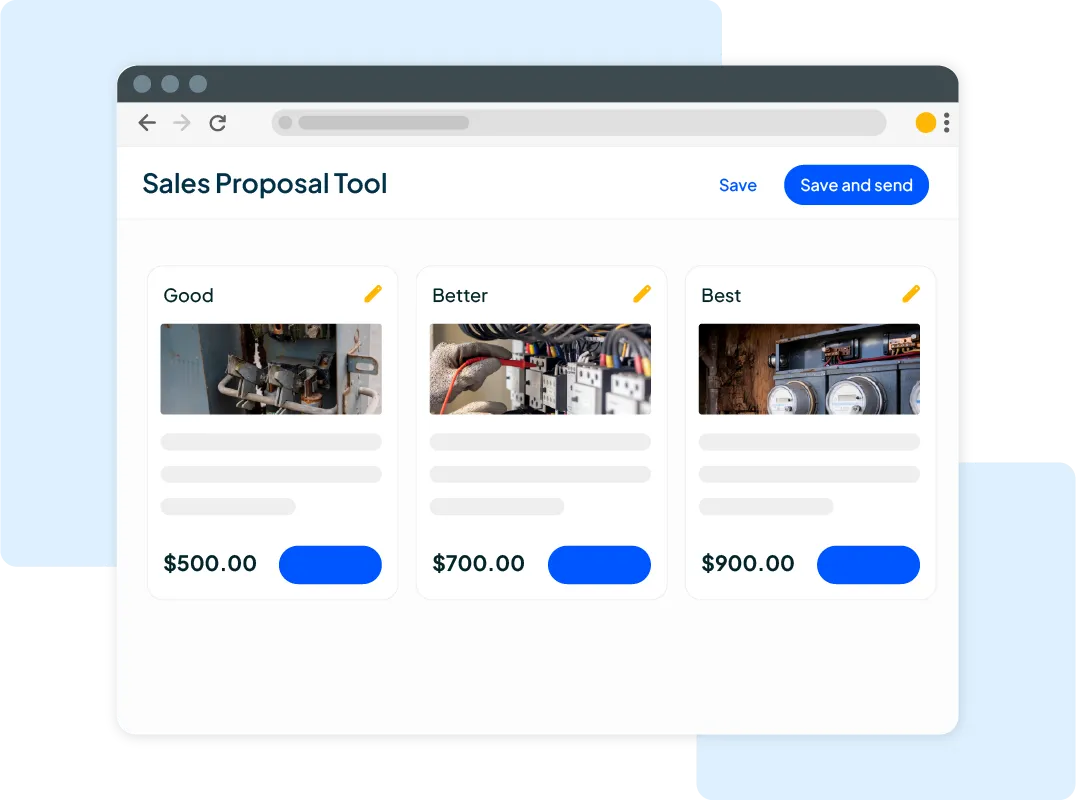
Want to win more jobs with less effort?
Grow your business and send quick quotes with our home service software.

Want to see your potential revenue?
See what businesses like yours earn with Housecall Pro in 1 - 2 minutes.
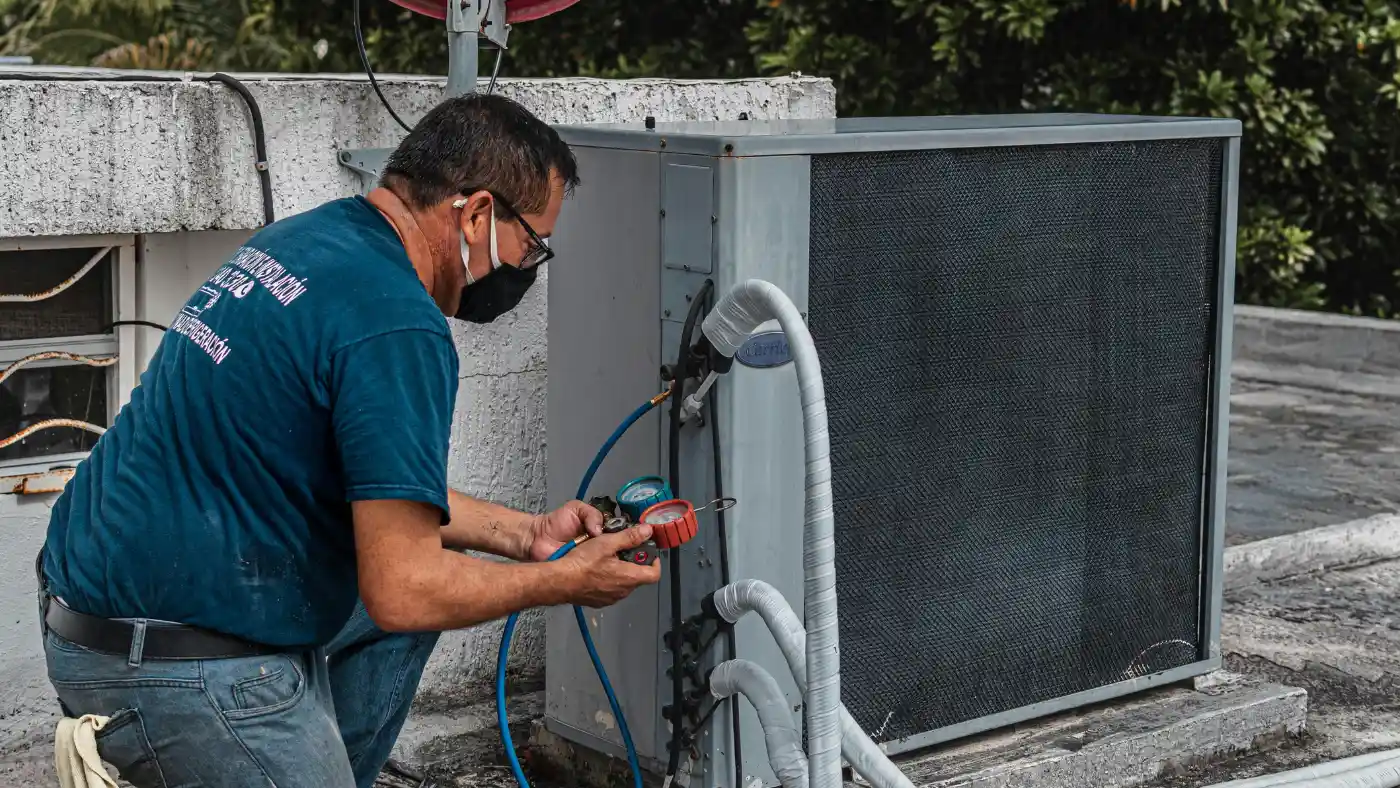
A packed summer schedule doesn’t always mean steady work year-round. HVAC maintenance contracts help you book repeat visits, bring in recurring revenue, and give customers a reason to keep calling your team. But the terms need to be clear so you can deliver what you promise and price each plan profitably.
In this guide, you’ll learn what to include in an HVAC maintenance agreement, how to sell it to customers, and how to manage plans as your business grows.
→ Download our free HVAC maintenance contract template to start building your agreement.
Quick answer: How do you write an HVAC maintenance contract?
To write an HVAC maintenance contract, list the customer and equipment covered, the work you’ll perform, the visit schedule, and the price. Add payment, renewal, cancellation, warranty, and liability terms, then have an attorney review the agreement before you use it. Both you and the customer should sign and date the final version.
See how Housecall Pro can help: Manage your service contracts all in one place.
Table of contents
- What are the benefits of an HVAC maintenance contract?
- What to include in an HVAC maintenance contract
- Sample HVAC maintenance contract language
- How to create an HVAC maintenance contract (step-by-step)
- How much should you charge for HVAC maintenance contracts?
- How to sell HVAC maintenance contracts
- How Housecall Pro’s HVAC software can help
What are the benefits of an HVAC maintenance contract?
HVAC maintenance contracts help you plan work ahead of time and stay connected with customers between repairs. They also give you a structured, chaos-free way to plan workloads, forecast demand, and handle renewals.
Below are some of the biggest benefits and why they matter for your HVAC company’s growth:
- Predictable recurring revenue: Monthly or annual plan payments can help you cover staffing, equipment, and everyday expenses. Scheduling maintenance during slower periods can also help fill gaps between busy seasons. For example, 100 plans at $200 a year adds up to $20,000 in recurring revenue.
- Improved customer retention: Regular visits give customers a familiar team to call when they need help. Keep service reliable, document your work, and make the next appointment easy to book.
- Reduced emergency callouts: Routine inspections can help catch problems before they cause a breakdown. That may mean fewer urgent visits for plan customers, though maintenance can’t prevent every repair.
- Upsell and cross-sell opportunities: Use what you find during maintenance visits to recommend repairs, upgrades, or accessories that fit the customer’s needs. Explain the problem and the options so they can make an informed choice.
- Simplified billing: Set payment dates and clear pricing help your office keep track of what’s due. Recurring billing can also reduce the time your team spends sending invoices and following up on payments.
Pro tip: If chasing renewals and invoices eats your week, Housecall Pro can manage your HVAC maintenance contracts with automated billing, scheduled service reminders, and easy tracking—all in one platform.
What to include in an HVAC maintenance contract
Your HVAC maintenance contract should tell customers what they’re paying for and give your team clear instructions for delivering it. Put the details in writing so you have something to refer to when questions come up.
Each contract should include the following elements to keep expectations clear and help prevent misunderstandings:
- Business and client details: List your company name, address, license information, and contact details, along with the customer’s name, contact information, and service address.
- Scope of work: List the inspections, cleaning, tune-ups, and other tasks included in each visit. Spell out exclusions, such as repairs, replacement parts, or after-hours service, so customers know what costs extra.
- Materials/equipment covered: Identify each covered system or unit. Include its location and identifying details, such as the make, model, and serial number, where available.
- Frequency or duration of service: Specify how many visits the plan includes, when they’ll take place, and when the agreement starts and ends.
- Pricing and payment terms: Include the plan price, payment schedule, and any additional fees. Explain how you’ll quote and get approval for work outside the plan.
- Warranty/liability: Explain any workmanship warranty and the limits of the agreement. Make clear whether parts and repairs are included or billed separately.
- Termination clauses: Explain how the agreement renews, how either party can cancel, and what happens to prepaid amounts or remaining payments.
- Signatures and dates: Leave room for both parties to sign and date the agreement, and give the customer a copy before scheduled work begins.
Have an attorney review your template before you use it, especially the renewal, cancellation, warranty, and liability terms.
Sample HVAC maintenance contract language
Use these examples as a starting point and adjust each one to match your plan.
- Scope of work: “Contractor will perform two scheduled maintenance visits per year, one before cooling season and one before heating season. Each visit includes the inspection, cleaning, and performance checks listed in Schedule A.”
- Exclusions: “Repairs, replacement parts, and after-hours service aren’t included. Contractor will quote them separately and get the customer’s approval before starting work.”
- Term and renewal: “This agreement runs for 12 months from the start date. It renews for another 12 months unless either party gives 30 days’ written notice.”
- Cancellation: “Either party may cancel with 30 days’ written notice. Prepaid amounts for visits not yet completed will be refunded.”
How to create an HVAC maintenance contract (step-by-step)
Start with a repeatable template, then customize it for each property and plan. That saves your team time while keeping the agreement specific to the work you’ll do.
Follow these steps to create your own HVAC maintenance contract from scratch:
- Gather customer and business information: Add both parties’ contact details, the service address, and your company’s licensing information. Confirm who can approve the agreement and any additional work.
- Define the scope of work: List the tasks you’ll complete during each visit, like inspections, cleaning, tune-ups, or performance checks. Separate included maintenance from repairs and other work that costs extra.
- List equipment covered: Identify every unit included in the plan. If a property has multiple systems, confirm which ones the customer wants covered.
- Set service frequency and duration: Specify the number of visits, the planned service intervals, and the contract’s start and end dates. Explain how you’ll arrange appointments.
- Establish pricing and payment terms: Set the plan price and billing schedule. Include any fees and explain how you’ll handle estimates and approval for additional work.
- Include warranty and liability information: Describe any guarantees on your work and clarify what the plan covers if equipment needs a repair.
- Add renewal and cancellation terms: Explain whether renewal is automatic or requires approval. Include cancellation notice requirements and how you’ll handle any remaining balance or prepaid service.
- Include signatures and dates: Leave space for both you and the customer to sign and date the contract. Keep the signed agreement on file and send the customer a copy.
- Review and customize: Check the equipment, scope, price, and dates before sending each agreement.
These steps apply to both residential and commercial HVAC maintenance agreements. For commercial properties, adjust the scope and service schedule to match the equipment and the building’s needs.
How much should you charge for HVAC maintenance contracts?
Start with what it costs you to deliver the plan, then set a price that leaves room for profit. While residential plans are often priced between $150 and $300 per year, your rate will depend on the equipment, number of visits, and benefits included. Use that range as a comparison point when checking your own price.
Include labor, travel, supplies, administrative time, and a share of overhead in your costs. If you offer repair discounts or priority service, account for what those benefits will cost your business, too.
Residential maintenance plan pricing
For residential customers, maintenance plans are often priced based on the number of systems covered and the services included. A plan might include one or two scheduled visits per year, with a clear checklist for each visit
As a starting point, a basic plan might cost 150–200 annually, while a plan with more services or benefits might cost 250–300 or more. Check that the price covers the promised work for the number of systems enrolled.
Customers should be able to see what they get for the price, and your team should be able to deliver it profitably.
Tiered plan pricing examples
Offer a few clearly defined plans so customers can compare services and choose what fits their needs. These examples show one way to structure your options; they aren’t recommended rates for every business:
- Basic Plan ($150–$200/year): Seasonal inspections, filter checks, and system performance reviews.
- Standard Plan ($225–$300/year): Includes Basic Plan services plus cleaning, tune-ups, and minor adjustments.
- Premium Plan ($350+/year): Includes all Standard Plan services, plus priority scheduling and repair discounts.
Clear distinctions between tiers help customers understand exactly what they’re paying for and why a higher-level plan may be worthwhile.
What affects HVAC maintenance contract pricing?
Before you set your rates, consider:
- Number of service visits included each year
- Age and condition of the HVAC equipment
- Residential versus commercial properties
- Local labor and operating costs
- Travel distance and service area size
- Included discounts on repairs or replacement parts
- Priority scheduling or emergency service benefits
- Number of systems covered under the agreement
Review your actual costs as customers use the plans. If visits take longer than expected or discounts cut too deeply into profit, adjust future pricing or coverage.
Read more: HVAC flat rate pricing software
How to sell HVAC maintenance contracts
Once you’ve created your maintenance plans, the next step is helping customers understand what they’ll get. Some may hesitate to commit, especially if they’ve had a poor experience with another company. Be upfront about pricing, coverage, and cancellation terms, and give them time to ask questions. In Housecall Pro’s 2025 Customer Service Report, a survey of 1,040 U.S. homeowners, 77% cite hidden or surprise costs as a top frustration, so spell out what’s excluded before they sign.
Keep your explanation simple. Show customers how the plans compare, what each visit includes, and which services cost extra. If you offer repair discounts or priority scheduling, explain how those benefits work so customers know what to expect.
Danny Reddick, founder and president of Reddick & Sons, suggests starting small. “Your first goal might be to secure 10 maintenance contracts in your first year.” A manageable goal gives your team time to practice explaining the plans and build a routine for delivering the service.
Here’s how to approach the conversation:
Step 1: Identify customers who could benefit
Start with customers who want regular care for their equipment or have trouble keeping up with maintenance. Use the system type, service history, and property needs to guide the conversation. For aging equipment or repeat breakdowns, explain what maintenance can help with and which repairs would still cost extra.
Step 2: Explain the benefits of an HVAC maintenance plan
Connect the plan to what matters to the customer: reliable heating and cooling, a regular maintenance schedule, or help budgeting for routine service. Use specific examples from their equipment and service history, and avoid promising that maintenance will eliminate breakdowns or repair bills.
Depending on what your plan includes, you can highlight:
- Better system performance: Regular inspections and tune-ups can help identify issues that affect how the equipment runs.
- Lower risk of breakdowns: Routine checks may catch small problems before they turn into larger repairs.
- Longer system lifespan: Regular care may help customers get more years out of their equipment.
- Priority scheduling: Explain exactly how priority service works during busy periods if your plan includes it.
- More predictable costs: A set price for scheduled maintenance makes routine service easier to budget for. Clarify which repair costs remain separate.
Give customers room to ask questions and decide whether the plan fits their needs.
Step 3: Offer tiered plans
Present your plan options side by side, using the same names, prices, and coverage details across your website, sales materials, and contracts.
For the example tiers above, explain the differences this way:
- Basic plan: For customers who want scheduled inspections and system checks.
- Standard plan: For customers who also want the listed cleaning and tune-up services.
- Premium plan: For customers who want standard coverage plus the stated priority scheduling and repair discounts.
Recommend a plan based on the customer’s equipment and priorities. Make sure they understand any exclusions before they sign.
Step 4: Make the agreement easy to understand
Use straightforward language and clear terms. Outline what’s included, how often you’ll visit, and what the customer will pay. Keep renewal rules, cancellation terms, and exclusions easy to find.
Pro tip: Give customers a copy of the agreement they can save and review. Keep the signed version with their service records so your office and techs can check the same terms.
Step 5: Promote your HVAC maintenance plans
Introduce maintenance contracts during service calls, when you can explain how the plan applies to the customer’s equipment. Outside of appointments, use email reminders, educational social media content, or direct mail marketing to let customers know what’s available.
Customer testimonials and examples of completed maintenance can help show what the service looks like. Keep claims specific to the results you can support.
Learn more: 10+ HVAC Marketing Strategies to Get More Leads
Step 6: Follow up and encourage renewals
Track renewal dates so you can contact customers before their plans expire. Give them time to review the next term’s price, coverage, and payment options.
Use these tips to make renewal easier:
- Send reminders early: Reach out 30–45 days before expiration so customers don’t feel rushed.
- Highlight completed work: Summarize the visits, inspections, and maintenance you completed during the past year. List separately billed repairs clearly so customers can distinguish them from plan services.
- Recommend the right tier: Ask whether the customer’s needs have changed. Explain how another plan might help, including any added costs and coverage limits.
- Provide convenient renewal options: Make it clear how customers can review the terms, approve renewal, and pay.
- Stay in touch year-round: Send useful service updates and appointment reminders so renewal isn’t the only time customers hear from you.
You don’t have to track renewals by hand. Housecall Pro’s Service Plans reminds customers when it’s time to renew.
How Housecall Pro’s HVAC software can help
As your maintenance program grows, your office has more visits, payments, and renewal dates to track. Keeping those details organized helps your team deliver the service customers have paid for.
Housecall Pro’s Service Plans tools help you manage recurring maintenance alongside your everyday HVAC work. Use them to:
- Keep plan details organized: Give your team a central place to manage customers’ maintenance plans.
- Manage recurring visits: Use scheduling tools to plan maintenance around the rest of your jobs.
- Simplify billing: Set up recurring payments for your service plans.
- Keep customers informed: Use automated customer communication to help them stay on top of upcoming appointments.
Beyond maintenance agreements, Housecall Pro supports day-to-day HVAC operations with GPS tracking, online booking, and business reporting.
Ready to spend less time keeping track of maintenance plans? Explore our HVAC software or start your free 14-day trial to see how Housecall Pro can help you manage recurring service and billing.
Get In Touch: 858-842-5746
Let us earn your trust
On average, Pros increase monthly revenue generated through Housecall Pro by more than 35% after their first year.
See plan options and feature breakdown on our pricing page.
HVAC maintenance plan FAQ
What is included in an HVAC maintenance contract?
An HVAC maintenance contract typically includes scheduled inspections, system tune-ups, filter checks, performance testing, and other preventive maintenance services. Some plans may also include priority scheduling, repair discounts, or minor part replacements, depending on the level of coverage. For example, a Basic Plan might cover seasonal inspections, filter checks, and system performance reviews, while a Standard Plan adds cleaning, tune-ups, and minor adjustments.
How much does an HVAC maintenance contract cost?
An HVAC maintenance contract generally costs between $150 and $300 per year for residential customers. Pricing varies based on the number of service visits, equipment covered, and any additional benefits included in the plan. As an example, a three-tier structure might price a Basic Plan at $150–$200 per year, a Standard Plan at $225–$300, and a Premium Plan at $350 or more.
What's the difference between an HVAC maintenance contract and a service agreement?
The difference between an HVAC maintenance contract and a service agreement often comes down to scope and terminology. Both typically cover ongoing preventive maintenance, but some companies use service agreements to include additional benefits, such as repair discounts, priority service, or extended coverage. Because companies use the terms differently, compare the visit count, exclusions, and any repair discounts or priority service rather than relying on the title.
How do I get clients to sign HVAC maintenance contracts?
Getting clients to sign HVAC maintenance contracts starts with clearly communicating the benefits, such as scheduled inspections, predictable pricing, and priority scheduling if your plan includes it. Offering tiered plans, keeping pricing transparent, and discussing maintenance options during service visits can also increase enrollment. Show the plans side by side, explain what costs extra, and follow up 30–45 days before renewal.
Do HVAC maintenance contracts renew automatically?
It depends on the terms you write. Some companies renew plans each year unless the customer cancels, while others ask the customer to approve every renewal. Whichever you choose, state it in the contract and send a reminder 30–45 days before the plan expires so the renewal never surprises the customer. Check your local rules on automatic renewals before you decide.