Want to win more jobs with less effort?
Grow your business and send quick quotes with our home service software.

Want to see your potential revenue?
See what businesses like yours earn with Housecall Pro in 1 - 2 minutes.
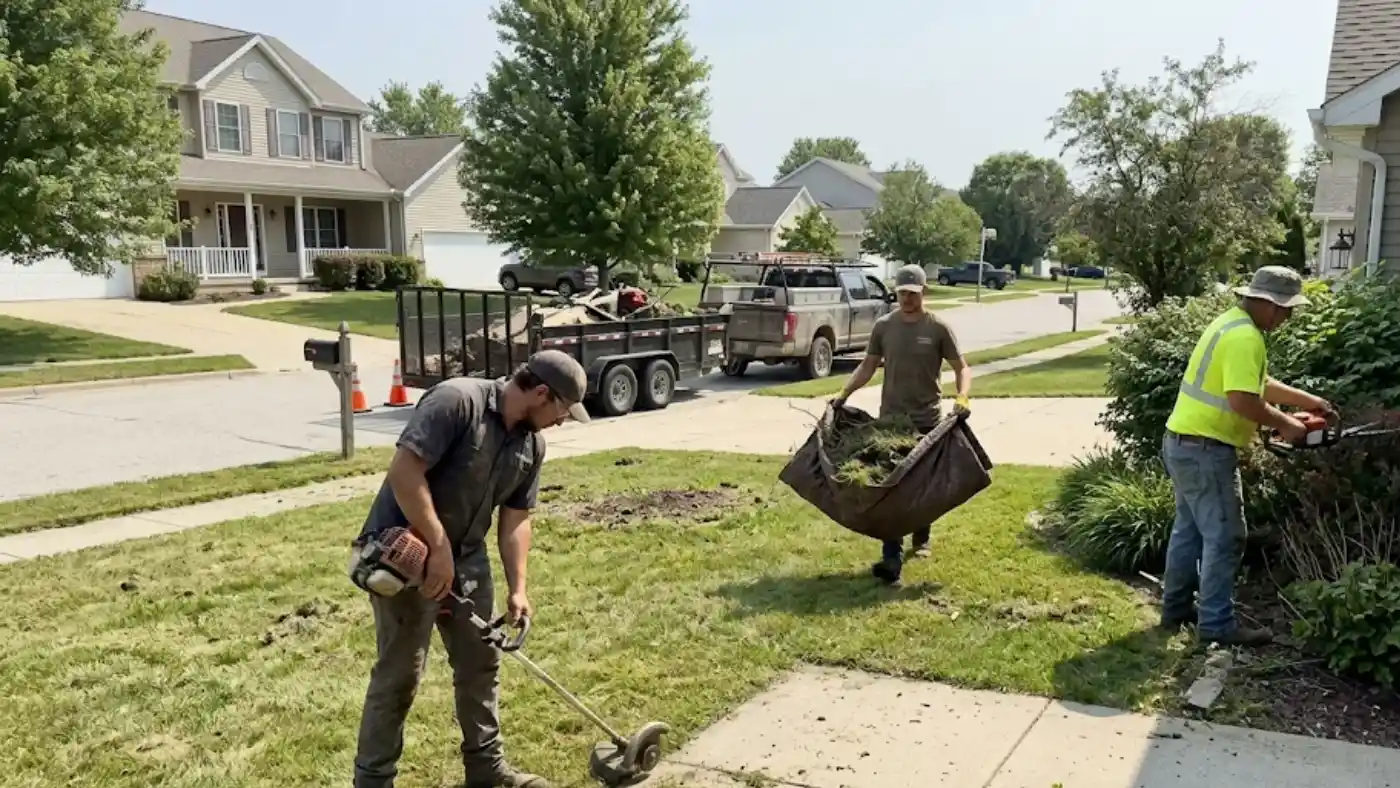
Landscaping prices depend on what you’re installing, the condition of the property, and how much time and equipment your crew needs to get the job done. Sod installation, seasonal cleanup, and irrigation each need their own estimate, even on the same property.
This guide breaks down prices for common landscaping services and shows you how to build a quote that covers labor, materials, equipment, overhead, and profit. You’ll also find tips for explaining your prices and giving customers options that fit their budget.
Quick answer: How do you price landscaping jobs?
To price a landscaping job, add up your labor, materials, equipment, disposal, and overhead costs, then divide the total by (1 − your target profit margin). For example, $5,800 in costs with a 20% margin gives a $7,250 quote ($5,800 ÷ 0.80).
Here’s the process:
- Define the scope. Measure the site and list quantities, products, cleanup, and exclusions.
- Total your costs. Multiply labor hours by your cost per hour, then add materials, equipment, disposal, and your share of overhead.
- Set a target margin. Margin is the share of the selling price you keep as profit. A 25% markup is a 20% margin, so don’t swap the two.
- Calculate the price. Use price = total costs ÷ (1 − target margin).
- Check it against your market. Housecall Pro customer data shows landscaping service prices from $55–$275 for bush and shrub trimming to $1,199–$5,858 for sod installation on lawns of 3,000–10,000 square feet. Use ranges like these to sanity-check your quote, not to set it.
The tables below break down Housecall Pro customer pricing by service and region. The steps in “How to price a landscaping job” walk through each calculation with sample numbers.
Table of contents
- Landscaping price list: Average prices in 2026
- How we sourced landscaping pricing data
- Landscaping prices by service
- Landscaping prices by region
- Landscaping prices per square foot
- Landscaping hourly rates
- Landscape design costs
- Factors that affect landscaping prices
- How to price a landscaping job
- Landscaping maintenance prices: Per visit or monthly
- How to explain your landscaping prices to customers
- How Housecall Pro helps you price and manage landscaping jobs
Landscaping price list: Average prices in 2026
These national ranges can help you check your prices for similar work. They reflect individual services recorded by Housecall Pro customers, so they may not include every charge on a full project’s final bill.
| Service | Average price range |
| Artificial turf installation | $10–$25 per sq ft |
| Bush and shrub trimming | $55-$275 |
| Fall cleanup and debris removal | $140-$570 |
| Spring cleanup and general landscape maintenance | $225-$775 |
| Mulch supply and installation | $250-$1,160 |
| Sod installation — lawn under 1,000 sq. ft. | $350-$2,700 |
| Sod installation — lawn 1,000–3,000 sq. ft. | $922-$4,532 |
| Sod installation — lawn 3,000–10,000 sq. ft. | $1,199-$5,858 |
| Downspout / French drain installation | $400-$2,490 |
| Landscape plants and shrubs supply and installation | $420-$2,387 |
| Landscape lighting fixture and component installation | $506-$3,074 |
| Pavers and edging supply and installation | $515-$2,508 |
| Decorative river rock supply and installation | $525-$2,480 |
| Gravel and hardscape feature installation | $647-$3,000 |
| Pavers and concrete pad supply and installation | $1,438-$5,094 |
| New sprinkler and irrigation system installation | $1,800-$5,100 |
Only the sod categories specify lawn size. For other services, the amount of material, number of plants or fixtures, and irrigation zones can vary from one entry to the next. Treat these as prices for individual services, rather than rates per hour, square foot, plant, or cubic yard.
How we sourced landscaping pricing data
The pricing ranges in this guide come from 90,123 reported landscaping service entries across 15 categories from Housecall Pro customers over a 12-month period, ending October 2026. We group similar services, filter out unusually high and low prices, and give more weight to recent data when calculating national benchmarks. For broader market context, we also referenced 2026 data from LawnStarter and HomeGuide.
Ranges may not include every charge on the final bill. Your actual pricing will vary based on:
- Local labor rates and material costs
- Job size, services, and design complexity
- Site preparation, slope, soil, and access
- Equipment, delivery, and disposal needs
- Business overhead and crew size
How to use these prices:
- As a read on customer expectations. Homeowners may use online cost guides to judge whether a quote fits their budget.
- Not as your starting costs. Calculate labor, materials, equipment, and overhead, then build in your target profit before comparing prices.
- With room for gaps. Your staffing, insurance, equipment, and service commitments may justify a higher price.
- Adjusted for your local market. Use current supplier quotes and prices for comparable local services to put national figures in context.
Landscaping prices by service
Use the prices below to compare similar work, then adjust your quote for the materials, site conditions, and crew time the job requires.
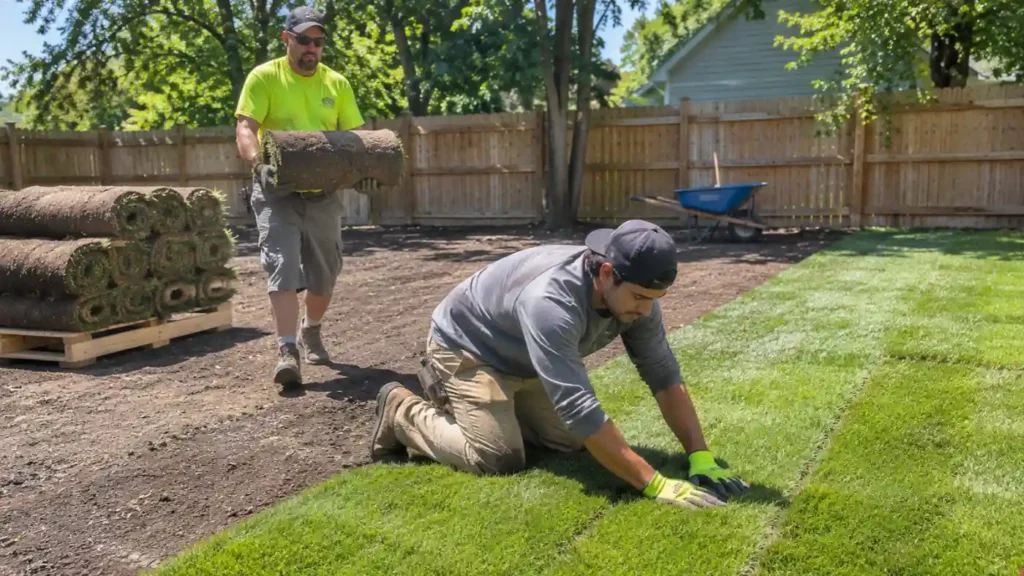
Price to install sod
Housecall Pro customer data shows sod installation prices of:
- $350–$2,700 for lawns under 1,000 square feet
- $922–$4,532 for lawns from 1,000–3,000 square feet
- $1,199–$5,858 for lawns from 3,000–10,000 square feet
Start by measuring the area you’ll cover and checking the existing ground. Laying sod on a prepared site is a different job from removing an old lawn, bringing in soil, and correcting the grade.
Spell out the grass variety, area covered, delivery, ground preparation, and disposal included in your price.
Pro tip: Photograph the site and describe any preparation separately. That gives you a clear reference if the customer compares your quote with one that only covers laying sod.
Price to install artificial turf
Artificial turf installation typically runs $10–$25 per square foot, including labor and materials, according to HomeGuide. The turf you choose and how much prep work the yard needs will affect your price.
Before you quote the job, check:
- Base preparation: Allow for the time and materials to remove existing grass, excavate, grade, and compact the base.
- Drainage: Account for uneven ground or drainage work needed to prevent pooling.
- Infill: Name the materials you’ll use between the turf blades, including any odor-control option for pet areas.
- Intended use: A dog run or children’s play area may need different turf, drainage, or added cushioning.
Pro tip: Ask how the customer plans to use the space before choosing materials. Show what’s included in your quote, and list any optional upgrades with their prices.
Mulch installation cost
Mulch supply and installation ranges from $250–$1,160 in Housecall Pro customer data. The amount of mulch and preparation included can vary, so check your quantities before comparing prices.
To calculate your rate, measure the beds and calculate material quantity from the application depth. For a simple volume estimate:
Cubic yards = square feet × depth in inches ÷ 324
For example, a 324-square-foot bed with a 3-inch application requires 3 cubic yards: 324 × 3 ÷ 324 = 3.
Add the time and cost of delivery, moving mulch to the beds, spreading it, and cleaning up. List weeding, edging, and old mulch removal separately if you’re including them.
Pro tip: Put the mulch type and application depth in the quote. “Mulch the front beds” doesn’t tell the customer how much material you’re supplying.
Paver installation prices
Paver pricing in Housecall Pro customer data ranges from $515–$2,508 for supply and installation with edging, and $1,438–$5,094 for supply and installation with a concrete pad.
For your quote, specify the installed area, product, pattern, border, and preparation. Include excavation, base materials, cutting, hauling, and restoration where required by the design.
Pro tip: Price decorative borders and complex cuts as choices in the proposal. That makes their cost clear before the customer approves the layout.
Decorative rock and gravel installation cost
Decorative river rock supply and installation ranges from $525–$2,480. Gravel and hardscape feature installation ranges from $647–$3,000.
Measure the area and planned depth, then use your supplier’s coverage information to work out how many tons or cubic yards to order.
List the type of stone or gravel and the preparation, edging, delivery, and installation included. Check where the truck can unload and how your crew will get the material to the work area.
Pro tip: If equipment won’t fit through a side gate, your crew may need to move material by wheelbarrow or carry it by hand. Include that extra time in your estimate.
Retaining wall cost
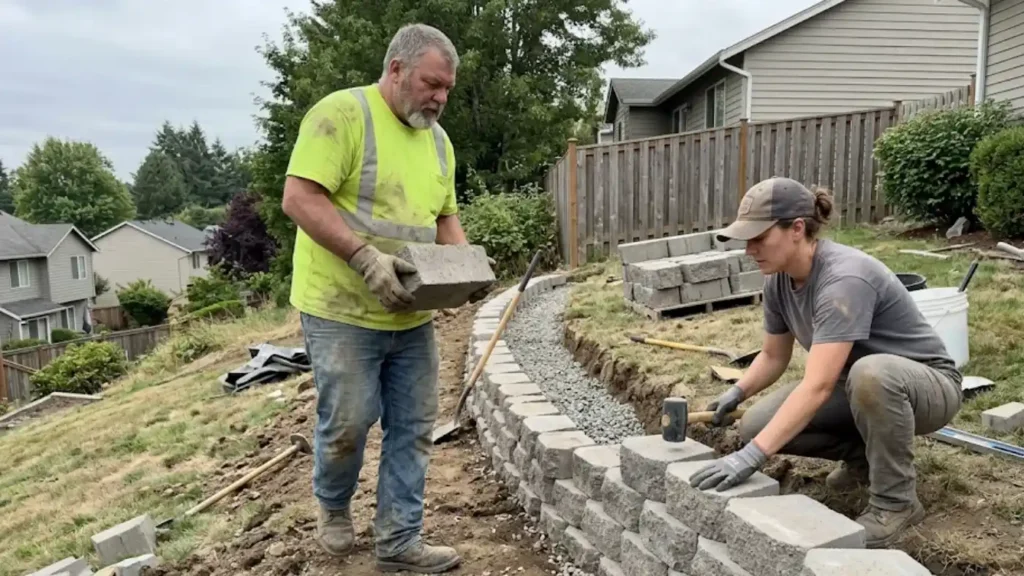
Retaining wall installation prices typically run $35–$65 per square foot of wall face, including labor and materials, according to HomeGuide. Calculate the wall face by multiplying its length by its height. Use that measurement to price the job.
Before you quote the job, check:
- Wall height: Taller walls can require more excavation, reinforcement, and engineering.
- Material: Block, natural stone, and timber each come with different costs for materials and labor.
- Drainage: Account for the materials and labor needed to drain water and backfill behind the wall.
- Permits and engineering: Check local requirements before setting your price, and make clear whether your quote includes those fees.
Cost to install a lawn irrigation system
New sprinkler and irrigation system installation ranges from $1,800–$5,100 in Housecall Pro customer data.
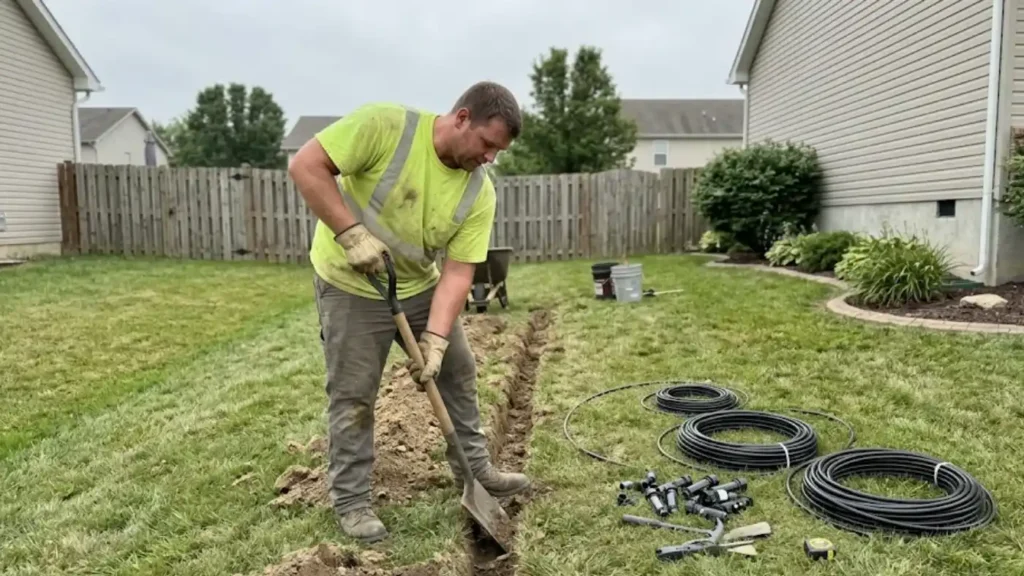
Before quoting a new system, map out the areas it will water and the zones it needs. Include the components, controller, connections, testing, and any lawn or bed repairs after installation.
Compare new installations with other new installations when checking prices. Repairs, replacement heads, and seasonal startup involve different work. If the customer wants both lawn sprinklers and drip irrigation for beds, show what each portion includes.
Landscape plant, shrub, and lighting installation cost
Landscape plant and shrub supply and installation ranges from $420–$2,387. Landscape lighting fixture and component installation ranges from $506–$3,074. These prices cover service entries, not individual plants or fixtures.
List plant quantities, sizes, and varieties when quoting. A quote for 12 three-gallon shrubs gives the customer a clear way to compare your bid with another.
For lighting, list the number and type of fixtures, controls, installation work, and any work you’ll hire a specialist to handle.
Pro tip: Get approval for changed plant sizes or fixtures. A substitute can affect both purchasing costs and installation time.
Seasonal cleanup and shrub trimming cost
Housecall Pro customer data shows these ranges:
- Spring cleanup and general landscape maintenance: $225–$775
- Fall cleanup and debris removal: $140–$570
- Bush and shrub trimming: $55–$275
Define the areas included and record their condition during the visit. For cleanup, specify whether you’re removing leaves, weeding, edging, pruning, and hauling debris away. For example, a spring cleanup line item could list leaf removal from the front and back beds, walkway edging, and hauling away one truck load of debris.
For shrub trimming, note how many shrubs you’ll trim, their size, and how much cutting they need. Bringing overgrown shrubs back under control can take much more time than routine trimming.
Downspout and French drain installation cost
Downspout and French drain installation ranges from $400–$2,490 per service entry. Our pricing data groups both services, so it doesn’t establish a price specifically for French drains or a rate per linear foot.
In your quote, describe the drain route, where the water will discharge, and the digging and cleanup included. If you need to investigate the site further or bring in a drainage specialist, account for that before agreeing to a fixed price.
Pro tip: Explain the problem the work is intended to address. Instead of simply writing “install drain,” describe where it will go and how it’s intended to help with the water problem.
Landscaping prices by region
Regional prices can help you compare similar work closer to your market. The table covers mulch supply and installation, plus new sprinkler and irrigation installations, as an illustration of how prices can shift across regions.
| Region | Mulch | New irrigation system |
| Northeast | $250-$1,020 | $1150-$3,700 |
| Upper Midwest | $200-$1,100 | $2490-$5,000 |
| Southeast | $274-$1,120 | $1800-$5,000 |
| South | $191-$1,000 | $1128-$4,500 |
| Southwest | $560-$2,100 | $2274-$6,556 |
| Northwest | $360-$1,669 | $1800-$7,000 |
| West | $285-$1,508 | $1846-$5,400 |
Mulch prices in this dataset are higher at both ends of the range in the Southwest than in the Northeast. That could reflect different job sizes, materials, or site conditions, as well as local costs. Check these figures alongside current supplier quotes and your own crew costs.
Landscaping prices per square foot
Professional landscaping typically costs $4.50–$14.50 per square foot, according to LawnStarter. Simple planting projects tend toward the lower end, while more involved installations can cost more. Apply the range to the area being landscaped, not the entire yard.
Use this as a comparison point, then calculate your quote from the actual work and costs. To express your quote per square foot, divide the installation price by its measured area.
For example, if your quote for a 300-square-foot patio is $4,500:
$4,500 ÷ 300 = $15 per square foot
That’s a sample calculation, not a market average. If the project includes a patio, planting, and sod, price each part separately so the customer can see what’s included.
Landscaping hourly rates
Landscaping hourly rates range from $50–$100 for a two-person crew, according to HomeGuide. That’s what customers pay, not the cost of paying your crew or running your business.
To set your own rate, start with what each worker costs your business, add equipment and overhead, then build in profit. Make clear whether your quote covers one worker or the entire crew and whether materials are charged separately.
Hourly pricing can work well for cleanups, small repairs, and jobs where the amount of work is hard to judge upfront. Give the customer an estimated number of hours and agree on when you’ll check in before continuing.
Landscape design costs
Landscape design usually costs $2,200–$6,180 per project, according to LawnStarter. That covers design services; materials and installation cost extra. Your fee depends on property size, project complexity, and whether the plans are 2D or 3D.
Choose a pricing model that fits the work:
| Pricing model | How to quote it |
| Flat fee | Set one price for an agreed scope of work |
| Hourly | Set an hourly rate and estimate the time needed |
| Percentage of the project | Charge a set percentage of the agreed project budget (often 15%–20%) |
- Flat fee: Spell out which drawings, plant selections, site visits, and revisions are included. Say how many revision rounds the price covers and what extra rounds cost.
- Hourly: Explain which tasks you’ll bill for. Give the customer an estimated total and a not-to-exceed amount in the contract.
- Percentage: Define which costs the percentage applies to (materials, installation, or both) and whether it includes overseeing installation.
You may charge a separate fee for the first visit or consultation. Tell the customer upfront whether you charge for it and whether you’ll credit it toward the job if they hire you. Some companies include design in the installation price. If you do, say so on the quote so customers can compare it with design-only bids.
Factors that affect landscaping prices
Check these items before sending a quote:
- Labor: Estimate the crew and time required, including your own working hours.
- Materials: Confirm the selected products, quantities, delivery charges, and availability.
- Access: Include extra handling when trucks or equipment can’t reach the work area.
- Site conditions: Account for preparation, slope, soil, removal, and restoration.
- Equipment and disposal: Include rentals or operating costs, transport, hauling, and dump fees.
- Schedule: Check crew availability, allow for weather delays, and account for any rush work.
- Design and approvals: Include specialist work and clarify who handles permits, approvals, and fees.
- Overhead: Include a consistent share of expenses such as insurance, office costs, and software.
Commercial customers may also need a set visit schedule, service reports, work outside business hours, or more time to pay. Include the time and cost of meeting those requirements when comparing a commercial proposal with residential work.
How to price a landscaping job
Follow these steps to calculate your own landscaping prices. For help putting the proposal together, see our guide to bidding landscaping jobs.
Step 1: Walk the site and define the scope
Your scope is the work you’re agreeing to do. Measure the area, take photos, and record access and existing conditions. Write down what you’re removing, installing, protecting, and restoring. If photos end up scattered across phones, Housecall Pro’s jobsite photo app keeps them with the job.
Include quantities, products, cleanup, and exclusions. Ask where deliveries can be placed and what the customer needs to move or complete before the crew arrives.
Explain how you’ll handle anything you can’t confirm during the visit. For example, if you uncover buried concrete, you may need the customer to approve a separate removal price.
Step 2: Pick a pricing model
Choose a model that suits how clearly you can define the work:
- Hourly: A good fit when you can’t predict the time needed, such as an overgrown cleanup.
- Per square foot: Works for a clearly defined installation. Include any extra site preparation in your calculation.
- Fixed price: Gives the customer one total for the agreed work. You cover extra costs if you underestimate that work.
- Cost-plus: You bill the agreed job costs plus a fee or markup. Keep clear records and agree on how the customer will approve expenses.
You can still use estimated labor hours to build a fixed-price quote. You’ll use those hours to calculate your costs, then give the customer one price for the work.
Read more: Flat rate vs. hourly pricing
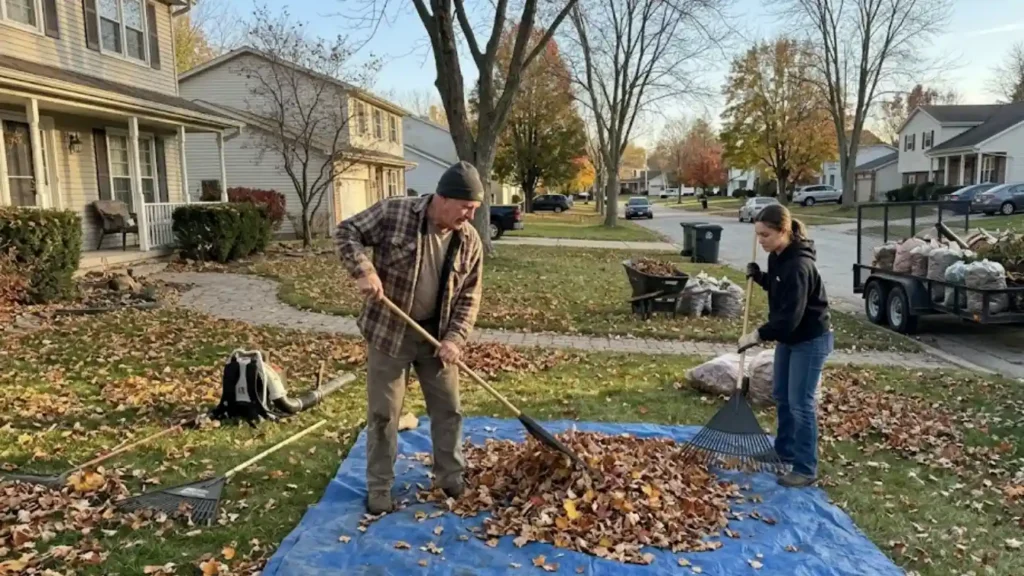
Step 3: Estimate labor
Estimate each stage, including loading, travel, preparation, installation, and cleanup. Multiply crew time by the number of people to calculate total labor hours.
Two workers on a 10-hour job produce 20 labor hours. At a sample cost to your business of $30 per labor hour, the labor cost is $600.
Include wages and employer-paid costs, such as payroll taxes, that you count as labor expenses. Include pay for your own time on the job before calculating profit.
Step 4: Price materials and purchasing time
Use current supplier quotes and quantities based on the actual layout. Include delivery, handling, and a waste allowance (extra pavers for cuts, extra sod for trimmed edges).
Account for time spent sourcing, ordering, and collecting materials. For example, $800 in materials plus $100 in purchasing and delivery costs brings your cost to $900. An illustrative 25% markup would produce a $1,125 selling price for that portion.
If you price materials this way, include that markup when checking the job’s overall profit. Don’t add the same overhead or profit allowance twice.
Tell the customer how long the quote is valid based on your supplier’s prices. If they approve it after that date, confirm material costs before agreeing to the original price.
Step 5: Add equipment, disposal, and overhead
Include expenses tied to the job, such as rentals, equipment operation, hauling, and disposal.
Spread your ongoing business expenses across jobs using the same method each time. For example, $6,000 in monthly overhead divided by 300 billable labor hours equals $20 per labor hour.
You’d include $400 of overhead on a 20-labor-hour job using that method. Use realistic billable hours and check that those expenses aren’t already included elsewhere.
Step 6: Build in profit
Choose the profit you need after covering estimated costs. Profit margin is that profit expressed as a percentage of the selling price.
Markup is the percentage you add to your costs; margin is the share of your selling price left as profit. A 25% markup on $4,000 in costs produces a $5,000 selling price and $1,000 profit. That profit is 20% of the selling price
To target a margin, use:
Price = total estimated costs ÷ (1 − target margin)
For $4,000 in costs and a 25% target margin, the price is $4,000 ÷ 0.75 = $5,333.33, rounded to the nearest cent.
Step 7: Set a minimum and review the quote
Small jobs still require scheduling, loading, travel, and setup. Build your minimum charge from the costs of taking on that work.
For example, a sample small job with $140 in estimated costs needs a $175 price to leave a 20% margin: $140 ÷ 0.80 = $175.
Before sending the quote, review quantities, calculations, exclusions, payment terms, and expected profit. Compare it with similar jobs you’ve completed and take a closer look if the costs are much higher or lower.
Example: Pricing a backyard patio and planting bed
This sample quote covers a 300-square-foot paver patio and a 150-square-foot planting bed. It assumes your crew and equipment can easily reach the work area, with no major demolition, retaining wall, or irrigation installation.
The 60 labor hours include loading, travel, preparation, installation, and cleanup. These costs are hypothetical; use your own supplier prices and crew costs when quoting a job.
| Cost item | Calculation | Estimated cost |
| Labor | 60 labor hours × $30 cost per hour | $1,800 |
| Materials | Pavers, plants, prep materials, delivery, and waste | $2,300 |
| Equipment | Rental and operating allowance | $300 |
| Disposal | Hauling and disposal | $200 |
| Share of overhead | 60 labor hours × $20 | $1,200 |
| Total estimated costs | Sum of costs above | $5,800 |
| Planned profit | $7,250 − $5,800 | $1,450 |
| Customer quote before applicable tax | $5,800 ÷ 0.80 | $7,250 |
The planned profit is 20% of the selling price. Actual profit depends on the final costs.
If the crew needs six additional labor hours at the sample $30 cost per hour, labor costs increase by $180. With the selling price and all other costs unchanged, profit falls from $1,450 to $1,270.
Before quoting a similar job, find out where those extra hours went. Did the original work take longer than expected, or did the customer approve something extra? Use what you learn to adjust your next estimate.
Once your prices hold up, save them in your Housecall Pro Price Book so you don’t have to redo the math every time and every tech can quote the same price.
Read more: How to calculate job costing
Get In Touch: 858-842-5746
Let us earn your trust
On average, Pros increase monthly revenue generated through Housecall Pro by more than 35% after their first year.
See plan options and feature breakdown on our pricing page.
Landscaping maintenance prices: Per visit or monthly
Recurring maintenance needs a defined schedule and service list. Start with the work you’ll do and how often you’ll visit. List whether the plan covers mowing, trimming, bed care, seasonal cleanup, or other services, then calculate the price for those visits.
For help pricing mowing and lawn care, see our lawn mowing pricing guide.
How to price a monthly landscaping maintenance plan
For a sample plan at $100 per visit with four included visits, the monthly price is $400. State what happens when a month needs a fifth visit and which extra services require separate approval.
For a seasonal or annual agreement, estimate the scheduled work and total costs across the full contract. If the customer pays the same amount each month, explain which visits and seasonal tasks those payments cover.
If you promise weekly service, count the visits on the calendar. Some months will need five visits, so pricing every month for four could leave you short. Housecall Pro’s recurring service plans can set up the repeat visits for you.
Read more: How to price and scale a recurring lawn care route
How to explain your landscaping prices to customers
Help customers see what they’re getting for the price. Show the area, quantities, materials, preparation, installation, and cleanup included in each option.
If the quote is over their budget, offer to reduce the area, use a different material, or split the project into phases. Show what changes with each option so the customer can decide where to save.
You could say:
“This quote includes excavation, base preparation, pavers, installation, and cleanup. To lower the total, we can reduce the patio size or compare another paver. I’ll show you the revised scope and price before you decide.”
Put the deposit and payment due dates in the agreement, following local requirements. If the customer asks for extra work, write down the added price and any changes to the schedule, then get approval before starting.
How Housecall Pro helps you price and manage landscaping jobs
Putting together a landscaping quote takes time, especially when you’re pricing several services or giving the customer a few options. Housecall Pro’s landscaping software helps you build the estimate, keep track of approved work, and check what the job actually cost once it’s done.
- Keep service pricing organized. Update services and materials in your Price Book so your team can add them to estimates without typing them up each time.
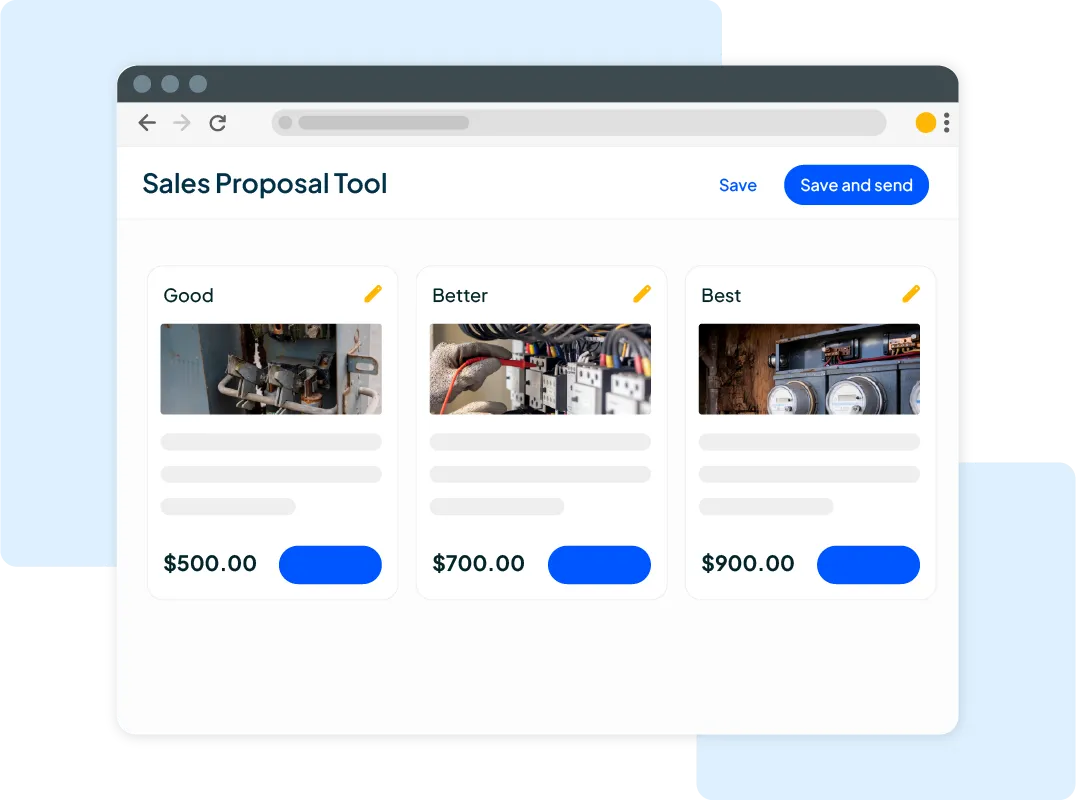
- Give customers clear choices. Use multi-option estimates to present different scopes and prices.
- Find out whether the job made money. Use Job Costing to compare revenue with recorded labor, materials, and other job costs.
- Keep the job moving. Manage crew scheduling, invoices, and customer payments in one place.
Try it with your next quote. Start your free 14-day Housecall Pro trial to build estimates, send customers options, and track job costs.
Landscaping prices FAQ
How much should I charge per hour for landscaping?
Set your hourly rate to cover labor, equipment, overhead, and profit. For example, $50 per worker-hour in labor and overhead requires a $62.50 rate to leave a 20% margin, before separately priced materials and equipment. Make clear whether your rate covers one worker or a crew.
How much does landscaping cost per square foot?
Divide the price for a specific service by its installation area. For example, a $4,500 patio quote covering 300 square feet equals $15 per square foot. That’s a sample calculation, not a national average. If a project includes a patio, planting, and sod, divide each part’s price by its own area.
How much does sod installation cost?
Housecall Pro customer data shows sod installation at $350-$2,700 for lawns under 1,000 square feet, $922-$4,532 for lawns of 1,000–3,000 square feet, and $1,199-$5,858 for lawns of 3,000–10,000 square feet, per service entry. Check whether removal, soil preparation, grading, and delivery are included.
How much does mulch installation cost?
Mulch supply and installation ranges from $250-$1,160 per service entry. Material quantities and bed sizes vary, so this isn’t a per-cubic-yard rate. To estimate material, use cubic yards = square feet × depth in inches ÷ 324.
How much does a new sprinkler system cost?
New sprinkler and irrigation installation ranges from $1,800-$5,100 per service entry. Lawn size and zone count vary. Repairs and seasonal startup are separate services.
How much should I charge for landscape design?
Base your design fee on the time and work included. For example, a flat fee could cover a site visit, planting plan, plant list, and two revision rounds, with installation quoted separately. Explain whether consultation fees are separate or credited toward the job.
How do I estimate a retaining wall installation?
Start with the wall’s dimensions, then price materials, excavation, drainage, labor, and equipment. A wall 30 feet long and 3 feet high has 90 square feet of wall face. Include any required engineering or approvals in your estimate.
Should I charge hourly or a flat rate for landscaping?
Use hourly pricing when the work is hard to predict, such as clearing an overgrown yard. A flat rate can work well for a measured installation with specified materials and preparation. Explain how you’ll price and approve additional work.