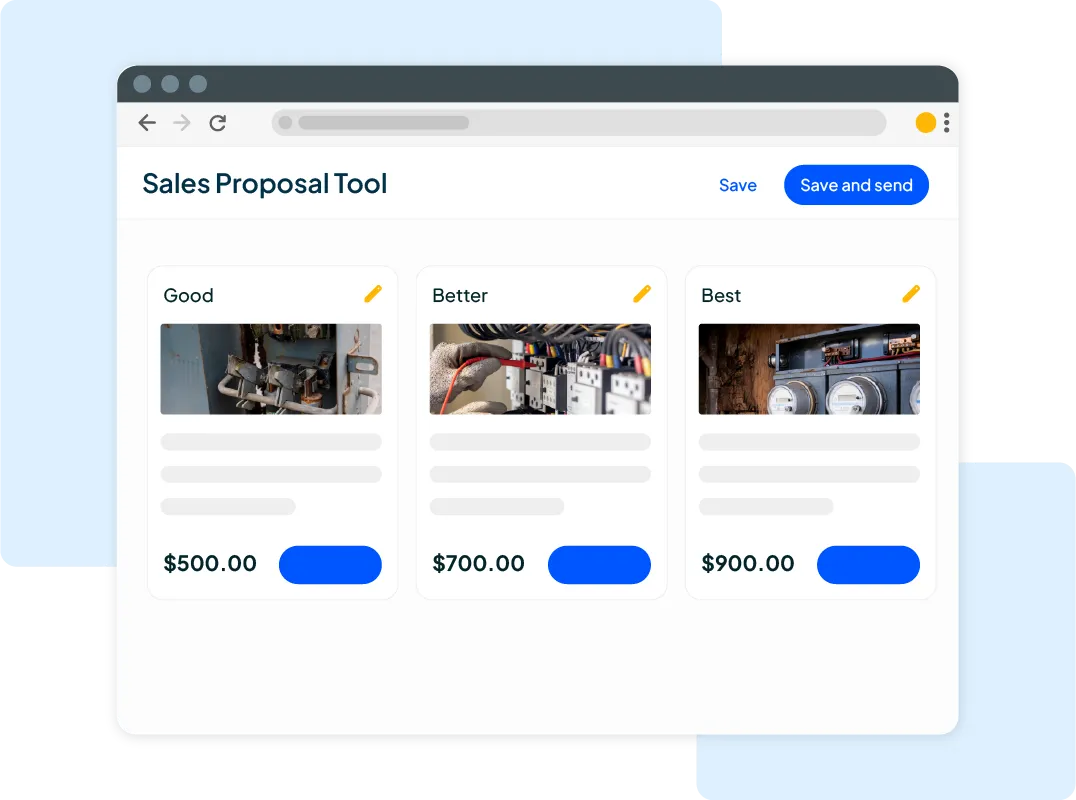
Want to win more jobs with less effort?
Grow your business and send quick quotes with our home service software.

Want to see your potential revenue?
See what businesses like yours earn with Housecall Pro in 1 - 2 minutes.
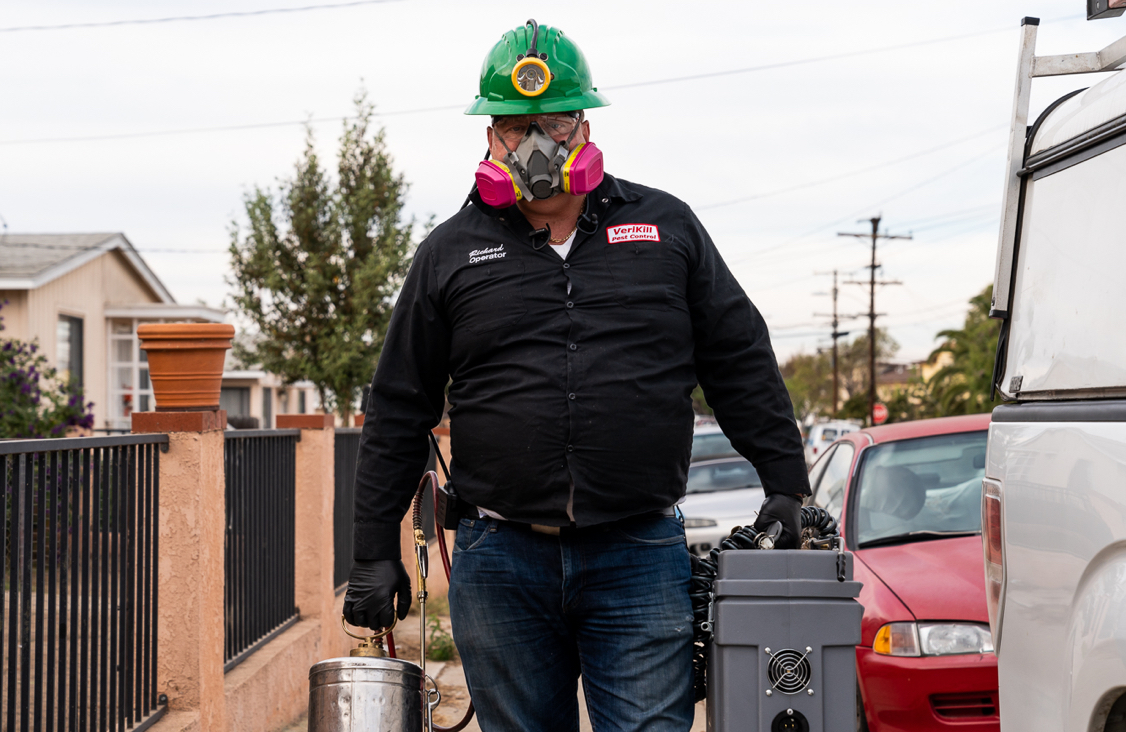
Starting a pest control business can be a smart move if you want steady demand, recurring revenue, and room to grow. From seasonal mosquito treatments to year-round termite prevention, homeowners and businesses consistently need reliable pest control services—and they’re willing to pay for companies they trust.
But success takes more than buying sprayers and booking jobs. You’ll need the right licenses, insurance, pricing strategy, and marketing plan to build a business that’s profitable long term. The good news? With the right preparation, you can start small, build a loyal customer base, and scale at your own pace.
This guide walks through everything you need to know about how to start a pest control business, including licensing requirements, startup costs, pricing, equipment, marketing, and growth strategies.
Quick answer: How do you start a pest control business?
To start a pest control business, you typically need to get licensed, register your business, purchase insurance and equipment, set your pricing, and market your services to local customers. Most states require pest control operators to meet certification and training requirements before legally offering services.
Startup costs for a pest control business can range anywhere from $10,000 to $50,000, depending on your equipment, vehicle, insurance, and staffing needs. Many successful pest control companies grow through recurring maintenance plans, repeat customers, and local referrals.
If you already work as a pest control technician, you may already have valuable field experience and industry knowledge, but you may still need additional operator licensing or business registration to run your own company legally.
Key takeaways
As you launch your business, keep these priorities in focus:
Field experience can speed up your launch: Former pest control technicians often already understand inspections, treatments, and customer expectations.
Recurring service plans drive stable revenue: Long-term maintenance customers create more predictable cash flow than one-time jobs.
Your reputation directly impacts growth: Reviews, referrals, and response times can make a major difference in competitive local markets.
Profitable pricing matters early: Your rates should account for labor, chemicals, fuel, insurance, marketing, and business growth, not just competitor pricing.
Table of contents
- Step 1: Get your pest control license
- Step 2: Create a pest control business plan
- Step 3: Create a budget for your pest control business
- Step 4: Legally register your pest control business
- Step 5: Get pest control business insurance and bonding
- Step 6: Buy pest control tools and equipment
- Step 7: Price your pest control services
- Step 8: Market your pest control business
- Step 9: Grow your pest control business
- Run your pest control business on one platform from day one
Step 1: Get your pest control license
Pest control is a highly regulated trade because it involves handling chemicals that impact public health and the environment. Licensing happens at the state level, and many states require a pest control operator license before you can legally offer services under your own business.
If you’ve already worked in pest control, you may already hold a technician license or have hands-on field experience. But running your own company often comes with additional licensing, registration, and certification requirements depending on your state.
Understand federal oversight
The Environmental Protection Agency (EPA) regulates pesticide use under the Federal Insecticide, Fungicide, and Rodenticide Act (FIFRA). Under this law, pesticides are categorized into two groups:
- General use pesticides: These are available to the public with fewer restrictions.
- Restricted use pesticides (RUPs): These require special training and certification because they carry a higher risk.
If you plan to use RUPs, you must be certified through your state.
Complete your training
Most states require a mix of formal education and hands-on experience. Your path to licensing may include:
- Attending trade school programs focused on pest management.
- Completing an apprenticeship under a licensed operator.
- Accumulating a specific number of on-the-job training hours, which varies by state.
Search online for “pest control certification near me” to find state-approved programs, and always confirm the certifications are valid in the specific state or region where you’ll work.
Pass the licensing exam
To earn your license, you’ll typically need to complete state-approved training and pass a written exam. These exams generally cover:
- Pesticide safety and application methods
- Environmental protection and pest biology
- State and federal laws
Maintain your certification
Licensing is an ongoing commitment. Most states require renewal every one to five years. During each renewal cycle, you’ll likely need to earn continuing education units (CEUs) to stay current on new products and safety practices.
Step 2: Create a pest control business plan
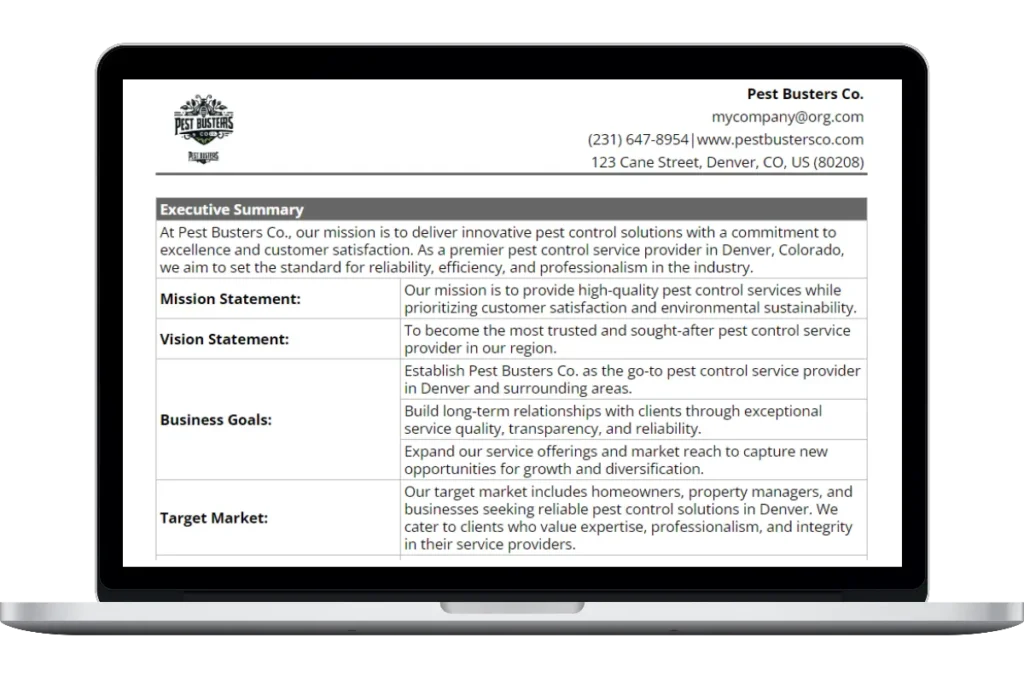
A business plan acts as your roadmap, outlining your services, target audience, and financial goals. You’ll need this document to apply for funding, attract investors, or secure a small business loan. Even if you’re self-funding, a written plan helps you set goals and stay focused as you grow.
Free download: Pest control business plan template
Research your market and competitors
With more than 33,000 pest control businesses in the U.S., competition is real. Before you launch, study your local market by searching Google Maps, Yelp, and local directories within a 20-mile radius.
Pay close attention to these competitor details:
- Services offered and service areas.
- Pricing, promotions, and response times.
- Online reviews and common customer complaints.
Look for gaps where needs aren’t being met. For example, if competitors focus on residential homes but ignore commercial clients, or if no one offers eco-friendly treatments, you have an opportunity to stand out.
Create a pest control services list
Your service list should reflect local demand and your specific training. Use your market research to identify the most common pest issues in your area, like seasonal rodent spikes or termite prevalence in older neighborhoods.
Common pest control service categories include:
- Core services: General pest control, rodent prevention, termite inspections, mosquito control
- Niche expertise: Bed bug treatments, wildlife removal, eco-friendly treatments
- Commercial services: Pest management for restaurants, offices, and retail spaces
- Preventive maintenance: Recurring service plans and seasonal protection
Set SMART goals
A business plan isn’t complete without goals. Establish short- and long-term targets that are specific, measurable, achievable, relevant, and time-based (SMART).
- Short-term goals might include signing your first 25 customers, reaching a monthly revenue target, or securing three recurring service contracts.
- Long-term goals might include hiring your first technician, expanding into a new service area, or reaching six-figure annual revenue.
Break your larger goals into milestones so you can track progress monthly or quarterly.
Pro tip: If estimating revenue feels like guesswork early on, tools like Housecall Pro let you track service costs, customer data, and recurring contracts in one place—so your projections are based on real numbers, not assumptions.
Step 3: Create a budget for your pest control business
A clear budget outlines how much cash you need to launch and how long you can operate before you start generating steady revenue.
List rough estimates for every expected expense, separating one-time startup costs from monthly ongoing costs. Running short on cash early on can stall your growth, so build in a small cushion for surprises.
How much does it cost to start a pest control company?
Most new operators spend $10,000–$50,000 to get fully equipped, with your vehicle being the biggest variable
Here are common startup expenses and average ranges:
- Licensing and certifications: $75–$300
- Vehicle (used work truck or van): $10,000–$30,000+
- Equipment and supplies: $200–$2,000 for sprayers, foggers, pesticides, traps, foamers, and office supplies
- PPE and safety gear: $200–$500 for respirators, protective suits, and gloves
- Insurance: $500–$2,000 annually, depending on coverage
- Surety bond: $100–$500 (required in most states)
- Business registration/LLC formation: $50–$500 depending on your state
- Marketing and branding: $200–$1,350 for initial launch
- Initial operations: $2,000+ for uniforms, tools, and first aid supplies
- Software (scheduling, invoicing, CRM): $50–$200/month
To reduce your upfront costs, consider starting with only essential tools, leasing a vehicle, and delaying all hiring until your revenue is stable.
Secure your financing
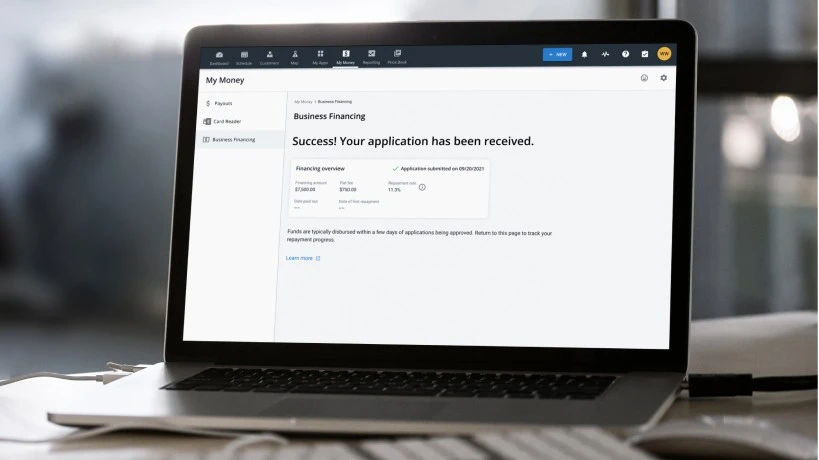
If you aren’t starting small and self-funding, several financing options can help you launch faster and protect your personal savings:
- Small Business Administration (SBA) loans: SBA loans are popular for new service businesses. They often offer lower interest rates and longer repayment terms than traditional bank loans, but approval can take time and requires significant paperwork.
- Government funding: Some state and local programs offer low-interest loans or startup assistance for small businesses. Check your state’s economic development website for programs tied to job creation or local services.
- Business line of credit: Offers flexible access to funds for short-term expenses or seasonal slowdowns. You borrow what you need and pay interest only on what you use.
- Business grants: These don’t require repayment, but they are highly competitive. Look for grants aimed at small businesses, veterans, women-owned businesses, or minority entrepreneurs (as applicable).
Before securing a loan, open a dedicated bank account for your pest control company. This will help you manage expenses, calculate your profit margin, and help you access loans, credit lines, and other financing options more conveniently. It will also make filing taxes easier and keep your books balanced and separate from your personal assets.
Step 4: Legally register your pest control business
Before you take on clients, your business needs to be legally set up. This step protects you personally and builds immediate trust with customers. It also makes your operation official in the eyes of the state and the IRS.
Pick a business name
Your pest control business name should be memorable and professional. Before finalizing it, check your state’s business registry, search for available domain names and social media handles, and verify that the name isn’t already trademarked.
Avoid names that limit your future growth. For example, a name focused only on “Termite Control” may feel confusing if you later expand into wildlife removal or commercial work. Note that some states also restrict certain words in licensed trades, such as “certified” or “licensed,” unless you meet specific qualifications.
Choose a business structure
Your business structure affects taxes and personal liability. Many pest control owners choose an LLC for its flexibility and protection of personal assets, but you have options:
- Sole proprietorship: The easiest and lowest-cost setup, but it offers no separation between personal and business assets.
- Limited liability company (LLC): Separates personal and business liability. Simple structure and popular for service businesses.
- Partnership: Shared ownership where profits and liability are divided between partners.
- Corporation: Offers strong liability protection but requires complex recordkeeping.
Requirements vary by state, so always check local regulations before filing. If you’re unsure, speak with a lawyer or accountant. And, if you’re weighing an LLC vs. a sole proprietorship, take time to compare how each structure handles liability, taxes, and paperwork.
Step 5: Get pest control business insurance and bonding
Handling chemicals, entering client homes, and operating vehicles involve risks. Insurance protects you from potential property damage, injuries, worker accidents, and even legal disputes with clients. Most customers will also expect proof of coverage before hiring you.
Here’s a look at business insurance policies for pest control operators and their typical annual costs:
- General liability insurance: Protects against common accidents (approx. $1,050/year or $88/month).
- Business Owner’s Policy (BOP): Often bundles general liability and property coverage for broader protection (approx. $2,400/year or $200/month).
- Workers’ compensation: Required if you have employees (approx. $2,350/year or $196/month).
- Commercial auto insurance: Necessary for business vehicles (approx. $2,050/year or $171/month).
Some states or contracts also require bonding. Bond amounts usually range from $500 to $50,000, with typical premiums ranging from 1%–6% of the bond value.
Figures are based on small home service businesses (~$200K annual revenue, 1–3 employees) and reflect a blend of internal data from Housecall Pro’s insurance partner, Coverdash, and broader industry benchmarks. Actual premiums vary based on business size, location, and risk profile.
Get In Touch: 858-842-5746
Let us earn your trust
On average, Pros increase monthly revenue generated through Housecall Pro by more than 35% after their first year.
See plan options and feature breakdown on our pricing page.
Step 6: Buy pest control tools and equipment
The right tools make your job safer, faster, and more professional. While you can spend thousands on a full suite of tools, it’s wise to start with what is necessary for your core services and expand as you grow.
Expect to spend anywhere from $3,000 to $10,000+ on tools and equipment, depending on the size of your operation and whether you buy new or used.
Core equipment
Most pest control startups will need these tools to get started:
- Work vehicle: A truck or van equipped to transport chemicals safely.
- Application tools: Backpack sprayers, dusters for insecticidal dust, bait guns, and chemical injection devices.
- Specialized gear: ULV cold foggers, thermal foggers, insect light traps, nets, and rodent bait stations.
- Inspection tools: High-powered LED flashlights and inspection cameras.
- Hand tools: Screwdrivers and pliers, caulking guns, and utility knives.
- Power tools: Drills, battery-powered drivers, and small saws for exclusion work.
Safety and access gear
Safety is the highest priority when handling pesticides. Your kit should also include:
- Personal Protective Equipment (PPE): Masks, gloves, coveralls, and safety goggles.
- Respiratory protection: Respirators and a fully stocked first-aid kit.
- Access tools: Ladders and telescopic poles for reaching high areas
Budget for ongoing maintenance, as sprayers and safety gear wear out with time.
Pro tip: Once you have two or more technicians, tools get harder to track. Housecall Pro lets you assign equipment to specific techs, track maintenance schedules, and manage inventory so you’re not buying duplicate gear or sending someone to a job without what they need
Step 7: Price your pest control services
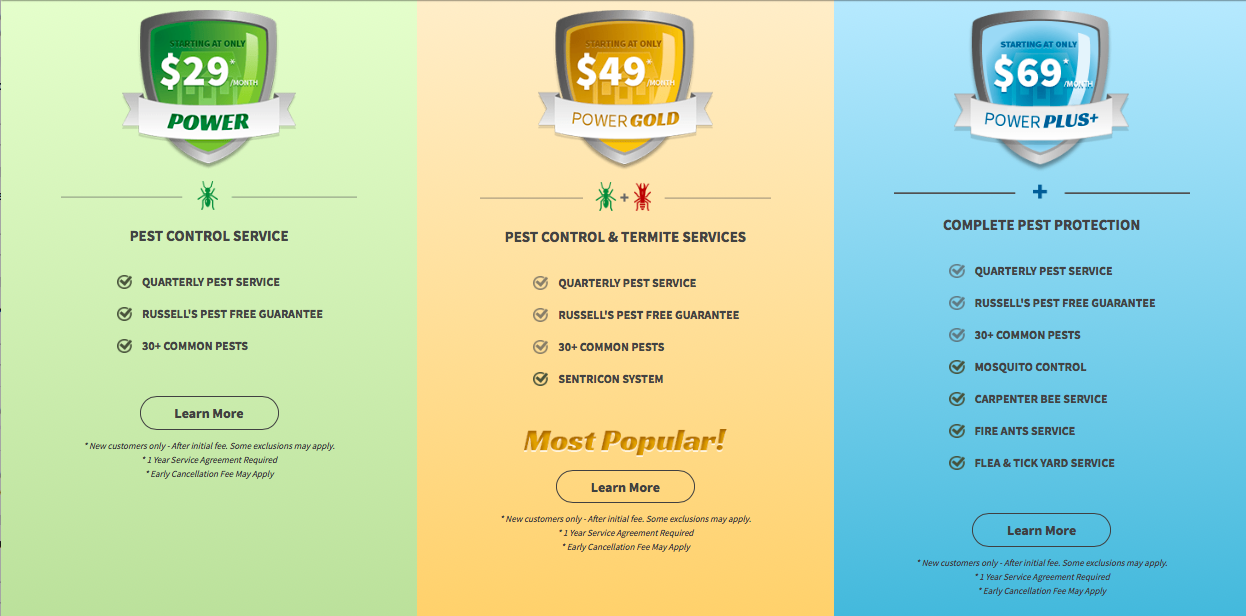
Pricing can make or break your business. Your rates must reflect local market standards while covering your labor, materials, insurance, marketing, and profit. On average, pest control services cost about $171 per visit, but individual jobs can range from $50–$500 depending on the severity of the infestation (per Angi).
Choose a pricing model
There are a few common ways to structure pricing and to develop your Price Book. Each works best in different situations:
- Hourly pricing: Charging based on the time spent on-site. This works well for unpredictable or severe infestations.
- Flat-rate pricing: Charging one set price for a standard service, like a termite treatment. Customers like this because the cost is predictable.
- Hybrid pricing: A base service fee plus add-ons for specific treatments or extra work. For example, a flat inspection fee plus additional charges for severe infestations or follow-up visits. This balances predictability and flexibility.
Set sustainable rates
Your rates must cover more than chemicals and fuel. Here’s how to make sure you’re taking home money at the end of the day:
- Calculate your base costs: Add up your average job time, material costs, vehicle expenses, and overhead. Break this down per service call so you know your minimum break-even price.
- Add your profit margin: Decide how much profit you want per job. This margin funds growth, marketing, and future hiring.
- Research competitor pricing: Check local websites and call for quotes when needed. Compare what’s included in their service, not just the number.
- Adjust based on service type: A quick ant treatment will cost less than a multi-visit rodent removal plan. Price according to time, risk, and complexity.
Create recurring service plans
Recurring service plans help pest control businesses create steadier monthly revenue instead of relying only on one-time jobs.
A simple way to start is by offering one or two maintenance plans, such as:
- Quarterly pest control visits
- Mosquito treatments during peak seasons
- Rodent monitoring and prevention
- Free re-service visits between scheduled appointments
Keep your pricing and options easy to understand. For example, you might offer a basic quarterly plan and a premium plan with additional coverage or faster follow-up visits.
When presenting recurring services to customers, focus on the long-term convenience and value. Instead of only explaining the treatment itself, explain the outcome: fewer surprise infestations, fewer emergency calls, and ongoing protection throughout the year.
Automatic payments and recurring scheduling can also save you time behind the scenes by reducing manual invoicing and follow-up work. With Housecall Pro, you can set up recurring jobs, automate billing, and manage customer memberships from one place.
Read more: How to price pest control jobs
Step 8: Market your pest control business
Because pest control is competitive, you need consistent visibility across both digital and traditional channels.
Brand consistently
Your brand is more than a logo. It’s how people remember you.
Start with a name, color scheme, and logo that reflect your niche. If you specialize in eco-friendly treatments, your visuals should communicate that. If you focus on commercial properties, your branding should feel professional and clean.
Keep your branding consistent across your truck wrap, uniforms, website, business cards, and invoices. When your messaging and visuals are consistent across channels, customers feel more comfortable hiring you.
Build your online presence
Your online presence is often the deciding factor before a customer even calls. Housecall Pro’s 2025 Customer Service Report found that 96% of homeowners say a professional, user-friendly website matters when hiring a pro.
As you get started, be sure to include the following on your main landing page:
- A simple list of services with short explanations and price ranges (if possible)
- Areas you serve
- Contact information
- Easy booking options
Then, set up and verify your Google Business Profile. This helps you appear in local search results when someone types “pest control near me.” Keep your hours, phone number, and service areas up to date.
Finally, create social media profiles on Facebook, Instagram, and LinkedIn. Post regularly—share tips, seasonal reminders, and customer success stories. Add testimonials and before-and-after photos to build credibility.
Use offline marketing strategies
Digital marketing is vital, but offline tactics still drive leads for home service businesses. Here are a few ideas:
- Direct mail: Print flyers and leave them in neighborhoods where you’re already servicing a home, as many pest issues spread from property to property.
- Networking: Build relationships with local businesses. Real estate agents, property managers, and landlords often need reliable pest control partners. Attend community events and chamber of commerce meetings to build relationships.
- Referrals: Don’t overlook word-of-mouth. Ask satisfied customers to refer friends and family. Offer referral incentives if it fits your budget. Early reviews and referrals can fuel your growth in the first year.
Read more: Pest control marketing strategy ideas
How to get your first pest control customers
Your first 10–25 customers are the hardest—you have no reviews, no referral network, and no ad history to optimize against.
Start with your personal network. Tell everyone you know: neighbors, family, former coworkers, local Facebook groups. Offer a discounted first service in exchange for an honest Google review. A handful of early 5-star reviews makes everything that follows easier.
Once you’re on the job, knock on a few nearby doors. Introduce yourself, mention you just treated a house on the street, and leave a card. Proximity is a trust signal that no ad can replicate.
Once you have a handful of customers and a few reviews, the marketing strategies in Step 8 will get more traction.
Step 9: Grow your pest control business
Growth should be intentional. Expanding too fast can strain your cash flow and lower service quality. Instead, scale in stages. Add services that complement what you already offer, or expand into nearby neighborhoods once you see reliable demand.
Before expanding, review your numbers. Are your current jobs profitable? Is your schedule consistently full? Do you have repeat customers and service contracts? Growth works best when your foundation is solid.
Hire employees
If your response times start to slip or you’re turning down work, it’s probably time to hire. Budget around $44,730/year for a pest control technician’s salary—plus benefits, payroll taxes, and any training costs.
As you review pest control candidate resumes, prioritize relevant experience, a stable job history, and strong communication skills. Hiring well matters more than hiring fast. “Bring the right people on board. As any company goes into that growth mode and they’re scaling, you’re only as good as the people that you hire,” says Jorge B., owner of Prime AC & Heat, who scaled his company to $4.5M with nine employees.
Always verify certifications and provide hands-on training to maintain your high service quality.
Run your pest control business on one platform from day one
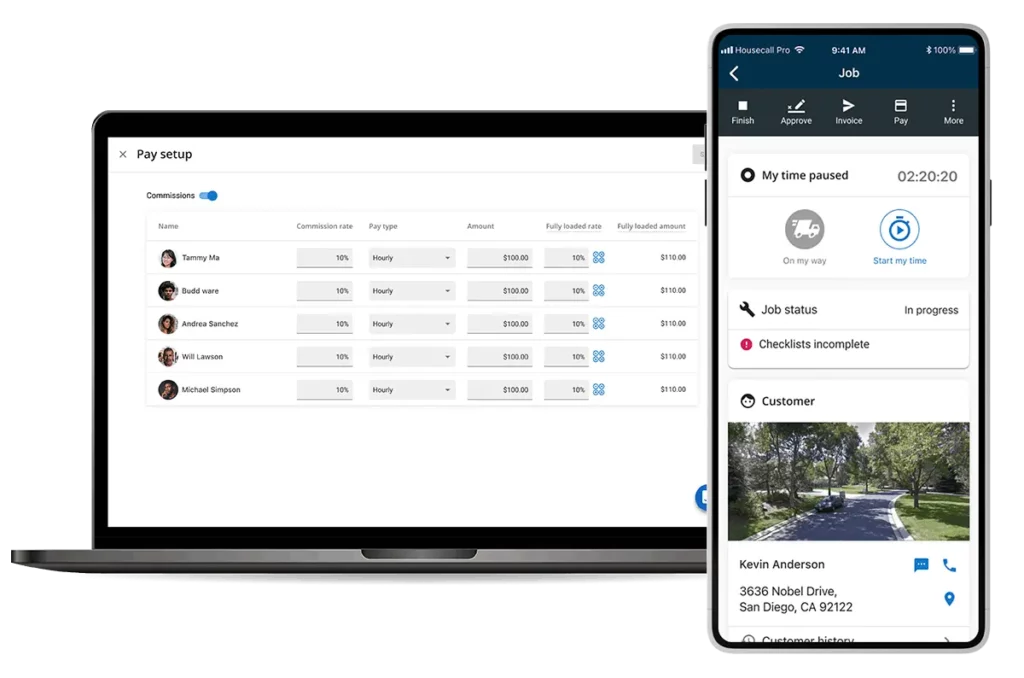
When you launch your pest control business, you’re setting up scheduling, invoicing, customer communication, and payments at the same time. Housecall Pro is built to handle all of it in one place so you’re not stitching together separate tools as you grow.
What you can set up from the start:
- Scheduling and client management: Book jobs, assign technicians, and send automatic appointment reminders. Manage recurring pest control plans and keep detailed customer histories in one place.
- Pricing and invoicing: Build a consistent price list from day one and send professional invoices on-site. Customers can pay digitally in the field.
- Review management: Automate review requests after each job so you’re building your Google reputation from your first customer—not your 50th.
- Payments: Accept cards, ACH, and digital payments in the field without a separate processor.
- Recurring service plans: Set up automatic billing and scheduling for quarterly or monthly maintenance customers so you’re not managing renewals manually.
Try Housecall Pro’s pest control softwarefree for 14 days to see how it works before you take on your first job.
Starting a pest control business FAQ
-
How much do pest control business owners make annually?
-
According to Glassdoor, the median annual income is about $84,000, with a typical range between $69,000 and $104,000. Owners with recurring service contracts and small teams often earn more than solo operators.
-
Is pest control a lucrative industry?
-
Yes. Recurring maintenance plans help create predictable revenue and high profit margins. Gross margins in pest control typically run 50%–55%—higher than most trades—because chemical costs are relatively low compared to labor. Recurring service contracts also reduce your cost of customer acquisition over time: a customer on a quarterly plan costs far less to retain than to replace.
-
Should I buy a pest control franchise or start independently?
-
A franchise like Orkin or Mosquito Joe gives you a recognized brand, built-in training, and a faster path to your first customers. The tradeoff: initial franchise fees typically run $20,000–$80,000+, plus ongoing royalties of 7%–10% of revenue, and you’ll operate within an assigned territory you don’t own.
Going independent costs less upfront and gives you full control over pricing, services, and margins, but you’ll have to build brand recognition from scratch.
- Start independent if you have industry experience and a defined service area.
- Consider a franchise if you’re new to the industry and want structure over flexibility.
-
Do I need certification to use pesticides?
-
Yes, you need certification to apply restricted use pesticides (RUPs). In most states, you’ll need formal training, exams, and periodic renewal. Even when you’re using general use products, you must follow state regulations and safety guidelines. Proper certification protects your business and builds credibility with customers.