Want to win more jobs with less effort?
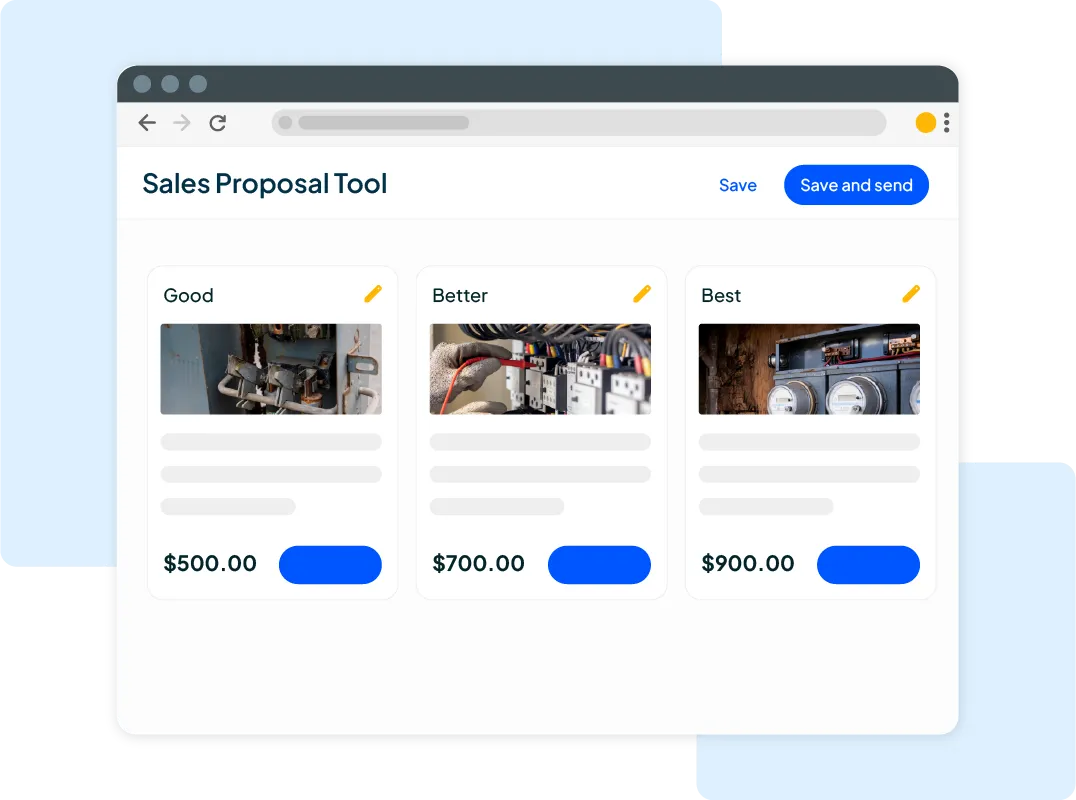
Grow your business and send quick quotes with our home service software.

Want to see your potential revenue?
See what businesses like yours earn with Housecall Pro in 1 - 2 minutes.
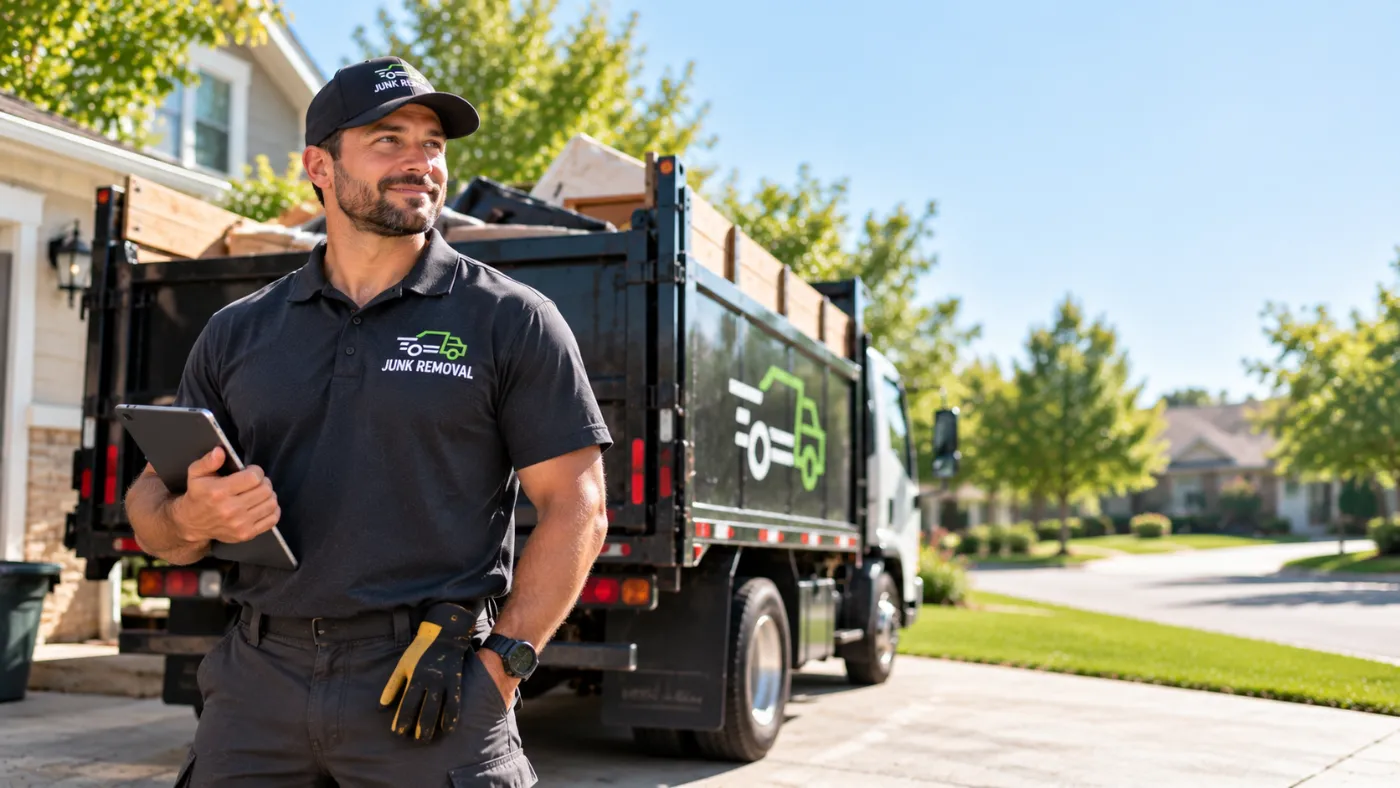
Writing a business plan can feel like a step you can handle later. But skipping it makes it easier to underestimate costs, set prices too low, or invest in trucks and equipment before you know which services will bring in the most profit. A clear plan helps you work through those decisions before your money and time are on the line.
This guide walks you through how to write a junk removal business plan and every section you should include, from your executive summary and daily operations to marketing and financial projections.
Download Housecall Pro’s free business plan template to get started faster.
Quick answer: What should a junk removal business plan include?
A junk removal business plan should cover 12 core sections: your cover page, executive summary, business overview, management team, services list, operations plan, pricing, industry analysis, marketing strategy, employee planning, financial planning, and appendix. Together, these sections turn a rough idea into a working roadmap—one you can hand to a lender for funding or use yourself to guide daily decisions as your business grows.
Key takeaways
Your business plan should be built to guide daily operations, not just check a box:
Define your services clearly: Focus on specific offerings and packages so customers know exactly what you handle.
Pay attention to the numbers: Track costs, pricing, and margins to avoid undercharging and protect profit.
Map your daily workflow: Outline how jobs move from booking to disposal to stay organized as volume grows.
Study your local market: Review competitors and demand trends to find gaps you can fill.
Plan for growth upfront: Put hiring, tools, and systems in place before demand increases.
Table of contents
Step #1: Cover page and table of contents
Start with a professional cover page that clearly identifies your business. Include your business name, logo, address, phone number, website, and email address.
Next, add a table of contents so readers can quickly find the information they need. A lender, for example, may want to go straight to your financial projections, while a potential partner may focus on your services and operations.
Step #2: Executive summary
The executive summary gives readers a quick overview of your junk removal business and the plan behind it. Cover who you serve, what you offer, your mission and goals, and what sets your business apart from other local junk removal companies. If you’re seeking funding, briefly state how much you need and how you plan to use it.
Pro tip: Write your executive summary after you’ve completed the rest of your business plan. You’ll have all the details in front of you and can pull out the points that matter most.
Step #3: Business overview
This section explains how your junk removal business is set up and where it operates. Keep it simple and factual so readers can quickly understand your structure and scope. This is also where you show that your business is legitimate and ready to operate.
Start by outlining your business structure, ownership, and service area:
- Business type: Sole proprietorship, LLC, or corporation
- Ownership: Who owns the business and their roles
- Service area: Cities, counties, or regions you plan to serve
- Services offered: Residential, commercial, construction debris, specialty pickups
Next, include your legal and operational setup:
- Business registration: State and local registration details
- Licenses and permits: Required hauling or waste disposal permits in your area
- Insurance: General liability, vehicle coverage, and workers’ compensation if applicable
- Location: Home office or physical office, plus where vehicles and equipment are stored
This section doesn’t need to be long. Focus on clarity so anyone reading your plan can quickly confirm how your business is structured and where it operates.
Step #4: Management team
Lenders and investors want to know who will run the business and whether the team has the experience to carry out the plan. As you start your junk removal business, this section can also help you clarify who owns each part of the operation.
Introduce the owners and key team members, then briefly explain each person’s experience, qualifications, and responsibilities. You might highlight experience in logistics, customer service, sales, or operations and note who will manage scheduling, crews, finances, and marketing.
The goal is to show who is responsible for the day-to-day work and how the team’s experience supports the business.
Step #5: Junk removal services list
Decide which services you’ll offer before you set prices, buy equipment, or start marketing the business. Starting with a focused service list can make it easier to train your team, estimate jobs, and explain what you do to customers.
Here are some common services your business might offer:
- Residential cleanouts
- Office junk removal
- Appliance pickup
- Yard waste removal
- Construction debris hauling
You can also group services into packages, such as full-home cleanouts or recurring pickup plans for property managers. If you plan to offer specialty services like hoarding cleanups or eco-friendly disposal, call those out here as well. This helps set expectations and makes it easier to price your work.
Step #6: Operations plan
Your operations plan outlines how you’ll run your junk removal business each day. This section should show how jobs move from the first customer call to final disposal. Keep it clear so readers can picture your workflow and how you manage each step.
Outline your day-to-day process and the tools that support it:
- Workflow: Lead intake, booking, job completion, disposal, and follow-up
- Scheduling: Calendar system, routing, and crew assignments
- Tools: CRM, invoicing software, and dispatch apps
- Equipment: Trucks, trailers, and hauling tools
Also include your key partners and suppliers:
- Disposal sites: Local landfills, recycling centers, donation partners
- Vendors: Fuel providers, maintenance services, and equipment suppliers
Getting this system right early pays off once volume picks up. Software that ties scheduling, dispatch, and customer records together in one place—like Housecall Pro—is what makes a workflow like this one easy to run day to day instead of held together by memory and sticky notes.
Get In Touch: 858-842-5746
Let us earn your trust
On average, Pros increase monthly revenue generated through Housecall Pro by more than 35% after their first year.
See plan options and feature breakdown on our pricing page.
Step #7: Junk removal pricing
Use this section to explain how customers will be charged and what may affect the final price of a job. Note whether you plan to price by truckload, volume, item, hour, or job, and include any minimum charges, service packages, or added fees for heavy materials, stairs, long carry distances, or specialty disposal.
Include a simple pricing table or a few sample job ranges so readers can see how your model works. For example, what a single-item pickup costs versus a full truckload of mixed debris.
You should also briefly explain how your pricing accounts for labor, fuel, disposal fees, equipment costs, and profit. Keep the detailed projections in your financial plan; this section should give readers a clear picture of what you’ll charge and why.
Read more: How to price junk removal jobs
Step #8: Industry analysis
Take time to define your target market and study the competitors already operating nearby. Look at who they serve, what services they focus on, and how they price their jobs. This will help you spot gaps you can fill and position your business more clearly.
Here are a few simple ways to research your market:
- Search Google Maps and Yelp to identify local competitors and read reviews.
- Visit competitor websites to compare services, pricing, and service areas.
- Talk to potential customers to understand common needs and pain points.
- Review local housing, construction, and population trends to gauge demand.
Junk removal demand also tends to spike with spring cleaning, moving season, and post-storm cleanup. Note any seasonal patterns you expect in your market—they’ll shape how you staff and market throughout the year.
Step #9: Marketing strategy
Customers need a clear way to find your business, understand what you haul, and request service. Use this section to map out where you’ll promote your junk removal company and how you’ll turn interest into booked jobs.
Your strategy might include local SEO, a Google Business Profile, paid ads, referral programs, and social media. Set a budget for each channel and decide which results you’ll track, such as calls, quote requests, booked jobs, and customer acquisition cost.

Step #10: Employee planning
Your management section covers the people leading the business. This section focuses on the crew members and office staff you’ll need as job volume grows.
Map out your current and future staffing needs, including the roles you expect to hire and when you’ll need them. Explain how you’ll recruit, onboard, and train employees on safety, equipment use, disposal procedures, and customer service. This shows that you have a plan to add capacity without sacrificing service quality.
Read more: Hiring leadership guide
Step #11: Financial planning
Your financial plan shows whether the business can cover its costs, generate profit, and support future growth. Lenders and investors will review this section closely if you’re seeking outside funding.
Present your numbers clearly and explain the assumptions behind them. Include:
- Startup costs: Trucks, equipment, licenses, and marketing
- Operating expenses: Labor, fuel, disposal fees, and insurance
- Revenue projections: Monthly and annual estimates based on job volume
You should also include simple tables or charts for:
- Profit and loss (P&L)
- Cash flow
- Break-even point
Bookkeeping tools like Housecall Pro Accounting can make these numbers a lot less painful to keep current once you’re up and running.
Step #12: Appendix
Use the appendix for supporting documents that add useful detail without slowing down the main plan. Depending on your business and who will read the plan, you may want to include:
- Copies of licenses, permits, and business registration documents
- Insurance certificates and coverage details
- Resumes of owners and key team members
- Sample contracts, service agreements, or invoices
- Equipment lists and vehicle details
- Market research or competitor analysis notes
- Photos of past work or example job types
- Letters of support, partnerships, or references
How Housecall Pro helps you run and grow your junk removal business
A business plan gives you direction. Housecall Pro gives you tools to put that plan into action as calls come in, schedules fill up, and your team takes on more jobs.
Here’s how junk removal software can support your day-to-day operation:
- Keep jobs organized: Use drag-and-drop scheduling to book work and assign the right crew.
- Invoice customers promptly: Send invoices from the field and give customers convenient online payment options.
- Reduce repetitive office work: Automate customer communication, reminders, and follow-ups.
- Keep customer details together: Store contact information, notes, and job history in one place.
- Plan more efficient routes: Use vehicle GPS tracking to help crews spend less time driving between jobs.
Your business plan lays the foundation. Housecall Pro can help you manage the work that follows. Start your free trial to see how it can support your junk removal business from day one.
FAQs
Do I need a business plan to start a junk removal business?
Yes—a business plan helps you secure funding, set pricing that actually covers your costs, and stay organized as job volume grows. Even a lean, one-page version beats starting with no plan at all.
How long should a junk removal business plan be?
Most junk removal business plans run 10–20 pages, depending on how much detail you include in the financial and market research sections. Lenders and investors typically expect more detail than a plan you’re writing just to guide your own operations.
What's the most important section of a junk removal business plan?
Financial planning is the section lenders and investors turn to first, since it shows startup costs, operating expenses, and revenue projections. If you’re not seeking funding, your operations plan matters just as much, because it’s the section you’ll actually open each week to check job costs and crew schedules.
How do I write a financial plan for a junk removal business?
Start by listing your startup costs (trucks, equipment, licenses, marketing) and your ongoing operating expenses (labor, fuel, disposal fees, insurance). Then build monthly and annual revenue projections based on expected job volume, and add simple profit and loss, cash flow, and break-even tables.
Can I write a business plan myself, or do I need help?
You can write a solid junk removal business plan yourself, especially if you start from a free template. If you’re seeking outside funding, it’s worth having an accountant or business advisor review your financial projections before you submit it.
How do I write a junk removal business plan with no experience?
Start with a free template so you’re not building the structure from scratch, then work through each section using real numbers from your own market research—local competitor pricing, permit costs, and expected demand. You don’t need prior business experience to write a usable plan, just accurate numbers and a clear picture of how you’ll operate day to day.
Are there items junk removal businesses can't legally haul?
Yes. Most states restrict hauling certain hazardous materials, electronics, tires, paint, and refrigerants without special handling or disposal permits, and mattresses face separate rules in several states. Check your state and local disposal regulations before you finalize your services list and pricing, since these restrictions affect both what you can offer and what it costs you to dispose of it.