Want to win more jobs with less effort?
Grow your business and send quick quotes with our home service software.

Want to see your potential revenue?
See what businesses like yours earn with Housecall Pro in 1 - 2 minutes.
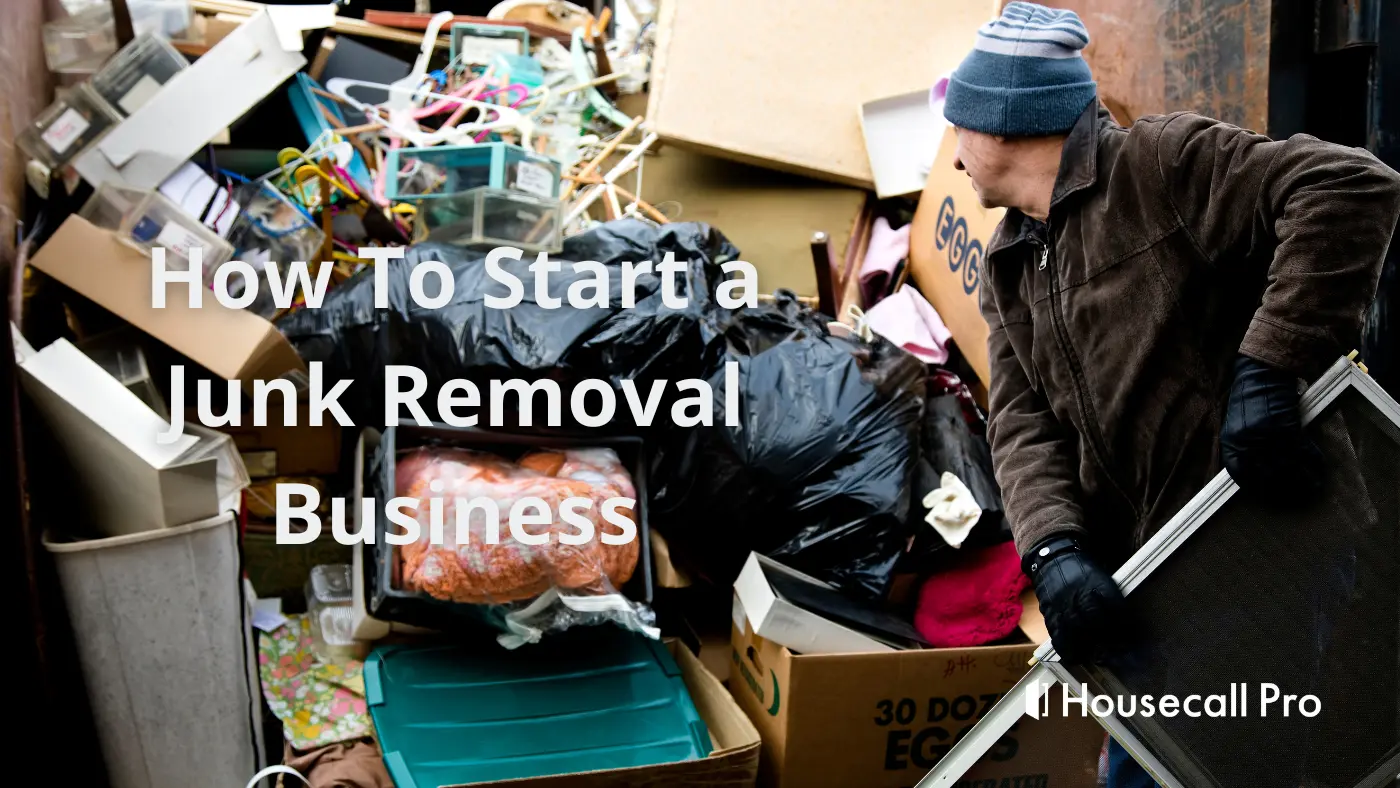
Furniture, appliances, and construction debris don’t fit in a regular trash bin—and many customers don’t have the truck, time, or equipment to haul them away. A junk removal business collects those items, then separates anything that can be resold, donated, or recycled from what needs to go to the dump. This type of business may be a good fit if you’ve got access to a truck, are comfortable with physical work, and want to keep your initial overhead relatively low.
To get started, you’ll need to register your business, budget for a truck and equipment, and set prices that cover your costs. This guide walks through each of those steps, from licensing and insurance to pricing, marketing, and day-to-day operations.
Quick answer: How do you start a junk removal business?
To get your junk removal business up and running, you’ll need to choose a legal structure, register the business, secure any required licenses or permits, and buy or rent essentials such as a truck, trailer, and safety gear. Startup costs commonly range from $5,000 to $40,000, depending largely on the vehicle and equipment you choose.
An LLC is a common structure for junk removal businesses because it separates personal and business liabilities and offers flexible tax options. However, the right structure depends on your situation, so consider checking with an accountant or attorney before registering.
Profit largely comes down to pricing jobs correctly, keeping fuel and disposal costs in check, and running efficient routes. Reported profit margins often range from 25% to 35%, per Dropcurb, but your results will depend on job volume, pricing, and overhead.
Key takeaways
Focus on what will move your junk removal business forward from day one:
Start with a plan: Outline your services, target area, and costs before investing in equipment or marketing.
Price with purpose: Set rates that cover all expenses and leave room for profit, not just to match competitors.
Invest in visibility: Build a strong online presence and use local marketing to consistently attract jobs.
Protect your business: Get proper insurance and licensing in place before taking on your first job.
Grow strategically: Expand services or service areas only after confirming consistent demand and profitability.
Table of contents
- Step 1: Get trained and certified for junk removal
- Step 2: Create a junk removal business plan
- Step 3: Create a budget for your junk removal business
- Step 4: Register and license your junk removal business
- Step 5: Get junk removal business insurance and bonding
- Step 6: Buy junk removal tools and equipment
- Step 7: Price your junk removal services
- Step 8: Market your junk removal business
- Step 9: Grow your junk removal business
- How much do junk removal business owners make?
- Running your junk removal business day to day: How software can help
Step 1: Get trained and certified for junk removal
Most states don’t require a junk removal-specific license beyond the general business license and permits covered in Step 4. Even so, you need to know how to sort loads, identify items with resale value, and dispose of different materials properly before taking your first job.
Optional certifications can also help you build practical skills, strengthen your credibility and avoid costly mistakes. Training programs typically range from $200 to $1,500, depending on the provider and depth of instruction. Options to explore include:
- Certifications from the Solid Waste Association of North America (SWANA)
- Hazardous materials and waste-handling training
- State-level landfill or waste-disposal certifications
Basic business training can also help you manage the company side of the work. Consider short courses in:
- Accounting and financial management
- Operations and marketing
- Physical metallurgy, to better identify metals and alloys that add resale value
Step 2: Create a junk removal business plan
It may be tempting to buy a truck, post your services online, and start booking jobs. But without a plan, it’s easy to underestimate costs, choose the wrong services, or spend money before you know where demand comes from.
Your business plan should explain how the company will operate, make money, and grow. Include your services, target customers, pricing approach, marketing plan, daily operations, and financial projections. Keep it practical: The goal is to create a plan you can use to guide spending and make decisions as the business grows.
Research your market and competitors
The U.S. junk removal industry generates an estimated $10 billion or more in annual revenue, with over 20,000 companies operating nationwide. Before choosing your services and prices, learn which companies already serve your area and how they position their businesses.
Start by searching Google Maps, Yelp, and local directories for junk removal companies in your area. Compare their reviews, pricing models, service lists, and online presence. Note common customer complaints, frequently requested services, and areas your competitors don’t cover.
For example, you might find gaps in same-day service, responsible disposal, or specialized cleanouts. Use what you learn to decide which customers to serve and what will make your business a stronger choice.
Read more: Building a memorable junk removal business: Lessons from Junk Fairy
Create a junk removal services list
Your services define what you offer and who you serve. Start with common junk removal services, then narrow your focus based on your equipment, skills, and local demand.
Here are a few services many junk removal businesses offer:
- Bulk trash pickup
- Appliance and furniture removal
- Construction debris removal
- Property and estate cleanouts
- Yard waste and outdoor debris removal
- Foreclosure and eviction cleanouts
Choose services that fit your equipment, crew size, and disposal options. Start with a focused list, then add services once you’ve got the capacity and customer demand to support them.
Line up your disposal and donation partners
Every load you haul has to go somewhere, so figure out where before you book your first job. Identify a landfill or transfer station near your service area and understand its fee structure. Dump fees are one of the biggest recurring costs in this business and vary a lot by county.
Also build relationships with a scrap metal buyer, a donation center (Habitat for Humanity ReStore and Goodwill both accept usable furniture and appliances), and a recycling facility for electronics and construction debris. Sorting loads this way cuts your landfill fees and gives you a marketing angle—”we recycle and donate what we can” resonates with environmentally minded customers.
Set goals
Setting goals gives your business direction and helps you measure progress over time. Without clear targets, it becomes harder to price jobs, manage growth, or know when to hire help.
A simple way to stay on track is to use SMART goals:
- Specific: Define exactly what it is that you want to achieve.
- Measurable: Measure performance using clear metrics or data points.
- Achievable: Set goals that match your current resources.
- Relevant: Focus on goals that support business growth.
- Time-bound: Set a clear deadline.
Here are a few examples:
- Book 20 junk removal jobs within your first 60 days.
- Reach $10,000 in monthly revenue within six months.
- Add a second truck within your first year.
Review these goals regularly and update them as you learn more about job costs, demand, and your capacity.
Pro tip: Housecall Pro helps you track job costs, customer information, and repeat work, giving you real business data to use when reviewing your goals.
Step 3: Create a budget for your junk removal business
A clear budget helps you avoid overspending before the first jobs come in. Most new owners can expect startup costs to range from $5,000 to $40,000, depending on whether you’re using a truck you already own or buying and outfitting a new one. A used pickup and trailer can get you started around $10,000, while a used box truck with insurance and branding runs closer to $25,000–$40,000 (source: Olune).
List your one-time and ongoing expenses, prioritize the equipment you need now, and set aside a cushion for unexpected costs.
Read more: How to create a business budget
How much does it cost to start a junk removal company?
Costs vary based on your service area, whether you’re operating solo or with a crew, and how quickly you want to grow.
| Expense | Estimated Cost | Notes |
| Equipment and supplies | $2,000–$10,000 | Assumes you own a vehicle; add $5K–$20Kif you need to buy one |
| Licensing and permits | $100–$500 | Varies by state and city |
| Insurance | $3,000-$8,000/year | General liability, commercial auto, workers’ comp |
| Marketing and branding | 15%–20% of year-one revenue | Drops to 5%–10% in later years |
| Initial operational expenses | $3,000–$15,000 | Fuel, disposal fees, early payroll |
Pro tip: Start with essential equipment to keep costs manageable, then reinvest part of your profits as demand increases.
Secure financing
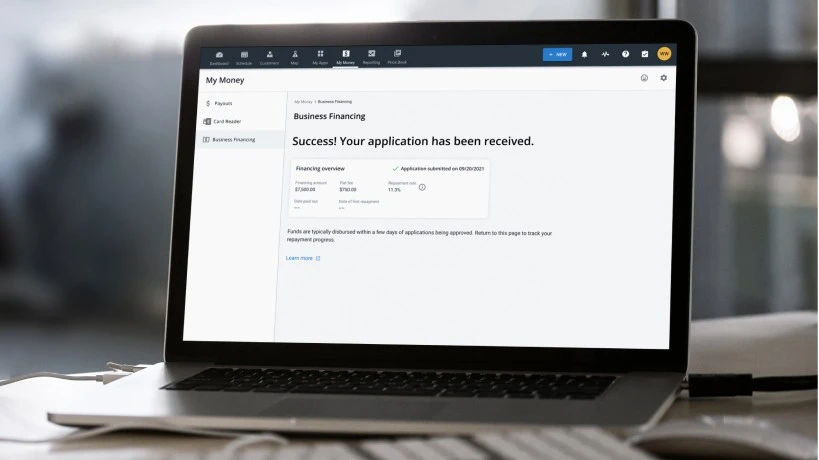
If you can’t cover startup costs upfront, compare financing options and the total cost of borrowing before committing. Options may include:
- Government funding: Local or state programs for small businesses
- Small Business Administration (SBA) loans: Low-interest options for startups
- Business line of credit: Flexible access to funds
- Business grants: Limited but worth exploring
Step 4: Register and license your junk removal business
Before booking jobs, register your business and secure the licenses and permits required in your area. Taking care of these steps early can help you avoid fines and makes it easier to open a business bank account, buy insurance, and apply for contracts later.
Pick a business name
Choose a name that’s:
- Simple
- Easy to remember
- A clear reflection of what your business does
Names like “East Coast Junk Haulers” or “St. Croix Junk Removal Services” quickly tell customers what the company does and where it works. Once you’ve got a shortlist, check your state’s business registry for availability. Then look for a matching domain through a domain registrar.
Check whether the same or a similar handle is available on the social platforms you plan to use. The DNS Checker is a good place to start. Some states also restrict certain words in business names, especially terms that imply a licensed service, so review your state’s rules before making a final choice.
Read more: 50+ junk removal business name ideas
Choose a business structure
Your business structure affects taxes, liability, and how you operate day-to-day. Common options include:
- Sole proprietorship: Easy to set up, but there’s no separation between personal and business assets
- LLC (Limited Liability Company): Protects your personal assets and is a relatively common choice for small businesses
- Partnership: Shared ownership and responsibilities between two or more people
- Corporation: Offers strong liability protection but involves more paperwork and regulations
Requirements vary by state, so check local guidelines. If you’re unsure which structure is right for you, consult a lawyer or accountant. See our guide on LLC vs. sole proprietorship for a closer look at the two most common choices.
Apply for a business license
You’ll need a general business license before you start offering junk removal services. You may also need additional permits for hauling or waste disposal. Start by checking your state and local requirements through official sources like the Office of the Minnesota Secretary of State, the Oregon Secretary of State, or the West Virginia Tax Division.
The process usually includes submitting an application, paying a fee, and providing basic business details. Once approved, keep your documents organized.
Pro tip: A license or insurance certificate buried in a filing cabinet or an old email thread doesn’t help you when a client or inspector asks for it on the spot. Tools like Housecall Pro lets you store licenses and insurance documents digitally, so you can access them when needed.
Get an EIN and set up business banking
Most junk removal businesses need an Employer Identification Number (EIN) from the IRS — even if you’re running the business solo. You’ll need one to open a business bank account, hire employees, or file certain taxes. Apply for free directly through the IRS EIN application; the online application takes just a few minutes and issues your number immediately.
Once you have your EIN, open a dedicated business checking account. Keeping business and personal finances separate makes bookkeeping easier, protects the liability advantages of an LLC, and makes tax season less painful.
Step 5: Get junk removal business insurance and bonding
Junk removal crews lift heavy items, work around customer property, and spend time on the road. Even with good safety practices, injuries, vehicle accidents, and property damage can happen. The right insurance can help protect your business from paying the full cost of a covered claim out of pocket, while bonding may be required for certain contracts or municipalities.
Common types of coverage include:
- General liability insurance: Covers property damage and third-party injuries
- Workers’ compensation insurance: Covers employee injuries and medical costs
- Commercial auto insurance: Covers accidents involving your work vehicles
- Cargo insurance: Covers customer property while it’s loaded on your truck, in case something is damaged in transit before it reaches the dump or donation site
- Bonding (surety bond): Reassures customers that they’re protected if work isn’t completed properly, and some contracts or municipalities require it
- Tools and equipment coverage: Protects your gear from theft or damage
Your exact coverage needs will depend on your crew, vehicles, equipment, services, and local requirements.
When shopping for coverage, get quotes from multiple insurance providers. Compare not just pricing, but also coverage limits, exclusions, and deductibles. Consider working with an agent who understands home service businesses and can help you identify coverage gaps.
Step 6: Buy junk removal tools and equipment
Having the right tools and equipment helps you work efficiently and safely. Start with the essentials for the services you plan to offer, then add specialized equipment as demand grows.
- Hand tools: Dollies, hand trucks, shovels, rakes, brooms
- Power tools: Drills, saws, and cutting tools for breaking down bulky items
- Safety equipment: Gloves, steel-toe boots, back braces, safety glasses
- Vehicles: Pickup trucks or box trucks for hauling and transport
Most new business owners spend $5,000 to $20,000 with a pickup truck, or $20,000 to $40,000+ if buying a box truck, depending on how much equipment they buy upfront (source: HomePro Systems). Before you buy, check the vehicle’s gross vehicle weight rating (GVWR). Most single-axle box trucks stay under the 26,001-lb threshold that triggers a commercial driver’s license (CDL) requirement in most states, but it’s worth confirming with your state’s DMV before you commit to a specific truck.
To save money, compare suppliers, consider dependable used or refurbished tools, and include ongoing maintenance and replacement in your budget. Housecall Pro can help you manage inventory, track maintenance schedules, and record which equipment is assigned to each technician.
Step 7: Price your junk removal services
Your prices need to cover every job cost, contribute to overhead, and leave room for profit. Setting them too low can create cash flow problems even when your calendar is full, while setting them too high without a clear reason can make it harder to win work.
Choose a pricing model
Choose a pricing model that fits the work you do and gives customers a clear idea of what they’ll pay:
- Hourly pricing: Charge for the time required. This can work for smaller jobs or projects with an uncertain scope, but customers may not like not knowing the final price upfront.
- Flat-rate pricing: Set the price based on load volume, item type, or a defined job. This gives customers a clearer upfront cost and works well for standard services.
- Hybrid pricing: Charge a base fee plus an hourly or volume-based amount. This provides flexibility while helping cover minimum trip costs.
Set your rates
Your rates should cover all expenses while leaving room for profit. Build them from your own costs and local market conditions:
- Calculate your base costs: Add up labor, fuel, disposal fees, vehicle and equipment expenses, and overhead to understand your minimum cost per job.
- Add your profit margin: Build in your target margin so each job contributes to the health and growth of the business.
- Research competitor pricing: Review local competitors to see how your rates compare, but don’t copy prices that may be based on different costs. Use competitor rates to position your value.
- Adjust based on service type: Account for heavy materials, hazardous items, stairs, long carry distances, or specialty services that require extra time or effort.
Read more: How to price junk removal jobs (step-by-step guide)
Step 8: Market your junk removal business
A strong marketing plan helps nearby customers find your business when they need a pickup or cleanout. Start with a few channels you can manage consistently, then invest more in the ones that generate profitable jobs.
Track where customers hear about you so you can see which marketing efforts lead to booked work. As the business gets busier, Housecall Pro can help you manage your online presence and automate review requests and referral follow-ups.
Design your brand
Your brand is often the first impression customers have of your business, so it should feel professional and easy to recognize.
- Choose a name, logo, and color scheme that reflect your services and local market.
- Select a consistent color palette (2–4 colors) that’a easy to recognize and works well across your website, trucks, and marketing materials.
- Keep your branding simple and easy to read, especially on trucks and uniforms.
- Check domain availability and social media handles before finalizing your name.
- Create a logo that fits your niche, whether that’s residential cleanouts or commercial hauling.
- Use the same branding across your website, social media, and printed materials.
- Make sure your messaging is clear and consistent so customers know what to expect.
Keep these elements consistent so customers see the same business on your truck, website, social profiles, and printed materials.
Read more: 50+ junk removal slogans and mottos to inspire your brand
Build an online presence
Customers often search online before choosing a local service business, so make it easy for them to find your company, understand what you haul, and request service. Focus on the places where local customers are most likely to look:
- Build a simple website with clear service descriptions, pricing guidance, and contact information.
- Make sure your site is mobile-friendly and easy to navigate.
- Set up and optimize your Google Business Profile to show up in local search results.
- Ask happy customers to leave reviews to build credibility and improve rankings.
- Stay active on social media platforms like Facebook, Instagram, and LinkedIn.
- Share updates, job highlights, and tips to keep your audience engaged.
- Add before-and-after photos and testimonials to show real results.
Update your information regularly and respond to reviews so customers know the business is active and reachable.
Use offline marketing strategies
Offline marketing can help you reach specific neighborhoods and build referral relationships with local businesses. Consider these tactics:
- Distribute flyers, door hangers, or direct mail campaigns to target specific neighborhoods.
- Network with local businesses, contractors, and property managers.
- Attend community events or sponsor local activities to increase visibility.
- Partner with real estate agents, landlords, and cleaning companies for referrals.
- Offer referral incentives to friends, family, and past clients.
- Use branded trucks and uniforms to promote your business while on the job.
Use a unique phone number, QR code, promo code, or intake question to track which offline tactics bring in jobs. Then put more of your budget toward the channels that perform best.
Step 9: Grow your junk removal business
Once you’ve got steady demand and understand which jobs are most profitable, you can look for ways to grow without stretching your crew or cash flow too far.
One way to grow is by adding complementary services such as light demolition, appliance removal, yard waste cleanup, or estate cleanouts. You can also expand your service area into nearby neighborhoods or cities where you see strong demand. Before making either move, review the numbers.
Review your costs, margins, and current workload to make sure you can support additional jobs without sacrificing service quality. Track profit by service—not only revenue—so you can focus on the work that contributes most to the business.
Hire junk removal employees
When you consistently turn down work, run behind schedule, or spend too much time hauling to manage the business, it may be time to hire. Bringing on help allows you to take on more jobs, increase revenue, and reduce physical strain. It can also make your schedule more dependable.
When hiring, focus on people who are reliable, physically capable, and comfortable working with customers. Since your team represents your brand, attitude and professionalism matter just as much as experience.
Here are a few tips to guide your hiring process:
- Start with part-time or on-call help to manage costs as you grow
- Look for candidates with a strong work ethic and customer service skills
- Provide basic training on safety, lifting techniques, and job expectations
- Set clear roles and responsibilities for each team member
- Offer competitive pay to attract and retain reliable workers
- Create simple processes, so your team can work efficiently and consistently
Documenting how your crew loads, sorts, communicates with customers, and closes out jobs can help new hires work safely and consistently.
How much do junk removal business owners make?
Junk removal business owners typically earn $60,000 to $150,000+ a year. Solo operators running 2–3 jobs a day can gross $90,000–$150,000 annually, while multi-truck operations with employees have reported $170,000–$200,000+ in annual revenue, according to industry estimates from Dropcurb and HomeGuide.
Actual take-home pay depends heavily on your job volume, pricing, number of employees, service area, and how much of your revenue goes to fuel, disposal fees, and insurance. Adding services such as appliance removal or estate cleanouts—jobs many general haulers turn away—can add revenue per stop, but only if demand and margins support the added work.
Running your junk removal business day to day: How software can help
As jobs pick up, calls, estimates, schedules, payments, and customer details become harder to manage with paper or separate tools. A single system can help your office and field teams stay on the same page while reducing double entry and missed follow-ups.
Housecall Pro’s junk removal business software brings these day-to-day tasks together:
- Scheduling and customer management: Book jobs, send reminders, and keep customer and job details in one place.
- Pricing and invoicing tools: Create consistent estimates and send professional invoices without rebuilding them for every job.
- Marketing and customer follow-up: Automate review requests and follow-ups so they don’t get missed on busy days.
- Work from the field: Process payments, complete forms, and update jobs from your phone.
- Team management: Keep schedules, job details, and customer records organized as you add employees, services, or service areas.
Spend less time chasing paperwork and more time serving customers and growing the business. Start your free Housecall Pro trial today.
Starting a junk removal business FAQ
How much does it cost to start a junk removal business?
Startup costs typically range from $5,000 to $40,000. Your total depends on factors like equipment, vehicle type, insurance, and how quickly you plan to scale. Starting small with basic tools and upgrading over time can help control costs while you build a steady cash flow and gain experience in your market.
How long does it take to start a junk removal business?
Most new owners can go from registering their business to booking their first paid job in about 4 to 6 weeks. Forming an LLC and getting an EIN usually takes a few days online, business licensing and permits can take one to three weeks depending on your state and city, and lining up insurance typically adds a few more days once you’ve settled on equipment and a legal structure.
Can I make money in the junk removal business?
Yes, many junk removal businesses are profitable due to strong demand and relatively low barriers to entry. Success depends on managing costs, pricing services correctly, and maintaining a steady flow of jobs. Expanding your services and building repeat-customer relationships can also increase your long-term earning potential.
How much should I spend on marketing and advertising for my junk removal business?
A good rule of thumb is to invest 15%–20% of your projected annual revenue in your first year to build awareness and generate leads. After that, you can scale back to 5%–10% in subsequent years. Focus on a mix of local SEO, online reviews, and offline strategies, such as direct mail and partnerships, to keep new jobs coming in consistently.
Do I need a special license to drive a junk removal truck?
Most junk removal trucks don’t require a commercial driver’s license (CDL). You typically only need a CDL if your truck’s gross vehicle weight rating (GVWR) is 26,001 lbs or more, which covers most single-axle box trucks used in this business. If you’re considering a larger truck or a truck-and-trailer combination that pushes past that threshold, check your state’s specific requirements before you buy or lease.