Want to win more jobs with less effort?
Grow your business and send quick quotes with our home service software.

Want to see your potential revenue?
See what businesses like yours earn with Housecall Pro in 1 - 2 minutes.

Home remodeling isn’t sold off a price sheet. Every project is built around a homeowner’s goals, existing conditions, material selections, and scope of work—which means every estimate has to be built from the ground up, too.
A kitchen remodel may require structural changes, custom cabinetry, new plumbing, electrical updates, permits, and multiple subcontractors. A bathroom renovation might uncover water damage or code issues once demolition begins. Even projects that seem similar can vary significantly in cost.
The key is building an estimate that covers all your costs, leaves room for profit, and helps homeowners understand exactly what they’re paying for. In this guide, you’ll learn how to price home remodeling jobs, calculate project costs, and create estimates you can stand behind.
Quick answer: How do you price home remodeling jobs?
Price home remodeling jobs by adding labor, materials, subcontractor costs, permits, overhead, and profit, then adjusting for project scope, timeline, site conditions, and finish level. National remodeling costs often range from about $19,473 to $88,336, but actual pricing varies based on the size of the renovation, local costs, and the complexity of the work (see sourcing section below).
To create an accurate estimate, start with a detailed scope of work and account for every phase of the project, including planning, demolition, construction, inspections, and project management.
Key takeaways
Use these rules to build clearer, more profitable remodeling prices:
Price from costs first: Use market rates to check your price, not build it.
Separate labor and materials: Remodeling jobs get risky when those costs blur together.
Build in project management time: Planning, ordering, walkthroughs, and updates are billable work.
Use allowances carefully: Give homeowners clear ranges for finishes before work starts.
Review pricing often: Labor, materials, and subcontractor costs can change quickly.
Table of contents
- How we sourced home remodeling price data
- Average home remodeling prices in 2026
- Popular add-ons and upsells for home remodeling jobs
- Common pricing models for home remodeling
- What factors affect home remodeling pricing?
- How to set home remodeling prices
- Example home remodeling price calculations
- How to improve your home remodeling business profits
- How to explain home remodeling pricing to customers
- How to build a consistent remodeling estimating process across your team
How we sourced home remodeling price data
The remodeling price ranges in this guide are based on 2026 cost data from Angi and HomeGuide. These benchmarks are useful for checking your pricing, but they should not replace your own labor, material, subcontractor, overhead, and margin calculations.
Your actual remodeling prices may vary based on:
- Local labor rates and cost of living: A bathroom remodel in Phoenix prices differently than the same scope in Boston or San Francisco. Labor, subcontractor rates, and supplier costs all vary by market.
- Business overhead and operating expenses: A solo operator with a truck and basic tools carries far less overhead than a company with an office, multiple crews, and a project coordinator.
- Labor model: Whether you run employees or subcontractors changes your labor burden, scheduling flexibility, and how you price risk. Employees cost more per hour but give you more control; subs shift some of that risk but require markup to manage.
- Insurance and licensing tier: Contractors carrying commercial general liability, workers’ comp, and a contractor’s license bond have higher fixed costs than those at minimum coverage—and that difference needs to show up in pricing.
- Warranty and callback policy: If you stand behind your work with a written warranty, that’s a cost. Build it in rather than absorbing it later.
- Business stage: A newer business building a portfolio prices differently than an established contractor with a referral pipeline. Neither is wrong—but your margin target should reflect your actual cost to acquire and deliver work.
Average home remodeling prices in 2026
Home remodeling prices depend on the room, square footage, materials, location, and how much of the home is being changed. See the pricing table below for a full breakdown by project type.
| Remodeling project | Typical price range | Main cost drivers |
| Fixture and hardware updates | $500–$3,000 | Number of fixtures, plumbing or electrical needs |
| Interior painting refresh | $1,000–$5,000 | Room count, prep, ceiling height, trim |
| Flooring replacement | $1,500–$8,000 | Material type, square footage, subfloor condition |
| Small bathroom refresh | $3,500–$10,000 | Fixtures, paint, vanity, plumbing changes |
| Small kitchen remodel | $10,500–$20,000 | Cabinets, appliances, permits, fixture moves |
| Bathroom remodel | $3,500–$25,000+ | Plumbing, tile, fixtures, size |
| Laundry room update | $6,000–$17,000 | Cabinetry, plumbing, flooring, ventilation |
| Basement remodel | $12,500–$37,500 | Moisture control, framing, bathroom additions |
| Kitchen remodel | $14,591–$41,542 | Cabinets, counters, layout, appliances |
| Whole-home renovation | $19,500–$88,400 | Square footage, scope, permits, finish level |
| Primary bathroom remodel | Up to $60,000 | High-end fixtures, tile, layout, plumbing changes |
| Luxury renovation | $120,000–$250,000 | Custom finishes, structural work, premium materials |
Table: Ranges reflect U.S. residential projects and vary by region, finish level, and scope.
Home remodeling cost per square foot
Home remodeling costs are often estimated by square foot during early budget conversations, especially for basements, whole-home renovations, flooring, and room additions. Square-foot pricing is useful for rough planning, but the final quote should still be built from labor, materials, subcontractors, overhead, and margin.
Whole-home remodeling often runs about $15 to $60 per square foot for standard updates, and up to $150 per square foot for gut renovations with structural changes. Kitchens and bathrooms can cost much more per square foot because they involve plumbing, electrical, tile, fixtures, cabinets, and other finish-heavy work. Use square-foot pricing to set expectations, then confirm the final price after you inspect the scope.

Popular add-ons and upsells for home remodeling jobs
Add-ons can increase job value and profitability when they solve a real customer need. The key is to present them as clear, optional line items instead of burying them inside a vague project total.
Common remodeling add-ons include:
| Add-on | When to offer it | Why customers accept it |
| Lighting upgrades | Kitchens, bathrooms, basements, living rooms | Improves function and makes the remodel feel more finished |
| Built-in storage | Mudrooms, living rooms, garages, closets | Solves clutter and adds everyday convenience |
| Premium tile or flooring | Bathrooms, kitchens, laundry rooms | Gives the homeowner more control over finish quality |
| Smart-home fixtures | Bathrooms, kitchens, entryways | Adds convenience, security, or energy control |
| Extra painting or trim | Multi-room remodels | Helps the updated area match the rest of the home |
| Cabinet hardware upgrades | Kitchens, bathrooms, laundry rooms | Offers a visible upgrade at a relatively small added cost |
Pro tip: List optional upgrades separately in the estimate. Customers are more likely to approve an add-on when they can see exactly what it costs and why it improves the finished project.
Common pricing models for home remodeling
Most remodeling businesses use more than one pricing model depending on the project size and scope.
- Fixed-price project pricing: This works best for clearly defined remodels where labor, materials, and subcontractor scopes are known upfront.
- Cost-plus pricing: This works best for complex or evolving projects where the homeowner pays actual costs plus a contractor markup.
- Time-and-materials pricing: This works best for troubleshooting, repairs, punch-list work, or jobs with uncertain scope.
- Square-footage pricing: This is useful for early estimates, flooring, painting, basements, and broad budget conversations.
- Allowance-based pricing: This works when customers have not selected finishes yet, such as tile, fixtures, cabinets, or countertops.
- Phase-based pricing: This is useful for large remodels where design, demolition, rough-ins, finishes, and final punch work are billed in stages.
What factors affect home remodeling pricing?
Home remodeling prices change when the scope moves beyond the original plan, the home needs extra prep, or the customer chooses higher-end materials. Use these factors to adjust your estimate before work starts so you are not trying to recover extra labor, subcontractor costs, or permit time after the job is already underway.
- Scope of work: A cosmetic refresh costs less than a remodel that changes layout, plumbing, electrical, or structural elements.
- Home age and condition: In a 1950s home, opening a bathroom wall may reveal outdated wiring or galvanized plumbing that needs to be brought into scope before finishes go in.
- Material selections: Cabinets, counters, tile, flooring, fixtures, and appliances can move the price by thousands of dollars.
- Subcontractor rates: Plumbing, electrical, HVAC, roofing, and specialty trades must be priced with markup and scheduling risk.
- Permits and inspections: Jobs involving structural, electrical, plumbing, or mechanical work may require permit fees, inspection time, and schedule buffers.
- Access and protection: Tight spaces, occupied homes, parking limits, dust protection, and daily cleanup all increase labor.
- Timeline pressure: Rush jobs, after-hours work, and tight move-in deadlines can require higher labor rates or subcontractor premiums.
- Change order risk: Remodeling projects should include a clear process for pricing added work before that work begins.
Permit requirements, inspections, and change orders can change the final project price. Spell out which permits are included, what is excluded, and how added work will be priced before the job starts.

How to set home remodeling prices
Setting remodeling prices is easier when you use the same process for every job. Start with what the project will actually cost you, then add margin, adjust for scope and risk, and put the details in writing so the customer knows exactly what is included.
Step 1: Calculate baseline costs
Start with the costs required to complete the job before profit. That includes direct labor, labor burden, materials, subcontractors, permits, equipment rentals, disposal, and overhead.
Use these formulas:
Labor cost per job = hourly wage × labor burden × job hours
Overhead cost per job = monthly overhead ÷ monthly billable hours × project hours
Break-even job cost = labor + materials + subcontractors + permits + overhead
Pro tip: Don’t skip project management time. Client calls, supplier coordination, ordering, site visits, schedule updates, and punch-list management are part of the job.
Step 2: Choose your pricing model
Select a pricing model before building the estimate so pricing stays consistent across projects.
Common options include:
- Fixed-price pricing: Good for defined residential remodels.
- Cost-plus pricing: Good for complex, high-variability remodels.
- Time-and-materials pricing: Good for repair-heavy or discovery-based jobs.
- Allowance-based pricing: Good when finishes are not selected yet.
Using one primary model makes pricing easier to explain to customers and easier for your team to follow.
Step 3: Set your target profit margin
After calculating your break-even cost, add a profit margin that supports your business goals and the level of risk involved.
Consider whether you’re:
- Building a cash reserve
- Investing in equipment
- Hiring staff
- Preparing for seasonal slowdowns
Higher-risk projects—such as older homes, tight timelines, or uncertain scopes—typically require higher margins.
As a benchmark, National Association of Home Builders (NAHB)’s 2026 Remodelers’ Cost of Doing Business Study found that residential remodelers averaged a 29.9% gross profit margin and a 6.3% net profit margin in 2024. Contractors who track job costs and overhead closely tend to outperform that average—Pros with HCP Accounting, for example, report a 14.4% net operating margin, nearly double the 7.7% specialty trade industry average.*
Whatever margin you set, build a contingency on top of it. A 5%–10% contingency may be enough for straightforward cosmetic remodels, while kitchens, bathrooms, and older homes often warrant 15%–20%.
*Higher margins reflect characteristics of customers who use our accounting tools and may not result from product use.
Step 4: Set minimum charges and base project fees
Establish minimum pricing before estimating individual projects.
Even small jobs require travel, setup, cleanup, scheduling, and administrative work.
Use this formula:
Base service fee = average travel/setup time × labor rate + overhead per job
Set a minimum project charge that ensures every job contributes to overhead and profit.
Step 5: Adjust pricing for project complexity and risk
Apply predefined adjustments for factors that add time, risk, or coordination.
Common adjustments include:
- Occupied homes: Additional cleanup, dust control, and communication.
- Older homes: Potential wiring, plumbing, framing, or structural issues.
- Custom finishes: Increased installation time and warranty risk.
- Subcontractor coordination: Additional scheduling, inspections, and quality control.
Using standard adjustments helps keep pricing consistent across your team.
Step 6: Price allowances, upgrades, and add-ons
Separate optional upgrades from the base scope so customers can easily compare choices.
Common remodeling add-ons include:
- Custom shelving and built-ins
- Lighting upgrades
- Premium flooring
- Tile upgrades
- Cabinet hardware upgrades
- Smart-home fixtures
- Additional painting or trim work
- Storage and organization systems
For finishes that haven’t been selected yet, use allowances for items such as cabinets, countertops, fixtures, and tile.
Step 7: Research local remodeling rates and validate your pricing
Compare your pricing against the local market before presenting the estimate.
Call three local remodelers as a prospective customer and request pricing for a similar kitchen or bathroom project. Document what is included in each quote and compare it against your scope.
Use this research to validate your pricing—not replace your cost calculations.
If your price is higher, clearly communicate the value through materials, warranty coverage, project management, communication, timeline, and workmanship.
Step 8: Build and standardize your estimates
Create detailed estimates that clearly define the scope, allowances, exclusions, and optional upgrades.
Use standardized templates, line items, and price books to keep pricing consistent across your team.
Housecall Pro helps remodeling contractors create reusable estimate templates, organize line items, manage customer details, and follow up on proposals so pricing stays consistent and easier to manage as the business grows.
For projects that include cabinets, appliances, or specialty finishes, confirm supplier pricing before sending the estimate.
Step 9: Review and update pricing regularly
Review your pricing whenever labor costs, material costs, subcontractor rates, or close rates change.
Consider updating prices when:
- Core material costs increase by more than 10%
- Subcontractors raise rates
- Demand increases and schedules are filling up
- Profit margins are declining
To protect your margins, set a 30-day expiration date on estimates that include cabinets, appliances, or other price-sensitive materials, and verify pricing with suppliers before locking in the final contract amount.
Get In Touch: 858-842-5746
Let us earn your trust
On average, Pros increase monthly revenue generated through Housecall Pro by more than 35% after their first year.
See plan options and feature breakdown on our pricing page.
Example home remodeling price calculations
The examples below show how a remodeling contractor can turn job costs into a final customer price. The numbers are sample estimates, but the process is what matters: start with your break-even cost, add your target margin, then price add-ons or extra risk separately.
Example 1: Small bathroom refresh
Scope: Replace vanity, faucet, mirror, light fixture, toilet, and paint walls. No layout changes.
Pricing model: Fixed-price project
- Estimated labor and burden: $1,400
- Materials and fixtures: $2,200
- Overhead allocation: $600
- Break-even cost: $4,200
- Target margin: 30%
- Price calculation: $4,200 ÷ (1 − 0.30) = $6,000
Total price: $6,000
This pricing approach works because the scope is defined and the risk is fairly low. If the homeowner upgrades fixtures or requests tile work, those items should be priced as separate add-ons.
Example 2: Mid-range kitchen remodel
Scope: New cabinets, countertops, sink, faucet, backsplash, lighting, flooring, and paint. Layout stays mostly the same.
Pricing model: Fixed-price project with allowances
- Estimated labor and burden: $9,500
- Materials and allowances: $12,000
- Subcontractors: $4,500
- Permits and disposal: $1,200
- Overhead allocation: $2,800
- Break-even cost: $30,000
- Target margin: 25%
- Price calculation: $30,000 ÷ (1 − 0.25) = $40,000
Total price: $40,000
This price fits the higher end of common kitchen remodel ranges because cabinets, countertops, flooring, lighting, and subcontractor coordination all raise the project cost.
Example 3: Basement remodel with bathroom add-on
Scope: Finish basement with framing, drywall, flooring, lighting, paint, and a small bathroom.
Pricing model: Square-foot estimate + add-on
- Basement finish baseline: 700 sq. ft. × $45/sq. ft. = $31,500
- Bathroom add-on: $12,000
- Permit and inspection allowance: $1,500
- Project management and overhead: $4,000
- Subtotal: $49,000
- Contingency: 10% = $4,900
Total price: $53,900
This approach works because basement projects often uncover moisture, framing, electrical, or plumbing issues. The contingency gives the contractor and homeowner a more realistic budget before work starts.
These calculations assume you know your actual overhead and labor burden rates. If you have not calculated those yet, start with Step 1 before setting your final project prices.

How to improve your home remodeling business profits
Once your core pricing is set, these strategies help you improve margins over time without simply raising every base rate.
- Track effective hourly revenue by job type: Divide your final invoice by total hours worked—including project management—on every closed job. If kitchens consistently come in below your target rate and bathrooms don’t, your kitchen pricing needs adjustment, not your whole price book.
- Audit your subcontractor markups annually: Sub rates change, and so does the coordination time required to manage them. If you haven’t reviewed your markup on trade work in the past year, you may be absorbing cost increases you haven’t accounted for.
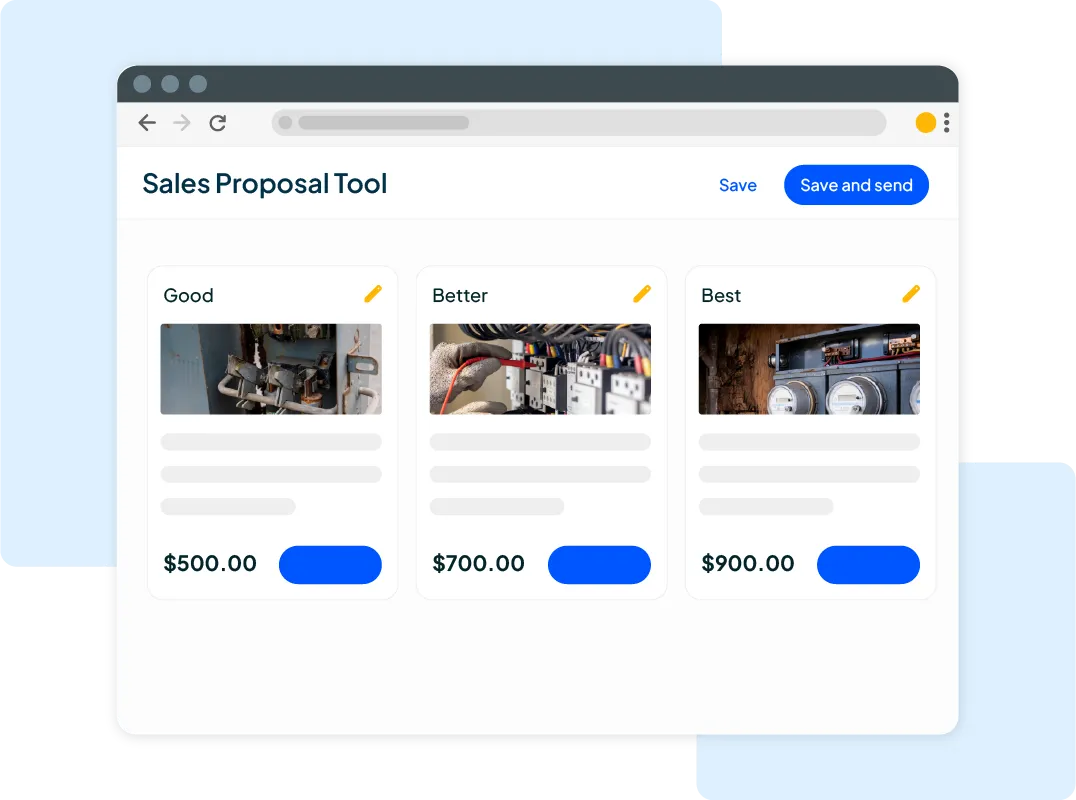
- Create good/better/best packages: Tiered finish options let homeowners self-select into a higher scope without you having to upsell them. A mid-range and premium option on every estimate gives budget-flexible customers a clear path to a larger job.
- Review close rate alongside margin: If you’re closing nearly every estimate, your prices are likely too low. A close rate of 50–70% typically signals your pricing is in the right range for your market—you’re winning the right jobs, not every job.
- Test price increases on new customer estimates first: Rather than raising rates across the board, increase pricing on incoming leads before applying changes to repeat customers. That gives you real market feedback without risking existing relationships.
How to explain home remodeling pricing to customers
Homeowners are more likely to trust your price when they understand what’s included. Break the estimate into clear categories: labor, materials, allowances, subcontractors, permits, project management, and optional upgrades.
Use confident language that explains the scope instead of apologizing for the cost.
Weak: “I know this seems expensive, but materials are just really high right now.”
Stronger: “This estimate includes demolition, labor, materials, subcontractor work, cleanup, and project management. I also separated the fixture allowance so you can control where you want to upgrade or save.”
When finish selections aren’t final, use allowances instead of guessing. Include a tile allowance, fixture allowance, or cabinet hardware allowance in the estimate, then explain that any selection above that amount will be priced as a separate line item before installation begins—so the homeowner knows their options without holding up the project.
How to build a consistent remodeling estimating process across your team
Pricing gets messy when every estimate starts from scratch. One remodeler remembers to include disposal, another forgets a fixture allowance, and someone else prices a small job too low because it “should be quick.” That’s how add-ons get missed, estimates slow down, and jobs that looked profitable start losing margin.
Housecall Pro’s remodeling software helps contractors keep the quoting process more consistent:
- Approved pricing in one place: Build repeatable services so your team uses the same pricing, descriptions, and line items for common remodels.
- Faster estimate turnaround: Create and send professional estimates from the office or field instead of rebuilding each quote from scratch.
- Clearer add-on options: Add optional line items so homeowners can see upgrades, allowances, and extra work before they approve the job.
- Connected job details: Keep customer messages, notes, estimates, invoices, payments, and job history tied to the same project.
- Less duplicate admin work: Carry estimate details into invoices and payments so the office is not re-entering the same information later.
Try Housecall Pro free for 14 days to build clearer estimates, standardize remodeling prices, and keep more of your quoting process in one place.
Home remodeling pricing FAQ
-
How much should I charge for home remodeling?
-
Charge enough to cover labor, materials, subcontractors, permits, overhead, and profit, then adjust for scope, finish level, and project risk. A simple formula: total job cost ÷ (1 − target margin) = project price. For example, if your break-even cost is $4,200 and you’re targeting a 30% margin, your price is $4,200 ÷ 0.70 = $6,000. See the pricing table above for national benchmarks by project type.
-
Should remodelers use fixed-price or cost-plus pricing?
-
Fixed-price pricing works well for clearly defined remodeling jobs, while cost-plus pricing is better for complex projects where scope, selections, or site conditions may change. You can also start fixed-price and convert to cost-plus if discovery work significantly changes the scope—but that switch needs to be spelled out in your contract before work starts, not negotiated after the demo reveals a problem.
-
How do I know if my remodeling prices are too low?
-
Your remodeling prices may be too low if jobs stay busy but cash flow is tight, change orders are not being captured, materials keep eating into margin, or your final hourly revenue is lower than planned. A quick check: calculate your effective hourly revenue on recently closed jobs (final invoice ÷ total hours including project management). If that number consistently falls below your target rate, your pricing isn’t keeping up with your actual cost of delivery. A reliable warning sign is when actual labor hours run more than 10%–15% over estimate on multiple jobs in a row.
-
How often should remodeling contractors raise prices?
-
Remodeling contractors should review prices at least quarterly and adjust whenever labor, materials, subcontractor rates, insurance, fuel, or permit costs increase. You should also revisit pricing when your schedule is full but profit isn’t improving—that’s usually a sign that costs have crept up faster than your rates.
-
How should I handle unexpected damage found during the demo?
-
Include a discovery clause in every contract that specifies how added scope will be priced before work proceeds. A discovery allowance of 10%–15% on older homes (pre-1980) gives you a realistic buffer to quote upfront rather than renegotiate mid-job. Any work beyond that allowance should be priced and approved as a written change order before you proceed.
-
How do I price and present change orders to customers?
-
Price every change order the same way you price the original job: labor, materials, subcontractors, overhead, and margin. Never discount change order work to avoid an awkward conversation—added scope carries the same costs and risks as the base contract, sometimes more.
Present the change order in writing before any additional work begins.Include what changed, why, what it costs, and how it affects the timeline. Customers who understand the reason for a change order are far more likely to approve it without pushback than those who feel surprised by it at invoice time. A signed change order also protects you if a payment dispute comes up later.