Want to see your potential revenue?
See what businesses like yours earn with Housecall Pro in 1 - 2 minutes.
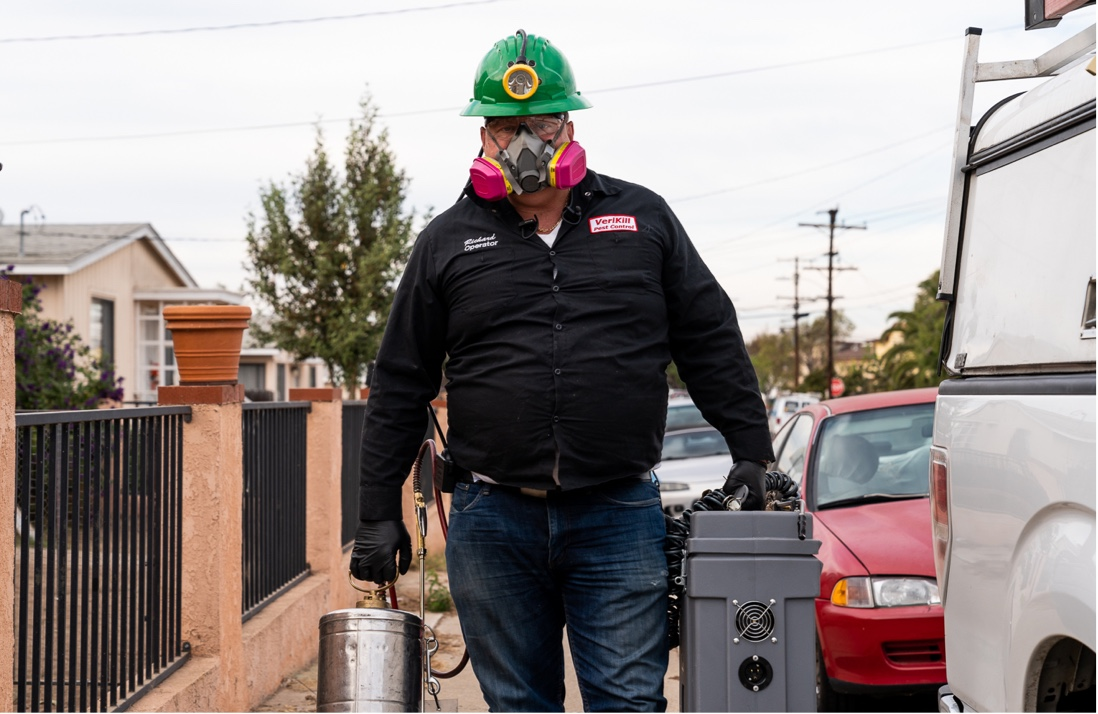
Pest control is a reliable, in-demand field. Whether you’re just starting out or looking to level up, pay can grow quickly with the right role and skills.
This guide covers average pest control technician salaries by state, the factors that impact pay, top-paying roles in the industry, and practical steps for growing your career.
Note: The terms “pest control technician” and “exterminator” are used interchangeably, though some people see “exterminator” as a more traditional term and “technician” as the modern version that reflects today’s broader pest management practices.
Key takeaways:
Here’s a quick snapshot of pest control pay in 2026:
Average annual pay: Pest control technicians earn about $32,000–$62,000 per year in 2026.
Top earners break $70K: Senior techs, inspectors, and sales-focused roles earn significantly more.
Location matters: Urban and high-cost states pay more due to demand and regulation.
Experience drives raises: Pay increases steadily after the first 2–3 years in the field.
Specialization pays off: Termite, wildlife, and commercial pest control pay higher rates.
How much pest control technicians and exterminators make by state
According to 2026 data, pest control technicians typically earn between $32,460 and $61,410, or $15.61–$29.52 per hour.* Where you live plays a major role in where you fall within that range. States with higher housing density, stricter regulations, or year-round pest activity typically pay more.
Here’s a detailed breakdown of the median pest control tech salaries and hourly rates by state:
| State | Hourly | Annual |
|---|---|---|
| Alabama | $19.24 | $40,020 |
| Alaska | $23.05 | $47,930 |
| Arizona | $18.73 | $38,960 |
| Arkansas | $17.19 | $37,240 |
| California | $21.81 | $45,370 |
| Colorado | $19.12 | $39,770 |
| Connecticut | $22.52 | $46,830 |
| Delaware | $21.29 | $44,283 |
| Florida | $22.02 | $45,790 |
| Georgia | $20.97 | $43,610 |
| Hawaii | $23.28 | $48,420 |
| Idaho | $20.51 | $42,650 |
| Illinois | $22.27 | $46,310 |
| Indiana | $22.66 | $47,130 |
| Iowa | $17.55 | $36,510 |
| Kansas | $21.81 | $45,370 |
| Kentucky | $18.39 | $38,250 |
| Louisiana | $20.00 | $41,600 |
| Maine | $24.01 | $49,940 |
| Maryland | $21.06 | $43,790 |
| Massachusetts | $22.02 | $45,790 |
| Michigan | $21.79 | $45,320 |
| Minnesota | $22.03 | $45,830 |
| Mississippi | $18.09 | $37,620 |
| Missouri | $18.54 | $38,570 |
| Montana | $21.55 | $44,820 |
| Nebraska | $17.83 | $37,090 |
| Nevada | $21.31 | $44,320 |
| New Hampshire | $23.44 | $48,750 |
| New Jersey | $22.29 | $46,370 |
| New Mexico | $17.47 | $36,340 |
| New York | $23.31 | $48,470 |
| North Carolina | $18.05 | $37,530 |
| North Dakota | $23.48 | $48,840 |
| Ohio | $20.88 | $43,420 |
| Oklahoma | $17.73 | $36,880 |
| Oregon | $20.64 | $42,930 |
| Pennsylvania | $21.78 | $45,310 |
| Rhode Island | $22.43 | $46,660 |
| South Carolina | $18.25 | $37,960 |
| South Dakota | $18.68 | $38,850 |
| Tennessee | $21.09 | $43,870 |
| Texas | $20.90 | $43,470 |
| Utah | $20.41 | $42,460 |
| Vermont | $22.25 | $46,280 |
| Virginia | $21.24 | $44,180 |
| Washington | $24.13 | $50,190 |
| West Virginia | $18.24 | $37,930 |
| Wisconsin | $23.26 | $48,370 |
| Wyoming | $17.80 | $37,030 |
*All data compiled from the U.S. Bureau of Labor Statistics.
What states pay pest control techs the most?
The best-paying states for pest control have higher costs of living and strong commercial demand. For example, New York has some of the highest cost-of-living areas in the country, and pest control salaries reflect that.
Here’s a closer look at the five highest-paying states for pest control professionals and exterminators:
| State | Low | Median | High |
|---|---|---|---|
| Washington | $38,490 | $50,190 | $62,020 |
| Maine | $40,090 | $49,940 | $62,950 |
| North Dakota | $36,380 | $48,840 | $80,580 |
| New Hampshire | $40,020 | $48,750 | $66,250 |
| New York | $39,180 | $48,470 | $75,640 |
What states pay pest control techs the least?
The lowest-paying states for pest control are mostly in the Midwest (Iowa, Nebraska, Oklahoma), reflecting the overall low costs of living. New Mexico and Wyoming are both sparsely populated and have fewer common pests due to their dry climates, leading to lower average salaries for technicians and exterminators.
| State | Low | Median | High |
|---|---|---|---|
| New Mexico | $28,820 | $36,340 | $45,640 |
| Iowa | $30,700 | $36,510 | $50,030 |
| Oklahoma | $28,210 | $36,880 | $50,570 |
| Wyoming | $25,300 | $37,030 | $60,970 |
| Nebraska | $31,090 | $37,090 | $53,060 |
Pest control technician and exterminator salary by experience level
Experience remains the biggest driver of pay growth in pest control. As technicians gain certifications and manage larger or more complex accounts, compensation rises accordingly.
| Experience Level | Annual Salary | Hourly Rate |
|---|---|---|
| Entry (0–2 years) | $36,000 | $18 |
| Intermediate (2–4 years) | $40,000–$50,000 | $20–$25 |
| Senior (4+ years) | $60,000+ | $30+ |
Highest-paying pest control jobs
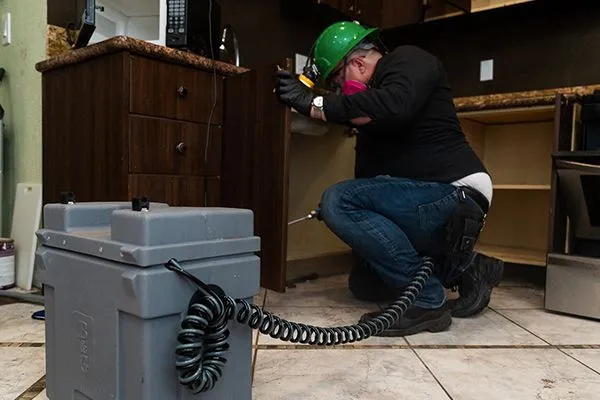
Some pest control roles pay more due to added responsibility, training, or revenue impact. These positions often include bonuses or commissions on top of base pay:
- Account executive ($76,000–$121,000): Pest control account executives focus on sales, helping new and existing customers diagnose pest issues and recommending additional services or products.
- Branch manager ($63,592–$103,380): Branch managers oversee daily operations at franchise or regional locations, supervise technicians, handle sales for new customers, and may perform services as needed.
- Senior commercial pest control technician ($60,000–$80,000): Senior commercial techs diagnose complex infestations and design treatment plans for high-risk environments, including large-scale or recurring termite issues.
- Wildlife removal technician ($55,000–$75,000): Wildlife techs handle animal removal and exclusion work for pests like raccoons, bats, and squirrels. These roles pay more due to added risk, specialized training, and repair or prevention services.
- Termite inspector ($63,000–$105,000): Termite inspectors specialize in identifying early and hidden signs of termite activity and creating treatment plans that minimize structural damage.
- Commercial day route technician ($52,000–$65,000): Commercial day route techs service business clients during standard hours, handling specialized work such as hotel bedbug inspections or pest prevention for food production facilities.
What influences pest control and exterminator pay?
Several factors influence how much a pest control technician earns, including location, experience level, and the types of services offered. Technicians working in regulated markets or handling complex infestations typically earn higher wages.
- Certifications: State licenses and specialized certifications can raise your earnings.
- Role: Supervisors and sales staff earn more than general techs and exterminators.
- Market demand: Dense urban and high-infestation areas can offer more commercial accounts with bigger service contracts.
- Unionization: In rare markets with organized labor, wage floors and benefits tend to be higher.
- Seasonality: The work often peaks in spring and summer, and slows in winter (unless you have diversified or commercial routes).
How to increase your pest control salary
According to the BLS, pest control jobs are expected to grow about 5% over the next decade. Luckily, you don’t have to wait a decade to start making serious money. Here are a few steps you can take to increase your earnings.
- Get advanced or specialty certifications, like becoming EPA certified or a Certified IPM Technician.
- Pursue supervisory, sales, or training roles for a steady bump in pay.
- Seek out large commercial accounts—more complexity means higher pay.
- Move to higher-demand or higher cost-of-living states (but check the overall job market first).
- Consider starting your own business, where you set rates, choose accounts, and keep more profits.
Starting your own pest control business
Launching your own pest control business is a great way to unlock higher earning potential. You could purchase a franchise license from a national corporation like Orkin or TruGreen, which comes with the benefits of national advertising and a familiar name. Or you could start your own company. Many consumers prefer small, family-owned businesses, and you may find it easier to get loans from the Small Business Administration (SBA).
Whichever route you take, how you run your business is just as important as your skills and experience. With Housecall Pro’s pest control software, you can spend more time in the field and less time chasing invoices and worrying about product levels.
Housecall Pro’s software is compatible with both independent owner-operator pest control businesses and franchises. It can help you:
- Schedule and dispatch jobs from your phone or laptop
- Immediately communicate schedule changes and additions to your route drivers
- Create custom quotes in minutes using a branded template
- Easily convert quotes to invoices for consistency
- Track performance metrics to manage profitability
- Order more easily
- Balance your books (Housecall Pro integrates with popular accounting software)
- Better manage customer relationships for repeat business, referrals, and positive online reviews
Want to try the features yourself? Sign up for our free 14-day trial.
Pest Control Salary FAQ
-
How long is pest control training?
-
Pest control training usually takes three to six months, depending on your state’s requirements and whether you’re completing classroom instruction, hands-on training, or both. Some states also require passing a licensing exam before you can start working independently.
-
What is the difference in pay between a pest control technician and an exterminator?
-
In most cases, the terms “technician” and “exterminator” are used interchangeably, so pay differences are minimal. However, technicians with specialized training (such as termite control or fumigation) may earn slightly more than general exterminators thanks to the added skillset.
-
Do commercial pest control specialists earn more than residential technicians?
-
Yes, commercial pest control work is larger and more complex, and brings in higher earnings than residential-only routes.
-
Can pest control workers earn commission or performance bonuses?
-
Many pest control companies offer commission or bonuses for upselling services, bringing in new clients, or maintaining high customer satisfaction. This can significantly increase overall compensation, especially for technicians who excel in sales and customer service.
-
How does union membership affect pay in the pest control industry?
-
Unionized pest control workers may receive higher base wages, better overtime rates, and stronger benefits packages than non-union employees. They also tend to have more job security and structured pay increases through collective bargaining agreements.
-
How do seasonal fluctuations affect pest control earnings?
-
Pest control demand typically rises in spring and summer, which can mean more hours and overtime pay. During winter, work may slow down in colder regions, leading to reduced hours. Some companies balance this with year-round contracts or diversified services