Want to win more jobs with less effort?
Grow your business and send quick quotes with our home service software.

Want to see your potential revenue?
See what businesses like yours earn with Housecall Pro in 1 - 2 minutes.
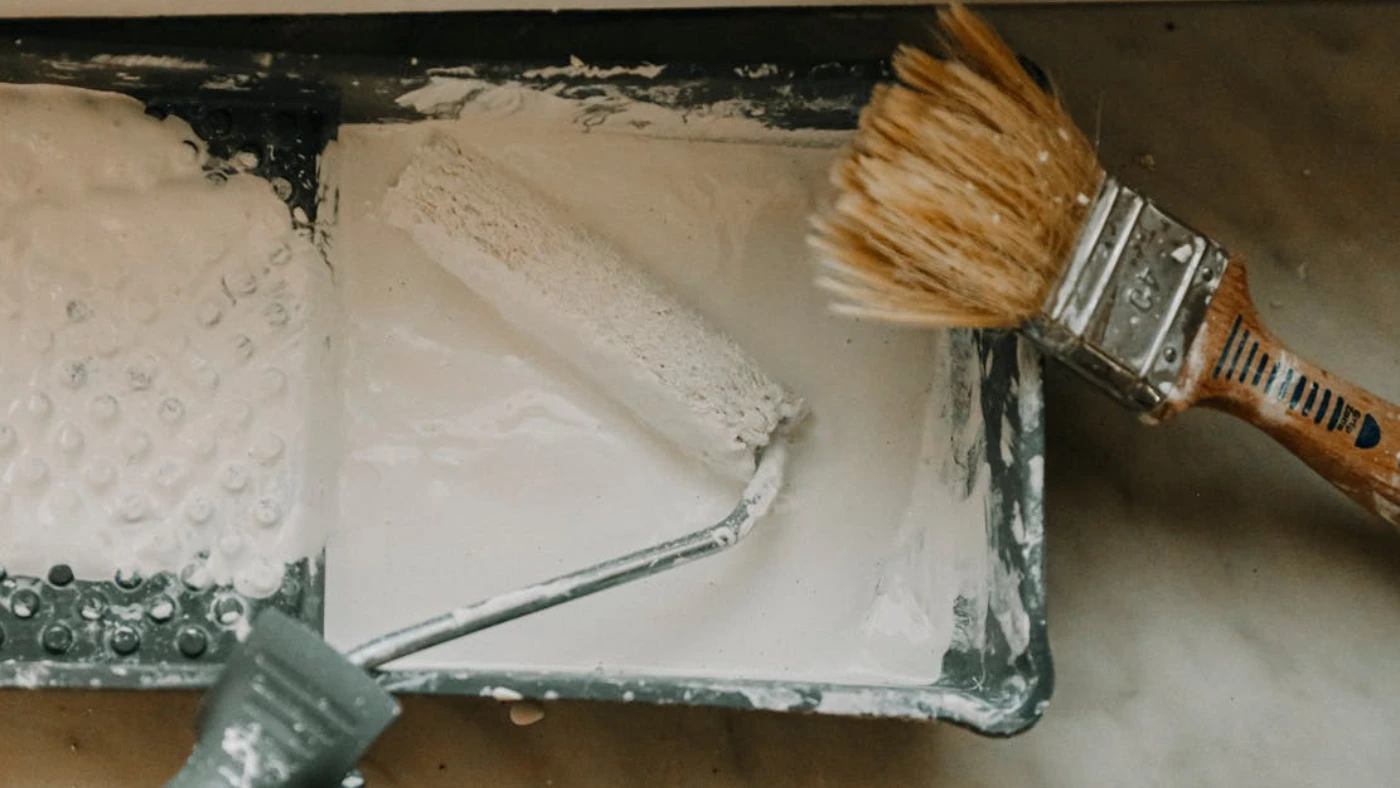
Painting work is competitive. Without good marketing, even skilled crews can miss out on jobs. To book consistent work, you need to get found, build trust, and make it easy for customers to hire you.
This guide covers 10 painting marketing strategies to help you attract more leads and keep your schedule full year-round.

Score your online presence
See how visible and trustworthy your business looks online.
Quick answer: How do you market a painting business?
Start by claiming your Google Business Profile, building a simple website, and asking every customer for a review after finishing the job. From there, add Google Ads or Local Services Ads to fill schedule gaps, and use social media to show your work. Most painters see traction within 30–90 days with paid ads and 6+ months with SEO. The sooner you start, the sooner results build momentum.
Key takeaways
Follow these painting marketing basics:
Be easy to find: Get your business in front of homeowners on Google, social media, and in your local community.
Build trust fast: Share real project photos, verified reviews, and your team’s info where people can see them.
Look consistent: Use the same name, logo, colors, and messaging everywhere.
Diversify your channels: Balance fast leads from ads with long-term growth from SEO and referrals.
Follow up quickly: Speed matters when a homeowner is comparing painters.
Table of contents
- 1. Build a strong painting brand
- 2. Create a professional painting website
- 3. Optimize for painting SEO
- 4. Run paid ads
- 5. Use direct mail marketing to reach local homeowners
- 6. Generate painting leads with reviews and referrals
- 7. Engage on social media
- 8. Use email and text to turn one-time customers into repeat business
- 9. Use vehicle wraps and signage
- 10. Network and partner locally
- 11. Market differently for commercial vs. residential painting clients
- How to make a painting marketing plan (step-by-step)
- How to market your painting business without doing it all manually
1. Build a strong painting brand
Your brand should make people trust you before they even call. That means a simple name, a clean look, and a message that tells customers what you do without making them guess. If your brand looks sloppy, homeowners might assume the work is sloppy, too.
Follow these steps to set it up right:
- Name your painting business: Skip long, generic names. Choose something easy to remember and tied to painting. A good example is “FreshCoat Painters.”
- Write your tagline: Keep it to 3–7 words and focus on one clear benefit, like speed, reliability, or specialty finishes.
- Design a simple logo: Use text, an icon, or both. Make sure it reads well on trucks, shirts, and job site signs.
- Stay consistent everywhere: Use the same colors, fonts, and name across your website, cards, trucks, uniforms, and signs to help people recognize your brand.
Before you finalize anything, get a few opinions from people who fit your target market. That small check can save you from wasting money on branding that just doesn’t resonate.
2. Create a professional painting website
Your website should turn interest into calls, quotes, and booked jobs. Many homeowners will look you up before they reach out. If the site looks dated, loads slowly, or hides the basics, they’ll move on fast.
Include these pages:
- Homepage: Say what you do, what makes you different, and show trust signals like reviews, certifications, and years in business.
- Services: List each service clearly and add calls to action (CTAs) to give people a direct way to book or request a quote.
- Service area: Name the cities, neighborhoods, and towns you cover.
- About: Share your story, team photos, and project photos.
- Contact: Give people every easy way to reach you, including a form, a phone number, and an email address.
Website speed matters too. According to data from Google, 53% of mobile visitors will leave if a site takes more than three seconds to load. These tips help improve the reader experience:
- Use readable fonts: Make sure the text is also easy to read on a phone.
- Make buttons easy to tap: People shouldn’t have to hunt for the quote button.
- Keep navigation simple: Put the main pages where people expect them.
- Offer online booking and payment: Help customers take the next step quickly.
Pro tip: If customers are calling to book and you’re missing them, integrate Online Booking tools on your painting website so your calendar fills even when you’re on a job.
3. Optimize for painting SEO
Search engine optimization (SEO) helps people find you when they search for terms like “painter near me.” Put simply, it’s how you show up on Google when someone is ready to hire. It’s one of the best ways to get steady leads without paying for clicks. The goal is simple: show Google you’re local, active, and worth calling.
Local SEO
Local SEO helps your painting business appear in Google search results when homeowners nearby look for services like “painter near me” or “interior painters in [city].” If you’ve ever seen a map with three businesses at the top of Google, that’s local SEO.
Here’s how to improve your local SEO:
- Claim your Google Business Profile: Go to Google and search your business name. If it’s not claimed, follow the prompts to verify it. This is your base listing for Google Maps and local search.
- Fill out every detail: Add services, hours, service area, and a clear business description.
- Upload real photos: Show your team, trucks, and newly finished work.
- Ask for reviews: Fresh reviews help with trust and visibility.
- Keep your info consistent: Match your business name, phone number, and address across directories like Thumbtack, Angi, and Yelp.
On-page SEO
On-page SEO is how you set up your website so both Google and homeowners understand what you do and where you work. Think of each page as a sales page for a specific service in a specific area.
Strong on-page SEO includes clear page titles, useful content, and keywords homeowners are already searching for. Use location-specific terms, organized headings, and straightforward information that answers common customer questions.
Follow these tips:
- Build service pages around location terms: Create one page per service + city (for example, “Exterior painting in Dallas”). This helps you show up for local searches.
- Answer real homeowner questions: Create an FAQ section to address common questions before customers need to call.
- Write helpful blog posts: Start with 1–2 simple topics per month, such as “how often to repaint a house.” You can use tools like Google Keyword Planner or SEMrush to identify what topics people are already searching for.
- Match search intent: If someone wants the best painters in Arizona, give them the answer. Show reviews, photos, and proof, not just general info.
Off-page SEO
Off-page SEO is about building authority outside your site. Google looks at other sites to decide if your business is legit. The more trusted places mention or link to you, the better you rank.
Focus on these off-page SEO best practices:
- Get listed on local directories: Start with 5–10 key sites like your local Chamber of Commerce, Angi, Yelp, and contractor directories.
- Earn backlinks from relevant sites: Ask partners (realtors, contractors) to list you on their website.
- Use internal links: Connect your service pages so visitors and search engines can navigate your site easily.
4. Run paid ads
Paid ads are the fastest way to get painting leads when you need jobs now. They cost money, but they also put you in front of people who are already looking for painting help. That makes them very useful when you need to fill gaps in the schedule.
| Ad Type | Cost Model | Avg. Lead Cost Range | Best Use Case | Time to First Lead |
|---|---|---|---|---|
| PPC (Google Ads) | Pay-per-click | $30–$80 | Capturing high-intent searchers ready to book | 1–3 days |
| Local Service Ads (LSAs) | Pay-per-lead | $20–$60 | Top-of-search placement with Google Guaranteed badge | Same day |
| Paid Social (Facebook/Instagram) | Pay-per-click or impression | $15–$50 | Brand awareness and seasonal promotions | 1–7 days |
Estimated lead costs for painting businesses in mid-size U.S. markets based on 2025–2026 data from contractor marketing agencies and Google LSA industry reporting. Ranges vary significantly by market competition, seasonality, and targeting.
Pay-per-click (PPC) ads
PPC ads show up when someone searches for painting services on Google. You only pay when someone clicks, so you can control spend while testing what works. Start local and keep the message direct.
Use these tactics for PPC ad quick wins:
- Target high-intent keywords: Try phrases like “painter near me” or “house painting in [your city].”
- Send traffic to the right page: Match the ad to the service page so people don’t bounce.
- Add call buttons: Make it easy for someone to call you right away.
- Use location targeting: Keep ads focused on the areas you actually serve with location assets.
Google Local Services Ads (LSAs)
Google LSAs appear above search results and regular paid ads, and they show a Google Guaranteed badge. That badge can help homeowners feel safer hiring you.
These ads use a pay-per-lead model, so you pay only when someone contacts you, not just when they see the ad. They’re designed for service businesses and are among the fastest ways to get quality leads.
You can speed up your results by completing your profile, uploading photos of your work, and collecting and posting customer reviews.
Paid social ads
Facebook, Instagram, and TikTok can help you reach homeowners who aren’t actively searching yet. That makes them useful for brand awareness, limited-time or seasonal offers, and before-and-after photo proof. Keep the message simple and visual for the greatest impact.
5. Use direct mail marketing to reach local homeowners
Direct mail is most successful when you keep it simple and local. It’s not flashy, but it can still get attention in neighborhoods with the right homes and the right timing. That makes it great for new areas, seasonal work, and repeat outreach.
Try these direct mail formats:
- Postcards with seasonal offers or neighborhood-specific promotions.
- Flyers dropped in areas with older homes or in new communities where demand for painting is high.
- Magnets to keep your number on the fridge after the job is done.
Keep the message tight. Think one offer, one CTA, one clear reason to call.
6. Generate painting leads with reviews and referrals
A homeowner wants proof that you show up, do the work right, and leave the customers happy. Reviews and referrals help prove that.
Here’s how to get more of both:
- Ask right after the job: The work is fresh, and the customer is most likely to respond.
- Send a direct review link: Don’t make people search for where to leave feedback.
- Reply to every review: Keep it professional, even when the review is short (or negative).
- Make referrals easy: Tell happy customers exactly how to send someone your way.
You can also offer a small referral reward, like a discount, a free touch-up, or a minor add-on service. That keeps the ask simple and gives customers a reason to pass your name along.
Pro tip: Housecall Pro’s review management tools can help you automate review requests, so you’re not manually following up with every customer.
7. Engage on social media
Social media works when you use it to show real work, not to act like a content creator. You don’t need to post all day; you just need enough proof for people to see the quality of your work and the types of jobs you handle.
Pick the platforms that fit your market:
- Facebook: Good for local reach and community engagement.
- Instagram: Strong for before-and-after photos and short Reels.
- Nextdoor: Good for building neighborhood trust and getting referrals.
- TikTok: Helpful for quick clips and behind-the-scenes content.
| Platform | Best Content Type | Best Audience | Posting Frequency |
|---|---|---|---|
| Job photos, promotions, reviews | Homeowners 35–65 | 3–5x/week | |
| Before/after photos, Reels | Homeowners 25–50 | 4–5x/week | |
| Nextdoor | Local projects, community reviews | Neighbors in your service area | 2–3x/week |
| TikTok | Time-lapse, behind-the-scenes clips | Homeowners 18–45 | 3–5x/week |
| YouTube | Project walkthroughs, painting tips | Homeowners actively researching | 1–2x/week |
Frequency recommendations based on typical engagement patterns for local home service accounts; adjust based on your capacity and results.
If you’re stumped on what to post, here are a few ideas:
- Before-and-after transformations
- Short clips of painters at work
- Customer testimonials
- Quick advice and basic painting tips
8. Use email and text to turn one-time customers into repeat business
Most customers don’t repaint every month, so you need a simple way to stay in front of them without becoming overwhelming. Texts and emails do that well when you use them with a purpose.
You can use short email or SMS messages for:
- Appointment reminders to keep jobs on schedule
- Seasonal check-ins (for example, reminding customers when it might be time to repaint)
- Limited-time promotions or discounts
- Thank-you notes after each job to leave on a good note
Keep the cadence light. Two or three well-timed messages each year can bring in repeat bookings without feeling spammy.
Pro tip: Housecall Pro’s automated marketing tools can help you send follow-ups and reminders without adding more admin work.
9. Use vehicle wraps and signage
Physical branding makes your business feel like part of the neighborhood. A wrapped truck or a clean yard sign keeps your name in front of locals, and that repeated exposure helps people remember you when they need a painter.
Start with these basics:
- Vehicle wraps: Put your business name, logo, phone number, and services on the truck.
- Yard signs: Place them at job sites where local traffic can see them.
- Magnets or decals: Use them for lighter branding on smaller vehicles.
- QR codes: Send people straight to your website or booking page.
Make your design and messaging easy to read from the street so people can understand it in a few seconds.
10. Network and partner locally
Local partnerships can turn into steady referral work. You’re not cold-selling strangers, you’re connecting with people who already work around your ideal customers. That makes the leads quicker and often cheaper to win.
Good local partners for painters include:
- Realtors who need homes painted before listings go live.
- Contractors who need painters for remodels and new builds.
- Property managers who need dependable crews to paint multiple units.
- Local event sponsors who help you build name recognition in the area.
Start by introducing yourself to five local property managers this month. Bring a one-page sheet with your services, turnaround times, and pricing range—property managers hire fast when they find a painter they can count on.
Read more: How to get more painting leads
11. Market differently for commercial vs. residential painting clients
Residential and commercial painting require completely different marketing approaches, and mixing them up wastes time and money.
- Residential clients find you through Google, reviews, and word of mouth. Your Google Business Profile, before-and-after photos, and Nextdoor presence do most of the work. The goal is visibility and trust at the moment someone decides to repaint.
- Commercial clients—property managers, general contractors, building owners—rarely search Google for a painter. They hire through referrals and existing relationships. By the time they’re looking, they usually already have someone in mind.
To break into commercial work, skip the ads. Start with direct outreach instead:
- Introduce yourself to five local property managers this month. Bring a one-pager with your services, crew size, turnaround times, and pricing range.
- Connect with general contractors who handle remodels and new builds—they need reliable painters on call.
- Ask your best residential customers if they own rental properties or know anyone who does.
One reliable commercial relationship can be worth 10–20 residential jobs a year. But it takes longer to build—expect 2–3 months of outreach before you see consistent referrals.
Get In Touch: 858-842-5746
Let us earn your trust
On average, Pros increase monthly revenue generated through Housecall Pro by more than 35% after their first year.
See plan options and feature breakdown on our pricing page.
How to make a painting marketing plan (step-by-step)
Don’t try to launch everything at once. That usually burns time, money, and attention. Pick a few channels, track what they bring in, and build from there. Use this framework:
Step 1: Define your marketing goals
Before you spend any money, decide what success looks like. Set goals that are specific, measurable, and tied to a specific time period.
For example:
- “I want to generate 15 new leads per month within 90 days.”
- “I want 30% of my revenue to come from repeat customers by year’s end.”
- “I want to grow monthly revenue from $8,000 to $15,000 in six months.”
Pick one short-term goal and one longer-term goal, then build your marketing plan around meeting those goals.
Step 2: Identify your target customers
Different customers care about different things, so your messaging should reflect what’s important to each target audience.
Here are three common audiences for painting businesses:
| Audience | What they care about | Best channels |
|---|---|---|
| Homeowners | Trust, quality, and visible results | Google, Facebook, Nextdoor |
| Landlords | Speed, reliability, and fair pricing | Email, direct outreach |
| Property managers | Volume, consistency, and clean invoicing | LinkedIn, direct outreach |
Step 3: Choose your marketing channels
Trying to be everywhere at once spreads your resources thin. Start with the channels that bring in the best leads fastest.
These are good starting points for local painting businesses:
- Google Business Profile: Helps you show up in local search results.
- Reviews: Help you win trust fast.
- Google Ads or LSAs: Help you get leads sooner.
Step 4: Set your budget and timeline
Decide what you can spend each month and give each channel enough time to work before you judge its performance.
Give paid ads about 30 days, organic social about 90 days, and SEO at least six months to show results. Track calls, quotes, and booked jobs by channel. Then put more money into what actually pays off to build a steady lead flow.
Step 5: Track performance and adjust
Check monthly: which channel brought in the most calls, quotes, and booked jobs? Cut what isn’t working and double down on what is. Use Google Analytics, your Google Ads dashboard, and Housecall Pro’s reporting tools to track results without digging through spreadsheets. Encourage consistency over trying everything at once. Two channels executed well will outperform six channels done halfway.
Pro tip: If you’re tracking quotes and notice a gap between quotes sent and jobs booked, follow-up is usually the fix. Most painters send a quote and wait. A simple text 48 hours later can recover jobs that were never actually lost—the customer just got busy.
How to market your painting business without doing it all manually
Most painting business owners don’t have time to chase reviews, send follow-ups, and run email campaigns on top of managing jobs. Here’s what Housecall Pro’s painting contractor software keeps running in the background:
- Keep every lead warm: Automated follow-up messages go out after every job, so nothing slips through the cracks and repeat business builds on its own.
- Build reviews automatically: Review request texts get sent after every job so your Google profile stays fresh without a single manual ask.
- Stay top of mind between jobs: Email and SMS campaigns reach past customers at the right time, so when they’re ready to repaint, your name comes up first.
- Fill your calendar 24/7: Online booking lets customers schedule without calling, even when you’re on a job.
- See exactly what’s driving revenue: Advanced reporting tracks which channels bring in the most work so you always know where to put your budget.
Ready to simplify your operations? Start a 14-day free trial of Housecall Pro today.
Painting marketing FAQ
What’s the most effective marketing strategy for a painting business?
Google Business Profile optimization combined with consistent review collection gives you the highest ROI fastest. It helps you show up in local search at no cost and builds the trust homeowners need before they call. Once that’s in place, add Google Ads or LSAs to fill schedule gaps quickly.
How much should a painting business spend on marketing?
Most small businesses spend 7%–10% of gross revenue on marketing, per U.S. Small Business Administration data, and service businesses often land on the higher end. For a painting business bringing in $15,000/month, that’s roughly $1,050–$1,500. Start lean, track what works, and scale the channels that pay off. Start lean, track what works, and scale up the channels that pay off.
How do I market my painting business with no money?
Start with what’s free: claim your Google Business Profile, post before-and-after photos on Facebook and Nextdoor, and ask every customer for a review and a referral. These three things alone can fill a schedule—especially in a new service area where you’re building visibility from scratch.
How long does it take for painting marketing to start working?
Google Ads and LSAs can bring leads within 24–72 hours. SEO typically takes 3–6 months to show results. Reviews and referrals build over time—the earlier you start collecting them, the faster they pay off. Build both: fast channels for immediate jobs and slow channels for long-term growth.
How do painting businesses get jobs in the slow season?
Shift your focus to interior work. Repaints, accent walls, cabinet refinishing, and basement finishes all happen year-round regardless of weather. Email or text past customers in late January with a simple interior promotion to book February and March slots early. You can also use slow months to pitch property managers and landlords who need units turned over between tenants—they don’t wait for good weather. Painters who stay in front of past customers during winter consistently fill their spring schedule faster than those who go quiet.