Want to win more jobs with less effort?
Grow your business and send quick quotes with our home service software.

Want to see your potential revenue?
See what businesses like yours earn with Housecall Pro in 1 - 2 minutes.

Growing an HVAC business shouldn’t feel like climbing a ladder with missing rungs. Most owners have technical skills, but struggle with pricing, scheduling, hiring, and managing cash flow. The companies that succeed are the ones that learn how to run their businesses strategically, not just get jobs done.
In this guide, we’ll cover proven strategies to expand your services, book more jobs, retain customers, and scale your team without burning out.
Jump ahead
- Why most HVAC businesses struggle to grow
- 1. Build a strong foundation
- 2. Invest in HVAC marketing strategies that work
- 3. Increase your HVAC business revenue
- 4. Track overhead and job costing to stay profitable
- 5. Automate operations to handle more jobs with less effort
- 6. Recruit and build a strong HVAC team for the future
- 7. Provide excellent customer service
- 8. Carry the right HVAC business insurance
- 9. Find a mentor for long-term success
- 10. Invest in business coaching
- Take your HVAC business to the next level
Why most HVAC businesses struggle to grow
Most HVAC companies don’t fail because they lack skill. They fail because the business side gets harder to manage as demand increases. When the schedule is full, admin tasks pile up, cash flow gets tight, and owners end up working in the business instead of on it.
These are the obstacles that hold HVAC businesses back the most:
- Finding and retaining qualified HVAC technicians: Great techs are in high demand, and hiring the wrong person can slow your entire operation down. Keeping strong technicians requires maintaining strong communication, providing career growth opportunities, and maintaining a positive culture—not just handing out a paycheck.
- Managing cash flow: More than 80% of businesses fail because of cash flow problems—not lack of sales. Slow-paying customers, emergency equipment expenses, seasonal slumps, and underpriced jobs drain your bank account fast.
- Outdated or manual processes: Paper invoices, sticky notes, spreadsheets, and endless phone calls create bottlenecks. As the schedule fills, these manual processes break down and create missed appointments, forgotten invoices, and customer miscommunication.
- Rising competition in the HVAC market: More HVAC companies are advertising using Google Local Service Ads, paid search, and social media. These new competitors often enter the market with lower prices or aggressive digital marketing.
- Inconsistent or ineffective marketing: The “word-of-mouth only” approach doesn’t work in 2026. Without a plan to generate leads, you’ll have to rely heavily on luck or seasonal surges. HVAC businesses grow when leads are consistent, not sporadic.
These challenges can seem intimidating, but they don’t have to be. We’ll cover the systems, tools, and strategies that help HVAC businesses break through these roadblocks and grow with confide
What you need to grow your HVAC business
Growing your HVAC business takes planning, smart systems, and a focus on both profit and customers.
Update your business plan: Regularly review service areas, pricing, staffing, revenue targets, and marketing strategies to keep your business profitable and scalable.
Find your competitive edge: Identify what sets your HVAC business apart and focus on services you can deliver exceptionally well to attract loyal customers.
Invest in marketing strategies: Build visibility with a strong brand, SEO, social media, email campaigns, and local advertising to generate leads consistently.
Optimize operations and team performance: Train technicians effectively, recruit top talent, and create systems for scheduling, invoicing, and dispatch to handle more jobs with less stress.
Track finances and profitability: Monitor overhead, job costing, and service margins to ensure each job contributes to growth and sustainability.
Protect your business and seek guidance: Maintain proper insurance coverage and consider mentorship to navigate challenges, accelerate growth, and avoid costly mistakes.
1. Build a strong foundation
Before you can scale your HVAC business, you need a solid foundation. That means regularly revisiting your business plan, defining what sets you apart, and focusing your efforts where they’ll make the biggest impact.
Update your business plan
Your business plan is a living document, not just something you file away after you’ve launched. Review it quarterly or at least annually to reflect changing market conditions, new services, staffing shifts, and revenue performance.
Update your:
- Target service areas and customer types: Adjust based on where you’re seeing the most demand or where new opportunities arise.
- Service mix and offerings: Add new services, phase out underperforming ones, and highlight your most profitable offerings.
- Pricing strategy and margins: Recalculate based on labor, materials, overhead, and market changes to maintain healthy profitability.
- Revenue targets: Update monthly and annual goals based on actual performance and seasonal trends.
- Hiring and staffing plans: Align timelines and roles with real workload, factoring in new hires, promotions, or training needs.
- Marketing strategy: Revise campaigns, channels, and messaging to reflect what’s driving leads and conversions most effectively.
→ Download our HVAC business plan template for a quick start.
Find your competitive edge and own it
If you blend in with every other HVAC provider, you’ll compete on price alone. But when you identify and showcase what makes your business unique, you give customers a reason to choose—and remember—you over the competition.
“Don’t try to be everything to everyone at the beginning,” says Sergey Nikolin, President and co-founder of Product Air Heating & Cooling. “Start with a narrow set of services you can deliver really well. Only expand if you have the staff and systems to support it. Offering too much too soon spreads you thin and hurts both quality and profitability.”
When you become an expert in a specific area of service, “you can easily craft your sales pitch to be more appealing,” explains experienced HVAC tech and contractor Dave Miller. Customers pay more for expertise, so position yourself as the go-to expert in a profitable service category.
Use the “sniper approach” to dominate local markets
Rather than trying to market everywhere, focus on a specific service area. Miller calls this the “sniper approach,” where you can build up a strong reputation and people will get used to seeing your service vehicles and logo. As you grow, you can expand that area wider and wider.
2. Invest in HVAC marketing strategies that work
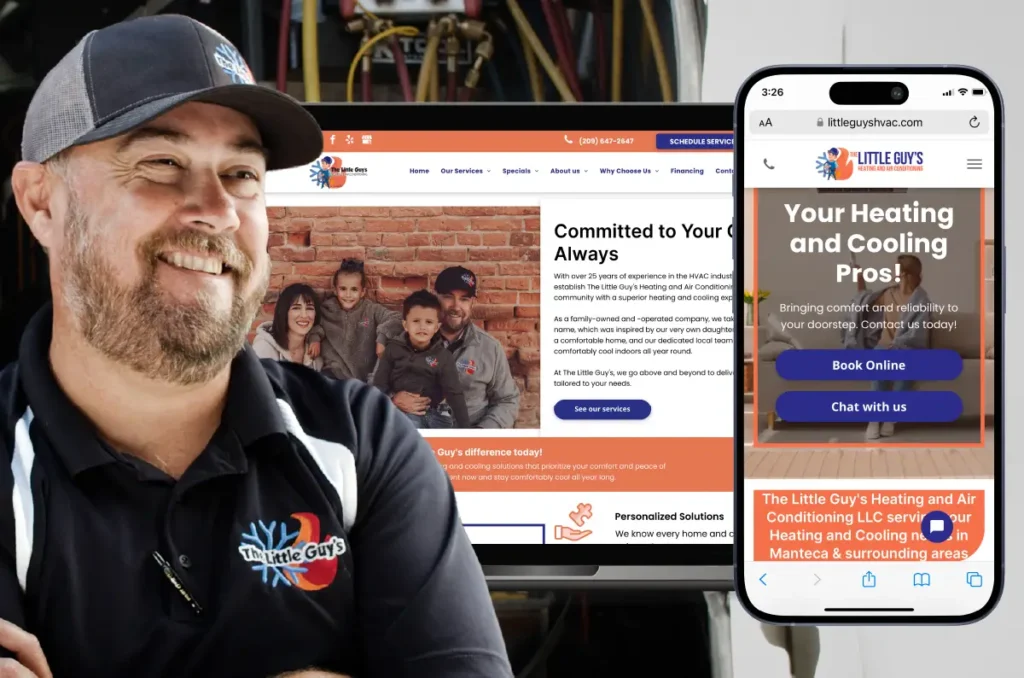
Marketing is the engine that drives steady HVAC leads. The most successful HVAC companies build visibility through social media, strong websites, consistent branding, and active community involvement.
We’ll cover the basics below. For a deeper, step-by-step strategy, see our full HVAC marketing guide.
Strengthen your brand identity
Branding is about more than a strong logo. It’s how homeowners experience your company at every touchpoint—your uniforms, trucks, digital presence, tone of voice, and customer reviews.
Here are some ways to level up your HVAC branding:
- Use consistent colors, fonts, and tone across all channels (website, social media, invoices, and ads)
- Wrap your vehicles or refresh existing graphics to stand out on the street
- Display transparent, uniform pricing so homeowners know what to expect
- Maintain and actively request reviews; add QR codes to invoices, trucks, and door hangers to make leaving a review easy
Improve your HVAC website to drive more bookings
In the digital age, a professional website isn’t just nice to have for your HVAC business—it’s absolutely crucial. A strong site should load fast, look clean, and make it easy for someone to book a job without digging around.
Optimize for conversions (CRO strategies)
Whether you’re building a website for the first time or strengthening your existing one, make sure you’re optimizing to bring in qualified leads—not just traffic. Small improvements to speed, layout, and content can dramatically increase how many homeowners actually contact you.
- Ensure mobile-friendly design and fast loading: Make sure your site works well on all devices and loads in under 3 seconds.
- Review your call-to-action placement: Make sure your “Book Now” or “Request Service” button is easy to find on every page, especially on mobile. If it’s buried or blends in, you’re losing jobs.
- Streamline contact methods: Keep forms short and include click-to-call buttons for quick connections.
- Replace outdated or generic photos with real team shots: Homeowners want to see who they’re hiring. Update your site with current photos of techs, vans, installs, and your office to build instant trust.
- Tighten your service pages: Make sure each page clearly explains the service, who it’s for, and why they should choose you. Add FAQs, before/after photos, and brief explanations of your process to boost conversions.
- Refresh your reviews section: Add new Google, Yelp, or Facebook reviews—ideally from the past 90 days. Fresh feedback tells homeowners you’re still delivering great work.
→ See examples of high-converting HVAC websites in our guide or download our HVAC website template.
Boost local visibility with HVAC SEO
To truly harness the power of your online presence, you need to finetune your HVAC website with search engine optimization (SEO). This means adding keywords that relate not just to the HVAC services you offer, but also to your local area. Why? Your website will be more searchable by Google Local Services and other search engines, making it easier for potential customers to find you.
Start by:
- Optimizing your Google Business Profile to improve local rankings
- Adding city-specific keywords to website content (e.g., HVAC repair in Dallas)
- Getting listed on platforms like Angi, HomeAdvisor, and Yelp to increase visibility where customers are already looking
To strengthen your local SEO even more, try publishing content that answers common HVAC questions, like how often to service an AC unit or signs it’s time for a replacement.
Learn more: HVAC SEO: How To Rank Higher and Get More Leads
Run paid HVAC ads to accelerate growth
Paid ads help you scale quickly by reaching homeowners exactly when they need help, like when the AC dies on a 95-degree day or a furnace shuts down overnight. Organic marketing builds long-term visibility; paid ads help get you leads faster and keep you busy during seasonal slumps.
Top-performing channels for HVAC include:
- Google Local Service Ads: LSAs appear at the very top of Google and only charge you for qualified leads. Use them to target people who need help right now, like homeowners searching for emergency repairs or same-day service.
- Google PPC: PPC ads give you more control than LSAs, perfect for filling slow days or pushing seasonal offers. Use them when you want to target specific services or boost calls in certain areas.
- Facebook retargeting: Retargeting ads keep your company in front of people who already visited your website but didn’t book. They’re ideal for nurturing interest and promoting tune-ups or maintenance plans.
Pro tip: Track lead sources inside Housecall Pro so you know which ads produce the highest-value customers.
Learn more: HVAC PPC Guide: How To Build Ads That Actually Convert
Leverage social media to build trust
Before-and-after photos, day-in-the-life videos, and educational tips (like “how to check your filter”) attract homeowners who want to see who they’re hiring.
Here are a few social media content ideas to get you started:
- Maintenance tips: Filter checks, airflow advice, thermostat settings
- Energy-saving advice: Simple upgrades that reduce utility bills
- Seasonal reminders: “It’s AC tune-up season—here’s what to check”
- Behind-the-scenes installs: Techs working, tools used, finished results
- Warranty or repair examples: Explain what broke and how you fixed it
- Team spotlights: Introduce techs, share career stories, celebrate wins
Coming up with topics is only half the job; how you share them matters just as much. Once you know what to post, use these strategies to make your social media content actually work for your HVAC business.
- Post consistently: Even once or twice a week is enough.
- Show real people: Homeowners like seeing who they’re hiring.
- Keep it simple: You don’t need fancy editing. Snap quick photos or 10-second clips on the job; it’s more authentic.
- Include clear calls-to-action: Use captions like “Need help? Book through the link in our bio” or “DM us to schedule your tune-up.”
- Engage your audience: Reply to comments, answer questions, and join local community groups where homeowners ask for HVAC recommendations.
Learn more: HVAC Social Media Made Easy: Post Ideas, Examples & Expert Tips
Use email and SMS marketing to drive repeat business
Not every customer thinks about HVAC maintenance—until they get a reminder. Automate seasonal check-up emails to keep customers on schedule. Offer exclusive discounts and maintenance plans through email campaigns. Follow up on estimates with personalized text messages to close more deals and keep customers engaged. “If you’re not reaching out within minutes of getting a lead, someone else is,” says Irena Martincevic, an industry analyst for the home services site Fixr.com.
Get active in the community to generate leads
Community involvement is still one of the most reliable ways to generate HVAC leads. Homeowners want to hire businesses they recognize and trust.
Opportunities to consider:
- Sponsor or participate in local events, home shows, and charity fundraisers
- Join your Chamber of Commerce or neighborhood HOA meetings to build referral relationships
- Partner with suppliers or manufacturers for co-op marketing or joint events
- Encourage techs to leave friendly “sorry for the noise” door hangers with your branding and contact info in surrounding neighborhoods
→ Ready to put these strategies into action? Check out our step-by-step guide to building an HVAC marketing plan to generate more leads and keep customers coming back.
How Housecall Pro helps with your HVAC marketing strategy
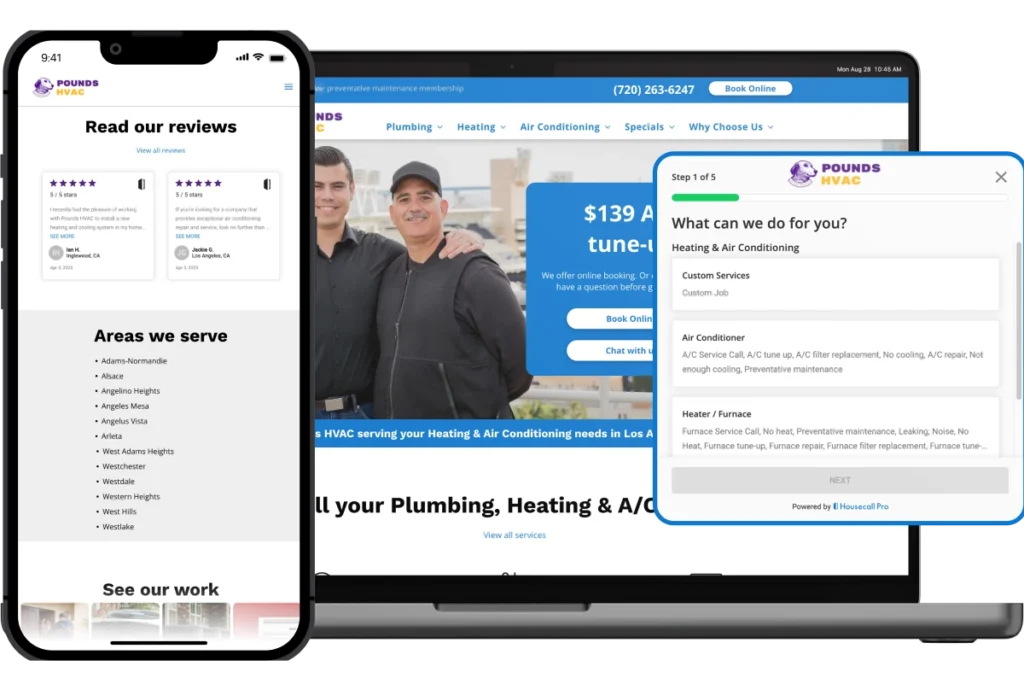
If marketing isn’t your forte, Housecall Pro can help. With our HVAC software, you can:
- Create mobile and SEO-friendly websites: Showcase your services, generate leads, and let customers book appointments from any device.
- Manage your online reputation: Automate review requests, respond quickly, and highlight real feedback from satisfied clients.
- Run text, email, and direct mail campaigns: Send targeted promotions, service reminders, and personalized follow-ups to past and potential customers.
- Manage Google Local Service Ads: Get in front of high-intent customers, track results, and turn clicks into booked jobs.
- Integrate with Angi and Thumbtack: Connect with homeowners, respond to job requests, and convert inquiries into loyal customers.
3. Increase your HVAC business revenue
Growing your revenue isn’t just about taking more jobs—it’s about working smarter and giving customers options that meet their needs. By adding the right services and maximizing the value of each job, you can boost profits, build loyalty, and make your business more resilient.
Add new services strategically
Before adding a new service, test it in your current market. Look for gaps your competitors aren’t serving, ask customers what they need, and focus on services that fit your team’s skills. Document processes and pricing so every tech can deliver consistently, then promote the service through marketing channels to drive awareness and bookings.
Increase your average ticket price
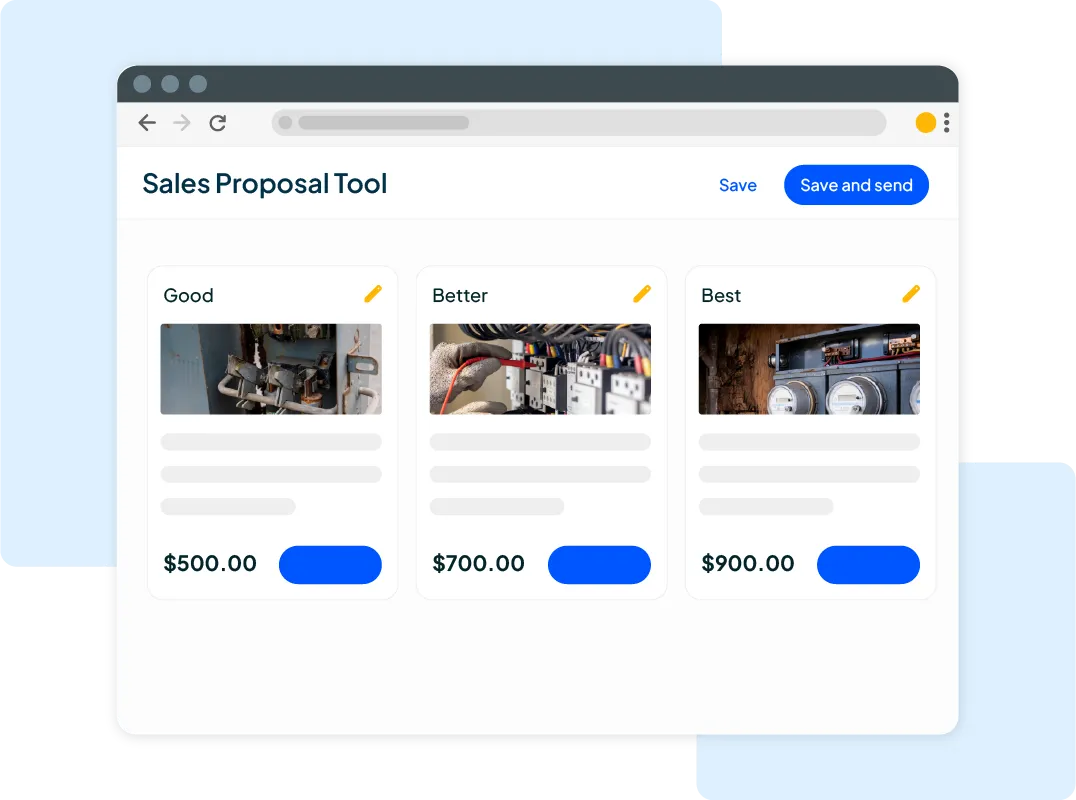
Don’t leave money on the table. Offer “good, better, best” service packages so homeowners can choose the level that fits their needs. Upsell premium services like energy-efficient upgrades, extended warranties, or priority scheduling to boost your profit on every job.
Pro tip: Train techs to naturally suggest these options during service calls. Encourage them to be helpful, not pushy.
Focus on repeat customers
The easiest way to grow revenue is to turn one-time customers into repeat clients. Set up membership programs, seasonal tune-ups, or exclusive deals to give homeowners a reason to call you first.
Expand your HVAC business into new territories
Before jumping into a new city, research demand and competition to confirm there’s room for growth. Start by replicating the systems and services that already work in your current market, then gradually build local awareness through targeted marketing and community engagement.
If you plan to expand into a new state, make sure to check licensing laws first. “Don’t assume your license automatically transfers,” Nikolin says. “Some states have reciprocity deals that can save you from retaking exams, but plenty don’t. Knowing this ahead of time can save you headaches and open doors when you’re ready to grow.”
4. Track overhead and job costing to stay profitable
The “real” cost to run an HVAC business includes much more than tools and vehicles. Labor, fuel, parts, shop supplies, call-backs, office admin, and even time spent on quotes all shape your true profit margins. The HVAC companies that thrive are the ones that measure every job, not just guess.
Common overhead items HVAC owners should track:
- Labor (your time + tech wages)
- Payroll taxes and insurance
- Fuel and vehicle maintenance
- Parts, materials, and inventory
- Shop rent or utilities
- Marketing and advertising spend
- Software subscriptions
- Uniforms, PPE, and consumables
- Callback costs and warranty work
- Administrative time
Tracking these expenses in one place helps you:
- Set profitable hourly and flat-rate pricing
- Avoid undercharging on complex jobs
- Catch rising costs before they erode margins
- Identify which services are most profitable
- Create accurate, transparent estimates for customers
Use a simple spreadsheet or software like Housecall Pro to log all expenses and labor hours for each job. Review your numbers weekly or monthly to spot trends, adjust pricing, and ensure each job is truly profitable. Over time, this will help you make smarter staffing, service, and investment decisions.
→ For tips to price your services for maximum profit, check out our HVAC pricing guide.
5. Automate operations to handle more jobs with less effort
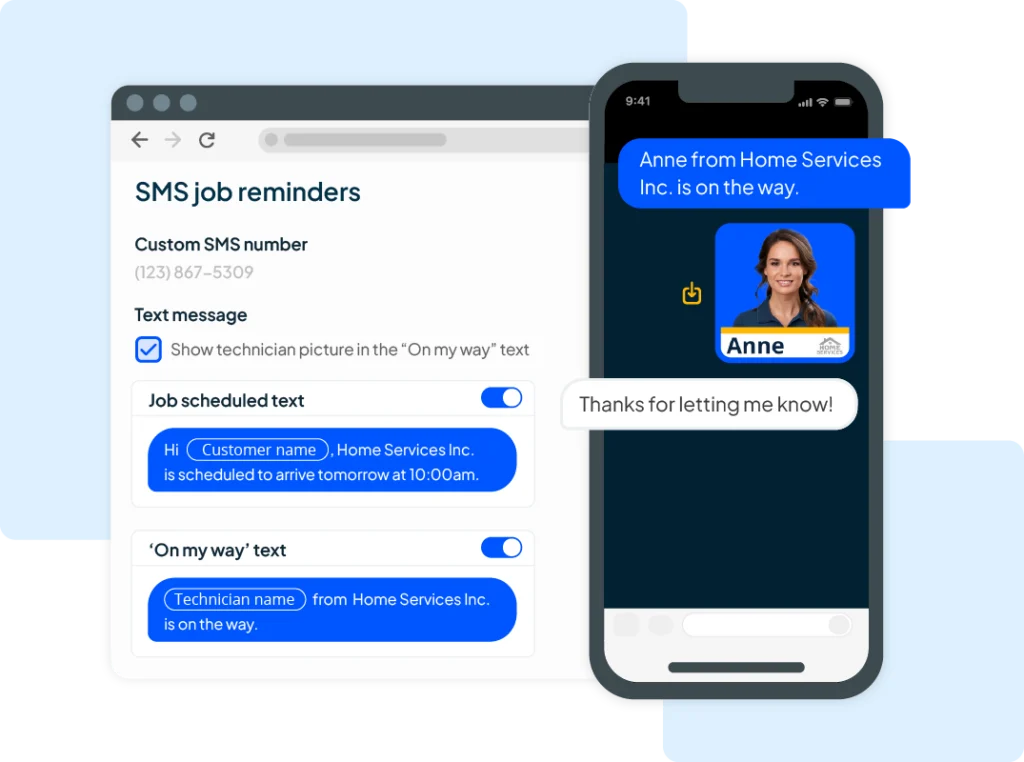
Growing your HVAC business doesn’t mean you have to work twice as hard—it means working smarter. The right systems can help you book more jobs, get paid faster, and keep everything running smoothly.
Housecall Pro brings your entire HVAC operation into one platform, so you can manage everything—scheduling, pricing, invoicing, dispatching, and communication—in one place. Key features include:
- Price book management: Ensure every estimate is accurate, consistent, and profitable, no matter who prepares it.
- Scheduling and dispatching: Keep your team organized and your schedule running smoothly.
- Online booking: Let customers schedule appointments on their own time, reducing missed calls and boosting leads.
- Multi-option proposals: Give customers clear choices tailored to their needs, making it easier for them to say yes.
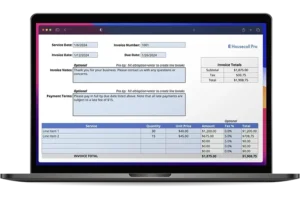
- Digital estimates and invoices: Send professional paperwork instantly and get paid faster.
- Maintenance plans: Create recurring revenue with service agreements that keep your schedule full year-round.
- Job costing: Track labor, materials, and overhead in real time to see your true profit on every job.
- Consumer financing: Make large repairs or system replacements affordable for customers, increasing conversion rates.
By centralizing your operations in Housecall Pro, you reduce errors, save time, and free yourself up to focus on delivering great service and growing your business.
Get In Touch: 858-842-5746
Let us earn your trust
On average, Pros increase monthly revenue generated through Housecall Pro by 35% after their first year.
See plan options and feature breakdown on our pricing page.
6. Recruit and build a strong HVAC team for the future

If you’re turning down jobs because you’re booked solid, it’s a sign you need more hands on deck. “You need to be able to hand off tasks to new employees so they can perform them just as well as you do,” says Danny Reddick, founder and president of the Virginia-based HVAC, plumbing, and electrical company Reddick & Sons. “The moment you start feeling overwhelmed is the moment you need to step back and start creating a system. Hire smart, and don’t be afraid to invest in people who are better at certain tasks than you are.”
How to hire HVAC technicians
The best techs aren’t just skilled, they also know how to talk to customers and represent your business well. Hiring for attitude and technical ability pays off in the long run.
Here are some tips for recruiting top techs:
- Define your ideal candidate: Decide what skills, certifications, and personality traits fit your company culture.
- Use multiple recruiting channels: Post on trade school boards, industry job sites, social media, and local networks.
- Screen for soft skills: Look for candidates who communicate clearly, solve problems, and connect positively with customers.
- Onboard consistently: Give new hires a structured onboarding program with video training and clear processes so they start off learning your best practices.
How to train HVAC technicians
Your technicians represent your business on every service call, which means the quality of their training has a direct impact on your reputation, reviews, and profitability. Strong training programs help new techs ramp up faster, reduce callbacks, and deliver the kind of customer experience that keeps homeowners coming back. These are the most effective methods HVAC companies use to build skilled, dependable teams.
On-the-job training
Shadowing senior technicians is one of the fastest and most effective ways for new hires to learn. Real-world experience teaches them how to diagnose issues, communicate with homeowners, and resolve unexpected challenges that don’t appear in a classroom.
Pro tip: Pair new hires with your strongest communicators—not just your best installers. The soft skills they pick up early will pay off for years.
Classroom training
Formal instruction fills in the technical knowledge that field training can’t always cover. Technical schools, manufacturer-led trainings, code-compliance courses, and hands-on workshops give technicians the deeper understanding they need to work with modern equipment and evolving regulations.
This structured learning builds a reliable foundation that helps techs avoid mistakes and work more efficiently in the field.
Online learning
Online training is one of the most flexible ways for HVAC techs to build skills without pulling senior techs off the schedule. Video tutorials, certification modules, and micro-learning platforms give technicians the chance to learn at their own pace and revisit topics whenever they need a refresher.
How to improve employee retention
Keeping your techs happy reduces turnover and keeps your business running smoothly. Pay matters, but culture and growth opportunities are just as important.
Here are some ways to help retain employees:
- Offer competitive pay and bonuses: Reward hard work and celebrate achievements. Check our HVAC technician salary guide for competitive rates.
- Build a positive culture: Encourage mentorship, team activities, and regular check-ins so techs feel valued.
- Provide clear career paths: Show employees how they can grow in skills, responsibility, or leadership roles.
- Support ongoing training: Keep techs engaged with hands-on coaching, classroom sessions, and online learning that lets them sharpen skills at their own pace.
- HVAC employment application template
- HVAC leave request form template
- HVAC employee handbook template
7. Provide excellent customer service
Great customer service is one of the biggest competitive advantages an HVAC company can have. Homeowners remember how you made them feel just as much as the quality of the repair. Clear communication, professionalism, and reliable follow-up build trust—and trust turns one-time customers into lifelong clients.
These are the customer experience principles that consistently set top HVAC businesses apart.
Present yourself professionally
“Your reputation is your business,” says Reddick. “In this industry, people let you into their homes and trust you with their most expensive appliances. They will only do that if they trust you. Do what you say you’re going to do. Show up on time. Be transparent about pricing. Don’t cut corners.”
Professionalism means:
- Clean uniforms and well-maintained vans
- Friendly greetings and positive body language
- Respectful communication with homeowners
- Protecting floors, furniture, and work areas
- Showing care for the customer’s space and time
Pro tip: Encourage techs to offer a quick “walkthrough summary” before they leave—what they did, what to expect next, and what the homeowner should keep an eye on.
Explain HVAC issues in simple terms
Most homeowners aren’t familiar with refrigerant cycles, air handler mechanics, or static pressure, but they still want to understand what’s happening in their home. Technicians who explain issues clearly create instant trust and higher approval rates.
Here are some ways to simplify your explanations:
- Use visuals (photos, videos, diagrams)
- Break things down with everyday analogies
- Provide a quick summary before diving into details
- Avoid jargon unless you immediately define it
Protect customer privacy
Trust doesn’t just come from good service—it comes from handling information responsibly. Homeowners expect their data, home details, and payment information to be secure.
Here are some best practices:
- Store customer information digitally instead of on paper
- Use secure photos, job notes, and billing details
- Avoid unnecessary sharing of personal or job-related info
- Keep conversations professional and respectful
Pro tip: Housecall Pro uses secure customer profiles so your team never needs to store sensitive information on loose paperwork or text messages.
Follow up after every job
The service experience isn’t over when the tech leaves the driveway. Consistent follow-up shows professionalism and reminds customers you care about the quality of your work, not just the transaction.
Here are some effective follow-up ideas:
- Automated “thank you” messages
- Review requests to boost online credibility
- Maintenance reminders
- Seasonal service recommendations
- Quick surveys to gather feedback
These small touches increase repeat business, improve your online reputation, and help you catch issues before they turn into complaints.
8. Carry the right HVAC business insurance
Even established HVAC companies need to regularly review their insurance to make sure it keeps up with the size and scope of the business. Proper coverage protects you from unexpected financial risks such as job-site injuries, damaged equipment, and liability claims.
Most HVAC businesses carry liability insurance, but as your company grows, you may also need:
- Workers’ compensation to cover employee injuries
- Commercial auto insurance for your vans and service vehicles
- Property coverage for your shop, warehouse, or equipment
- Additional liability or umbrella policies if you take on larger commercial projects
Pro tip: As your revenue, staff, and fleet grow, review your policies annually to ensure limits and coverage types still match your business risk. Updating your insurance now can prevent costly mistakes later.
9. Find a mentor for long-term success
Want to know a secret? 100% of U.S. Fortune 50 companies have mentoring programs. That’s right—every single one. And for good reason. Studies show that while 76% of people believe mentors are important, only 37% actually have one. Plus, those with mentors are happier in their jobs than those without.
Your HVAC business might not be on the Fortune 50 list (yet), but that doesn’t mean you can’t benefit from mentorship. A mentor can fast-track your growth by sharing real-world experience, pointing out pitfalls to avoid, and offering insider industry insights. Unlike a coach, a mentor is often a seasoned HVAC business owner who provides guidance based on firsthand experience.
Where to find a mentor:
- HVAC industry associations: Groups like ACCA (Air Conditioning Contractors of America) and PHCC (Plumbing-Heating-Cooling Contractors Association) often have mentorship programs.
- Local business networking groups: Organizations like BNI (Business Network International) and local Chamber of Commerce chapters are great for finding experienced business owners willing to share advice.
- LinkedIn and Facebook groups for HVAC professionals: Online communities are full of seasoned pros willing to mentor. Engage in discussions and build relationships before asking for guidance.
10. Invest in business coaching

Running an HVAC business takes strong leadership, smart pricing, and a solid growth plan. Business coaching and consulting provides expert guidance to help you develop these skills and avoid costly mistakes. While mentorship offers advice from industry veterans, business coaching provides structured strategies, accountability, and a clear path forward.
Benefits of business coaching
- Gain proven growth strategies tailored to your industry. Learn what works from experts who have helped HVAC businesses scale successfully.
- Improve leadership, hiring, and team management. Strong leadership creates a more efficient, motivated team.
- Get accountability to stay on track with business goals. Regular check-ins keep you focused and moving forward.
- Learn how to price jobs for maximum profitability. Avoid undercharging and build a financially sustainable business.
- Build a scalable system that reduces daily stress. A well-run business operates smoothly, even when you’re not there.
Where to find a business coach
- Online coaching platforms: Business coaching platforms like Housecall Pro‘s provide structured training and expert support.
- HVAC industry-specific coaching programs: Look for coaching tailored to the challenges of running an HVAC business.
- Local small business development centers (SBDCs): Many offer free or low-cost coaching for entrepreneurs.
Take your HVAC business to the next level
Ready to put these strategies into action and simplify your operations? Start your free trial of Housecall Pro today and see how our all-in-one platform can help you book more jobs, get paid faster, and grow your business with less stress.