Want to win more jobs with less effort?
Grow your business and send quick quotes with our home service software.

Want to see your potential revenue?
See what businesses like yours earn with Housecall Pro in 1 - 2 minutes.
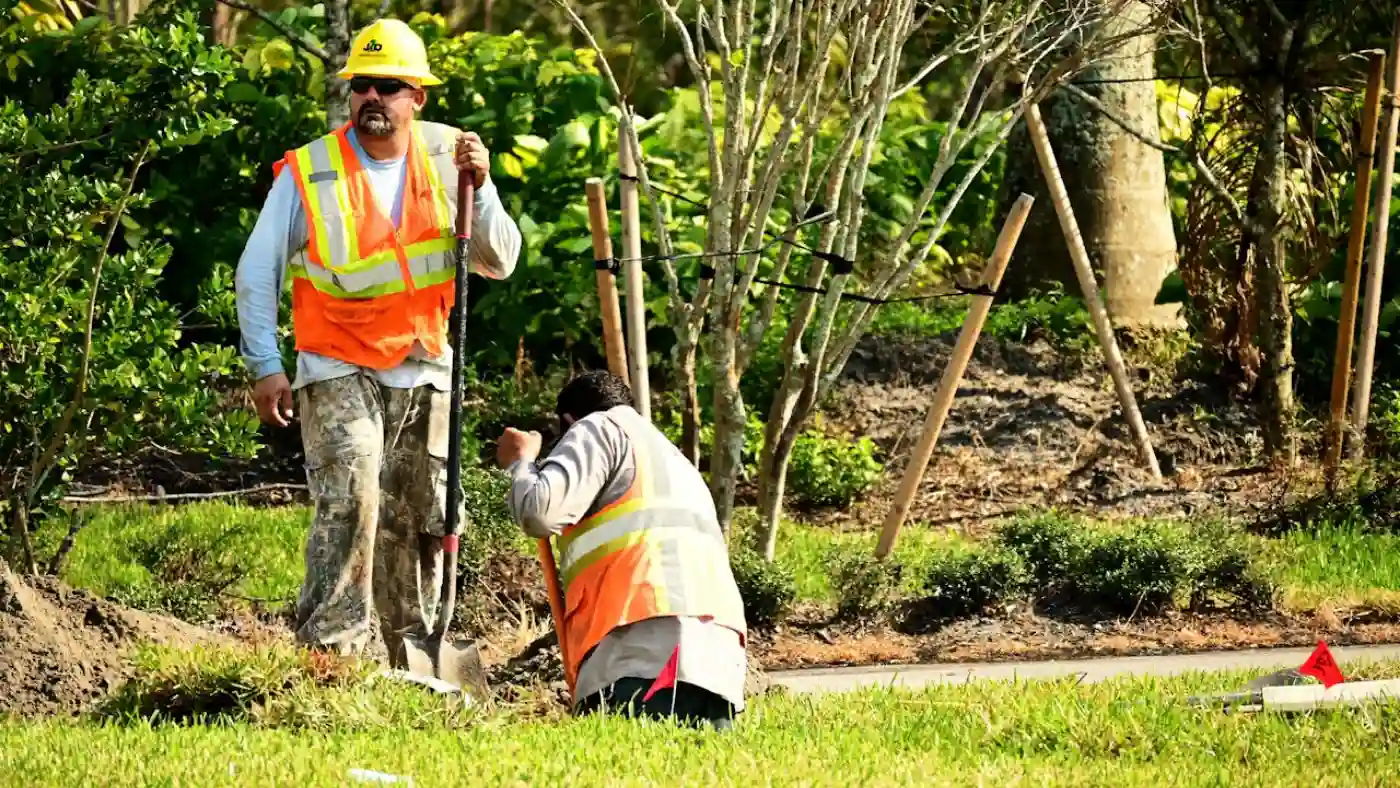
Landscaping is one of the most accessible home service businesses to launch because the initial barriers to entry are low. You’ll need little more than basic tools, a truck, and a solid work ethic to get started. Still, bridging the gap between a side hustle and a profitable company takes thoughtful planning.
This guide breaks down walks you through how to start a landscaping business, find a profitable niche, and build systems that support sustainable growth. You’ll learn what to prioritize first, which services pay the most, and how to build a foundation that scales.
Key takeaways
Turning a truck and mower into a profitable, scalable business requires using these strategies:
Keep startup costs low: Start with basic equipment and residential services to generate cash flow and build recurring revenue fast.
Target consistent demand: Prioritize essential maintenance work that stays steady even during economic downturns.
Build recurring revenue: Lock in weekly, monthly, and seasonal cntracts to stabilize income and simplify scheduling.
Create upsell opportunities: Lock in weekly, monthly, and seasonal contracts to stabilize income and simplify scheduling.
Specialize your services: Develop niche skills to reduce competition and charge higher rates.
Table of contents
- What makes a landscaping business idea profitable?
- Landscaping business ideas for beginners
- Landscaping business ideas for growth
- Specialty and add-on landscaping services
- Residential vs. commercial landscaping
- How to choose the right landscaping business idea
- Turning your idea into a successful landscaping business
- How Housecall Pro helps landscaping business owners
What makes a landscaping business idea profitable?
A profitable landscaping business relies on the fact that outdoor maintenance is a necessity, not just a luxury. Even during economic dips, the need for consistent mowing, tree trimming, and irrigation remains steady. According to the National Association of Landscape Professionals, the landscaping industry has grown about 6.5% each year since 2020—showing steady demand even through the pandemic.
To build a profitable company, focus on services that deliver:
- Recurring work: Weekly or biweekly maintenance jobs create a reliable income stream. 2025 data from Grandview Research shows landscape and garden maintenance makes up about 43% of total revenue, making it the largest segment and a steady source of recurring income compared to one-time projects.
- Easy upsells: A basic lawn care client can eventually become a customer for high-ticket projects like lighting or hardscaping.
- Strong loca visibility: Because most competition is local, you need to win your market through neighborhood referrals and a strong Google Business Profile.
Landscaping business ideas for beginners
Residential services are the best way to get your foot in the door as a new landscaper. They require less upfront investment, and you usually won’t need the same specialized permits or high insurance coverage as you do for commercial work.
Starting small lets you master basic skills while building a customer list you can later transition into more complex, higher-paying jobs.
Lawn mowing and basic lawn care
Mowing, edging, trimming, blowing, and basic cleanup are the bread and butter of the trade. Basic lawn care has low startup costs, high demand, and potential for recurring weekly or biweekly service. You also don’t need much equipment to start. A mower, trimmer, blower, and a reliable vehicle are sufficient to meet the needs of most residential customers.
Here are a few ways to scale:
- Move customers from one-time visits to monthly contracts for predictable revenue.
- Hire crews and use route optimization to fit more jobs into each day.
- Expand into fertilization and weed control to increase the value of every stop.
Learn more: Essential landscaping and lawn care equipment for every stage of your business
Yard cleanup and seasonal services
Yard cleanup and seasonal services complement the basic mowing and edging services you already offer. These early-spring and late-fall services help keep your cash flow steady during transition months when grass growth slows and residential customers need fewer mows.
Common seasonal services include:
- Spring: Removing winter debris, cutting back perennials, and preparing beds for the growing season.
- Fall: Handling leaf removal and general yard upkeep.
- Storm cleanup: Clearing fallen branches and scattered yard waste after heavy weather.
Mulching and planting services
Adding mulching and planting to your basic care packages is an easy way to boost a property’s visual appeal while increasing your profit margins. You don’t need a design degree—you just need to understand proper plant placement and soil health.
How to deliver better results:
- Focus on clean bed edges and consistent mulch depth for a professional, high-end look.
- Offer to pick up plants from the nursery as a value-added convenience for your homeowners.
- Learn about light requirements (shade vs. sun) from local gardening workshops or community college classes.
Landscaping business ideas for growth
Once you’ve mastered the basics and built a solid customer base, specializing in a niche lets you stop competing on price and start competing on expertise. Certifications like those from the International Society of Arboriculture (ISA) or specialized contractor licenses help establish your expertise. Higher-value landscaping services like hardscaping, irrigation, advanced plant care, and landscape design command higher prices.
You’ll need better equipment, specialty tools, and more technical skills to position yourself as an expert in your area. And you may need to change your marketing approach to reach customers who need these specific landscaping services.
Landscape design and installation
Landscape design focuses on planning outdoor spaces,not installation or maintenance. It includes garden layouts, plant selection, drainage solutions, patios, walkways, and outdoor living areas. Experience in CAD design, horticultural knowledge, and creative design skills are essential for this niche.
Transitioning into a design consultant allows you to sell your creative vision. Landscape designers typically partner with contractors for the physical installation.
Try these growth strategies for designers:
- Package your design services at fixed prices rather than hourly rates.
- Sell your designs to installers for referral fees to build professional partnerships.
- Offer virtual consultations to reach clients outside your immediate area.
Spark your creativity: 300 landscaping company names to inspire your business
Hardscaping and outdoor living
Hardscaping involves installing nonplant elements like patios, walkways, retaining walls, fire pits, and outdoor kitchens. Some hardscaping is necessary to protect land from erosion or to safeguard a building’s foundation. Other hardscaping makes outdoors spaces more functional or attractive.
These are often high-ticket projects that provide essential structural support or functional living space for homeowners. This niche requires masonry skills, heavy tools, and permits in some areas.
How to scale your hardscaping work:
- Focus on premium residential clients seeking high-end outdoor upgrades.
- Offer financing options to help customers afford larger projects.
Check with your local building department to verify which permit or license you need before accepting a job.
Eco-friendly and sustainable landscaping
Sustainable landscaping focuses on water conservation, native plants, and organic lawn treatments that many affluent clients are willing to pay a premium for. Learning about native plants, xeriscaping, rain gardens, and organic treatments positions you as an expert in local sustainability.
Here’s how you might position yourself as a sustainable landscaping business:
- Partner with environmental organizations to build credibility and find high-quality leads.
- Target municipalities and commercial developments that have strict water-use requirements.
- Use local university agricultural extensions to find native plant lists and water-saving tips for your clients.
- Research any additional formal training and certifications you may need to offer water conservation and pest management services in your area.
Pro tip: Programs like The Conservation Foundation’s Conservation@Home teach native gardening.
Specialty and add-on landscaping services
Add-on services like snow removal or holiday lighting help you stay busy when lawn care needs are minimal. Adding these to existing monthly packages is an easy way to increase revenue without high marketing costs.
Holiday light installation
Installing holiday lights is a high-demand service that helps you bridge the gap during the winter months. It’s an excellent way to generate substantial off-season revenue while keeping your crews busy.
Steps to build this service into your existing offerings:
- Bundle holiday lighting with your existing monthly service packages to keep marketing costs low.
- Pre-sell your installation services before the peak season begins to fill your calendar.
- Hire temporary crews to help manage the increased workload during the short holiday window.
Snow removal and winter services
In colder climates, snow removal is a natural extension of summer landscaping and lawn care services. Driveway plowing, sidewalk clearing, salting, and ice management provide predictable income when the grass is dormant.
You can offer on-call or per-storm pricing for quick profits after heavy snowfall.
Pro tip: Bundle your snow and ice removal services with summertime lawn care into a recurring monthly maintenance contract to keep cash flow steady.
Irrigation and sprinkler maintenance
Sprinkler maintenance is a high-value add-on that helps you protect the work you’ve already done on a customer’s property. When you catch leaks, clogged heads, or controller issues early, you prevent expensive water waste and keep their landscaping healthy year-round.
Offering services like spring startups and fall winterization makes it easy to fill your calendar with predictable, recurring work.
Here’s why the service helps build a stronger business:
- Higher profit margins: Technical expertise allows you to command better rates than basic maintenance.
- Commercial appeal: Many commercial properties require consistent irrigation monitoring to meet strict property standards.
- Seasonal stability: Spring and fall specialized maintenance creates a reliable yearly cycle for your crew.
A note on licensing and regulations
Working on sprinklers and irrigation systems may require a specific trade license. In many states, you need a state-issued license to install or maintain these systems beyond simply replacing a sprinkler head. For example, Texas requires a license from the Texas Commission on Environmental Quality (TCEQ).
Before you add this service to your landscaping services list, check with your state’s Department of Licensing and Regulation to see what licenses or permits you need for sprinkler work.
Tree, hedge, and shrub care
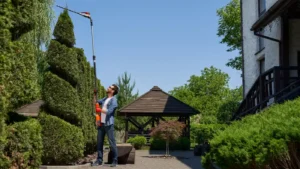
Adding seasonal pruning and shaping to your annual landscape maintenance package adds considerable value for your customers. You can market your services by explaining to homeowners how proper trimming and pruning encourage plant growth and keep their plants healthy.
To build trust in this niche:
- Earn a specialized certification from the ISA to prove your expertise.
- Verify with your city or county what kind of permit you need for major structural work or removals.
Residential vs. commercial landscaping
Choosing between residential and commercial work depends on your available cash, equipment, and how you prefer to manage your schedule. Residential jobs are often faster and easier to start, while commercial contracts offer larger scale and more consistent long-term revenue.
| Category | Residential landscaping | Commercial landscaping |
| Typical clients | Homeowners | Property managers, HOAs, businesses |
| Job size | Smaller, one-off or recurring | Larger, contract-based |
| Startup requirements | Lower equipment and insurance needs | Higher insurance, licensing, and crew needs |
| Payment cycle | Faster, often per job or monthly | Slower, invoiced on contract terms |
| Scheduling | Flexible and relationship-driven | Fixed schedules and strict expectations |
| Best fit for | Solo operators, small teams, and beginners | Established businesses ready to scale |
How to choose the right landscaping business idea
Service business growth works best when it’s steady and intentional. Don’t try to offer everything at once—start with one core service you can do well and build from there.
Following these steps can help find your niche:
- Research your local market: Identify underserved areas or services that have high demand but low competition.
- Listen to customer feedback: Pay attention to repeat requests or common seasonal demands from your current clients.
- Build a landscaping business plan: Create a roadmap that outlines which services you will master first and how you plan to scale.
Turning your idea into a successful landscaping business
A simple, consistent routine helps keep cash coming in on time. To stay profitable, you need systems for your pricing, scheduling, and invoicing.
Pricing, packages, and recurring revenue
Bundling services like lawn care, mulching, snow removal, and pruning makes your customers’ lives easier because they only need one provider for all their outdoor needs. For you, it creates a predictable income and a foundation for your business to survive during slower seasons.
Account for labor, materials, travel time, and profit margins when pricing these bundles. Industry data from Dojo Business shows that landscaping businesses typically operate with profit margins between 10% and 20%, while specialty services like hardscaping and landscape design can reach 30% to 50% or higher.
Scheduling, invoicing, and customer communication
A base of recurring customers also simplifies your scheduling:
- Efficient scheduling reduces unprofitable travel time and prevents missed appointments.
- Grouping jobs in the same neighborhood helps you fit more jobs into each day.
- Identifying gaps in your calendar helps you balance your workload.
How Housecall Pro helps landscaping business owners
Using landscaping software like Housecall Pro helps you move away from messy spreadsheets and paper invoices, allowing you to focus on growth. By automating the administrative side of your business, you keep your business professional and your cash flow healthy.
Here’s how Housecall Pro helps you stay in control:
- Scheduling and Dispatching: Assign jobs along optimized routes to reduce dead travel time and fit more jobs into each day.
- Invoicing: Send professional invoices via email or SMS right after a job is finished and accept payments on the spot.
- Organized customer records: Keep track of customer preferences and service history to build long-term relationships.
- Automated reminders: Use appointment reminders to eliminate no-shows and keep your crews moving.
Learn more about how Housecall Pro can help you start, grow, and scale your landscaping business. Start your free 14-day trial today.
Get In Touch: 858-842-5746
Let us earn your trust
On average, Pros increase monthly revenue generated through Housecall Pro by more than 35% after their first year.
See plan options and feature breakdown on our pricing page.
FAQ
-
How do I price landscaping services to stay profitable?
-
Calculate all direct costs including labor, materials, and fuel, then add your overhead expenses like insurance, marketing, and equipment maintenance. Many service pros then add a 15%–20% net profit margin to ensure the pricing structure is profitable yet competitive. Start by tracking your actual costs for each job type over your first month, then adjust your pricing based on real data rather than estimates. Consider charging premium rates for same-day service, weekend work, or specialized skills to increase your average ticket value.
-
How can I find my first landscaping clients?
-
Start with low-cost methods like posting on Nextdoor and Facebook Marketplace, and printing flyers or mailers to send to customers in your target service area to get your name and landscaping business slogan out. Setting up a Google Business Profile with photos of your work and customer reviews is also essential for building credibility in your local area.
-
What equipment is essential when starting out?
-
You really only need a mower, a blower, an edger, and a reliable truck to start. As you expand into more specialty services, you can add tools and equipment as your budget allows.
-
What insurance does a landscaping business need?
-
Core insurance coverage includes general liability, commercial auto, and workers’ compensation. Look for a Business Owner’s Policy (BOP) that bundles them for more affordable protection.
-
Do I need a license or permit to run a landscaping business?
-
You need to register your business with the city or county where you work. You may need permits for certain types of work, like irrigation, tree trimming, and some hardscaping. Certain states also require a contractor’s license for jobs beyond a specified cost or scope.