Want to win more jobs with less effort?
Grow your business and send quick quotes with our home service software.

Want to see your potential revenue?
See what businesses like yours earn with Housecall Pro in 1 - 2 minutes.
Homeowners want quick, clear answers. If they can’t easily see what you offer or how much it costs, they’ll call the next company. A solid landscaping services list solves that by showing exactly what you do, what it costs, and why you’re worth booking.
In this guide, you’ll see how to organize your landscaping offerings, price them to take home more money, and build a schedule that stays full year-round.
Key takeaways
Keep these core points in mind as you build or refine your landscaping service list:
Clarify every service: State what each service covers to set expectations and avoid disputes down the line.
Add profitable add-ons: Offer specialized or optional tasks to increase how much you earn per job.
Research local demand: Before launching a new package, confirm homeowners in your area actually want it.
Follow local regulations: Check local laws for permit or licensing requirements before offering new services.
Streamline your operations: Run invoicing, scheduling, and follow-ups from one place instead of juggling apps.
Why a professional landscaping services list matters
A solid services list does more than show what you offer—it’s the foundation of your daily operations. When you standardize your offerings, your team know exactly what to deliver on every job, which means consistent quality and fewer conflicts with customers.
A professional services list helps you:
- Speed up bookings: Clients can book right away without waiting for custom quotes or back-and-forth emails.
- Standardize quality: Your crew follows clear expectations for every service.
- Increase revenue: Specialized add-ons and tiered packages deliver more value and bring in higher totals per job.
- Save time on admin: Your team spends less time answering basic questions about what’s included.
What to include on your landscaping services list
More than 726,000 landscaping businesses operate in the U.S. right now. Your services list is what sets you apart—not just what you offer, but how clearly you present it.
Grouping your services into categories makes it easier for customers to find what they need and helps you spot opportunities to sell more.
Here are some common categories to help group your services.
Property maintenance
Maintenance work is the backbone of the industry. According to a 2026 report from Mordor Intelligence, it accounts for roughly 44% of all landscaping jobs in the U.S. Homeowners rely on these recurring tasks to keep their properties looking sharp year-round. Services include:
- Basic lawn care: Regular mowing, edging, and blowing.
- Shrub pruning and hedge trimming: Keeping greenery shaped and healthy.
- Fertilizer application: Promoting thick, green lawn growth.
- Debris removal: Cleaning up yard waste and fallen branches.
Offer a discount for weekly or biweekly bookings to lock in repeat business.
Landscape installation and improvements
This category covers projects that boost curb appeal. These are often one-time jobs that can lead to long-term maintenance contracts.
- Landscape design: Planning layouts for new gardens or features.
- Planting: Installing new trees, shrubs, or flower beds.
- Sod installation: Laying instant lawn for new or damaged properties.
- Mulching and stone: Applying decorative mulch or stone to beds.
- Hardscaping: Building stone patios, walkways, and retaining walls.
Preventive and routine health services
Routine checks catch small issues—like poor drainage or pests—before they turn into expensive problems. When you position these as protection plans, clients see the value in paying for prevention now instead of repairs later.
Many landscaping companies offer preventive jobs such as:
- Lawn health inspections: Looking for thin spots or disease.
- Irrigation system checks: Checking that sprinklers are working well.
- Soil testing and treatment: Analyzing pH levels for proper growth.
- Pest and disease monitoring: Catching infestations before they spread.
- Drainage assessments: Identifying areas where water might pool or damage the foundation.
Seasonal or situational services
Demand for landscaping shifts with the weather. Plan your offerings around what plants and properties need in each season:
| Season | High-demand services |
| Spring | Lawn cleanups, fertilization, mulching, new planting |
| Summer | Weed control, irrigation repairs, pest management |
| Autumn | Leaf removal and disposal |
| Winter | Snow removal, storm cleanup, hardscape maintenance |
Specialty services
Some projects require advanced skills or heavy-duty equipment like grinders and compact loaders. You can charge higher rates for these because they require expertise most Pros don’t have:
- Tree and stump removal: Taking down trees and grinding roots.
- Landscape grading and leveling: Fixing drainage or layout problems on tough sites.
- Hardscape installation: Building permanent structures like stone walls.
- Lighting and irrigation: Installing electrical lighting or complex watering systems.
Check your state’s license board for the permits, landscaping licenses, and certifications you need before offering specialty services. For example, California requires a C-27 Landscaping Contractor license for projects over $500, Texas uses a Irrigator License through TCEQ for irrigation work, and Florida requires a Landscape Contractor license from the DBPR for most commercial jobs.
5 steps to build your landscaping service list
Building your list means balancing what you’re good at with what the market actually needs. Follow these steps to create a list that drives real growth.
1. Define your expertise and service area
Match your current skills and licenses to your target market. If you specialize in residential lawn care, don’t chase big commercial jobs just because the paycheck looks bigger. Stick to a service area you can cover without burning hours in the truck or stretching your budget too thin.
2. Identify what your clients ask for most
Build your services around real demand, not just what you like doing. Review your past invoices and quotes to see which tasks are requested most often Review past invoices and quotes to see which tasks come up most often. If you’re just starting a new landscaping business, search “landscaping service [City Name]” on Google to see what competitors offer and what homeowners are looking for.
3: Balance “core” vs. “optional” add-on services
Not every service carries the same weight. Core services like mowing and basic maintenance are why customers call you. Add-ons like mulch refresh or extra trimming are easy upgrades that don’t take much time but add real value. When you separate these, customers see exactly what’s included in the base price, and you avoid doing unpaid work.
Pro tip: Present your add-ons as checklists so customers can choose the extras they need and pay only for what they want.
4. Use customer data and seasonal trends to guide you
Landscaping demand changes with the weather. Tracking when certain services spike helps you plan your staffing and marketing months in advance. For example, if leaf removal peaks in October, start promoting it in August so you lock in jobs early.
5. Document tasks for consistency
Write down exactly what’s included in every service, how long it should take, and which tools or materials you need. This cuts confusion on the jobsite and makes sure customers get the same quality whether you do the work or a new hire does.
How to price and package your landscaping services
According to 2026 data from Angi, landscaping project rates typically range from $200 for routine jobs to $15,000 or more for major installations. That wide range reflects differences in scope, skill, equipment, and risk. Your pricing needs to cover more than just the time spent on the job; it should cover fuel, labor, overhead, and a 10%–20% profit margin (a typical range for landscaping businesses).
Hourly vs. flat-rate pricing
When pricing your landscaping services, the best approach depends on the type of job:
- Hourly pricing: Best for unpredictable jobs like storm cleanup or overgrown properties. It protects your profit when you aren’t sure how long a job will take. Most landscapers charge $45-$60 per hour, according to aggregate 2026 data from the U.S. Bureau of Labor Statistics and reputable salary sites such as Glassdoor and Indeed.
- Flat-rate pricing: Ideal for repeatable tasks like mowing or edging. Customers prefer knowing the price upfront, which makes it easier to sell ongoing maintenance plans.
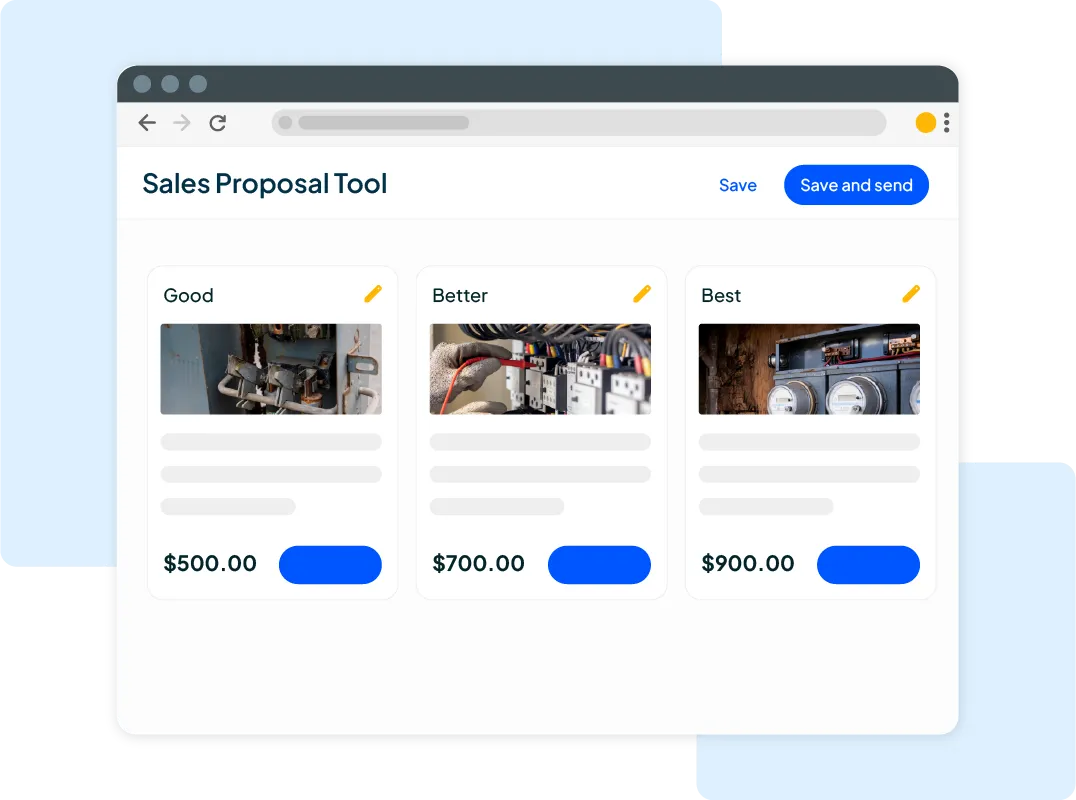
Pro tip: With Housecall Pro’s price book software, you can create, manage, and customize your service rates so they stay consistent for every job.
Create service tiers
Service tiers simplify pricing for you and your clients. Instead of quoting from scratch each time, group related services into clear options that customers can easily understand and compare.
Tiers also protect your profits. A basic option sets expectations. Higher tiers offer more value and encourage upgrades without pressure.
Here’s what your plan tiers might look like:
| Pricing tier | Description | Services | Price range |
| Basic | Aimed at keeping the lawn clean daily | Mowing, edging & trimming | $50–$120 |
| Standard | More proactive lawn maintenance | Basic services plus fertilization, weed control & mulching | $120–$350 |
| Premium | Full-service landscaping | Advanced lawn care with lighting, hardscaping & hands-on irrigation | $350–$1,500+ |
How to manage and scale your landscaping services
As your business grows, your operations need to scale with demand. Many landscaping businesses struggle in this phase because their systems are disorganized. Scaling requires intentional systems, like centralized scheduling and recurring job tracking, so admin work doesn’t eat into your profits.
To scale effectively, focus on:
- Standardizing operations: Use the same service checklists and automated reminders for every job to reduce your manual workload.
- Prioritizing contracts: Focus on recurring work to create predictable revenue and easier route planning.
- Training and supporting your team: Document onboarding and clarify safety precautions so new hires can perform at the same level as your existing crew.
- Tracking profitability: Use real-time analytics to see which services make the most money and which ones you should drop.
How Housecall Pro’s landscaping software can help
Once you’ve built your landscaping services list, the next step is managing it efficiently. As you add more services, packages, and recurring plans, it gets harder to keep everything organized manually. Housecall Pro helps you turn your service list into a system that runs smoothly—and drives consistent revenue.
With Housecall Pro, you can:
- Turn your services into bookable jobs: Quickly schedule one-time services or recurring visits based on your offerings.
- Offer and manage service plans: Package your services into seasonal or ongoing maintenance plans that keep work consistent.
- Automate invoicing and payments: Send invoices as soon as jobs are done and get paid faster with online options.
- Keep customers informed automatically: Send reminders and updates tied to the services you offer—no manual follow-up needed.
- See which services perform best: Track revenue by service to refine your list and focus on your most profitable work.
Ready to put your services list to work? Learn more about our landscaping software or start your free 14-day trial of Housecall Pro.
Landscaping Services List FAQs
How do I price landscaping services?
Start by calculating your hourly costs, including labor, fuel, equipment wear, and overhead. Most landscapers charge $45-$60 per hour for basic services. For predictable jobs like weekly mowing, use flat-rate pricing so customers know the cost upfront. For unpredictable work like storm cleanup or overgrown properties, stick with hourly rates to protect your profit margin. Build in a 10%–20% profit margin on top of your costs, and create service tiers so customers can choose basic, standard, or premium packages based on their budget.
What licenses do landscapers need?
License requirements vary by state and the type of work you perform. California requires a C-27 Landscaping Contractor license for projects over $500. Texas mandates a TCEQ Irrigator License if you install or repair irrigation systems. Florida requires a DBPR Landscape Contractor license for most commercial landscaping work. Many states also require business licenses, liability insurance, and pesticide applicator certifications if you apply chemicals. Check your state’s contractor licensing board and local municipality for specific requirements before offering new services.
How do I build a landscaping services list?
Start by identifying what you’re already good at and what customers in your area request most often. Review your past jobs to see which services come up repeatedly. Group your offerings into clear categories like property maintenance, seasonal services, and specialty work. Separate core services from optional add-ons so customers understand what’s included in your base price. Document exactly what each service covers, how long it takes, and what equipment you need. This keeps your team consistent and prevents disputes about what was promised.