Want to win more jobs with less effort?
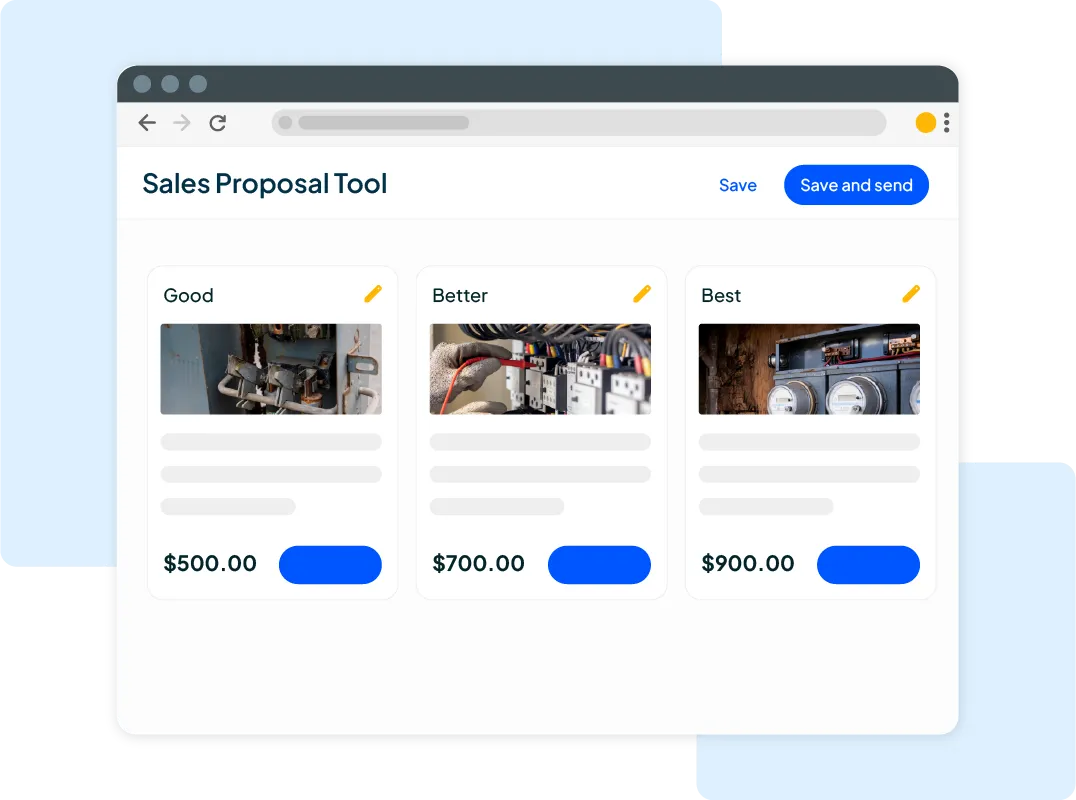
Grow your business and send quick quotes with our home service software.

Want to see your potential revenue?
See what businesses like yours earn with Housecall Pro in 1 - 2 minutes.

If you have a pickup truck, you’ve already got the foundation to start a wide range of local service businesses. A truck can help you book junk hauling, delivery, moving help, snow removal, dump runs, and other jobs that solve immediate problems for homeowners and local businesses.
But the best pickup-truck business isn’t just the one that sounds profitable. It’s the one that fits your truck’s capacity, your local demand, and the kind of work you can deliver reliably.
This guide breaks down practical ways to make money with a pickup truck, which business ideas are easiest to start, and what to think about before you spend money on gear or advertising. You’ll also see where local demand matters most, what legal or insurance issues can come up, and how to turn one-off truck jobs into repeat business.
Quick answer: What are the best ways to make money with a pickup truck?
If you want to earn money with your pickup, focus on services people already need in your area, are easy to start, and don’t take long to book. Strong options in most markets include junk removal, small moving jobs, dump runs, furniture delivery, local business deliveries, pressure washing, and seasonal snow removal.
Some jobs only require basic gear like straps, tarps, gloves, a dolly, and a reliable schedule. Others—like towing, freight hauling, or snow plowing—may need additional equipment, insurance, permits, or experience before you start taking paid work.
Key takeaways:
Here’s a quick look at what matters most when choosing a pickup-truck business idea.
The best pickup-truck business depends on local demand: Junk removal, moving help, delivery, and seasonal work all perform differently by market.
Not every truck job has the same risk level: Towing, freight hauling, junk hauling, and snow plowing can have very different permit, insurance, and liability requirements.
Route density matters: Jobs close together are usually more profitable than isolated jobs with long drive times.
Reliability can matter more than equipment: Fast response, easy booking, and repeatability often do more for growth than trying to offer everything at once.
A pickup truck can start a business, but systems grow it: Scheduling, quoting, payments, and follow-up matter if you want repeat customers.
Table of contents
- Best pickup truck business ideas by use case
- 10+ ways to make money with a pickup truck
- 1. Start a junk removal business
- 2. Offer small-scale moving services
- 3. Offer delivery help for realtors and home-sale prep
- 4. Flip furniture or repair appliances for resale
- 5. Start a pressure washing business
- 6. Do light freight or pallet hauling
- 7. Offer dump runs and recycling pickups
- 8. Offer pickup-truck snow removal services
- 9. Become a local delivery partner for small businesses
- 10. Offer furniture delivery, assembly, and pickup
- 11. Deliver landscaping materials
- How to price pickup-truck jobs
- How to get customers for a pickup truck business
- What local market conditions make a pickup-truck business profitable?
- What to know before starting a pickup-truck business
- How to grow your pickup-truck business
Best pickup truck business ideas by use case
Here are pickup truck business ideas organized by how you plan to use your time and truck.
Best for fast, easy-to-start jobs
- Junk removal
- Small-scale moving
- Dump runs and recycling pickups
- Furniture delivery and assembly
Best for repeat local business
- Realtor prep and cleanout support
- Mobile delivery for local businesses
- Material delivery for landscapers
- Light freight hauling for contractors or warehouses
Best for seasonal income
- Snow removal
- Pressure washing
- Yard and property cleanup
Best for resale-based side income
- Furniture flipping
- Appliance pickup and repair/resale
10+ ways to make money with a pickup truck
A pickup truck can help you start a wide range of local service businesses, but some ideas are easier to launch than others. The best option depends on your market, how much extra equipment you need, and what kind of work you want to do.
Below are some of the most practical ways to make money with a pickup truck, from easy-to-start side hustles to ideas you can grow into a full business.
Learn more: 35+ home service business ideas
1. Start a junk removal business
Junk hauling is one of the fastest ways to start earning with your pickup. Homeowners, landlords, and contractors constantly need help clearing out garages, basements, and construction debris. There’s a solid demand for this service, especially in more populated areas.
You can charge per load, volume, or type of material. You can also specialize in certain areas, such as hot tubs, mattresses, or estate cleanouts. This will help you stand out from other junk removal services in your area.
Once you’re set up with basic hauling tools and a dump permit, you can earn $300 to $800 or more per day on weekend runs, depending on load size and how many jobs you complete (according to KMF Business Advisors).
Pro tip: Use GPS tracking tool like Housecall Pro’s to group jobs by area and save time (and gas) on every route.
2. Offer small-scale moving services
Not everyone needs a big moving truck. Many people just want help moving a sofa, bedroom set, or a few boxes across town.
This is a great service to target with your pickup truck. Target apartment dwellers, students, and seniors in your area. Charge hourly or flat rates for common jobs (Facebook Marketplace and Craigslist finds). Flying solo with a dolly and moving blankets, you can earn $40–$75 per hour (according to 2026 data from TaskRabbit).
Pro tip: No-shows are common in small moving—customers book casually and forget. A simple confirmation reminder sent the night before can reduce these significantly. Tools like Housecall Pro can send automated appointment reminders so you don’t even have to think about it.
3. Offer delivery help for realtors and home-sale prep
Real estate agents often need fast, reliable help prepping homes for sale. That means getting rid of old furniture, yard waste, or leftover renovation materials. They want a clean slate, and you can help with that.
Build relationships with local agents and offer next-day cleanout services or complete deliveries for those last-minute showings. Package services such as debris removal, lawn mowing, and pressure washing at higher rates. Many agents will happily refer you to others in your circle, especially if you’re fast and affordable.
4. Flip furniture or repair appliances for resale
Pickup trucks make you the ultimate flipper. If you don’t mind putting in some elbow grease to make extra cash on the side, use your pickup to help you flip furniture and repair appliances. Find free or cheap furniture, appliances, or scrap on Craigslist, Facebook Marketplace, or curb alerts.
Load them into your truck, haul them home, and breathe some new life into them. Once they’re cleaned up and looking spiffy, list them for resale. Dressers, washers, couches, and refrigerators are especially profitable.
Even a discarded wood dresser picked up for cheap could earn you $150 or more. Flip a few in-demand items each week, and that additional income adds up fast. Many people do this full-time, so there’s no reason you couldn’t, too.
Of course, you’ll need an eye for potential and a good sense of what’s likely to sell in your area. Otherwise, you might end up with piles and piles of unwanted items with plenty of clicks but no real interest.
5. Start a pressure washing business
A pickup truck gives you the room you need to haul pressure washing gear and water tanks to residential and commercial jobs. So, why not start a pressure washing business?
You’ll need some equipment to get started (unless you already have a pressure washer on standby), but this can be a lucrative venture. Pressure-washing a driveway, deck, or home exterior can net you an average of $200 to $450, according to HomeAdvisor’s 2026 cost data.
Offer to clean siding, patios, driveways, decks, fences, and sidewalks. While these services are often in demand for a good chunk of the year (especially if you live in a mild climate), they’re often extremely popular after winter or before home sales.
To fill your schedule, offer seasonal packages or neighborhood discounts. This can help boost referrals and increase bookings.
Pro tip: Set up automated reminders through a home service CRM to bring customers back each season—no cold calls needed.
6. Do light freight or pallet hauling
Small manufacturers and local warehouses often need freight delivered between locations, but don’t necessarily have full-scale logistics capabilities. That’s where you come in.
Use your pickup and trailer (if you have one) to move pallets, tools, or light equipment. Pay attention to your truck’s max payload capacity because if you haul something too heavy, you could damage your vehicle, among other things.
Offer quick delivery and flexible scheduling to differentiate yourself from commercial freight companies. This is a great way to establish repeat business-to-business (B2B) income with fewer client acquisition costs.
7. Offer dump runs and recycling pickups
Offer a “dump run” service where you pick up bulky waste that homeowners can’t (or won’t) take to the landfill.
Charge by the item, load, or trip. Offer eco-friendly options, such as recycling e-waste or donating furniture. Using recycling dumpsters can also help sort recyclable materials more efficiently and reduce the amount of waste sent to landfills. You’ll need local dump access and basic straps or tarps, but little else. A single Saturday full of pickups could earn you $300 to $600 or more, though actual earnings depend heavily on your local dump fees, how many trips you can complete, and whether you charge per item or per load.
8. Offer pickup-truck snow removal services
If you live in a colder climate, outfit your truck with a snowplow to boost your earnings in the winter months, too. Or, if you’re not keen on attaching a snow plow, tow a snow blower with your truck.
You can offer services to plow residential driveways, clear parking lots, or contract with HOAs. Set up tiered pricing by lot size or frequency so you can charge more for larger or higher-traffic properties while offering predictable rates for ongoing service.
Pro tip: Lock in monthly contracts before the season starts so you have steady income throughout the season. Housecall Pro’s recurring service plans let you set up automatic billing so you’re not chasing payments after every storm.
9. Become a local delivery partner for small businesses
Partner with local businesses like garden centers, flooring stores, or boutiques that need reliable delivery without managing their own trucks. This usually takes some networking, but if you build up a small client list, it can be a great way to make money.
Offer same-day or weekend delivery to your customers, depending on your schedule. Use a flat-rate per-load model or mileage-based pricing—both work well.
Pro tip: Small business clients want to send repeat work to vendors they can reach easily. Housecall Pro’s Online Booking lets clients schedule deliveries on their own time so you don’t have to be available around the clock.
10. Offer furniture delivery, assembly, and pickup
Hauling and assembling furniture is a chore that many homeowners would rather avoid. So, address this pain point by offering furniture delivery and assembly services.
Help customers pick up, transport, and assemble flat-pack furniture. Think IKEA runs, Craigslist purchases, or local furniture shop deliveries. Once you deliver it, assemble the piece (if necessary) and haul away the packaging. Offering a flat-rate bundle—delivery, assembly, and old furniture haul-away—simplifies the quote and often increases the job value.
Market to renters, single parents, or people without the time or tools. Upsell by offering to haul away old furniture, too. This combination of moving and handyman work can easily earn $100 to $300 per job.
11. Deliver landscaping materials
Have a trailer hitch and extra gear? Build your business by hauling boats, campers, tiny homes, motorcycles, or livestock trailers for people who don’t have the vehicle, know-how, or time to do it.
Target hobbyists, vacationers, and snowbirds. Many are willing to pay premium rates for seasonal or long-distance towing, especially if you offer care and communication.
If you go this route, make sure your truck is rated to handle large towing capacities and that your insurance covers it.
Learn more: 10 landscaping business ideas to start (and scale)
How to price pickup-truck jobs
Price pickup-truck jobs by factoring in drive time, labor time, fuel, disposal fees, equipment, insurance, and profit. For simple jobs, use flat rates by load, item, or delivery distance. For unpredictable jobs, use hourly pricing with a minimum trip charge.
Common pricing models include:
- Per load: Useful for junk removal, dump runs, and yard waste.
- Per item: Helpful for appliances, mattresses, furniture, or bulky pickups.
- Hourly: Better for moving help, assembly, cleanup, or unpredictable jobs.
- Mileage-based: Useful for deliveries, light freight, and specialty hauling.
- Recurring contract: Best for snow removal, business deliveries, realtor support, or seasonal cleanup.
Set a minimum charge so short jobs still cover your time, fuel, and travel. For example, a 20-minute furniture pickup can still take an hour or more when you factor in scheduling, driving, loading, unloading, and payment.
How to get customers for a pickup truck business
Most pickup-truck businesses get their first customers through a mix of free online listings and direct outreach to local businesses—no advertising budget required. The key is showing up where people are already looking and making it easy for them to reach you.
- Google Business Profile: Create a local listing with services, photos, hours, and service areas. This especially important for searches like “junk removal near me,” where map listings appear above most other results.
- Local Facebook groups: Post clear offers for junk removal, delivery, moving help, or seasonal services. Neighborhood groups in particular can move fast—a single post with before-and-after photos often generates a wave of inquiries in active communities.
- Craigslist and Nextdoor: Still one of the highest-volume channels for junk removal and moving help in most U.S. markets. List simple, specific services with starting prices and photos.
- Realtors and property managers: Offer cleanouts, hauling, delivery, and home-sale prep support. Agents who find a reliable hauler tend to call back repeatedly; one good relationship can turn into steady work.
- Small retailers: Partner with stores that sell bulky items but do not offer delivery. Furniture shops, appliance stores, and garden centers often need exactly this.
- Landlords and apartment managers: Offer move-out cleanouts, dump runs, and furniture removal. Recurring tenant turnover means recurring demand.
Use photos, clear service areas, starting prices, and fast response times to make booking easier.
Learn more: 25+ tips and strategies to market your home service business
What local market conditions make a pickup-truck business profitable?
The best pickup-truck business idea depends heavily on where you live. In dense residential markets like Chicago or Atlanta, where apartment turnover is high and homeowners often don’t have truck access, junk hauling and small moving jobs can be booked consistently through Craigslist and Facebook Marketplace. In colder climates, snow removal is a stronger seasonal business. In markets with active home sales, realtor prep and exterior cleanup can be a better fit.
Use these factors to decide which services to offer and which ones to avoid until you have the right equipment, insurance, or demand.
- Population density: Better for junk hauling, moving help, and dump runs
- Climate: Better for snow removal or pressure washing, depending on the weather
- Real estate activity: Better for cleanouts, prep work, and curb-appeal services
- Construction and contractor demand: Better for materials and freight hauling
- Travel distance: Important for route efficiency and pricing in rural markets
- Neighborhood type: Important for whether customers value speed, convenience, or higher-end service bundles
Get In Touch: 858-842-5746
Let us earn your trust
On average, Pros increase monthly revenue generated through Housecall Pro by more than 35% after their first year.
See plan options and feature breakdown on our pricing page.
What to know before starting a pickup-truck business
Before you take on your first paid job, it helps to understand a few basics — what your truck can legally carry, what licenses or insurance you might need, and how taxes work when you’re self-employed. The details vary depending on the type of work you do, but getting these right early saves you from costly surprises later.
Licenses and permits
Not every pickup-truck business has the same legal or insurance requirements. A furniture delivery side hustle is not the same as towing, freight hauling, or commercial junk removal. The U.S. Small Business Administration notes that license and permit requirements vary by business activity and location, which is why this should be one of your first checks before taking on jobs.
If you plan to haul property in ways that cross into regulated commercial transport, the Federal Motor Carrier Safety Administration says a USDOT number is generally required for interstate commerce when certain thresholds apply, including vehicles over 10,000 pounds, certain passenger thresholds, or hazardous materials transport. That will not apply to every local truck side hustle, but it’s a real line to understand before you expand into freight-style work.
Your truck’s payload limit
You should also know how much your truck can actually carry. Most standard pickups—like an F-150 or Silverado 1500—have a payload rating somewhere between 1,500 and 2,000 lbs, which is plenty for furniture, boxes, and typical junk hauls. It’s not enough for heavy construction debris or a full pallet load, and overloading can damage your truck or create a safety issue.
You’ll find your exact number on a sticker inside the driver’s door jamb—it takes 10 seconds to check and can save you from taking on a job your truck wasn’t built for.
Insurance
Hauling, towing, freight, snow plowing, and commercial delivery can all have different coverage requirements. Basic personal auto insurance typically doesn’t cover commercial use—if you’re hauling for pay and get in an accident, a claim could be denied. Check with a local insurance broker before taking on your first paid job to make sure you have the right coverage for the services you plan to offer
Taxes
The IRS Small Business and Self-Employed Tax Center says self-employed individuals generally need to file an annual return and pay estimated taxes quarterly. If you’re starting as a side hustle, this is easy to overlook, but it matters if you want the business to stay profitable after taxes.
Quick-start checklist
Before your first job, run through these basics:
- Check local license and permit rules: Requirements can vary by city, county, state, and service type.
- Review insurance needs: Hauling, towing, freight, snow plowing, and commercial delivery may need different coverage.
- Know your payload and towing limits: Don’t take jobs your truck isn’t rated to handle.
- Price travel time and fuel correctly: Long drives can erase profit if you only charge for the visible work.
- Choose one clear service first: It’s easier to market, price, and improve it before offering everything.
How to grow your pickup-truck business
Most pickup-truck businesses don’t lose money on the job itself, but everything around it—the missed call that went to a competitor, the estimate that never got followed up, the customer who would have rebooked if someone had reached out. As Danny Wilcox, marketing manager at the family-run HVAC and electrical company Carini Home Services, says, “your reputation is everything when it comes to getting your first customers.” That means creating a smooth experience before and after the job, not just during it.
That’s exactly what Housecall Pro is built for. Send a quote before you leave the job site, collect payment on the spot, and follow up automatically so customers think of you first next season—without adding any admin to your day.
- Fill your schedule efficiently: Online booking lets clients request jobs on their own time—no calls, no back-and-forth.
- Never miss a lead: Respond to new inquiries fast with job inbox and mobile notifications.
- Look more professional from day one: Send clean, itemized estimates instead of texting a number.
- Get paid without chasing: Accept cards and digital payments on the spot.
- Turn one-off jobs into repeat work: Automated follow-up brings back customers without any manual outreach.
Try it out today with a free 14-day trial to see how simpler scheduling, quoting, and payments can help you grow your pickup-truck business.
Pickup truck business ideas FAQ
-
What is the best way to make money with a pickup truck?
-
For many people, the best way to make money with a pickup truck is to start with local services that solve immediate problems, like junk removal, small moving jobs, dump runs, material delivery, or furniture delivery. The best choice depends on your market, your truck, and how much extra equipment or licensing the work requires.
-
Can you really make $1,000 a day with a pickup truck?
-
It’s possible on a well-routed day with high-demand services. A realistic path: two junk removal loads at $350 each plus a furniture delivery at $200 adds up to $900 before expenses. After fuel, dump fees, and equipment wear, net profit on that day might be $600–$700. Hitting $1,000 in take-home consistently requires either premium pricing, a helper, or a high-volume local market. It’s a ceiling to work toward, not a starting point
-
What pickup-truck business is easiest to start?
-
Junk removal, dump runs, small moving help, and furniture delivery are usually among the easiest to start because they require less specialized equipment than towing, freight hauling, or snow plowing. They also tend to solve local problems that are easy for customers to understand and buy quickly
-
Do I need a business license to make money with a pickup truck?
-
Usually, you will need at least some combination of registration, permits, or insurance depending on the service and where you operate. The SBA licensing guide is a good place to start because requirements vary by business activity and location.
-
Do I need a USDOT number for a pickup-truck business?
-
Not always, but some freight-style or heavier-haul operations can trigger DOT rules. The FMCSA guidance says a USDOT number is generally required in interstate commerce when certain vehicle, passenger, or hazardous-material thresholds apply.Your truck’s payload limit
-
What pickup-truck business works best in my area?
-
That depends on your market. Snow removal is stronger in colder climates, junk hauling and moving help often work well in dense residential areas, and material delivery or light freight hauling can be better in construction-heavy or industrial markets.
Start by checking local Facebook Marketplace and Craigslist for existing listings in your category—if five other people are already offering the same junk removal service in your ZIP code, expect more competition and price pressure. Low competition in a high-density area is usually the best signal. You can also search ‘[your city] + service type’ on Google Maps to see how many established businesses are already ranking locally.
-
What insurance do I need for a pickup truck business?
-
It depends on the service. Basic personal auto insurance typically doesn’t cover commercial use—if you’re hauling for pay and get in an accident, a claim could be denied. Most pickup-truck service businesses need a commercial auto policy, which typically runs $100–$200/month depending on coverage and usage. Junk removal may also require general liability coverage if you’re working on someone’s property. Snow plowing contracts sometimes require $1M+ in liability coverage before a client will sign. Check with a local insurance broker before taking on your first paid job.