Want to win more jobs with less effort?
Grow your business and send quick quotes with our home service software.

Want to see your potential revenue?
See what businesses like yours earn with Housecall Pro in 1 - 2 minutes.
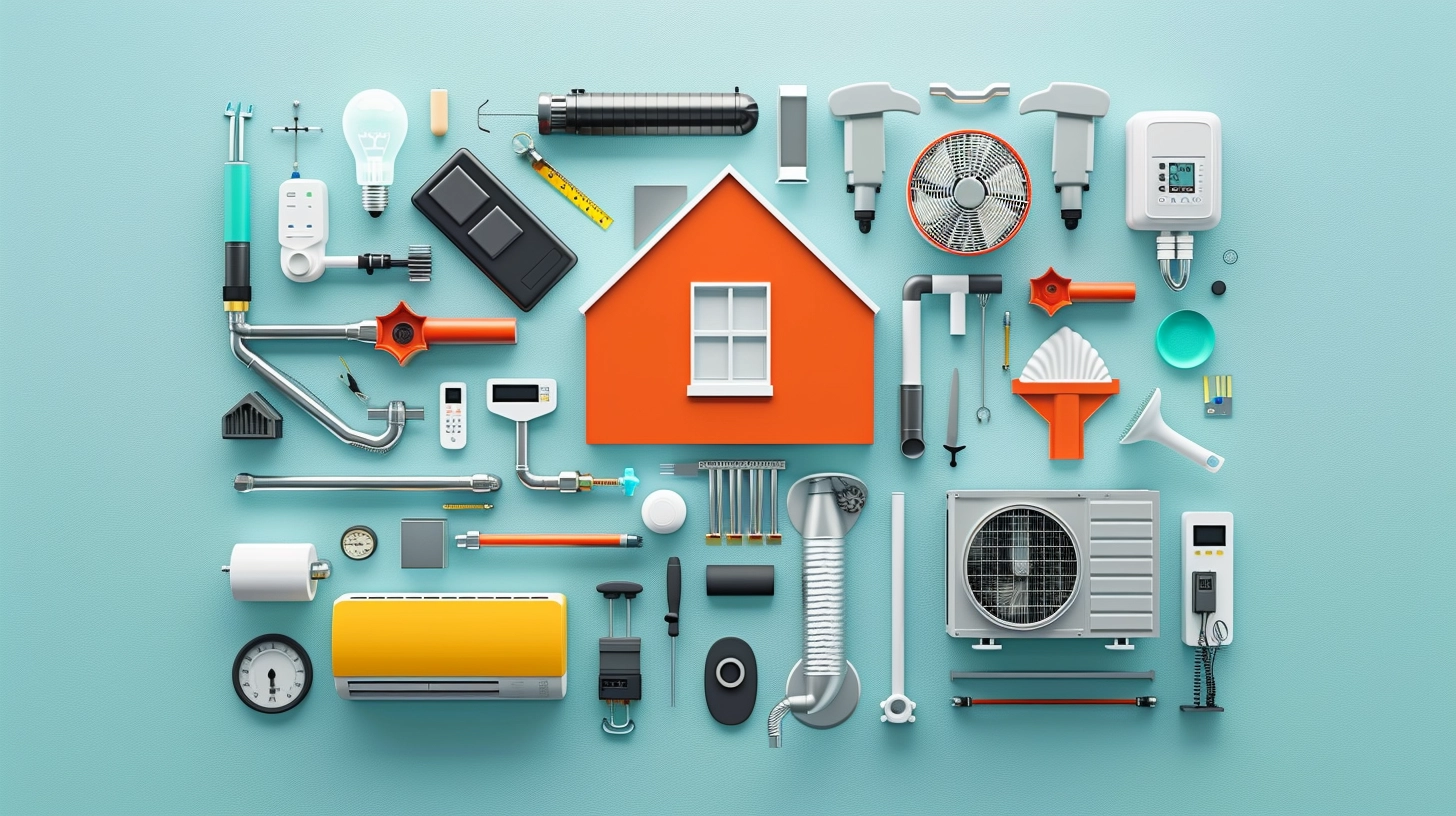
Starting a home service business is one of the most practical ways to build local income. Homeowners always need help maintaining, repairing, and improving their homes, and many of these services can start small before growing into something bigger. The strongest business ideas usually solve clear, repeatable problems and fit the kind of work you actually want to do.
This guide breaks down home service business ideas by category, startup style, and growth potential. You’ll see which ideas are easier to start solo, which ones tend to produce higher-ticket jobs, and which services are more likely to create recurring revenue.
Quick answer: What is the best home service business to start?
The best home service businesses to start focus on consistent demand, simple pricing, and opportunities for repeat work. Lower-barrier options like cleaning, window cleaning, lawn care, and handyman services are easy to start on your own with minimal equipment. Higher-ticket trades like HVAC, plumbing, and electrical require licensing and training, but they bring in larger job values—often $300 to $2,000+ per visit—and more stable long-term revenue.
Services tied to regular maintenance, safety requirements, or urgent issues tend to perform best because homeowners can’t put them off. The right fit comes down to your budget, your current skills, and whether you want steady recurring jobs or higher-value one-time work.
Key takeaways
Here’s what to keep in mind when choosing a home service business idea:
Home services are demand-driven: Most of these jobs are essential, repeatable, and always in demand.
Low-barrier options exist: Many businesses can start solo with basic tools and licensing.
Recurring revenue matters: Maintenance-based services scale faster and keep money coming in consistently.
Specialization can boost margins: Niche services often face less competition and can charge higher rates.
Software accelerates growth: When scheduling, estimates, and payments are handled in one place, it’s easier to stay on top of every job.
Table of contents
- Which home service fits you?
- What makes a home service business profitable
- Licensing and insurance basics for home service businesses
- Cleaning business ideas
- Lawn care and landscaping business ideas
- HVAC business ideas
- Plumbing business ideas
- Electrical business ideas
- Handyman and repair business ideas
- Pest control business ideas
- Specialized and niche home service ideas
- How to choose the right home service business
- How Housecall Pro helps home service businesses grow
Which home service fits you?
The right home service business depends on how you want to work, how much you want to invest up front, and what kind of revenue model you want to build.
If you want to low overhead and simpler tools, cleaning or handyman work may be the best fit. If you’re licensed or willing to pursue training, trades like HVAC, plumbing, and electrical can create stronger revenue per job. If steady repeat work matters most to you, focus on services that naturally lend themselves to recurring schedules, such as pest control or lawn care.
A simple way to think about it:
- Low startup cost, solo-friendly: Cleaning, window cleaning, handyman
- Higher revenue per job: HVAC, plumbing, electrical
- Built-in recurring income: Cleaning, lawn care, pest control
- Seasonal but scalable: Lawn care, pressure washing
What makes a home service business profitable
The most profitable home service businesses are built around simple, in-demand services that customers understand right away and need on a regular basis. When your work is easy to explain, easy to book, and easy to repeat, it’s much easier to build steady revenue without constantly chasing new jobs.
The biggest profit drivers usually include:
- Strong local demand: The service solves a clear problem in your market.
- Simple pricing: Customers can quickly understand the offer.
- Recurring work: Maintenance, memberships, or repeat scheduling smooths out income.
- Trainable delivery: The work can be standardized and eventually delegated.
- Service-area efficiency: Route density and local demand make each day more profitable.
Just as important as the business model is how you show up for your customers:
“People let you into their homes and trust you with their most expensive appliances. They will only do that if they trust you. Do what you say you’re going to do. Show up on time. Be transparent about pricing. Don’t cut corners. One single bad review can erase the good work of a hundred jobs. Focus on being your area’s most reliable, honest contractor, and the rest will fall into place.”
—Danny Wilcox, marketing manager of Carini Home Services, a San Diego-based HVAC and plumbing company
Licensing and insurance basics for home service businesses
Licensing requirements vary by trade and by state, but most home service businesses need some combination of a business license, trade-specific certification, and general liability insurance before they can legally operate. Some trades—like HVAC, electrical, and plumbing—require passing a state exam and logging apprenticeship hours. Others, like cleaning or handyman work, have lighter requirements but still need proper insurance to protect against property damage or injury claims.
Here’s a general starting point by trade:
| Trade | Typical requirement |
|---|---|
| Cleaning | Business license + general liability insurance |
| Lawn care | Business license; pesticide license if applying chemicals |
| Handyman | License + insurance; contractor license varies by state |
| Pest control | State pesticide applicator license + business license |
| HVAC | EPA 608 cert (federal) + state contractor license |
| Plumbing | State journeyman or master plumber license required |
| Electrical | State electrician license; permit rules vary by job |
| Pool cleaning | Business license; CPO cert recommended or required |
Requirements change and vary significantly at the state and county level. Before launching, check your state’s contractor licensing board website and your county clerk’s office for local business registration rules. The Small Business Administration’s licenses and permits tool is a reliable starting point for federal requirements.
Insurance note: Most home service businesses need at minimum general liability insurance ($1–$2M coverage is standard) and, once you hire employees, workers’ compensation. Some trades and clients will also require a surety bond.
Learn more: Business insurance guide: What is is, what it covers, and how much it costs
Cleaning business ideas
Best for: Solo operators, repeat customers
Why it works: Predictable schedules and low overhead
Growth potential: Route optimization and recurring billing
Cleaning businesses are some of the easiest home service companies to start and grow. With repeat clients, minimal equipment needs, and simple pricing, you can generate a steady, dependable income.
Popular cleaning businesses include:
- Residential house cleaning (recurring homes)
- Commercial cleaning (offices, retail, common areas)
- Short-term rental cleaning business (Airbnb turnovers)
- Move-in/move-out cleaning business (real estate–driven)
- Post-construction cleaning business (builders + contractors)
- Eco-friendly/nontoxic cleaning company (green niche)
Power washing, also called pressure washing, is hard work done outside and yields very gratifying results. A power washing home service business cleans driveways and even houses with a pressure washer and is much in demand in places where pollen, moss, and grime build up easily.
Learn more: How to start a cleaning business
Lawn care and landscaping business ideas
Best for: Route-based crews, seasonal growth
Why it works: Repeat visits and bundled services
Growth potential: Route density and maintenance plans
Lawn and landscaping businesses perform best when routes are tightly organized and services are bundled. Many pros start with basic mowing and add higher-margin services over time, turning seasonal demand into predictable income.
Common lawn and landscaping businesses include:
- Lawn mowing and maintenance business (recurring weekly/biweekly)
- Seasonal cleanup service (fall/spring only or add-on heavy)
- Fertilization and weed control business (often licensing required; high margin)
- Landscape installation and design business (project-based)
- Irrigation repair and maintenance business (higher skill niche)
Learn more: How to start a landscaping company
HVAC business ideas
Best for: Licensed professionals, high job value
Why it works: Essential services with large ticket sizes
Growth potential: Maintenance agreements and job costing
HVAC businesses work on critical home systems that homeowners can’t ignore. While licensing and training take more time upfront, established HVAC companies benefit from strong margins, reliable repeat work, and long-term customer relationships through maintenance plans.
HVAC business ideas include:
- HVAC installation, repair, and replacement (new systems = biggest tickets)
- Preventive maintenance plan business (recurring revenue model)
- Indoor air quality specialist (duct cleaning, filtration, humidity control)
More resources:
- How to become an HVAC technician
- How to start an HVAC business
- HVAC business owner salary: What you can earn & how to boost profits
Plumbing business ideas
Best for: Emergency calls, year-round demand
Why it works: Urgent problems homeowners can’t delay
Growth potential: Service agreements and flat-rate pricing
Plumbing services bring in high-intent calls for leaks, backups, and system failures. Because so much of the work is urgent, licensed plumbers stay in steady demand. Maintenance agreements and flat-rate pricing help stabilize revenue between emergencies.
Plumbing business ideas include:
- Emergency plumbing service (24/7, high premium pricing)
- Residential plumbing maintenance business (membership/contract model)
- Water heater specialist (install + repair = high-margin niche)
- Drain cleaning service (often marketed as its own business)
Learn more: How to start a plumbing business
Electrical business ideas
Best for: Licensed trades, safety-focused work
Why it works: Regulated services with high trust value
Growth potential: Standardized estimates and inspections
Electrical businesses operate in a highly regulated environment where safety and compliance are paramount. Licensing is required in most areas, and clear estimates, documentation, and inspections help build trust and drive referrals.
Electrical business ideas include:
- Residential service electrician business
- Panel upgrade and home electrical modernization business
- Lighting installation specialist (indoor/outdoor/landscape)
- EV charger installation business (fast-growing niche)
More resources:
- How to start an electrical business
- Electrician business owner salary: average earnings & how to maximize profit
Handyman and repair business ideas
Best for: Flexible operators, varied job types
Why it works: Broad demand for small repairs
Growth potential: Clear scope definitions and scheduling
Handyman businesses appeal to homeowners who want one go-to pro for a wide range of small repairs— from door and drywall fixes to flooring and concrete issues. For common concerns like garage floor cracking, see Cracks in Garage Floor: Causes and Preventive Measures for causes and guidance.
Success comes from clearly defining what services you offer, staying within local licensing limits, and scheduling jobs efficiently to avoid low-margin work.
Handyman business ideas include:
- General home repair business
- Punch-list specialist (landlords, realtors, property managers)
- Assembly and installation business (TVs, furniture, fixtures)
- Rent-ready property turnover specialist
Learn more: How to start a handyman business
Pest control business ideas
Best for: Contract-based growth, recurring visits
Why it works: Compliance-driven, repeat treatments
Growth potential: Route optimization and service plans
Starting a pest control company typically requires state or local licensing, along with ongoing training and compliance. Once established, these businesses benefit from scheduled treatments, strong customer retention, and predictable monthly revenue during peak seasons.
Pest control business ideas include:
- General pest control business (quarterly packages)
- Termite inspection & treatment business
- Rodent exclusion specialist
- Mosquito & outdoor pest service (seasonal, route-based)
Learn more: How to start a pest control company
Specialized and niche home service ideas
Best for: Focused operators, premium niches
Why it works: Less competition and specialized demand
Growth potential: Premium pricing and repeat add-ons
Specialized home service businesses focus on solving specific, high-value problems that general providers may overlook. Some niche services require extra training or licensing, but many allow you to charge more by offering expertise, speed, or convenience. Narrowing your scope also simplifies training, marketing, and customer expectations.
Examples of niche home service businesses include:
- Pressure washing business
- Window cleaning business
- Gutter cleaning & repair business
- Pool cleaning service
- Garage door repair business
- Dryer vent cleaning business
- Solar panel cleaning business
- Insulation installation business
More resources:
- How to start a window cleaning business
- How to start a pressure washing business
- How to start a garage door repair business
Get In Touch: 858-842-5746
Let us earn your trust
On average, Pros increase monthly revenue generated through Housecall Pro by 35% after their first year.
See plan options and feature breakdown on our pricing page.If you want to low overhead and simpler tools, cleaning or handyman work may be the best fit. If you’re licensed or willing to pursue training, trades like HVAC, plumbing, and electrical can create stronger revenue per job. If steady repeat work matters most to you, focus on services that naturally lend themselves to recurring schedules.
How to choose the right home service business
Choosing the right idea depends on your skills, budget, and long-term goals. The “best” business isn’t the one with the highest earning potential—it’s the one that fits your experience, matches local demand, and feels sustainable for how you want to work. Some owners prefer low-overhead solo work with flexible hours, while others want to build a multi-crew operation with bigger revenue and more moving parts.
Think about what kind of day-to-day work energizes you, how much you’re willing to invest upfront, and whether you want a steady stream of smaller jobs or fewer, higher-value projects. The clearer you are about your goals early on, the easier it is to choose a business model that actually supports them.
When evaluating ideas, consider:
- Licensing and insurance requirements: Some trades require certifications, apprenticeships, or compliance steps before you can operate legally.
- Startup equipment costs: Cleaning and handyman work have lower barriers; HVAC, electrical, and plumbing require more tools and training.
- Local competition: Look at which services are saturated in your area, which have long wait times, and where homeowners are underserved. A simple starting point: search ‘[service] + your city’ on Google and count how many businesses appear in the Local Pack. Fewer than five results with thin reviews often signals an underserved market.
- Revenue potential per job: Higher-ticket trades like HVAC and electrical bring in more money per visit but often require more skill, licensing, or downtime between jobs.
- Opportunities for recurring service: Maintenance-based services—such as cleaning, lawn care, and pest control—generate reliable monthly revenue.
It’s also important to decide early if you want to stay solo or build a team, because that affects which business model makes sense.
Solo operators often do best in higher-value trades like HVAC or electrical, where one job can make the day profitable without needing high volume. If you plan to grow with employees, route-based services like cleaning, lawn care, and pest control are easier to scale. The work is repeatable, easier to train, and doesn’t require advanced skills for every job.
Many owners hit a ceiling around $150,000 to $200,000 in annual revenue. At that point, turning down work or falling behind often costs more than hiring help.
How Housecall Pro helps home service businesses grow
Many home service business owners start out relying on spreadsheets, texts, and paper invoices. This may work early on, but it can quickly get overwhelming as your business grows and you take on more jobs. Housecall Pro is built around these problems, giving home service businesses one place to manage the full job cycle so less revenue gets lost to missed callbacks, manual invoicing, or scheduling gaps.
With Housecall Pro’s field service management software, you can:
- Schedule and dispatch jobs efficiently: Keep your calendar, team assignments, and routes organized as demand grows.
Create consistent, professional estimates and invoices: Build estimates using saved services and pricing, then convert approved estimates into invoices in seconds. - Track job costs and profitability: See how labor, materials, and time impact each job so you can spot unprofitable work early.
- Accept payments faster: Get paid on-site or immediately after the job with digital invoices and online payment options.
- Build recurring service plans: Set up maintenance plans and repeat services to create predictable revenue.
Ready to start your home service business the smart way? Start your free trial of Housecall Pro today.
Home service business ideas FAQ
What is the best home service business to start?
The best home service business to start depends on your skills, budget, and market. Cleaning, lawn care, handyman, HVAC, plumbing, and electrical are all strong categories, with lower-barrier options on one end and higher-ticket licensed trades on the other.
Which home service business has the lowest startup cost?
Cleaning, window cleaning, and some handyman services are usually among the lowest-barrier options because they can start with simpler tools and less overhead. Residential cleaning businesses, for example, can often launch for under $500 in supplies and insurance, while window cleaning and basic handyman work typically fall in the $500–$2,000 range depending on equipment and licensing requirements.
Which home service business makes the most money?
Higher-ticket trades like HVAC, plumbing, and electrical usually have stronger revenue potential because the work is more specialized, more urgent, and often licensed. Maintenance plans and recurring agreements can also help stabilize revenue in those trades.
What home service businesses have recurring revenue?
Cleaning, lawn care, pest control, and HVAC maintenance plans are all good examples of home service businesses with recurring revenue potential.
How do I choose the right home service business idea?
Start with three things: what you are qualified to do, what your local market needs, and whether the service can be priced clearly and delivered consistently. The strongest ideas usually match your skills with repeat local demand.
Do home service businesses need software right away?
Not on day one, but most owners hit a breaking point around 10–15 active customers when managing scheduling, estimates, and payments manually starts costing time and jobs. If you’re handling more than a handful of recurring clients or running a crew, a tool like Housecall Pro can prevent the missed callbacks and double-bookings that lose revenue during early growth.