Want to win more jobs with less effort?
Grow your business and send quick quotes with our home service software.

Want to see your potential revenue?
See what businesses like yours earn with Housecall Pro in 1 - 2 minutes.
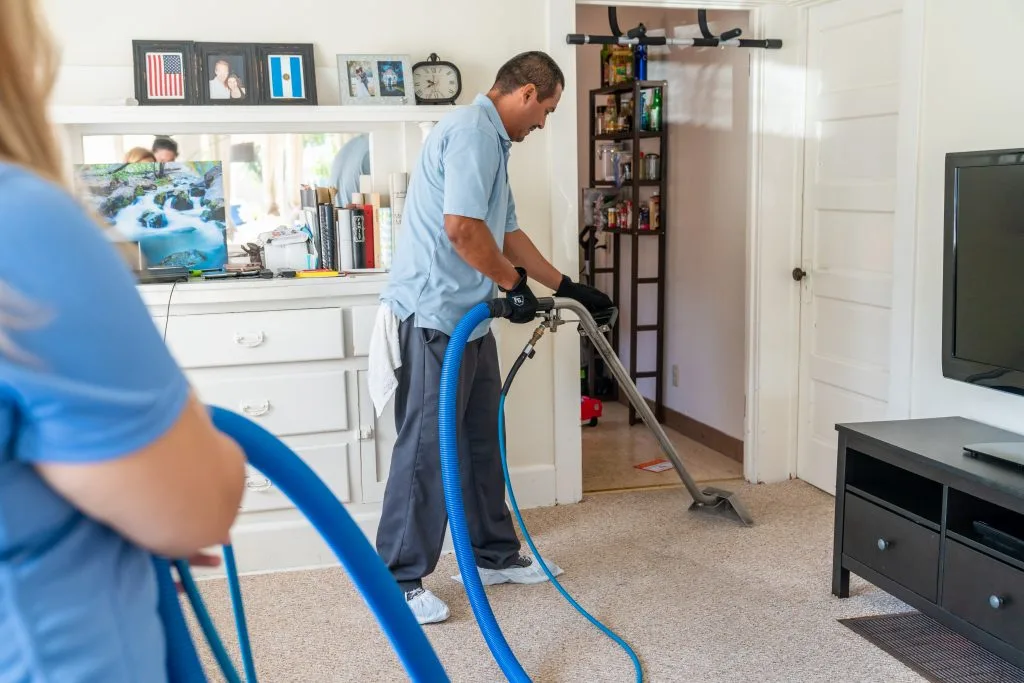
Pricing carpet cleaning jobs shouldn’t feel like guesswork—or a race to the bottom. The most successful carpet cleaning businesses rely on clear base rates, simple add-ons, and minimum charges that protect margins without slowing down quotes or confusing customers.
This 2026 price guide what carpet cleaners actually charge, which pricing models work best, and how to price jobs based on time, labor, and conditions. You’ll also see how standardized pricing systems help you quote faster, stay consistent, and scale without losing control of your margins.
Key takeaways
Here’s a quick overview of how to price carpet cleaning jobs in 2026:
Use room or square-foot pricing: These models have the best balance of speed and accuracy for most residential jobs.
Adjust for soil level and access: Pets, stains, stairs, and layout increase labor and costs.
Add upsells to drive profit: Upsells raise average job value without extra travel.
Set a minimum service charge: Minimums protect margins on small or one-room jobs.
Standardize pricing with software: Price books reduce errors and customer pushback.
Table of contents
- Average carpet cleaning prices in 2026
- Common carpet cleaning pricing models
- Factors that affect carpet cleaning prices
- How to set carpet cleaning prices
- Example carpet cleaning price calculations
- Advanced carpet cleaning pricing tips
- How to explain carpet cleaning pricing to customers
- How Housecall Pro helps you price carpet cleaning jobs
Average carpet cleaning prices in 2026
Carpet cleaning prices in 2026 vary based on job size, carpet condition, and local operating costs. Most residential jobs fall into predictable ranges, while commercial and specialty work requires more flexible pricing.
Carpet cleaning pros typically charge $25–$75 per room or $0.20–$0.50 per square foot, depending on the size of the space, carpet condition, and local market rates.* These rates cover most residential jobs.
Hourly pricing is less common for standard residential work, but it’s still widely used for commercial spaces, restoration jobs, or heavily soiled carpets, where the scope isn’t always clear upfront. In those cases, hourly rates typically fall between $60 and $100 per hour, billed per technician. This rate should account for overhead, travel time, equipment, chemicals, and nonbillable work, not just technician wages.
*These price ranges reflect 2026 national averages pulled from homeowner reports and service listings on platforms like Angi, HomeAdvisor, and Thumbtack. Use them as benchmarks, not fixed rules.
Residential carpet cleaning prices
Residential carpet cleaning is most often priced per room or per square foot, then adjusted based on the carpet’s condition and the work required to clean it properly. This structure keeps estimates fast while ensuring tougher jobs are priced correctly.
Customers understand what they’re paying for, while businesses stay protected with add-ons for extra labor or specialty treatments.
Here’s a look at typical residential carpet cleaning prices in 2026:
| Pricing type | Typical range |
| Per room | $25–$75 |
| Per square foot | $0.20–$0.50 |
| Small home (2–3 rooms) | $120–$200 |
| Medium home (4–6 rooms) | $180–$350 |
| Large home (7+ rooms) | $300–$600+ |
Commercial carpet cleaning prices
Commercial carpet cleaning jobs are usually larger, more predictable, and often scheduled regularly. Because the scope is easier to standardize, most pros price commercial work by square foot or hour instead of per room.
Square-foot pricing works well for offices, retail spaces, and multiroom facilities, while hourly pricing is better for jobs with unclear scope, heavy soil, or furniture-dense layouts.
Here’s a look at typical commercial carpet cleaning prices in 2026:
| Pricing type | Typical range |
| Per square foot | $0.10–$0.30 |
| Hourly | $60–$100 |
| Small office (one-time) | $200–$500 |
| Recurring contracts | Discounted per visit |
Popular carpet cleaning add-ons and upsells
Add-ons and upsells are one of the easiest ways to increase average job value without adding marketing spend or travel time. When upsells are presented clearly and tied to real problems, they feel helpful rather than pushy, making customers more likely to say yes.
Here are some of the most common carpet cleaning add-ons and their typical prices in 2026:
| Add-on | Typical price |
| Stain removal | $20–$40 per room |
| Pet odor treatment | $30–$75 |
| Deodorizing | $15–$30 |
| Carpet protector | $20–$50 per room |
| Upholstery cleaning | $40–$120 per item |
Pro tip: Save common add-ons as preset line items in Housecall Pro’s Price Book. This keeps pricing consistent across every estimate and helps prevent missed upsells or underquoted jobs.
Common carpet cleaning pricing models
There’s no single “right” way to price carpet cleaning. The most successful carpet cleaning businesses pick one primary pricing model and use clear adjustments when a job requires more time or effort. Consistency is what keeps quotes fast, fair, and profitable.
Carpet cleaning pricing per room
Per-room pricing means charging a flat rate for each room cleaned, regardless of the rooms’ sizes. This is the most common model for residential carpet cleaning.
Best for:
- Standard residential homes
- Jobs with clearly defined rooms
- Fast phone, text, or online quotes
Why it works:
- Simple and easy for customers to understand
- Speeds up estimating and booking
- Keeps pricing consistent across similar jobs
Watchouts:
- Large or open rooms can be underpriced
- Heavy soil, pet stains, or damage still require add-ons
Many pros solve this by setting a maximum room size and adding surcharges for oversized rooms, heavy soil, or pet-related issues.
Carpet cleaning pricing per square foot
Square-foot pricing means charging based on the total carpeted area instead of the number of rooms.
Best for:
- Large homes or open floor plans
- Commercial spaces like offices or retail stores
- Jobs where room count doesn’t reflect actual labor
Why it works:
- More accurate for larger or nonstandard layouts
- Scales naturally with job size
- Reduces disputes over room size or boundaries
Watchouts:
- Requires accurate measurements
- Can slow down quoting if square footage isn’t known upfront
This model works best when square footage is confirmed during booking or verified on-site.
Carpet cleaning pricing per hour
Hourly pricing means charging for the actual time spent on the job rather than the space cleaned.
Best for:
- Jobs with unpredictable scope
- Situations where conditions can’t be assessed upfront
Why it works:
- Protects profit on complex or labor-heavy jobs
- Accounts for delays, obstacles, and unknown conditions
- Prevents underpricing when standard models fall short
Watchouts:
- Harder for customers to estimate total cost
- Requires clear communication and time tracking
Common use cases include restoration work, commercial spaces with heavy furniture or clutter, and heavily neglected carpets with unknown soil conditions.
Pro tip: Build per-room, square-foot, or hourly pricing directly into Housecall Pro so techs can generate accurate estimates without manual math or on-the-spot decisions.
Get In Touch: 858-842-5746
Let us earn your trust
On average, Pros increase monthly revenue generated through Housecall Pro by more than 35% after their first year.
See plan options and feature breakdown on our pricing page.
Factors that affect carpet cleaning prices
Even with a standard pricing model, certain variables should adjust the final quote. Applying these consistently ensures you’re paid fairly for the time, effort, and resources each job requires.
- Carpet condition and soil level: Heavy traffic, deep staining, and neglected carpets require more passes and treatments.
- Pets: Hair, stains, and odors often require enzyme treatments or additional extraction time.
- Size, layout, and access: Stairs, hallways, tight layouts, and furniture-heavy spaces slow cleaning.
- Furniture density and moving: Jobs that require moving or blocking furniture increase labor.
- Service frequency and timing: One-time deep cleans cost more than recurring service; after-hours work may include premiums.
- Carpet type and drying method: Delicate fibers or specialty methods require specific equipment.
- Location and operating costs: Local labor rates, insurance, fuel, and cost of living should be reflected in market-appropriate pricing.
How to set carpet cleaning prices
Setting carpet cleaning prices starts with understanding your real costs, not copying competitors. Here’s a simple framework to price jobs accurately and consistently.
Step #1: Calculate your baseline costs
Start with what it costs you to show up and complete a job, not just the time spent cleaning. These define your break-even price.
Factor in:
- Labor: Technician pay, payroll taxes, and workers’ comp
- Overhead: Insurance, vehicles, fuel, equipment, and cleaning supplies
- Nonbillable time: Travel, setup, pre-vacuuming, and cleanup
Use these simple formulas to calculate:
Labor cost per job
(Hourly wage × labor burden) × job hours
Overhead cost per job
Total monthly overhead ÷ monthly billable hours × (job hours + nonbillable hours)
Break-even job cost
Labor cost per job + overhead cost per job
Step #2: Choose your primary pricing model
Most carpet cleaning businesses rely on one primary pricing model, then adjust when needed:
- Per-room pricing for standard residential jobs
- Square-foot pricing for large or commercial spaces
- Hourly pricing when scope is unpredictable
Standardizing your pricing model makes estimates faster and easier to explain.
Step #3: Add a profit margin
Your rates should do more than cover today’s costs—they should fund growth, absorb bad days, and still leave profit at the end of the month. To do that, you need to add a profit margin on top of your break-even price. Most carpet cleaning businesses aim for 20%–40%.
Here’s a simple formula:
Break-even cost ÷ (1 − target margin) = target rate
Step #4: Use add-ons to protect margins
Add-ons help you price for differences between jobs without raising your base rates. They let you charge for extra time, labor, or materials only when a job actually requires it.
To price add-ons, estimate how long each one takes, multiply that time by your target hourly rate, then round to a simple, repeatable number your team can quote quickly.
Price common services like stain removal, deodorizing, and carpet protection separately, and quote them the same way on every job. Recommend add-ons based on visible issues—not pressure—so customers understand why the price changes.
Use clear line items in estimates and invoices to show what’s included, justify adjustments, and make the final price easy to understand.
Step #5: Review and update pricing regularly
Carpet cleaning costs change over time. Your pricing should keep up.
- Review pricing annually: Sooner if labor or supply costs increase
- Track job time: Compare estimated time versus actual time to spot underpricing
- Adjust minimums if needed: Small jobs should still be profitable
Example carpet cleaning price calculations
Seeing how pricing breaks down in real-world scenarios makes it easier to build quotes confidently. Below are a few common examples using typical 2026 carpet cleaning rates.
Example 1: Small apartment
Scope: 3 rooms, light soil
Pricing model: Per-room
Base rate: $40 per room × 3 rooms = $120
Add-on: Deodorizing ($25)
Total price: $145
This job uses a standard pricing model with no condition-based upcharges. A simple add-on captures extra value without increasing the base rate.
Example 2: Family home with pets
Scope: 5 rooms, moderate soil
Pricing model: Per-room
Base rate: $55 per room × 5 rooms = $275
Add-on: Pet odor treatment ($60)
Total price: $335
Pet households typically require additional treatments and cleaning passes. Pricing the odor treatment separately ensures the extra labor and chemicals are covered.
Example 3: Small office
Scope: 2,000 square feet, quarterly service
Pricing model: Per square foot
Standard one-time rate: $0.22 per square foot
Recurring service rate: $0.18 per square foot
Per visit: 2,000 × $0.18 = $360
Total price (annual): $1,440
Recurring visits are faster and easier to schedule. The lower rate reflects this while still covering labor, materials, and overhead.
Advanced carpet cleaning pricing tips
Once you’ve got your base pricing dialed in, these strategies can help you increase profits without complicating your estimates or frustrating customers.
- Bundle services: Combine base carpet cleaning with add-ons like deodorizing, stain removal, or carpet protection to raise your average job value and save on drive time..
- Create tiered service levels: Package services into clear options (such as standard, deep, and premium) to upsell without custom quotes.
- Offer recurring discounts: Encourage repeat residential or commercial service with modest discounts that improve scheduling and revenue predictability
- Adjust pricing by demand or timing: Charge more for same-day, weekend, seasonal, or last-minute jobs to protect margins and manage schedule pressure.
- Track effective hourly revenue: Review completed jobs to confirm your flat or unit-based pricing consistently hits your target hourly rate.
- Price to filter low-value work: Use minimum charges, service boundaries, or premium-only offerings to reduce low-margin or time-draining jobs.
This keeps your pricing flexible, defensible, and easy to scale as your business grows.
How to explain carpet cleaning pricing to customers
Clear, upfront pricing helps prevent objections and builds confidence. Setting expectations early and clearly outlining what’s included makes it easier for customers to say yes.
- Explain what’s included in the base service: Describe what your standard carpet cleaning covers, such as professional equipment, cleaning solutions, setup, and labor, not just time on site.
- Set expectations upfront: Let customers know pricing is based on room count or square footage, with adjustments for carpet condition, access, or specialty treatments.
- Separate base service from add-ons: Present pricing in layers so customers clearly see the difference between the standard service and optional treatments like deodorizing or stain removal.
- Use clear, confident language: Explain pricing calmly and matter-of-factly, focusing on how services are priced rather than apologizing for the cost.
- Put pricing in writing: Use written estimates and invoices with clear line items so customers understand how the final price was calculated.
Pro tip: Send polished, automated estimates and invoices through Housecall Pro to make pricing transparent, professional, and easier for customers to approve.
How Housecall Pro helps you price carpet cleaning jobs
How you price carpet cleaning services is up to you, but Housecall Pro makes it easier to stay accurate and consistent. With our carpet cleaning software, you can:
- Build digital price books: Create per-room, square-foot, or hourly services with standardized pricing.
- Add common upsells: Include stain removal, pet odor treatment, deodorizing, or carpet protection as line items.
- Apply pricing instantly: Generate accurate quotes without manual math or guesswork.
- Offer online booking: Let customers schedule carpet cleaning services without back-and-forth, even after hours.
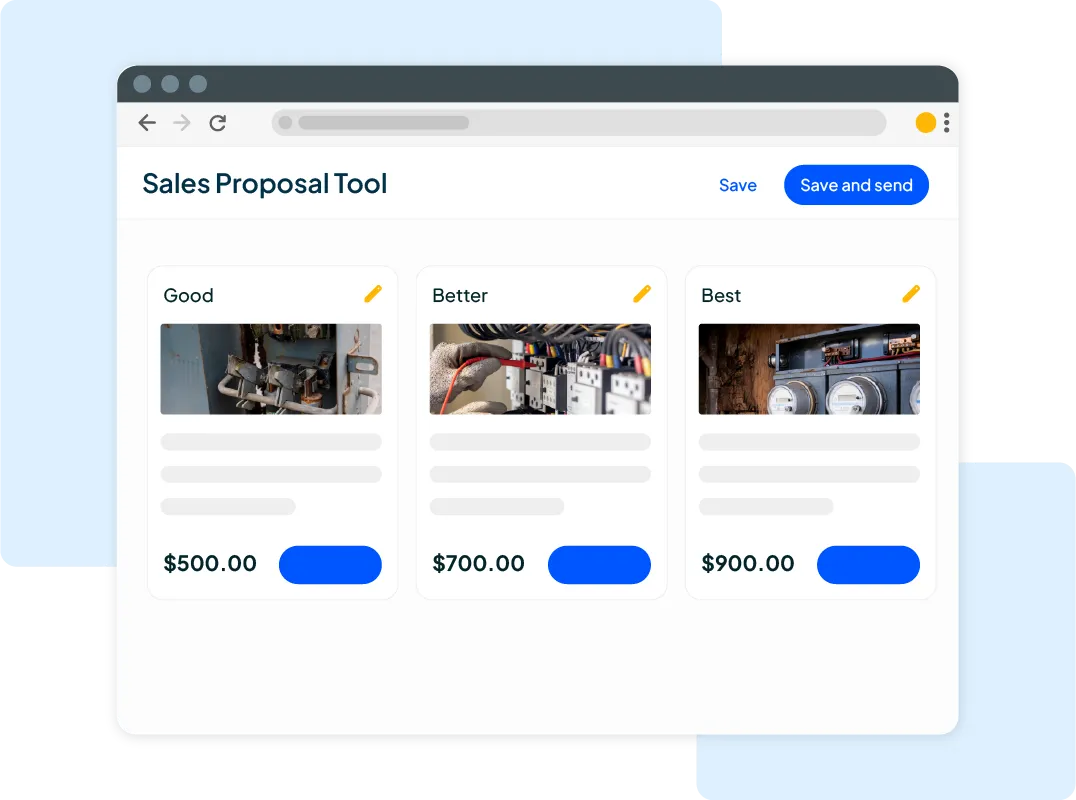
- Present professional quotes: Use templates to quote quickly without missing billable work.
Housecall Pro helps you run the entire job, not just price it. From booking and scheduling to payments and customer communication, everything stays organized in one place. Start your free Housecall Pro trial today to see how we can support and grow your business.
Frequently asked questions
-
Is per-room or square-foot pricing better for carpet cleaning?
-
Per-room pricing is better for most homes. Square-foot pricing is more accurate for large or open spaces. Many cleaners use both depending on the job.
-
Do carpet cleaners charge extra for pet stains and odors?
-
Yes, most carpet cleaners charge extra for pet stains and odors because they require enzyme or deodorizing treatments, additional labor, and more cleaning solution.
-
Is there a minimum charge for carpet cleaning services?
-
Yes, many carpet cleaning businesses set a minimum service fee to cover travel, setup, and labor, especially for small jobs.
-
How often should I update carpet cleaning prices?
-
Carpet cleaning prices should be reviewed at least once per year, or sooner if labor, fuel, or chemical costs increase.
-
Should I offer discounts on carpet cleaning?
-
Yes, you should offer discounts on carpet cleaning. However, recurring service discounts work better than one-time promos because they help lock in predictable revenue.