Want to win more jobs with less effort?
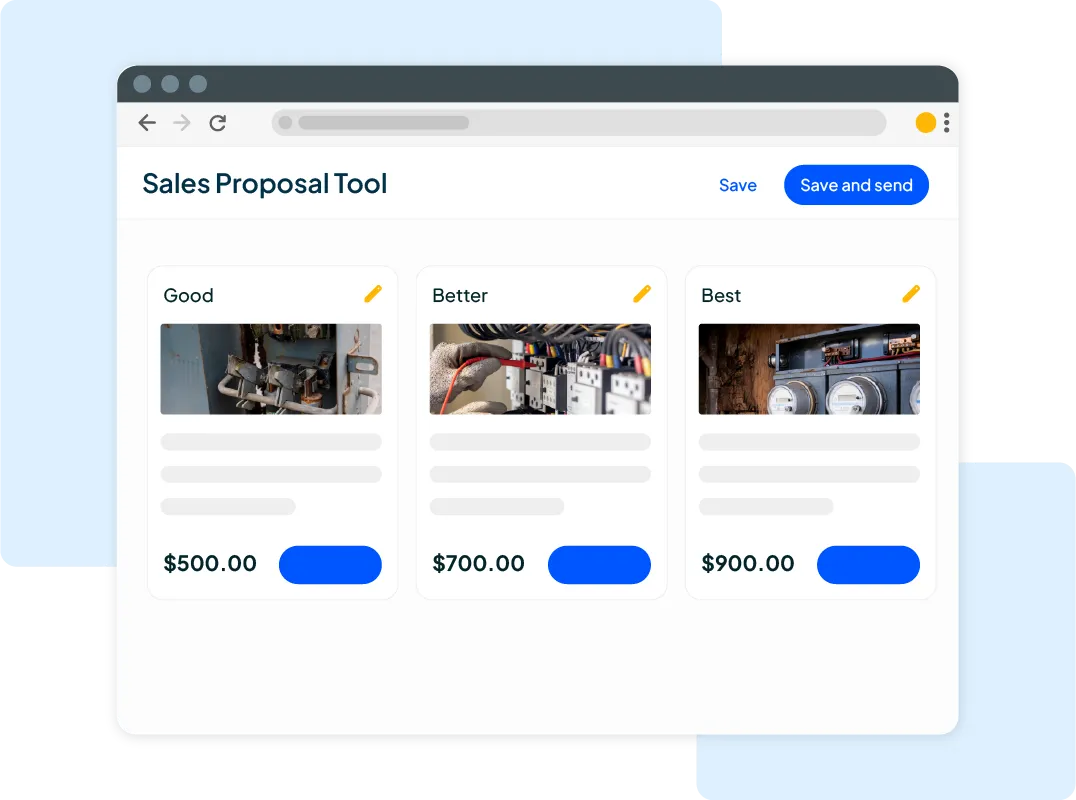
Grow your business and send quick quotes with our home service software.

Want to see your potential revenue?
See what businesses like yours earn with Housecall Pro in 1 - 2 minutes.
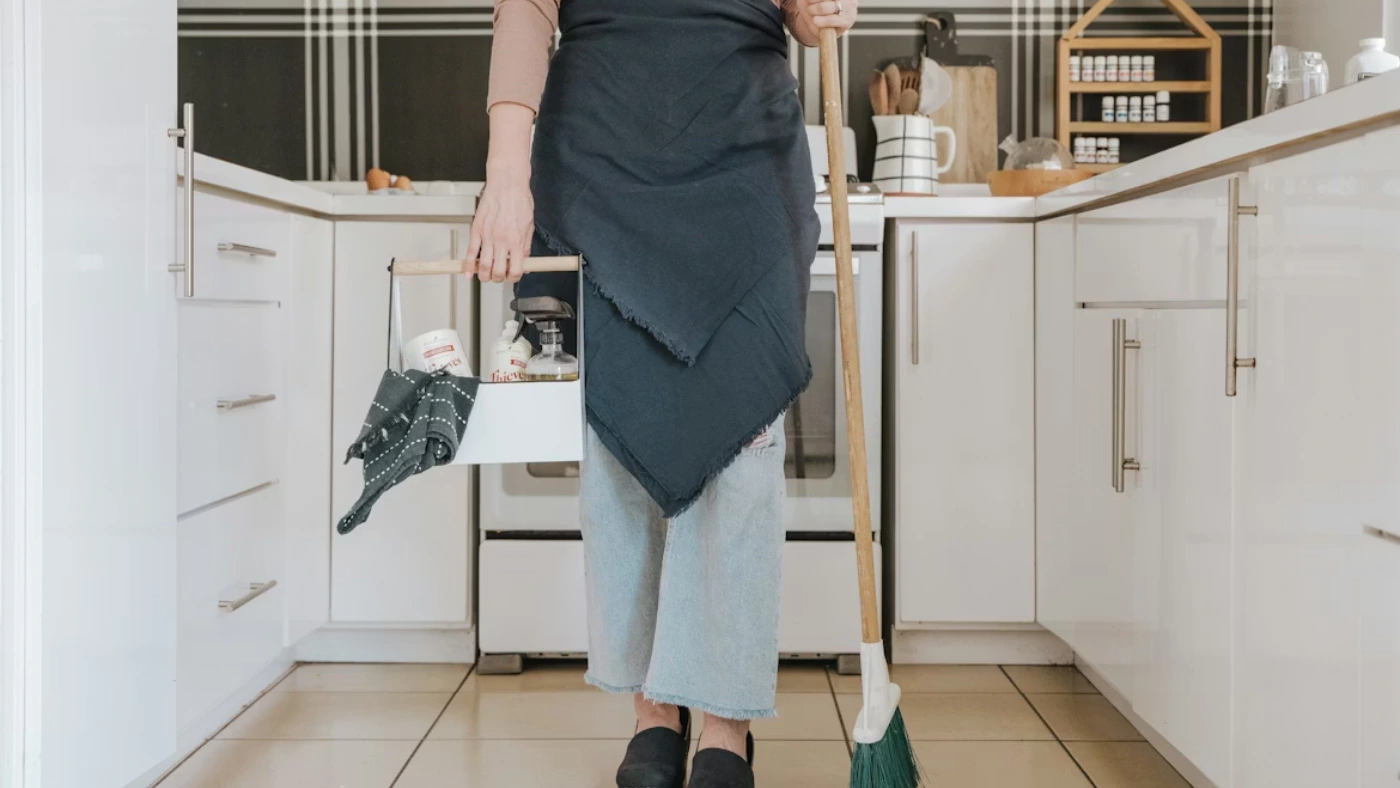
Guessing at your prices is the fastest way to work hard and lose money. A clear cleaning services price list makes sure every job covers your labor, supplies, insurance, and overhead—plus leaves room for profit. It also shows customers you run a professional, transparent business. That builds trust and cuts down on haggling before jobs start.
This guide includes a sample cleaning services price list with current residential and commercial rate benchmarks you can use as a starting point. You’ll see how services are typically structured, what factors influence pricing, and how to build a price list that protects your margins.
Key takeaways
Here’s how to build a cleaning price list that works:
Know your numbers: Your rates must cover labor, overhead, insurance, and supplies before you add any profit.
Match the model to the job: Use flat rates for recurring homes and hourly/square-foot pricing for unpredictable commercial work.
Build trust with consistency: A standardized price list prevents quoting errors and helps you close sales faster.
Table of contents
Cleaning business price list basics
Before you set your rates, decide how you’ll charge. The best model depends on the scope of the job and how predictable the work is.
Common cleaning pricing models
Most cleaning businesses use one (or a mix) of these:
- Hourly pricing: Charge a set hourly rate. This works best for first-time visits, deep cleans, or jobs where the timeline is unclear.
- Flat-rate pricing: Set a fixed price per visit. This works well for recurring residential cleaning because customers know exactly what they’ll pay.
- Square-foot pricing: Charge based on the job site’s total square footage. Commercial cleaners often use this for large buildings with consistent scopes.
Core cost components you must cover
You can’t price confidently if you don’t know your real costs. “Understand your costs, margins, and break-even point before you build anything else,” says April Prothero, founder of the nontoxic cleaning company Going GreenHouse,
Here’s what your pricing needs to cover:
- Labor: Wages, payroll taxes, and benefits for your employees.
- Supplies: Equipment and chemicals (vacuums, mops, disinfectants, etc.)
- Insurance: General liability insurance, bonding, and workers’ compensation insurance.
- Overhead: Marketing, uniforms, fuel, rent, and business software.
Pro tip: Aim for a 10%–28% profit margin to keep your business afloat during slow months and help cover ongoing costs.
Market and location factors
Where you work has a big impact on what customers expect to pay:
- Cleaning companies in major metros typically charge more than those in smaller towns, reflecting higher labor and operating costs.
- Highly competitive markets may create pricing pressure.
- Areas with active real estate markets often support higher demand (and rates) for move‑in, move‑out, and post‑construction cleaning.
Use national benchmarks as guidance, but always adjust to your local costs.
Sample home cleaning services price list
Many companies start at $200 for a standard home cleaning.* However, specialty jobs like post-construction or hoarding cleanups can cost $800 or more due to higher equipment, labor, and disposal requirements.
Below are the typical price ranges for common residential cleaning services for 2026. These prices are based on roughly 2,000 square feet, the average U.S. home size. More time and supplies are required as square footage increases:
| Cleaning type | Hourly rate** | Flat rate | Per-room rate*** | Square footage rate |
| Standard cleaning | $35–$75 | $200–$400 | $25–$60 | $0.10–$0.20 |
| Deep cleaning | $50–$90 | $240–$500 | $35–$100 | $0.12–$0.25 |
| Move-in or move-out cleaning | $50–$90 | $250–$500 | $125–$175 | $0.22–$0.33 |
| Specialty cleaning (post-construction or seasonal) | $40–$100 | $400–$800+ | $125–$175 | $0.15–$0.30+ |
*Price ranges in this article are based on 2026 data from Angi, Thumbtack, and HomeGuide.
**Hourly rates tend to apply to irregular, first‑time, or labor‑intensive cleans.
***Per‑room rates often exclude kitchens, bathrooms, and heavily detailed areas.
Pro tip: Use Housecall Pro’s price estimating software to standardize square-foot pricing and avoid underselling your services.
Standard residential cleaning prices
For an average 2,000-square-foot home, price between $200 and $400 per visit.
Standard service includes:
- Mopping and vacuuming all floors
- Dusting furniture and surfaces
- Cleaning bedrooms and making beds
- Sanitizing kitchen surfaces
- Washing interior windows (may be an add-on)
Pro tip: Offer a $10–$25 discount for weekly or biweekly service. Recurring jobs take less time and create predictable revenue without hurting your hourly earnings.
With Housecall Pro’s Service Plans, you can automate recurring billing and scheduling so you’re not chasing invoices every month.
Deep cleaning prices
Deep cleaning costs more than routine cleaning because it requires significantly more time, cleaning materials, and skill. A deep clean for a small two-bedroom, one-bathroom home typically starts at $240–$500+, with prices increasing for larger homes.
Deep cleans often cover:
- Kitchen appliances (inside the fridge and oven)
- Interior windows and tracks
- Baseboards and door frames
- Polishing furniture and mirrors
- Heavy buildup removal
Always recommend a deep clean for a first-time customer. This brings the home up to your standards, making future maintenance visits faster and easier to manage.
Move-in, move-out, and specialty prices
Move-in and move-out cleans typically range from $250–$500 depending on size and condition. This is because you’re not just cleaning—you’re restoring the property to “like-new” condition.
Common tasks include:
- Scrubbing cabinets and drawers
- Deep cleaning appliances
- Detailed trim and floor work
Specialty jobs are unpredictable. Always do an in-person walkthrough before quoting.
For step-by-step guidance on setting cleaning rates, check out our price guides by niche:
- How much to charge for house cleaning
- How much to charge for commercial cleaning
- How much to charge for carpet cleaning
- How much to charge for duct cleaning
- How much to charge for gutter cleaning
- How much to charge for window cleaning
- How much to charge for chimney cleaning
Get In Touch: 858-842-5746
Let us earn your trust
On average, Pros increase monthly revenue generated through Housecall Pro by more than 35% after their first year.
See plan options and feature breakdown on our pricing page.
Sample commercial cleaning services price list
Commercial cleaners generally charge per square foot, per visit, or per hour. Because contracts are larger and scopes vary widely, accuracy is important.
Use these 2026 benchmarks as a guide, but always adjust for your local labor costs and insurance requirements*:
| Commercial cleaning type | Hourly rate | Square footage rate |
| Standard office cleaning | $30–$75 | $0.07–$0.20 |
| Retail or storefront cleaning | $30–$60 | $0.08–$0.18 |
| Medical or dental office cleaning | $35–$80 | $0.12–$0.30 |
| Industrial or warehouse cleaning | $40–$90 | $0.10–$0.20 |
| Specialty or post-construction cleaning | $35–$90+ | $0.15–$0.30+ |
*Price ranges based on data from Angi, Thumbtack, and HomeAdvisor.
Commercial service call and assessment fees
Charge an assessment fee for on-site walkthroughs when you’re quoting large facilities or specialized environments. You’re charging for expertise, not just time.
This fee helps filter out corporate clients who are price shopping, and it also positions you as a professional.
An on-site assessment covers:
- Defining the exact scope of work
- Measuring square footage accurately
- Planning job frequency
- Identifying safety or compliance issues
Pro tip: Make the assessment fee nonrefundable, but credit it toward the first month’s bill if the client signs a contract. This removes cost objections while ensuring you’re paid for your time either way.
Standard commercial cleaning prices
Routine commercial cleaning services are priced by the hour, per visit, or as a monthly package. The ideal price structure depends on the building type and cleaning frequency. For example, retail spaces and offices are typically the least expensive to clean, starting around $30 per hour. By contrast, cleaners charge up to $90 per hour to clean industrial spaces and warehouses.
Your standard office package typically includes:
- Trash removal
- Restroom sanitation
- Floor care (vacuuming/mopping)
- Surface disinfection
- Basic breakroom cleaning
Deep commercial cleaning prices
Janitorial cleaning focuses on maintenance; deep cleaning focuses on restoration. It targets the dirt and grime that daily cleaning misses.
Deep cleaning costs more because it requires more than just labor. It involves:
- Industrial equipment: Floor buffers, steam cleaners, and pressure washers.
- Specialized training: Crews need to know how to handle strong chemicals safely.
- Higher risk: Stricter compliance and insurance requirements increase your overhead.
Price deep cleaning as a stand-alone service for first-time customers, and make it an add-on for repeat clients based on their periodic maintenance needs.
Specialty and industry-specific commercial cleaning prices
Don’t use flat rates for industry-specific jobs. The risks, regulations, and compliance requirements vary too much to standardize. For example:
- Medical facilities require hospital-grade disinfectants and strict biohazard waste compliance.
- Educational institutions often require low-chemical (green) solutions and must be cleaned outside of school hours.
- Industrial facilities require safety training and technical knowledge of machinery.
Sample price ranges can help you plan your rates, but final pricing should always reflect your actual expenses and local market conditions.
How to create your own cleaning price list
A strong cleaning services price list doesn’t happen by accident. It’s built from your real costs, your ideal customers, and the kind of business you want to run.
Whether you focus on residential homes, commercial contracts, or both, your pricing should be clear, repeatable, and profitable.
Follow these steps to build your own cleaning price list, or download Housecall Pro’s free house cleaning services price list template for a faster start.
Step #1: Define your service offerings
Don’t try to be everything to everyone. Daniel Felt, founder of Kura Home, admits he wasted time early on by offering too many services.
“It’s so hard in the very beginning when you’re trying to pay the bills… but I wish I would have just really focused,” Felt says.
To avoid this mistake, write down the services you excel at. Then, group related services together. For example, you could list furniture dusting and carpet vacuuming as your standard offerings.
Be specific about what is included so customers know exactly what they’re buying
Step #2: Choose your pricing structure
Decide how to charge for each of your services, bearing in mind that some jobs will be more predictable (and frequent) than others. Most cleaning businesses use flat-rate pricing for recurring residential jobs and hourly or square-foot pricing for variable or commercial jobs.
Whatever structure you choose, keep it simple and consistent. Clear pricing makes quotes faster to deliver, easier for customers to understand, and far less likely to cause disputes later.
Step #3: Set base prices and add-ons
Set a base rate for each key service that covers your labor, supplies, and overhead while leaving room for a healthy profit. Base this rate on your actual costs, not just what your competitors are charging.
From there, you can boost revenue with add-ons like oven cleaning, fridge interiors, or window washing.
Pro tip: To speed up quoting and reduce mistakes, build your pricing inside Housecall Pro’s Price Book so your team selects pre-set services instead of calculating on the fly.
Step #4: Compare prices locally
Look at competitor rates in your area to understand what customers expect to pay—but don’t underprice yourself just to attract more clients.
Nick Disney, CEO of Sell My San Antonio House, notes that his best cleaning partners charge up to 30% more than their competitors. They justify this premium by guaranteeing punctuality and proactive communication.
Knowing the market is more about understanding how to position your business than matching the lowest number.
Step #5: Publish and present your price list
Publish your pricing information on your website, include it in quotes, and keep it ready for customer conversations.
Follow these best practices:
- Highlight value: Focus on what the customer gets (like “a sparkling kitchen”), not just the cost.
- Keep it simple: Use 3–4 pricing tiers at most, so customers aren’t overwhelmed.
- Use clear formats: Add simple tables or bullet points so clients can instantly spot differences between packages.
- Be consistent: Make sure the price on your website matches the quote your team gives over the phone.
Pro tip: Pricing isn’t a “set it and forget it” task. Review your prices regularly to keep up with rising labor costs, supply expenses, fuel prices, and insurance premiums.
How Housecall Pro helps manage cleaning service pricing
Even the best price list falls apart if your team quotes inconsistently or forgets updated rates. Housecall Pro can help you turn pricing into an automated system, so every estimate reflects your true costs and target margin as your business grows.
With Housecall Pro’s cleaning business software, you can:
- Standardize rates: Build service-based price lists for standard cleaning, deep cleaning, and add-ons so every quote follows the same structure.
- Build estimates faster: Generate professional estimates in minutes by selecting pre-priced services instead of calculating from scratch.
- Protect your margins: Lock in agreed prices so team members don’t accidentally underquote a job.
- Update in one place: Adjust your rates once and automatically apply them to all future services.
When pricing, scheduling, and estimating live in one system, your business runs smoothly and your customers get a better experience.
Try Housecall Pro’s cleaning business software free for 14 days and set your rates with confidence.
FAQ
-
How many square feet can I clean per hour?
-
The total square feet you can clean per hour depends on the type of cleaning and the condition of the space. For standard residential cleaning, one cleaner will usually cover about 1,500–2,500 square feet per hour. For deep cleaning and highly detailed jobs, coverage typically drops to 400–800 square feet.
-
Is it better to charge by the hour or a set flat rate for cleaning?
-
Flat rates work best for recurring residential jobs. Hourly pricing works better for unpredictable, labor-heavy work.
-
How often should I update my cleaning prices?
-
You should update your cleaning prices every 6–12 months or anytime labor, supply, or insurance costs increase. Regular updates protect your margins as your business grows.