Want to win more jobs with less effort?
Grow your business and send quick quotes with our home service software.

Want to see your potential revenue?
See what businesses like yours earn with Housecall Pro in 1 - 2 minutes.

Starting a handyman business is one of the most accessible ways to turn your repair skills into real income. With low startup costs and steady demand, you can grow at your own pace and build a reliable stream of work that fits your experience and schedule.
This guide walks through starting a handyman business step-by-step so you can launch confidently and start booking jobs. We’ll cover everything from licensing and tools to pricing, marketing, and growth.
Key takeaways
Follow this simple roadmap to start your handyman business:
Get licensed and plan ahead: Secure your local handyman license and create a simple business plan.
Invest in essentials: Buy the tools you need and choose a clear pricing model.
Build an online presence: Focus on your Google Business Profile, a basic website, and word-of-mouth referrals to attract early customers.
Use software to stay organized: Tools like Housecall Pro streamline scheduling, payments, and customer communication.
Grow strategically: Start with low costs, expand services and staff gradually, and reach new neighborhoods to scale your business.
Handyman business startup checklist
- Step 1: Get your handyman license
- Step 2: Create your handyman business plan
- Step 3: Secure business financing
- Step 4: Register and license your handyman business
- Step 5: Get handyman business insurance and bonding
- Step 6: Buy your handyman tools and equipment
- Step 7: Set your handyman prices
- Step 8: Invest in handyman marketing & advertising
- How much does it cost to start a handyman business?
- How Housecall Pro's handyman business software can help
Step 1: Get your handyman license
Licensing is the part that trips up new handymen the most—not because it’s complicated, but because the rules change wildly depending on where you live. You might be in a state where you can legally handle small repairs with nothing more than a business license, or in a state where any work above $500 requires a contractor license.
The goal here is to help you understand exactly which rules apply to you so you can start your business confidently (and legally).
→ Check out our handyman licensing guides for specific details about your state.
What usually determines licensing
Think of licensing as a set of “trigger points.” If your job crosses one of these boundaries, you may need more than a basic business license. These factors vary by state, but most places use similar categories.
- Job value thresholds: Many states set a dollar limit—like $500 or $1,000—before a contractor license is required. Even replacing a light fixture could require a license if the total job cost crosses the set threshold.
- Structural work: Anything involving load-bearing walls, roofing, major framing, or altering a home’s structure typically requires a contractor license.
- Regulated trades: Electrical, plumbing, and HVAC are heavily regulated across the U.S. Even “simple” tasks like replacing an outlet or swapping a toilet may require a trade license, depending on the state.
- Local building code rules: Cities and counties sometimes add their own requirements. You might be cleared by the state but blocked by your city without extra registration.
Handymen often stay within the “minor repair” category to avoid these higher-level license requirements.
Typical requirements
Every state has its own version of what a legal handyman needs, but most fall into a few buckets.
- A standard business license: Almost always required at the city or county level.
- Contractor registration: This is a lighter version of a full contractor license—common for general repairs or projects under a certain dollar amount.
- EPA Lead-Safe certification: Required if you work on homes built before 1978. Even sanding or disturbing painted surfaces can trigger this requirement.
- Proof of general liability insurance: Some states require it to register your business; many customers won’t hire you without it.
Even if your state doesn’t mandate licensing, carrying insurance and a business license goes a long way in earning customer trust.
State examples
Here’s how handyman licensing can vary from one state to another.
| State | License needed? | What triggers it? | Notes |
| California | Yes | Anything over $500 | Strict limits; CSLB license required |
| Florida | Sometimes | Structural, electrical, plumbing | Many cosmetic repairs allowed |
| Texas | No state license | County/city dependent | Trades still regulated |
| Washington | Yes | All construction-related work | Registration + insurance required |
| New York | City-based | Depends on the borough | NYC requires a Home Improvement Contractor License |
Step 2: Create your handyman business plan

A business plan doesn’t need to be fancy, but it does need to give you a clear roadmap of how your company will make money, who it will serve, and which services you’ll focus on. The goal is clarity, not complexity. Here’s how to get started.
Learn more: 100+ Handyman Company Name Ideas (and How to Pick the Right One)
Research your market and competitors
Getting a feel for your local market saves you from underpricing yourself or offering services that don’t match what homeowners in your area actually need. Luckily, you don’t need expensive tools, just a little time and curiosity.
Here’s how to research effectively:
- Search “handyman near me” on Google Maps: Look at the top performers and what they list as their core services.
- Check Yelp and Angi profiles: Compare their listings, price ranges, before/after photos, and how many reviews they have.
- Look at Nextdoor and local Facebook groups: Homeowners constantly ask for recommendations—this reveals what types of jobs are common and which pros they love (or avoid).
- Pay attention to customer complaints: If people say “Nobody calls back” or “No one available for small jobs,” those are gaps you can fill.
This research typically reveals a few opportunities—fast turnaround, small repairs no one wants, or rental turnovers where the same issues need fixing repeatedly.
Additional resources to help you get started:
- How to Write a Handyman Business Plan Guide: Get in-depth instructions and a section-by-section breakdown outlining business goals, startup costs, pricing, and profit margins.
- Handyman Business Plan Template: Use our free downloadable template to add customizable branding, access built-in formulas, and get a printable report.
- Handyman Business Checklist: Get a quick reference list to prioritize and complete necessary steps so you don’t miss anything before you launch.
Create your handyman services list
Your services list is basically your identity as a handyman. Some handymen stay broad and handle a little of everything. Others carve out a niche like cosmetic updates, punch-list completion, furniture assembly, or home maintenance packages.
Here are common handyman services to help shape your list:
- Basic carpentry
- Cabinet adjustments
- Ceiling fans
- Door and window repairs
- Drywall patching + texture blending
- Exterior touch-ups
- Faucet replacements
- Fence repairs
- Furniture assembly
- Light fixture installation
- Painting (touch-ups or full rooms)
- Pressure washing
- Rental turnover repairs
- Smart home device installation
- Tile repairs
The tighter the list, the easier it is to market your expertise, price your work confidently, and attract the right customers.
Learn more: 20+ Handyman Services to Offer Clients
Set your goals
A new handyman business is easiest to grow when you have clear goals. These help you avoid burnout or growing too fast without structure.
Most handymen break their goals into two buckets:
Short-term goals (first 3–6 months)
- Build a simple website
- Create a reliable pricing structure
- Land first 10–20 paying clients
- Collect 5–10 Google reviews
- Earn consistent monthly revenue (e.g., $3,000/month)
Long-term goals (first 1–3 years)
- Add a second work vehicle
- Bring on an additional technician
- Expand into nearby cities or neighborhoods
- Develop recurring revenue services (e.g., quarterly home maintenance plans)
- Hit a specific revenue target ($80,000, $120,000, or more)
Step 3: Secure business financing
You can absolutely start a handyman business on a tight budget, especially if you already own tools. But if you want a good work vehicle, high-quality tools, or polished branding, financing gives you room to grow without stressing about cash flow.
Here’s what most handymen consider when weighing their options—and what you typically need to qualify.
Government funding
Local Small Business Development Centers (SBDCs) offer low-interest loans, grants, and free training. These programs often support trades because they create local jobs.
What you usually need to qualify:
- Proof you’re starting or running a legitimate business
- A simple business plan outlining your services and market
- Basic financial info (income, debt, expenses)
- Sometimes proof of residency in the city or county
SBA loans
The Small Business Administration backs two popular loan types:
- SBA 7(a): Good for vehicles, equipment, or larger startup needs
- SBA Microloan: Great for tools, marketing, and small cash-flow boosts
What you usually need to qualify:
- A credit score around 640+ (higher is better)
- A business plan with revenue projections
- Proof of ability to repay the loan
- Some form of collateral (varies by lender)
- At least partial owner investment (you must put in some of your own capital)
SBA loans are known for friendly terms but take time to process.
Business line of credit
A business line of credit gives you access to a set amount of funds you can borrow from as needed, similar to a credit card but with more flexibility. It’s especially helpful for covering materials, managing cash flow, or bridging the gap while you’re waiting on customer payments.
What you usually need to qualify:
- Fair to good credit (typically in the 620–740 range, depending on the lender)
- A business bank account
- Basic financial statements
- Consistent revenue if you’re already operating
Banks want to see that you can handle temporary dips in cash flow.
Grants
There are several grants you can take advantage of to start your handyman business:
- Local small-business grants
- Minority-owned business grants
- Veteran-owned business grants
- Community development grants
- Grants from utility companies, workforce boards, and private foundations
What you usually need to qualify:
- Proof of business ownership or intent-to-launch
- A short application describing your services
- A simple explanation of how you’ll use the funds
- Sometimes demographic or community-impact qualifications
Grants rarely cover all startup costs, but they do eliminate early pressure and don’t require repayment.
Step 4: Register and license your handyman business

This is the paperwork section—never the fun part, but honestly much simpler than people expect. Once this is done, you’re officially in business.
Choose a business structure
Your legal structure determines taxes, liability, and how simple your business is to maintain.
Here’s a quick breakdown:
- Sole proprietorship: The simplest and cheapest structure to set up, but your personal assets aren’t protected if something goes wrong.
- LLC: The most common choice for handymen—easy to maintain, provides strong liability protection, and offers flexible tax options.
- Partnership: Works when two or more people co-own the business and want to share responsibilities, profits, and liability.
- Corporation / S-corp: A more formal structure best for businesses planning to grow, hire employees, or generate higher revenue, with potential tax benefits depending on setup.
You can always change your legal structure as your business evolves to better fit your growth and goals
Learn more: How to Pay Yourself as a Business Owner
Apply for a business license
Most handymen get their business license through their city or county. The process is usually quick—fill out a short application, pay a small fee, register your business name, and note the areas you’ll serve.
Once you’re approved, upload a digital copy into Housecall Pro, so your license is always on hand when customers or inspectors ask for it.
Get In Touch: 858-842-5746
Let us earn your trust
On average, Pros increase monthly revenue generated through Housecall Pro by more than 35% after their first year.
See plan options and feature breakdown on our pricing page.
Step 5: Get handyman business insurance and bonding
Insurance protects you, your customers, and your business. Even if your state doesn’t require it, most responsible handymen treat this as non-negotiable.
Yoni Assulin, a general contractor at ASL Remodeling, says not getting insurance is one of the biggest mistakes he sees new handymen make. “One claim can wipe you out. Get insured first—even if it slows you down at the beginning.”
Here’s what you typically need:
- General liability insurance: Covers broken items, damaged walls, and customer injuries.
- Workers’ compensation: Required once you hire employees.
- Commercial auto insurance: Needed if you use a truck or van for your work.
- Bonding: Sometimes required for government jobs or rental properties; it reassures customers you’re trustworthy and financially backed.
Get quotes from multiple providers to find a competitive price. Some insurers offer discounts for contractors and trades.
Step 6: Buy your handyman tools and equipment

Your tools are the backbone of your business, but getting started doesn’t mean buying out the hardware store. Most handymen begin with a simple, reliable setup and upgrade as the jobs (and revenue) grow. Focus on tools that cover your most common services and give you room to take on slightly more profitable work.
Learn more: 30+ Must-Have Handyman Tools for Every Job
Hand tools
These are your daily drivers—the things you’ll reach for on almost every job:
- Screwdrivers and pliers
- Tape measures and levels
- Stud finder
- Adjustable wrenches
- Utility knife
Power tools
A small set of dependable power tools saves hours and opens the door to more complex work:
- Cordless drill + impact driver
- Oscillating multitool
- Sander
- Circular saw
- Wet/dry shop vac
Safety gear
Always make room in your budget for safety essentials:
- Gloves
- Safety glasses
- Dust mask or respirator
- Knee pads
- Ear protection
Pro tip: Smart spending goes a long way here. Refurbished or gently used tools from trusted brands often last just as long as new—and can cut your startup costs in half.
Vehicles
Your work vehicle functions as your mobile shop. Many pros start with whatever vehicle they already own and upgrade later to a truck or van with shelves and storage.
Additional resources: Grab a copy of our Handyman Tools List Checklist to make sure you have everything you need.
Step 7: Set your handyman prices
Your pricing is the engine that makes everything else possible. It covers your time, gear, gas, insurance, and profit.
Choose a pricing model
Your pricing should match the type of work you do. Most handymen use a combination of models.
- Hourly pricing: Best for diagnostics or jobs with unknown variables.
- Flat-rate pricing: Great for standard, repeatable jobs like mounting TVs or installing toilets.
- Hybrid pricing: Use hourly for diagnostics and flat rates for standard tasks.
Calculate your costs
To set profitable handyman pricing, start by calculating all relevant costs using this formula:
Total Cost = Labor + Materials + Overhead + Desired Profit Margin
- Labor and materials: Estimate the time required for each job and include the cost of any materials used.
- Overhead: Account for vehicle maintenance, tools, insurance, advertising, and other business expenses.
- Profit margin: Decide on a margin that supports business growth. Most handymen aim for 30%–50%, depending on the job.
Set your rates
Once you know your base costs, adjust your rates to remain competitive and fair:
- Consider service type: Jobs that take longer, require specialized skills, or involve higher risk should be priced accordingly.
- Research competitor pricing: Look online to find what customers expect locally.
→ Want deeper formulas, examples, and pricing tables? Check out our full Handyman Pricing Guide for step-by-step rates, margin calculations, and real-world examples.
Additional resources:
Step 8: Invest in handyman marketing & advertising

Marketing is how your first customers find you. You don’t need a big budget, just consistency and visibility. We’ll share the basics below; check out our full Handyman Marketing Guide for more details.
Design your brand
A strong, consistent brand helps potential clients recognize your business and feel confident hiring you. Even small details like colors, fonts, and messaging can make a difference.
- Create a logo: Design a simple, memorable handyman logo that reflects your business and the types of services you offer.
- Develop a tagline: Craft a brief and catchy handyman motto that highlights what makes your services valuable.
- Choose brand colors and fonts: Pick consistent colors and fonts across your materials.
- Establish a tone and style for marketing: Decide on the tone (friendly, professional, straightforward) you’ll use in your communications.
Build your online presence
Your digital footprint is often the first impression customers get. A strong online presence helps to build trust and make it easier for potential clients to reach you.
- Create a professional website: Build a simple, user-friendly handyman website hat provides an easy-to-understand list of your services, contact information, pricing, and client testimonials. A website gives potential clients a place to learn more about your business.
- Set up a Google Business Profile: Register your business on Google to appear in local search results. This can boost visibility when people in your area search for handyman services, making it easier for clients to find and contact you.
- Leverage social media: Use platforms like Facebook, Instagram, and LinkedIn to share project photos, customer reviews, and updates. Social media is a great way to engage with local clients and build credibility.
Use offline marketing
Don’t underestimate the power of real-world visibility. Offline marketing can be just as effective as online tactics—especially for handymen, since trust is such a big factor in hiring decisions.
Some ways to get noticed offline include:
- Hand out business cards, door hangers, and flyers: Physical marketing materials like direct mail postcards can help spread the word locally and give potential clients something tangible to remember you by.
- Post on community boards: Pin your services on local bulletin boards at libraries, grocery stores, or community centers to reach nearby homeowners.
- Talk to neighbors when working on a job: Introduce yourself while on-site—word-of-mouth from neighbors is one of the most trusted ways to gain new clients.
- Partner with real estate agents and property managers: Establish relationships with agents and property managers who often require handyman services for property maintenance and may refer clients to you.
How much does it cost to start a handyman business?
Startup costs depend on whether you already own tools, whether you need a vehicle, and the licenses your state requires. Most people land somewhere between $2,000–$10,000.
Here’s a simple breakdown:
- Tools and equipment: $500–$5,000
- Licensing and permits: $50–$500
- Insurance: $500–$2,500/year
- Vehicle purchase or upgrades: $0–$10,000+
- Marketing and branding: $200–$2,000
- Software subscriptions: $0–$100/month
- Uniforms and supplies: $100–$300
While it’s tempting to cut corners to save money, investing a little more upfront can pay off in the long run. “New handymen sometimes focus too much on keeping costs down to the detriment of growing their business,” says Andrew Fisher, owner of Valley Patios in Palm Desert, California. “Buy high-quality tools. Invest in marketing. If you’re good at what you do, clients will be happy to refer you, leading to low-cost leads in the long run.”
*These ranges reflect typical startup costs reported by handyman professionals, Small Business Development Centers (SBDCs), and common insurance and equipment estimates across the home-service industry.
How Housecall Pro’s handyman business software can help
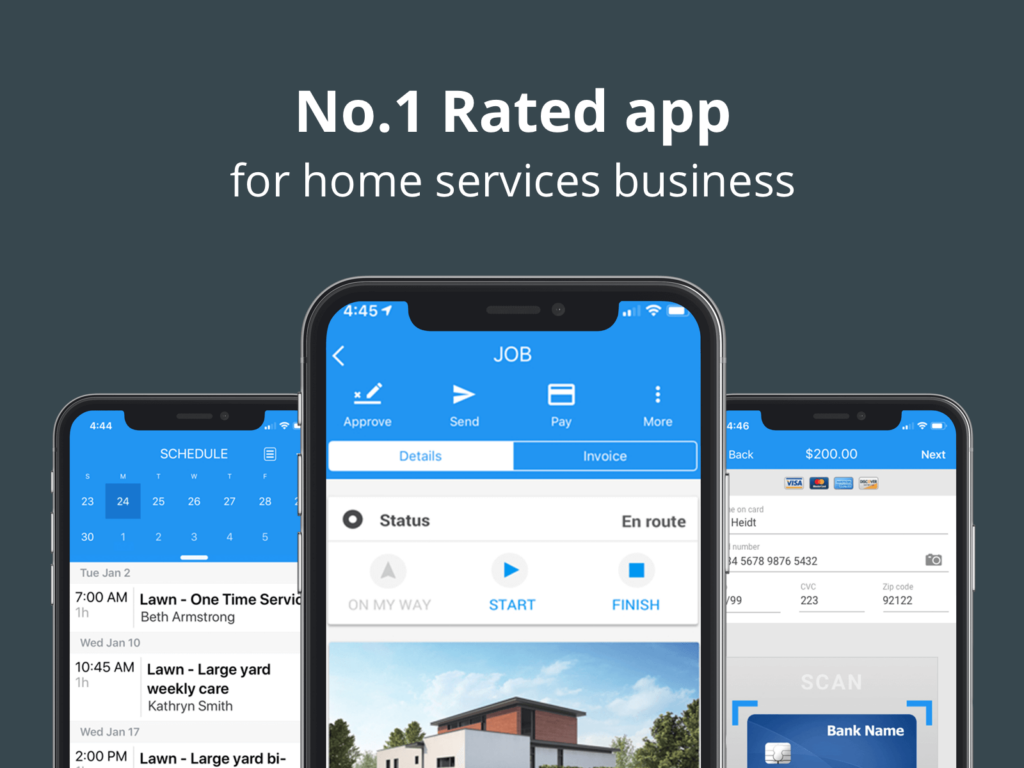
Housecall Pro helps you run your handyman business without juggling spreadsheets, texts, and loose paperwork. Everything lives in one place—your calendar, customer messages, job history, estimates, invoices, reviews, payments, and more.
Here’s what you can do with our handyman software:
- Scheduling and client management: Book jobs, send reminders, and stay organized.
- Pricing and invoicing tools: Send quotes, build estimates, and collect payment fast.
- Marketing automation: Request reviews and follow up with customers automatically.
- Operational efficiency: Digital forms, mobile access, and team management tools.
- Growth support: Add techs, manage routes, and expand to multiple areas.
Start your free 14-day trial of Housecall Pro and set your business up for long-term success.
Handyman business FAQ
-
How much does a handyman charge per hour?
-
Handyman rates vary widely, but most professionals charge somewhere between $50 and $125 per hour, depending on their experience, specialty, and location.
-
Do I need a license to be a handyman?
-
Whether you need a handyman license depends on your state. Some states only require a basic business license for small jobs, while others require contractor registration for any project exceeding a specific dollar amount or involving structural, electrical, or plumbing work.
-
What services can a handyman legally perform?
-
Generally, handymen can perform nonstructural repairs, basic installations, drywall, painting, carpentry, and light mechanical tasks. Trades like electrical, plumbing, and HVAC usually require special licenses.
-
Is starting a handyman business profitable?
-
Yes, many handyman businesses are profitable. Thanks to low overhead and high demand, many handymen earn $50,000–$100,000+ annually, especially once they establish regular clients and recurring work.
-
Do I need insurance to start a handyman business?
-
Yes. General liability insurance is essential for protecting yourself and your customers. Many clients will not hire you without it.