Want to win more jobs with less effort?
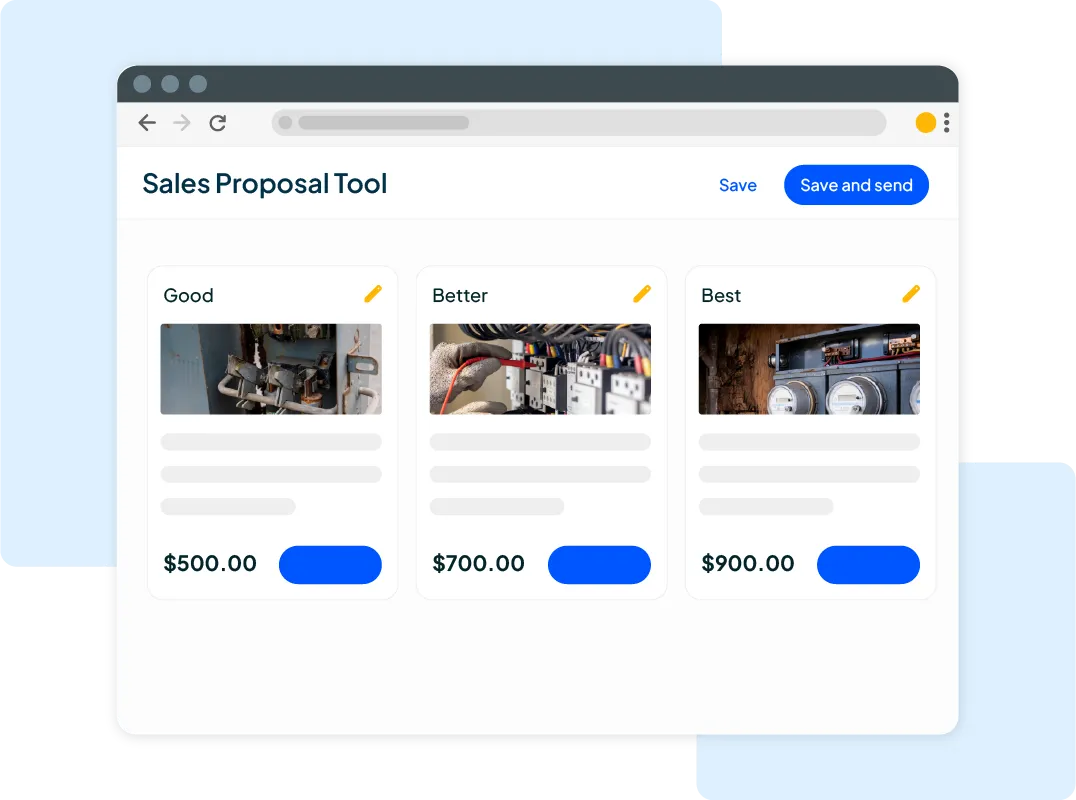
Grow your business and send quick quotes with our home service software.

Want to see your potential revenue?
See what businesses like yours earn with Housecall Pro in 1 - 2 minutes.

Choosing the right handyman services is about more than making a long list. The best services to offer are the ones that match your skills, equipment, and local demand while helping you build a profitable, repeatable business.
This guide covers 30 common handyman services, how to decide which ones belong on your list, and tips for pricing and organizing them as your business grows. You’ll also see how Housecall Pro helps you manage different service types with customizable job details, estimates, and workflows.
Just getting started? Download our free handyman business checklist to make sure you have everything you need.
Quick answer: What services make the most money for a handyman?
The most profitable handyman services are usually the ones that require specialized skills, have steady demand, and command higher rates. Common examples include smart home installations, tile and backsplash installation, custom carpentry and trim work, and small kitchen or bathroom upgrades, such as replacing vanities, faucets, or fixtures.
In areas where local regulations allow it, deck repairs and small deck installations can also be high-value jobs. As you build experience in specialized services like finish carpentry, you can often charge more because fewer handymen offer that level of expertise.
Read more: Handyman profit margin calculator
Key takeaways
Here's a quick overview of how to create a handyman services list:
Offer in-demand services: Include repairs, installations, seasonal work, and smart home upgrades.
Clearly define your services: A detailed list helps customers compare and book with confidence.
Check local licensing laws: Stay compliant before taking on plumbing, electrical, or specialty jobs.
Use your service list to grow: Organized offerings make quoting, pricing, and marketing easier.
Customize your workflow: Use a flexible template to simplify estimates, invoicing, and service tracking.
Table of contents
How to choose which handyman services to offer
Choose handyman services by balancing your skills, equipment, and experience with what customers in your area are looking for.
Follow these steps to build a services list that fits your business and leaves room to expand as you grow
1. Match services to what your market needs
Start by researching the types of handyman jobs homeowners in your area are looking for. Browse Angi, Thumbtack, and Nextdoor to spot common requests and identify services that are in demand.
Then, visit the websites of local handyman companies to see how they position their businesses. Pay attention to the services they highlight—and the ones they don’t. If you have the skills to offer a service that few local competitors advertise, it could be an opportunity to differentiate your business.
2. Start with what you’re already good at
Once you understand what customers are looking for, focus on the services that overlap with your skills and experience. Your first-year goal is to build a reliable base of customers. You do that by only offering handyman jobs you know you’re good at. If this means your initial list is short, that’s fine.
You only have one chance with a new customer. If you do the job well and leave their home clean, they’re more likely to hire you again for another project or recommend you to friends and neighbors.
3. Note any specialty job requests or ones that require extra tools, training, or a license
As your business grows, these services can become your next area of expansion. Compare the most frequent services against your services list and note which ones you don’t currently offer. Assess what you need to do to offer those services—whether that’s taking a training course, buying specialty tools, or obtaining a contractor license, where required.
4. Avoid expanding too quickly
As your business grows, it can be tempting to add every service customers ask about. Instead, expand your offerings gradually so you can maintain quality and accurately price each job.
You may be taking on too much if:
- You’re constantly switching gears, making errors, missing deadlines, or returning to fix mistakes.
- Customers seem unsure about what you specialize in.
- It takes longer than usual to respond to new leads or follow up with customers.
- You struggle to accurately estimate materials, labor, and other job costs.
When you’re first starting out, focus on high-frequency, low-barrier services (like TV mounting, drywall patching, and ceiling fan replacements) to build a strong base of repeat customers before expanding into more specialized work.
Daniel Felt of Kura Home learned this firsthand: “We tried to do too many different things,” he says of starting his business. “I wish I would have just really focused because I wasted a ton of time.”
Get In Touch: 858-842-5746
Let us earn your trust
On average, Pros increase monthly revenue generated through Housecall Pro by more than 35% after their first year.
See plan options and feature breakdown on our pricing page.
What are the best handyman services to offer?
The best handyman services are the ones that match your skills, local demand, and long-term business goals. The 30 services below are organized by category to help you compare opportunities and build a services list that fits your business.
Interior repairs & drywall
Interior repair jobs are some of the most common handyman requests. These services are often completed in a single visit and can help you build long-term relationships with homeowners and property managers.
1. Drywall repair and maintenance
Drywall work ranges from patching nail holes and repairing dents to replacing damaged sections and installing new drywall. Offering a range of repair options helps you handle everything from small touch-ups to larger restoration projects.
Typical price range: $100–$500+, depending on damage
Business value: Quick turnaround; repeat customer potential
2. Picture hanging and installation
Many homeowners struggle to hang artwork, mirrors, and shelving properly. Professional installation ensures everything is level, secure, and positioned correctly.
Typical price range: $75–$300
Business value: Quick turnaround
3. Screen installation and repair
Window and door screens wear out over time. Offering repairs and replacements gives customers an affordable way to improve comfort and curb appeal.
Typical price range: $50–$250
Business value: Quick turnaround
Painting (interior & exterior)
Painting services range from small interior projects to full exterior jobs. Many homeowners are comfortable painting a single room, but larger projects often require the time, equipment, and experience they’re looking to hire out.
Pro tip: If you regularly work in HOA communities, keep their paint guidelines handy so you can help homeowners choose compliant colors more quickly.
4. Interior stain and paint
While many homeowners handle small painting projects themselves, larger jobs often require more time and preparation. Offer full-room painting, trim work, cabinet painting, accent walls, and touch-ups for customers who want a professional finish.
Typical price range: $350–$850 per room
Business value: High-ticket service
5. Exterior stain and paint
Exterior painting improves curb appeal and protects surfaces from weather damage. Offer siding painting, trim painting, deck staining, and shutter refinishing. The bonus? Exterior work doubles as free advertising for your handyman business every time someone drives by.
Typical price range: $500–$5,000+
Business value: High-ticket service
Carpentry & trim
Carpentry and trim work gives you the chance to take on more specialized projects. If you have the skills, these services can help you stand out and command higher rates.
6. Baseboard and trim installation
Trim upgrades can dramatically improve a room’s appearance. Homeowners frequently hire out this detail-oriented work.
Typical price range: $200–$1,500+
Business value: Speciality service
7. Crown molding installation
Crown molding adds a premium finish to living rooms, dining rooms, and entryways.
Typical price range: $500–$2,000+
Business value: High-ticket service
8. Shelving and storage installation
Custom shelving, closet systems, and garage storage solutions remain popular with homeowners looking to maximize space.
Typical price range: $150–$1,000+
Business value: Repeat business
9. Furniture assembly
Many customers prefer to hire a professional rather than spend hours assembling furniture.
Typical price range: $75–$300
Business value: Quick turnaround
Doors, windows & hardware
Door, window, and hardware repairs are everyday jobs that many homeowners prefer to hire out. Just keep in mind that structural repairs or major modifications may require permits or additional licensing, depending on where you work.
10. Door hardware installation
Install and replace doorknobs, deadbolts, keypad locks, and other security hardware.
Typical price range: $75–$200 per door
Business value: Add-on opportunity
11. Door repair and adjustment
Sticking doors, damaged hinges, and alignment issues are common homeowner frustrations.
Typical price range: $100–$350
Business value: Quick turnaround
12. Window covering installation
Install curtain rods, blinds, shades, and smart window coverings.
Typical price range: $30–$80 per blind or $100–$500 per project
Business value: Quick turnaround
13. Weatherstripping and sealing
Help homeowners improve energy efficiency by sealing doors and windows.
Typical price range: $100–$500
Business value: Seasonal demand
Tile & flooring
Tile and flooring projects can be a good way to take on larger jobs, but they’re also more complex than many general handyman services. Before adding them to your services list, make sure you understand your local licensing requirements.
14. Tile installation and repair
Tile work is highly sought-after. Offer tile replacement, repairs, backsplashes, and small flooring projects.
Typical price range: $300–$2,000+
Business value: Speciality service
15. Backsplash installation
Kitchen backsplashes are manageable projects with strong customer demand.
Typical price range: $400–$1,500
Business value: High-margin specialty service
16. Flooring repairs
Repair damaged laminate, vinyl plank, hardwood, or tile flooring.
Typical price range: $150–$1,000+
Business value: Repeat customer potential
Minor plumbing
Many handymen offer basic plumbing fixture repairs and replacements as part of their services. Just be sure to check where your local regulations draw the line between handyman work and licensed plumbing.
17. Faucet repair and replacement
Leaky faucets are one of the most common service calls homeowners make.
Typical price range: $65–$300
Business value: Quick turnaround
18. Garbage disposal installation
Replacing or installing garbage disposals is a relatively straightforward service that homeowners frequently outsource.
Typical price range: $100–$350
Business value: Add-on opportunity
19. Toilet repairs and fixture replacement
Simple toilet repairs, fixture replacements, and caulking jobs can create reliable revenue.
Typical price range: $100–$400
Business value: Quick turnaround
Minor electrical
Electrical work can be intimidating, so many homeowners turn to the pros. While handymen can’t do complicated electrical work like rewiring without a license, you can do some small tasks. Be sure to list specific fixtures you install, like ceiling fans, recessed and track lighting, under-cabinet lighting, and exterior and landscaping lighting.
Check out our handyman licensing guides to understand what work you legally can and can’t do.
20. Light fixture installation
Install ceiling fans, chandeliers, recessed lighting fixtures, and exterior lighting where local regulations allow.
Typical price range: $150–$550
Business value: High-ticket service
21. Smoke detector installation
Homeowners often need help replacing outdated smoke detectors and carbon monoxide alarms. Offer seasonal smoke alarm checks and battery replacements for apartment management companies and hotels.
Typical price range: $75–$250
Business value: Repeat customer potential
22. Switch and outlet replacement
Replacing switches and outlets can be a profitable add-on service when performed in accordance with local code requirements.
Typical price range: $75–$300
Business value: Add-on opportunity
Smart home & tech installs
The U.S. smart home installation service market is projected to grow to more than $20 billion by 2033, so this is a smart category to carve a niche in now. Just make sure to check whether services require a licensed electrician before offering them.
23. Smart home upgrades
Install smart thermostats, smart lighting systems, connected locks, cameras, and video doorbells.
Typical price range: $100–$1,000+
Business value: Specialty service
24. Security camera installation
Many homeowners want security upgrades but don’t want to tackle installation themselves.
Typical price range: $150–$1,500+
Business value: High-ticket service
25. Small appliance installation and repair
Offer installation and troubleshooting for microwaves, smart devices, video doorbells, and other household appliances.
Typical price range: $100–$250
Business value: Add-on opportunity
Pro tip: Offer smart home services for seniors for both private residential and commercial clients. Many assisted living and senior communities need specific smart home safety features.
Seasonal & outdoor services
Seasonal services can help keep work coming in throughout the year while creating opportunities to bundle additional repairs during the same visit.
26. Gutter cleaning
Remove leaves, debris, and buildup to help homeowners prevent water damage and keep gutters flowing properly.
Typical price range: $100–$300
Business value: Seasonal demand
27. Deck repair
Repair loose boards, damaged railings, stairs, and other common deck issues to improve safety and extend the life of outdoor living spaces.
Typical price range: $150–$2,000+, depending on scope
Business value: High-value seasonal service
28. Fence repair
Repair leaning posts, broken panels, gates, and hardware to restore security, privacy, and curb appeal.
Typical price range: $150–$1,500+
Business value: Repeat customer potential
29. Pressure washing
Clean siding, driveways, patios, decks, fences, and walkways to improve curb appeal and prepare surfaces for painting or staining.
Typical price range: $150–$600+
Business value: Add-on opportunity
30. Porch maintenance
Repair railings, steps, flooring, and other porch components to improve safety and keep outdoor spaces looking their best.
Typical price range: $150–$2,000+, depending on scope
Business value: Repeat customer potential
Handyman services to add as your business grows
Once you’ve built a steady stream of work, you can start expanding your services. Take note of the types of jobs you’ve been turning down because you lack the equipment, training, or proper license to do them. That’s your next area for growth.
Common next-step services include:
- Large deck projects
- Extensive tile installations
- Whole-home painting
- Major drywall replacement
- Advanced smart home installations
- Larger carpentry renovations
- Specialized electrical work
- Specialized plumbing work
Before adding any new service, check your local licensing requirements. Some states and municipalities restrict the electrical, plumbing, and structural work handymen can perform without additional credentials.
Manage your handyman services with Housecall Pro
Once your list grows past a handful of services, spreadsheets and sticky notes stop cutting it. You need one place to track prices, job details, and which services actually make you money.
Housecall Pro gives you that place. Build a custom supplies list for each job so you’re never caught without materials, manage incoming leads so you follow up before they go cold, and track which jobs you book most (and least) so you know exactly where to focus.
“With Housecall Pro, our jobs booked have gone up about 90% year over year,” says Brent Colquitt of OC Tasker, a handyman business in Newport Beach, California.
Not sure where to start? Grab our free handyman services and pricing template and update it as your offerings evolve.
Or, start a free 14-day trial of Housecall Pro and turn your service list into a system that grows your business instead of slowing it down.
Handyman services list FAQ
What services do handymen make the most money on?
Exterior painting, tile installation, crown molding, custom carpentry, deck repairs, and smart home upgrades are the projects with the largest profit margins for most handymen. However, profits depend on smart pricing; well-priced drywall repair can be more profitable than a poorly estimated renovation project.
How many services should a new handyman offer?
Start with about 10–15 core services you know you can nail. As you get more experience and a better understanding of customer demand, you can hone your list and expand services. Starting small makes it easier to build systems that run smoothly and learn to market your business effectively.
What tools do I need to start a handyman business?
A basic starter kit covers most quick-turnaround jobs on this list: a cordless drill/driver, stud finder, level, tape measure, caulk gun, multi-bit screwdriver, pliers, and a small assortment of hand tools and fasteners. As you add services like tile work or crown molding, budget for specialty tools (tile saw, miter saw, laser level) one category at a time instead of buying everything up front.
Do handymen need a license for electrical or plumbing work?
Yes, in nearly all states, you must have a license for plumbing or electrical work. These may be issued at the state level or by city or county. For example, most states require a licensed electrician for anything involving new circuits or panel work, even though a handyman can often legally replace a light fixture or outlet cover. You can check your state’s requirements here for plumbing and here for electrical.
Do handymen need insurance?
Yes. Most handyman businesses carry general liability insurance to cover property damage or injury on the job, and some states and clients — like property management companies — require proof of insurance before they’ll book you. If you take on any electrical, plumbing, or structural work, your insurer may also require proof of the appropriate license. Check with your state’s contractor licensing board and your insurance provider before your first job.
How do I price handyman services?
Most handyman businesses use either hourly pricing, flat-rate pricing, or a combination of both. Hourly pricing is better for jobs with a flexible scope and timeframe. Flat-rate pricing works best for repeatable services where labor and material costs are predictable.
Don’t forget to account for:
- Labor time
- Materials
- Travel costs
- Overhead expenses
- Desired profit margin
What's the difference between a handyman and a contractor?
A handyman typically handles smaller repairs, maintenance work, installations, and home improvement projects. A contractor generally manages larger renovation or construction projects and may oversee subcontractors, permits, and more complex building work. For example, patching drywall or installing a ceiling fan is handyman work; a $40,000 kitchen remodel involving load-bearing walls is contractor territory.