Want to see your potential revenue?
See what businesses like yours earn with Housecall Pro in 1 - 2 minutes.
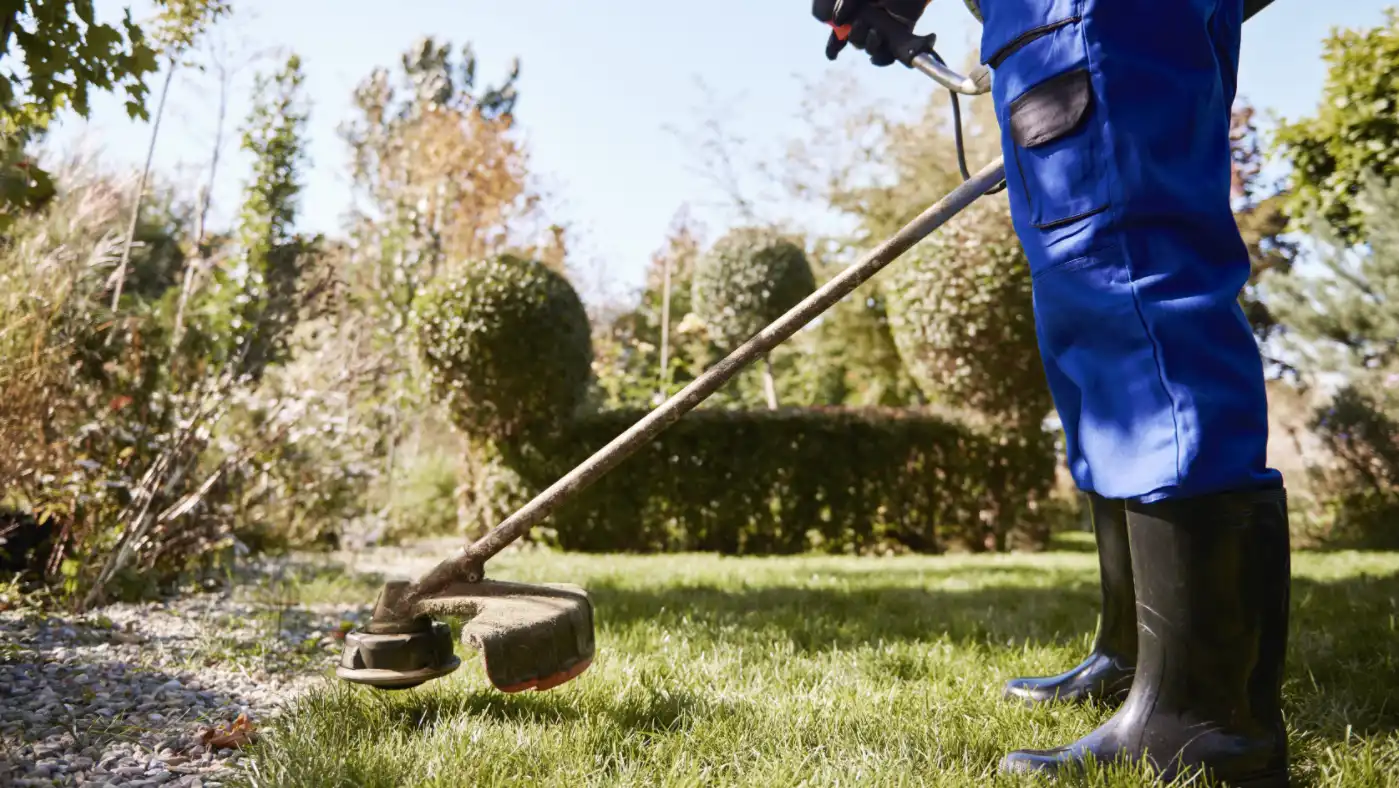
Landscaping is a reliable, in-demand trade, with steady work driven by residential maintenance, commercial properties, and seasonal projects. While pay varies widely by location and experience, landscapers who develop specialized skills or move into leadership roles tend to earn significantly more over time.
Ongoing labor shortages, rising property values, and increased demand for outdoor upgrades have pushed wages higher in many markets. For workers willing to learn equipment operation, irrigation, or hardscaping, landscaping offers clear paths to higher pay and long-term growth.
Key takeaways
Here’s a quick overview of landscaper pay trends in 2026:
Average landscaper pay: Landscapers typically earn $30,000–$47,000 per year, depending on experience, location, and services offered.
Skills impact earnings: Specialized skills like irrigation, hardscaping, and equipment operation lead to higher pay.
Experience level matters: Crew leads and senior landscapers earn more than entry-level workers doing basic maintenance.
Ownership increases income: Self-employed landscapers and business owners earn more, but take-home pay depends on overhead and pricing.
Recurring work boosts stability: Year-round contracts and repeat customers create steadier income than seasonal jobs.
Table of contents
- How much landscapers make by state: 2026 hourly and annual wages
- What states pay landscapers the most?
- What states pay landscapers the least?
- Landscaper salary by experience level
- What is the highest paid landscaper job?
- What affects a landscaper’s salary?
- How to increase your landscaper’s salary
- Starting your own landscaping business
How much landscapers make by state: 2026 hourly and annual wages
The median salary for landscapers across the U.S. is about $38,090 per year, or $18.31 per hour. Where you live plays a major role in how much you’ll earn. High-cost, high-demand states pay up to $61,000, while rural states can fall as low as $22,000. These variations reflect the cost of living, regional demand, and whether the work involves larger commercial projects or mainly residential upkeep.
Here’s a quick look at how much landscapers make by state:
*Pay ranges based on a mix of 2026 data, including the U.S. Bureau of Labor Statistics and reputable salary sites such as Glassdoor and Indeed.
| State | Median hourly rate | Median annual salary |
| Alabama | $16.91 | $35,190 |
| Alaska | $22.62 | $47,050 |
| Arizona | $18.88 | $39,270 |
| Arkansas | $15.68 | $32,610 |
| California | $21.32 | $44,340 |
| Colorado | $19.71 | $41,000 |
| Connecticut | $20.58 | $42,810 |
| Delaware | $18.75 | $39,000 |
| Florida | $16.90 | $35,150 |
| Georgia | $16.88 | $35,110 |
| Hawaii | $22.06 | $45,880 |
| Idaho | $17.63 | $36,670 |
| Illinois | $18.93 | $39,380 |
| Indiana | $17.78 | $36,980 |
| Iowa | $17.55 | $36,510 |
| Kansas | $16.93 | $35,210 |
| Kentucky | $16.12 | $33,520 |
| Louisiana | $16.39 | $34,090 |
| Maine | $18.63 | $38,760 |
| Maryland | $19.66 | $40,890 |
| Massachusetts | $21.45 | $44,620 |
| Michigan | $18.20 | $37,860 |
| Minnesota | $19.35 | $40,250 |
| Mississippi | $15.21 | $31,630 |
| Missouri | $16.89 | $35,130 |
| Montana | $18.10 | $37,650 |
| Nebraska | $17.67 | $36,760 |
| Nevada | $19.06 | $39,650 |
| New Hampshire | $20.05 | $41,710 |
| New Jersey | $20.78 | $43,230 |
| New Mexico | $17.49 | $36,380 |
| New York | $20.43 | $42,490 |
| North Carolina | $16.82 | $34,980 |
| North Dakota | $18.58 | $38,650 |
| Ohio | $17.41 | $36,200 |
| Oklahoma | $16.20 | $33,700 |
| Oregon | $19.84 | $41,260 |
| Pennsylvania | $18.02 | $37,480 |
| Rhode Island | $19.95 | $41,500 |
| South Carolina | $16.44 | $34,200 |
| South Dakota | $17.21 | $35,790 |
| Tennessee | $16.56 | $34,440 |
| Texas | $17.06 | $35,490 |
| Utah | $18.24 | $37,940 |
| Vermont | $19.42 | $40,390 |
| Virginia | $18.62 | $38,740 |
| Washington | $21.15 | $44,000 |
| West Virginia | $14.57 | $30,310 |
| Wisconsin | $18.90 | $39,310 |
| Wyoming | $17.88 | $37,190 |
What states pay landscapers the most?
Landscapers make the most in states where demand is strong and living costs are higher. Massachusetts, Minnesota, Alaska, and Washington all top the list.
The highest-paying states for landscapers generally combine higher living costs with strong demand for residential and commercial landscaping services. These states often support longer service seasons, larger properties, and premium outdoor work.
| State / Territory | Low | Median | High |
| District of Columbia | $36,950 | $47,320 | $63,860 |
| Massachusetts | $37,000 | $47,050 | $61,560 |
| Minnesota | $30,260 | $46,730 | $61,250 |
| Alaska | $31,870 | $46,510 | $61,690 |
| Washington | $36,850 | $46,200 | $61,720 |
What states pay landscapers the least?
West Virginia, Mississippi, South Dakota, Louisiana, and Arkansas rank at the bottom for landscaper pay. While landscaping is still in demand, especially in warmer states with year-round growth, these states generally have lower costs of living and fewer large-scale commercial landscaping projects, which keeps wages modest.
Lower-paying states often have shorter growing seasons, fewer large commercial contracts, or more rural service areas. Seasonal slowdowns can also limit annual earnings in these regions.
| State / Territory | Low | Median | High |
| West Virginia | $24,020 | $30,310 | $39,950 |
| Mississippi | $22,150 | $30,840 | $44,990 |
| South Dakota | $27,710 | $31,420 | $44,810 |
| Louisiana | $22,940 | $32,540 | $44,890 |
| Arkansas | $25,490 | $34,450 | $42,800 |
Landscaper salary by experience level
Experience is one of the biggest drivers of landscaper pay. Entry-level landscapers usually start with basic maintenance tasks like mowing, trimming, and cleanup. As workers gain experience, they take on equipment operation, customer interaction, and job oversight, which leads to higher wages.
Senior landscapers and crew leads often manage projects, train new hires, and ensure quality control. These added responsibilities translate into higher hourly rates and more stable annual income.
Here’s what that pay scale usually looks like:
| Experience level | Annual salary | Hourly rate |
|---|---|---|
| Entry (0–2 years) | $30,000 | $14.35 |
| Intermediate (2–4 years) | $38,700 | $18.55 |
| Senior (4+ years) | $50,800 | $24.35 |
| Expert / master or specialized roles | $51,000+ | $25+ |
Read more: How to start a lawn care business in 10 easy steps
Get In Touch: 858-842-5746
Let us earn your trust
On average, Pros increase monthly revenue generated through Housecall Pro by more than 35% after their first year.
See plan options and feature breakdown on our pricing page.
What is the highest paid landscaper job?
While most landscapers start with hands-on maintenance and installation, some advance into roles that focus on design, planning, and project leadership. With that added responsibility comes more pay.For these roles, you’ll usually need additional education or certifications, but this training opens the door to noticeably higher salaries and long-term career growth.
Here are some of the highest-paying landscaper jobs:
- Director of landscape architecture ($123,000–$169,500): Oversees large-scale landscaping projects, budgets, and teams, often working with developers and city planners.
- Senior landscape architect ($90,000–$120,000): Leads design work and manages junior staff, focusing on complex projects like parks or commercial properties.
- Project landscape architect ($76,500–$97,500): Coordinates day-to-day design and construction details for assigned landscape projects.
- Landscape architect ($69,000–$95,000): Plans and designs outdoor spaces, from residential yards to public spaces, ensuring both function and aesthetics.
- Landscape designer ($53,000–$74,000): Creates planting plans and design concepts, often focusing on residential or small-scale projects.
What affects a landscaper’s salary?
No two landscaping jobs look exactly alike and pay reflects that. A landscaper doing seasonal yard cleanups in a rural town won’t earn the same as a crew leader managing large commercial sites in a metro area. Salary depends on the type of work, the skills you bring to the table, and even where you live.
The biggest factors affecting a landscaper’s salary include:
- Experience and skill set: As an entry-level worker, you might handle mowing, planting, and basic upkeep. As an experienced landscaper, you might operate heavy machinery, design layouts, or supervise teams. And with that extra responsibility comes a bump in pay.
- Certifications and training: The more credentials and training you have, the more you can earn. Credentials like pesticide application, irrigation installation, or sustainable design not only expand what you can offer but also make you more valuable to employers.
- Geography and climate: If you live somewhere with a longer growing season or a dense urban center, you might rake in higher wages than in a rural or colder region.
- Type of employer: Government contracts and commercial clients tend to pay more than residential lawn care companies. So, if you work for one of the first two, you’re likely to make more.
How to increase your landscaper’s salary
Landscapers can increase earnings by developing specialized skills, taking on leadership roles, or expanding the types of services they offer. Learning to operate advanced equipment, manage irrigation systems, or install hardscapes can significantly raise hourly rates.
Consistency matters too. Landscapers who build recurring routes or secure commercial contracts tend to earn more stable income than those relying on seasonal or one-off jobs.
Here are a few ways to increase your salary as a landscaper:
- Get certifications in specialized services like irrigation, hardscaping, or pest management. This can help you stand out from other landscapers.
- Take on leadership roles by supervising crews or managing projects. These positions are usually synonymous with higher hourly pay and bonuses.
- Target higher-paying markets by looking for work in urban areas or focusing on commercial contracts, which usually offer steadier, better-paying jobs.
- Upsell and specialize by offering premium services, such as outdoor lighting, retaining walls, or custom design. If you live somewhere cold, you could also offer winter services, like sidewalk snow removal or plowing.
Read more: How to market your landscaping business to grow
Starting your own landscaping business
For many landscapers, the best way to increase earning potential is to go out on their own. Running your own landscaping business means you’re no longer limited by hourly rates. Instead, you set your own prices, decide which services to offer, and choose how fast to grow.
Of course, there’s a trade-off: extra responsibility. You’ll have to manage crews, handle customer communication, and stay on top of paperwork, among other things.
That’s where the right systems make all the difference. Housecall Pro’s landscaping software helps business owners:
- Schedule and dispatch jobs efficiently so crews stay productive, and projects stay on track.
- Automate invoices and payments to keep cash flow steady without chasing down customers.
- Track profitability with Job Costing to see exactly which jobs make the most money.
- Build repeat business with reviews, customer follow-ups, and Service Plans.
With the right tools in place, starting your own landscaping business is a clear path to higher income, more control over your schedule, and the ability to grow on your own terms.
Ready to take the next step? Try Housecall Pro free today.
FAQ
-
What state pays landscapers the most?
-
Washington, D.C. pays landscapers the most, with a median annual salary of about $47,300, higher than any U.S. state.
-
Do landscapers get paid hourly or salary?
-
Most landscapers are paid hourly, especially entry-level and seasonal workers. Crew leads, supervisors, and business owners may earn a salary or take home income based on business profits.
-
Is landscaping seasonal or year-round work?
-
Landscaping can be seasonal in colder climates, but many landscapers work year-round by offering services like snow removal, cleanups, hardscaping, or commercial maintenance contracts.