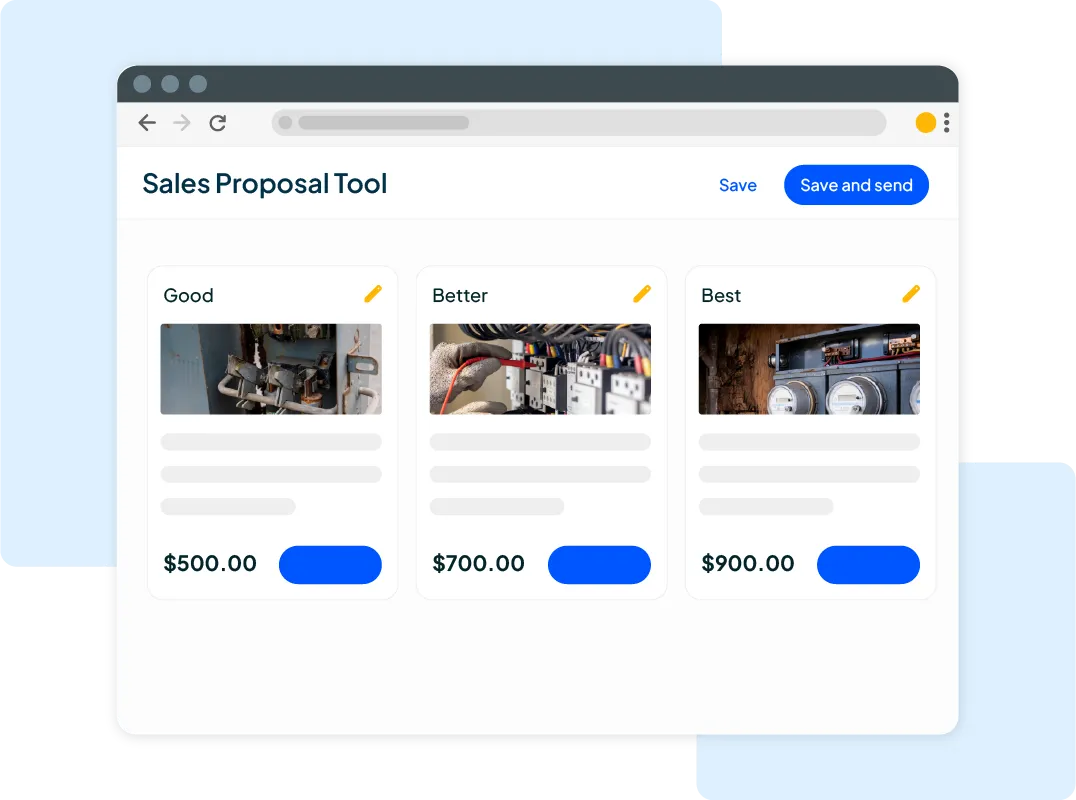
Want to win more jobs with less effort?
Grow your business and send quick quotes with our home service software.

Want to see your potential revenue?
See what businesses like yours earn with Housecall Pro in 1 - 2 minutes.
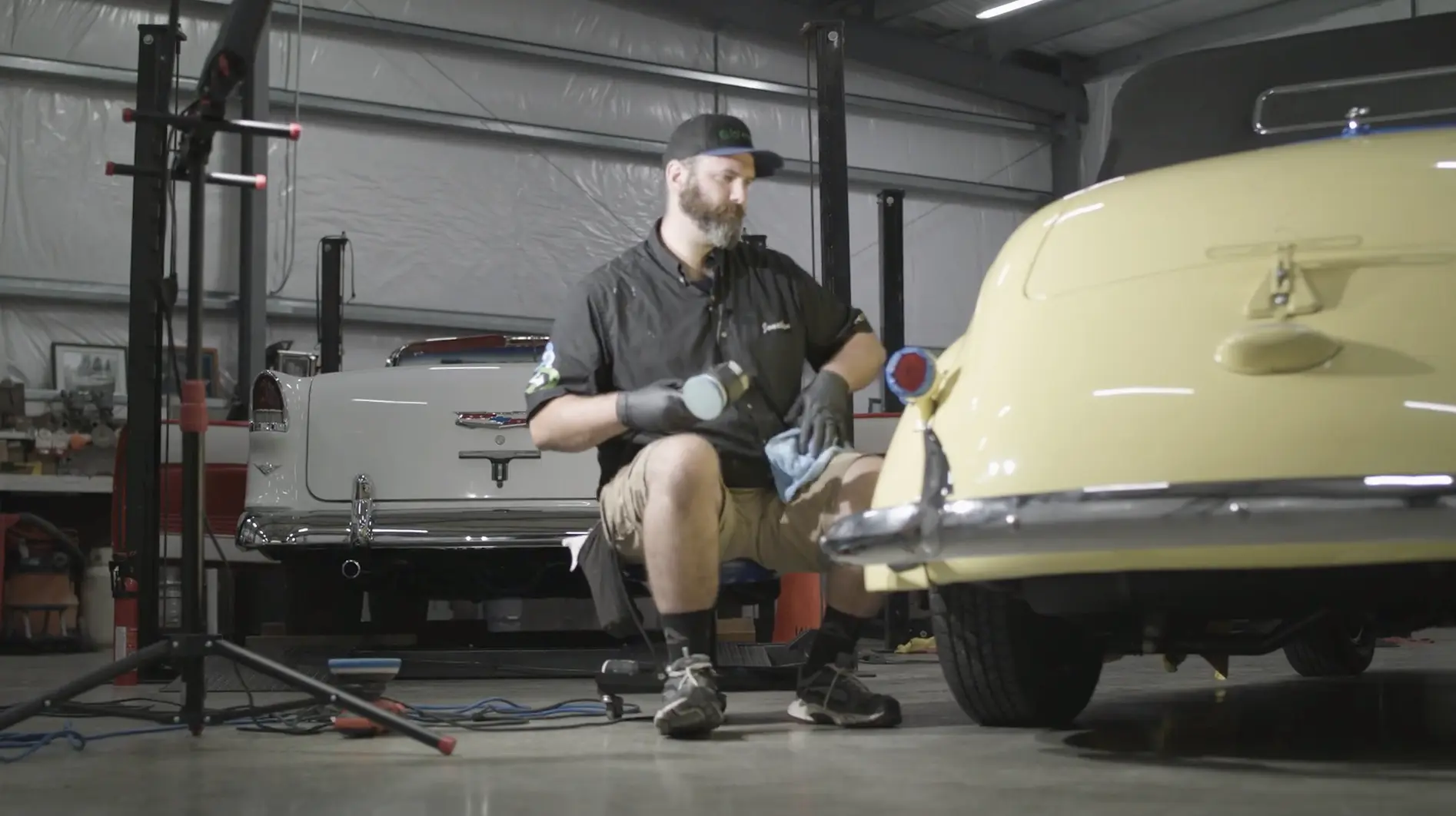
Starting an auto detailing business is a great way to turn your passion for cars into steady, paying work without the overhead of a full-service auto shop. You can start small, offer mobile services, and add higher-value services as your customer base grows.
This guide covers what it costs to get started, the equipment and skills you’ll need, licenses and insurance, pricing, and ways to find your first customers. You’ll also learn how to set up your business for consistent, profitable growth.
Quick answer: How do you start a car detailing business?
To start a car detailing business, build your detailing skills, choose between a mobile or shop-based setup, create a business plan, register your business, and get the required licenses and insurance. Then, buy the equipment needed for your initial services, set prices that cover your costs and profit, and market your business through Google, referrals, and local partnerships. A basic equipment setup may cost about $1,000–$1,500, but total startup costs can reach several thousand dollars once you include insurance, licensing, supplies, and vehicle or shop expenses.
Key takeaways
Starting a car detailing business requires a mix of technical skill and business planning
Master the trade: Go beyond basic washing. Learn paint correction and ceramic coating through professional organizations.
Choose the right structure: Many pros choose an LLC for liability protection and tax flexibility.
Plan your budget: Startup costs vary depending on what equipment you have and whether you run mobile or from a shop. A full setup can cost several thousand dollars.
Market locally: Your Google Business Profile is your strongest asset for getting found by local customers.
Table of contents
- 1. Develop car detailing skills and knowledge
- 2. Create an auto detailing business plan
- 3. Register and license your car detailing business
- 4. Get funding for your new car detailing business
- 5. Get business insurance
- 6. Buy auto detailing tools and equipment
- 7. Determine your pricing strategy
- 8. Create a marketing plan
- 9. Grow your auto detailing business
- Common mistakes when starting a car detailing business
- How Housecall Pro’s car detailing software can help
1. Develop car detailing skills and knowledge
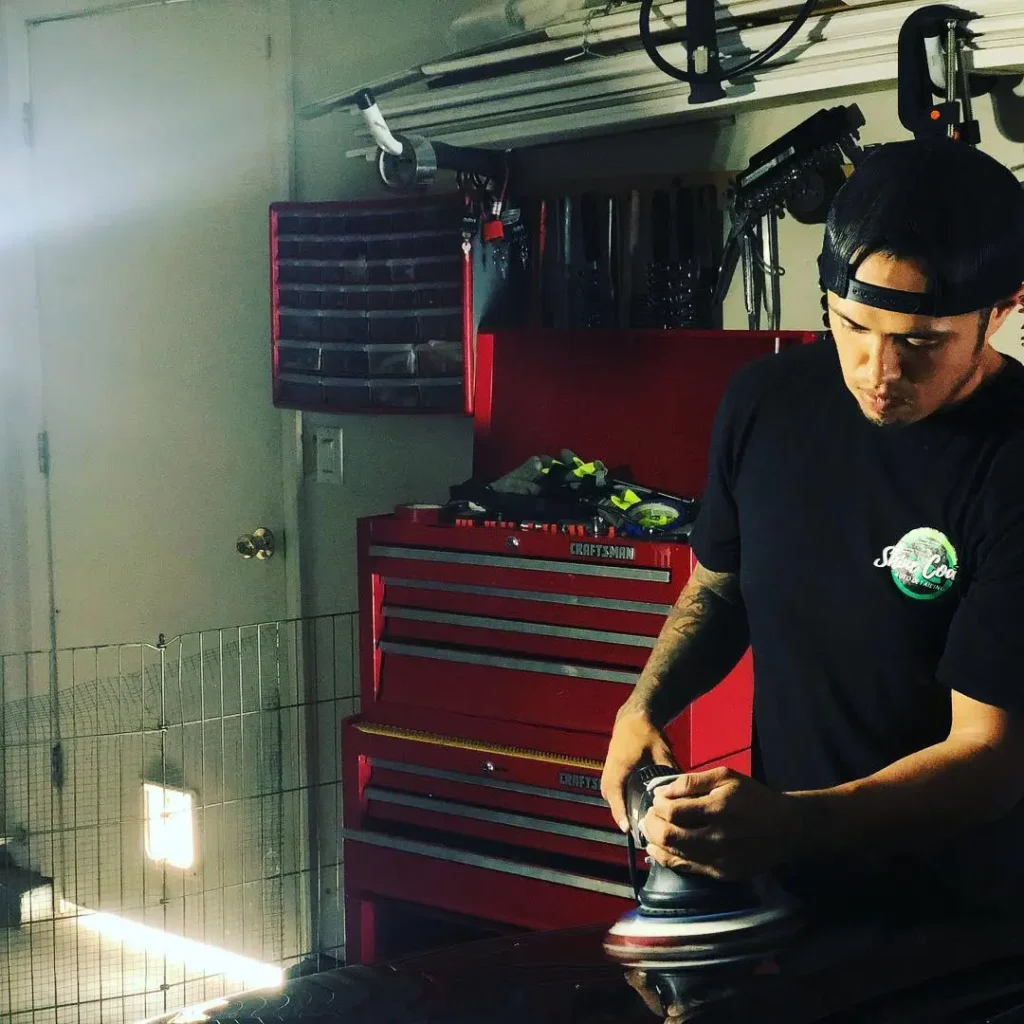
You need to learn the trade before anything else. Professional car detailing involves technical procedures that restore and protect a vehicle’s value. This includes paint correction, ceramic coatings, interior deep cleaning, and headlight restoration.
So, before you invest in a new business:
- Take online courses or participate in local workshops to improve your skills.
- Practice on your own car or borrow cars from your friends and family members to acquire practical, hands-on experience.
- Get certifications, such as the International Detailing Association (IDA). These can help your business become more legitimate and give you a competitive edge.
Learning never stops. Attend trade shows, watch tutorials, and network with other pros to keep your methods up-to-date.
Pro tip: Research current trends in auto detailing, like green cleaning products, “waterless” washing, or mobile detailing, and learn them. These services can separate you from competitors who stick to older methods.
2. Create an auto detailing business plan
Successful businesses start with at least some semblance of a plan. A clear strategy saves you headaches later. Take time to define your mission, target market, service menu, and financial outlook.
Your car detailing business plan should, at a minimum, include:
- Executive summary: A high-level overview of your business goals.
- Market analysis: Research on your local area to set a baseline of demand and competition.
- Service menu: A list of specific offerings like full detailing, ceramic coatings, and paint corrections.
- Marketing strategy: A plan for how you’ll reach and keep customers.
- Financial overview: Estimates for startup costs, pricing models, and revenue projections.
Pro tip: Tools like Housecall Pro help you organize your service menu, track pricing, and forecast revenue—keeping your plan realistic and actionable.
Choose between mobile and shop-based detailing
One of the first decisions you’ll make is whether customers come to you or you bring your detailing setup to them. A mobile detailing business operates at customers’ homes, workplaces, or other approved locations, while a shop-based detailing business works from a fixed garage or commercial space.
Mobile detailing typically has lower overhead because you don’t have to rent a shop. That can make it an accessible way for a solo detailer to start small. However, you’ll need a reliable vehicle and may need portable equipment such as a water tank, generator, hoses, lighting, and wastewater-containment equipment.
A fixed detailing shop requires more overhead but gives you more control over lighting, weather, water access, security, and the work environment. That can be particularly useful for specialty services like multi-stage paint correction and ceramic coating.
| Factor | Mobile detailing | Shop-based detailing |
| Fixed overhead | Usually lower | Usually higher |
| Commercial rent | Usually none | Typically required |
| Weather exposure | Higher | Lower |
| Customer convenience | High | Customer comes to you |
| Equipment | Portable | Permanent or portable |
| Good fit for | New or solo detailers | Growing or specialty shops |
You don’t necessarily have to choose one model forever. Some owners start a mobile car detailing business to keep overhead low, build a customer base, and eventually add a permanent shop or hybrid operation.
Research your market and competitors
Start by analyzing your local market to see what’s in demand and who your competitors are. Check Google Maps, Yelp, Facebook, and Instagram to see what they charge, how they communicate, and which services they offer. This will help you spot opportunities, whether that’s specializing in ceramic coatings, running a mobile-only service, or working with commercial fleets.
Choose your car detailing services
When defining your service menu, focus on high-demand options for steady work. These core services are always popular:
- Full interior and exterior detailing
- Paint correction and scratch removal
- Ceramic coating applications
- Headlight restoration
- Mobile auto detailing services
- Fleet detailing for businesses
- Engine bay cleaning
Bundle services into packages or recurring monthly maintenance plans. Housecall Pro can automate recurring appointments and payment reminders, keeping cash flow steady and customers coming back.
Set short- and long-term goals
Setting clear goals helps you stay focused and measure progress as your business grows. Start with short-term goals that are achievable within the first few months, like securing your first five regular clients, mastering a new detailing technique, or setting up an efficient booking system. These smaller milestones keep you motivated and help you refine your operations early on.
Once you have a handle on the day-to-day, focus on long-term goals. These could include:
- Expanding to a second location
- Adding mobile units
- Offering premium services like ceramic coatings
- Building a base of business clients
Writing down your goals and reviewing them regularly will help you stay on track and adjust strategies as your business evolves.
Learn more: How to write a car cleaning business plan (+free template)
3. Register and license your car detailing business
Next, focus on your business license. Requirements vary by state, but you usually need to register your business to operate legally. Follow these steps:
- Choose your business name: Pick a name that clearly conveys what you do, and check trademarks before you commit. Sites like the U.S. Patent and Trademark Office (USPTO) let you search existing trademarks so you avoid legal trouble later.
- Check domain availability: See if the website URL is open to strengthen your online presence.
- Register your business: Apply for a federal Employer Identification Number (EIN) via the IRS website. Register with your state’s Secretary of State or Department of Revenue.
- Select a business structure: Research different business structures—sole proprietorship, LLC, etc.—and decide which fits your needs. (More on the options below.)
- Apply for a business license: Check with your local city hall or the Small Business Administration (SBA) for licensing rules in your area.
- Confirm local regulations for mobile detailers: Some cities have guidelines on where wastewater can be discharged or require biodegradable chemicals. If you plan to offer mobile services, check with your city or county before you start.
Best business structures for auto detailers
Choosing the right business structure affects your liability, taxes, and how you run day-to-day operations. Here are each of your options:
- Sole proprietorships are simple to set up. One person owns and operates them. But you, as the owner, are personally responsible for all debts and legal liabilities.
- LLCs protect your personal liability. This structure separates your personal assets (like your house or car) from your business assets.
- Corporations offer strong liability protection, but they’re more complex and costly to set up.
For most solo auto detailers, an LLC is the smart choice. It gives you liability protection without being overly complicated. Every situation is different, though, so check with a tax professional to see what works best for you.
Pro tip: Keep a separate business bank account to track money coming in and going out. This makes tax season much easier.
4. Get funding for your new car detailing business
Starting a car detailing business doesn’t have to break the bank, but you’ll still need seed money. If you don’t have the cash to start your business out of pocket, you have options:
- Small Business Administration (SBA) loans: Look for reliable microloans for startups.
- Business credit cards: Good for covering smaller equipment purchases.
- Small business grants: Free funding that doesn’t require repayment.
Pro tip: Housecall Pro can help track expenses and payments from the start, making it easier to manage your budget.
How much does it cost to start a car detail business?
A bare-bones detailing equipment setup may cost roughly $1,000–$1,500 if you already own a suitable vehicle and start with basic tools and services. However, the total cost of starting a car detailing business can be several thousand dollars once you include equipment, insurance, licensing, supplies, and any vehicle or shop expenses.
Here are some common startup expenses:
- High-pressure washer: $500–$1,300
- Professional-grade vacuum: $200–$600
- Cleaning products and chemicals: $300–$500
- Business licenses and insurance: $1,000–$2,000
- Auto detailing software: Approximately $50 per month
- Mobile detailing vehicle upgrades: $2,000+ (skid mounts, tanks, generators)
*Pricing estimates are based on industry averages from professional detailing organizations and startup guides.
Your startup costs ultimately depend on the equipment you already have, whether you buy new or used tools, the services you offer, and whether you run a mobile operation or work from a shop. A mobile detailing business may require a water tank, generator, storage, and vehicle upgrades, but you can avoid commercial rent. A fixed shop usually costs more upfront because you’ll need to account for a security deposit, rent, utilities, signage, and any improvements to the space.
In the early days, you can lower your startup costs by:
- Buying refurbished polishers or vacuums
- Starting with core services and adding specialty equipment over time
- Using all-in-one chemical kits in the early days
- Tracking expenses closely to stay on budget
Once your detailing workflow is consistent, you can gradually upgrade to higher-end tools and expand your service list.
| Setup level | Estimated cost | What’s included |
| Basic setup | $800–$1,500 | Towels, vacuum, foam cannon, polishers, basic chemicals |
| Intermediate setup | $2,000–$5,000 | Steam cleaner, DA polisher, extractor, lighting, ceramic supplies |
| Professional setup | $5,000–$15,000 | High-end polishers, commercial steamers, advanced lighting, coatings |
5. Get business insurance
Business insurance is non-negotiable, especially for an auto detailer. It protects you if a customer’s car gets damaged or another issue comes up.
You’ll likely need these policies:
- General liability insurance: Covers against accidents and property damage.
- Commercial auto insurance: Covers your work vehicle while you drive to jobs.
- Garage keepers liability: Covers a customer’s vehicle while it’s in your care (crucial for detailers).
- Tools and equipment insurance: Protects your gear from theft or damage.
Compare quotes from a few insurance brokers to find the best deal on coverage at a reasonable price.
6. Buy auto detailing tools and equipment
You can lease equipment when you’re just starting out, but owning reliable, high-quality tools helps you deliver consistent results and sets your business up for long-term success.
Car detailing equipment list
Here are the basics you’ll need to get set up:
- Pressure washer and foam cannon
- Professional vacuum and steam cleaner
- Microfiber towels and applicators
- Paint correction tools (buffers and polishers)
- Ceramic coating supplies
- Generator and water tank (for mobile units)
- Car detailing software
Mobile detailing equipment list
If you’re planning to operate as a mobile detailer, you may need additional equipment that allows you to work independently at customer locations. In addition to the basics, your mobile detailing setup may include:
- Water tank
- Generator or portable power source
- Canopy or shade setup
- Portable lighting
- Extension cords and hose reels
- Secure storage bins or racks
- Vehicle mounts
- Wastewater collection or containment equipment where required
Your don’t need to have every possible tool on day one. Start with the equipment required for the services you actually sell, then reinvest part of your revenue into upgrades as demand grows.
7. Determine your pricing strategy
Setting the right prices is key to running a profitable car detailing business. Your rates should cover your costs, reflect the value of your work, and stay competitive in your local market. Here’s what to do.
Choose a pricing model
There’s not necessarily a right or wrong pricing strategy. Common structures to consider include:
- Flat-rate pricing: Set prices for standard services. For example, charge $300 for a full interior/exterior detail.
- Hourly rates: Best for specialized work like paint correction. You might charge $75–$100 per hour for labor-intensive restoration.
- Package tiers: Offer “Good, Better, Best” options. Try a Basic Wash, Premium Detail, and VIP Protection.
Many detailers use a hybrid approach: flat-rate pricing for standard packages and hourly pricing for labor-intensive jobs like multi-stage paint correction. You can also create recurring service plans to encourage repeat business.
Set your rates
When setting your rates, consider your costs, skill level, and local market. Make sure each service covers materials, labor, and overhead while still leaving room for profit. Keep an eye on what competitors charge, but don’t underprice—your expertise and quality of work are valuable.
Break the pricing process into simple steps:
- Calculate the cost of labor and materials for each service.
- Add a profit margin that keeps your business sustainable.
- Review competitor pricing in your area to identify a fair range.
- Adjust based on size, condition, and complexity of each job.
Here’s a sample of what your prices might look like:
| Service type | Typical price range |
| Basic exterior wash | $40–$75 |
| Full interior/exterior detail | $150–$350+ |
| Paint correction | $300–$1,000+ |
| Ceramic coating | $400–$2,000+ |
As your experience and skills improve and your customer base expands, you can gradually increase your prices to match. Learn more about setting your rates in our guide on how much to charge for car detailing.
Free tools to get you started:
Pro tip: Tools like Housecall Pro’s Price Book make it easy to set, update, and standardize your pricing so customers always see clear, consistent rates
Get In Touch: 858-842-5746
Let us earn your trust
On average, Pros increase monthly revenue generated through Housecall Pro by more than 35% after their first year.
See plan options and feature breakdown on our pricing page.
8. Create a marketing plan
Your ability to get customers and grow your brand comes down to on one crucial element: marketing. Without it, potential clients might not even know you exist. While you’re in the early stages of planning, create a strong marketing strategy to make sure you get found.
Build your brand
A strong brand makes it easy for customers to recognize and remember your business. Take the time to nail down your business name, logo, colors, uniforms, and even the look of your vehicle if you offer mobile detailing.
Once you’ve decided on your branding, keep it consistent across everything: social media profiles, your website, and printed materials. Consistency helps you stand out from less-established competitors and make a lasting impression on customers.
Grow your online presence
Traditional methods like handing out brochures or referral cards still work, but most people find local services online. That means a strong digital marketing plan should be your top priority.
Create a professional, SEO-friendly website
- Include essential pages like About Us, Services, and Contact.
- Make your site easy to use, mobile-friendly, fast-loading, and simple to navigate.
- Add a clear call-to-action (CTA) on every page, like “Book Now” or “Get a Free Quote.”
- Use high-quality images, customer testimonials, and service packages to build trust and highlight your expertise.
- Integrate online booking, multiple contact options, and local SEO to attract and convert leads.
Optimize your Google Business Profile
- Add your business name, phone number, website URL, hours, services, and address (if you have a physical location).
- Upload photos, describe your services, and showcase recent work to appear in “near me” searches.
- Encourage happy customers to leave reviews on Google to grow your reputation and boost SEO.
Set up social media accounts
- Create business profiles on TikTok, Instagram, and Facebook.
- Include your basic business information on each platform.
- Post content relevant to your audience, like before-and-after photos, customer reviews, and promotions.
Pro tip: Use Housecall Pro’s website builder to create a professional site that’s optimized for bookings and local search. Just enter your business details and we’ll handle the rest—it’s that easy.
Use offline marketing strategies
Traditional methods are great for growing your presence in the community and connecting with customers in person. Try these tactics:
- Attend local events: Show off your work at car meets, auto shows, or community events.
- Partner with businesses: Build relationships with car dealerships, auto shops, or other local service providers.
- Distribute printed materials: Hand out flyers, door hangers, or business cards in targeted neighborhoods.
- Offer referral cards: Encourage satisfied customers to refer friends and family.
- Network locally: Join business groups or your Chamber of Commerce to make connections.
- Place materials in high-traffic spots: Gyms, coffee shops, or coworking spaces (check with the owner first).
- Run introductory promotions: Offer discounts to nearby apartment complexes or HOAs to attract new clients.
Learn more: 8 Proven Direct Mail Marketing Strategies to Book More Jobs
9. Grow your auto detailing business
Growth can come in different ways. You might add new services, expand into new neighborhoods, or explore car shipping options to better serve customers with vehicle transport needs. As your schedule fills up and revenue stabilizes, plan how you want your business to evolve.
Expand your services and offerings
If you started with the basics, consider adding high-demand services like:
- Ceramic coatings
- Paint corrections
- Headlight restoration
- Engine bay cleaning
- Fleet or commercial detailing
Specialty services often have higher margins and help you stand out from the competition.
Target new neighborhoods
Once your current market is saturated, consider branching out to nearby neighborhoods or commercial areas. Start small—look for spots with lots of cars or fewer competing detailers. You can attract new clients with local ads, partnerships with car dealerships, or targeted online campaigns.
Hire help when you’re consistently booked
When demand exceeds what you can handle alone, it may be time to bring on additional detailers or part-time help. Hiring lets you take on more jobs, shorten wait times, and offer flexible appointments.
Whether you hire employees or contractors, make sure you:
- Provide training to keep service quality consistent
- Check references
- Review certifications or experience
Common mistakes when starting a car detailing business
SEarly mistakes can quickly cut into your profits or create unnecessary risk. Watch out for these common issues:
- Underpricing your work: Your prices have to cover labor, materials, fuel, equipment, insurance, overhead, and profit—not simply beat the detailer down the street.
- Buying too much equipment too soon: Start with the tools you need for your initial services and upgrade as revenue grows.
- Skipping insurance: Even experienced detailers can accidentally damage a customer’s vehicle.
- Ignoring wastewater rules: Check local regulations for runoff, chemicals, and wastewater disposal before performing mobile work.
- Offering advanced services before you’re ready: Paint correction and ceramic coatings can command higher prices, but mistakes can be costly.
- Offering too many services: A focused initial menu makes pricing, inventory, training, and marketing easier to manage.
- Marketing everywhere at once: Build a strong Google Business Profile and referral process before spreading your marketing budget across too many channels.
- Failing to track your numbers: Revenue alone doesn’t tell you whether a service is profitable. Track labor time, supplies, travel, and overhead for each type of job.
How Housecall Pro’s car detailing software can help
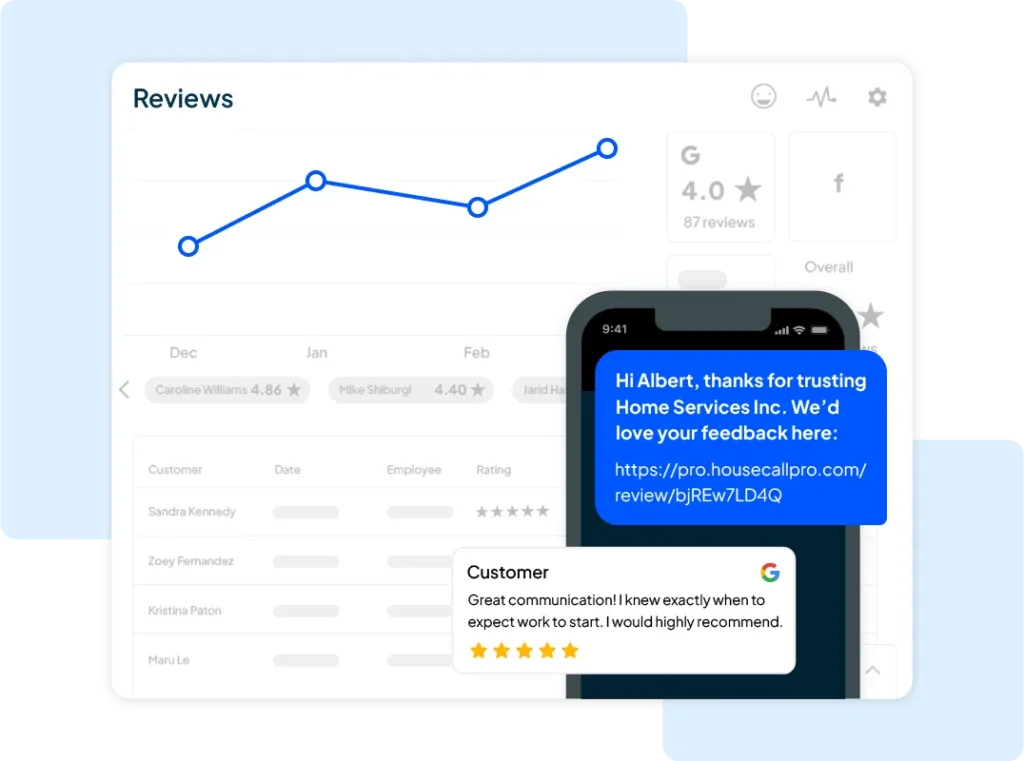
Running a detailing business is much easier when your scheduling, customer communication, and payments all live in one place. Housecall Pro helps both mobile and shop-based detailers stay organized, save time, and deliver a smoother customer experience.
Here’s how:
- Scheduling and dispatching: Manage appointments, send confirmations, and keep track of your day from your phone.
- Online Booking: Let customers book services directly through your website or Google, reducing back-and-forth messages.
- Invoicing and payments: Create estimates, send invoices, and accept payments on the spot or online.
- Customer management: Store customer history, photos, preferences, and notes to deliver consistent, personalized service.
- Marketing tools: Automate follow-ups, request reviews, and stay connected with past clients.
- Mobile app: Run your business from everywhere, whether you’re in the shop or working mobile jobs all day.
Our platform is designed to help you build repeat customers, simplify your workflow, and grow your detailing business with confidence. Try Housecall Pro free for 14 days to see how the software can support your business.
More like this: See how an auto detailing business increased its monthly revenue by 44% by using Housecall Pro.
Frequently asked questions
Are car detailing businesses profitable?
Yes, car detailing businesses can be highly profitable with the right pricing, quality service, and repeat customers. Profit margins are often high since labor is the main cost, and materials are relatively inexpensive. Offering premium services like ceramic coatings and paint protection can further boost revenue.
What do you need to start a car detailing business?
At minimum, you’ll need the skills to perform your services, detailing chemicals, microfiber towels, brushes, a vacuum, washing equipment, and any polishing or specialty tools required for your service menu.
You’ll also need to register your business and obtain any licenses and insurance required where you operate. Mobile detailers may need additional equipment such as a water tank, generator or portable power source, hoses, lighting, secure storage, and wastewater-containment equipment.
How long does it take to start an auto detailing business?
It typically takes less than a month or two to start an auto detailing business. Most pros can start offering basic detailing services within a few weeks once they have equipment, insurance, and a business license. If you plan to offer advanced services like paint correction or ceramic coatings, training may add a bit more time.
Is mobile detailing more profitable than shop-based detailing?
Mobile detailing isn’t always more profitable than shop-based detailing, but it can be. Mobile detailers have lower overhead since they don’t pay for rent or shop utilities, which can lead to higher profit margins. Shop-based detailers, on the other hand, can offer more controlled environments for paint corrections and coatings and often charge higher rates. The most profitable businesses often blend both, offering mobile convenience and specialty shop services.
Can you start a car detailing business from home?
You may be able to start a car detailing business from home, particularly if your home is primarily where you store equipment and you travel to customers as a mobile detailer. Check local zoning, home-business, water-use, wastewater, chemical-disposal, and vehicle-storage rules before getting started. Requirements may be different if customers regularly bring vehicles to your property.
Do I need certification to become a professional car detailer?
Certification as a professional detailer isn’t legally required, but it can help you stand out in a saturated market. Programs like the International Detailing Association (IDA) certification show customers that you’ve completed formal training and meet industry standards. It can also help justify higher pricing for specialized services.
How much does a car detailing business make annually?
Annual earnings for car detailing businesses vary based on location, services, and clientele, but small detailing businesses can make $50,000 to $100,000+ per year, while larger operations or mobile units can earn even more. High-end detailers or shop owners with multiple employees can generate well into six figures annually with the right business strategy.