Want to win more jobs with less effort?
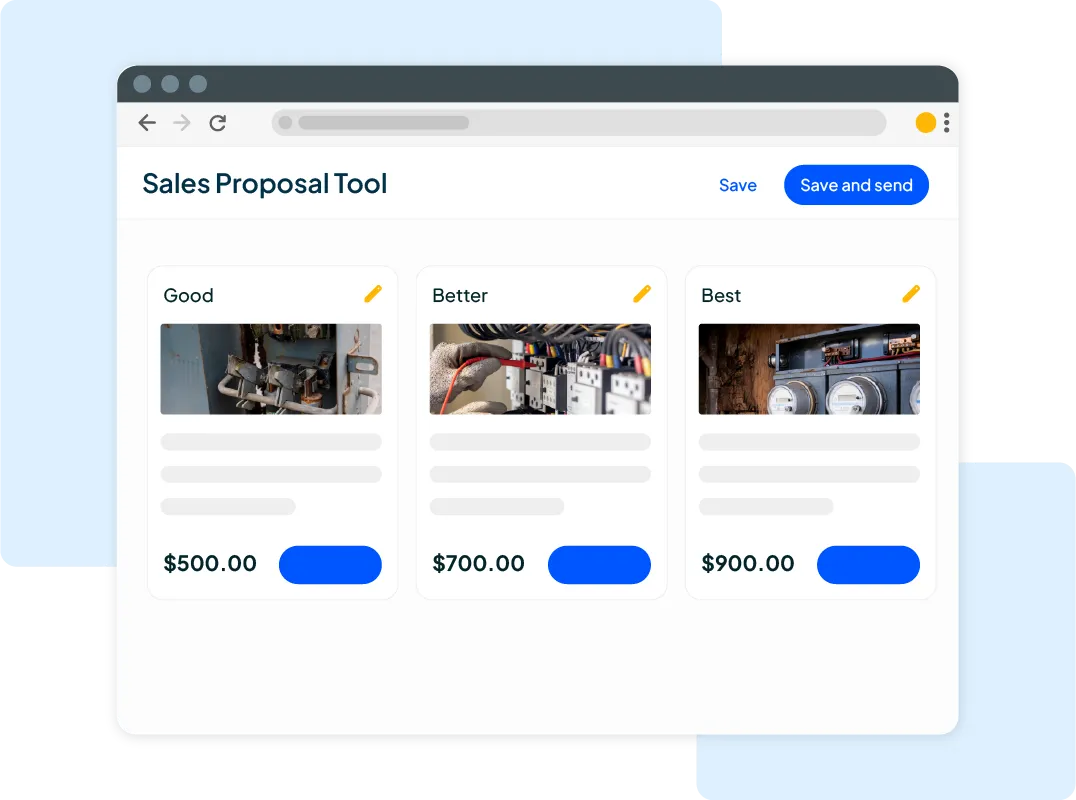
Grow your business and send quick quotes with our home service software.

Want to see your potential revenue?
See what businesses like yours earn with Housecall Pro in 1 - 2 minutes.

Most cleaning businesses start the same way: you say yes to every job. House cleanings, move-outs, offices, deep cleans—if it fits your schedule, you book it. That works at first. But over time, that “we do it all” approach can get messy. Prices become inconsistent, jobs take longer than expected, and customers aren’t always sure what they’re actually booking.
A clear cleaning services list brings order to that chaos. It spells out exactly what you do (and don’t do), helps you quote jobs accurately, and sets you up for repeat work and commercial opportunities. This guide walks through the most common cleaning services to include and how to package them so your business can grow without guesswork.
Key takeaways
Here’s how to organize your cleaning services to help win more work:
Categorize clearly: Separate residential, commercial, and add-on services so customers know exactly what they’re booking.
Define the scope: Write down what each service includes (and doesn’t) so you aren’t taking on unpaid work.
Prioritize recurring work: Weekly and biweekly cleanings create steadier income and easier scheduling than one‑off jobs.
List add-ons separately: Keep your base prices competitive by listing specialty tasks (like oven cleaning) as optional upgrades.
Standardize for scale: A set menu of services makes it easier to train staff and maintain quality as you grow.
Table of contents
Core categories to include in your cleaning services list
Most cleaning businesses offer a mix of one-off and recurring services. Grouping types of cleaning services into clear categories makes it easier for your customers to understand what they’re booking and helps you standardize pricing as your business grows.
Residential cleaning services list
Residential cleaning is where many cleaning pros start. These are typically your foundational, day-to-day cleaning services that often turn into recurring work.
Your residential cleaning services might include:
Standard house cleaning
- Weekly, biweekly, or monthly maintenance
- Dusting, vacuuming, and mopping common areas
- Kitchen and bathroom sanitation
Deep cleaning
- Initial cleans for new clients
- Spring/fall heavy-duty cleaning
- Baseboard, door frame, and light fixture detailing
Move-in/move-out cleaning
- Empty home turnover
- Inside cabinets and drawers
- Appliance interiors (fridge/oven)
Specialty residential
- Apartment and condo cleaning
- Short-term rental (Airbnb) turnovers
Each of these should have a clearly defined scope: what rooms are included, which tasks are standard, and what counts as an add-on. This helps you avoid renegotiating details on every job.
For example, a standard house cleaning may cover dusting reachable surfaces, wiping countertops, cleaning sinks and toilets, vacuuming carpets, and mopping hard floors in common areas. More time-intensive tasks, like interior oven cleaning, refrigerator cleanouts, or window washing, are usually best as add-ons.
Commercial cleaning services list
As your business matures, commercial work can offer more predictable schedules and longer-term contracts. These jobs require consistency, clear checklists, and sometimes special protocols (for health care or daycare), but they can provide steadier revenue than one‑off home cleanings.
Your commercial cleaning services may include:
- Office cleaning (desks, trash, floors)
- Retail and storefront maintenance
- Medical or dental office sanitation
- Daycare and school cleaning
- Common area janitorial (lobbies, hallways)
Your commercial clients will typically expect routine service, documented tasks, and reliable timing. Even if you’re just starting to take on this work, listing these services separately helps set expectations from day one.
Preventive or routine cleaning services list
Routine cleaning services are the backbone of recurring revenue. These are the services your clients need regularly to maintain their space. Packaging them as recurring options makes scheduling easier, staffing more predictable, and income more reliable.
Examples of these services are:
- Weekly or biweekly maintenance cleaning
- Restroom cleaning and restocking
- Trash removal
- Breakroom or kitchen cleaning
- Floor care touch-ups
Seasonal or situational cleaning services list
Some cleaning jobs only pop up at certain times of year or around specific events. These services are a great way to boost revenue during busy periods without committing to long-term contracts.
Common seasonal or situational services include:
- Spring/fall: Deep cleaning packages
- Events: Pre- and post-party cleanup
- Construction: Post-construction or renovation dust removal and detailing
Because these jobs can vary widely, define the scope carefully and give upfront pricing or a price range estimate. That way, you and your client are on the same page from the start.
Specialty or add-on cleaning services list
Add‑ons let customers customize their service while increasing your average job value. These should be optional, clearly described, and clearly priced.
Your add-on cleaning services list might include:
- Interior window cleaning
- Carpet and upholstery cleaning
- Appliance cleaning (ovens, refrigerators)
- Disinfecting or sanitizing services
- Baseboard, trim, and door detailing
- Interior cabinet cleaning (empty or occupied)
- Wall washing or spot cleaning
Listing these separately helps prevent scope creep—when extra tasks get added without increasing the price—and keeps your core services profitable.
How to build your cleaning service list
A strong services list isn’t about offering everything. It’s about offering the right services, with clear scopes and pricing you can stand behind. Here’s how to build a cleaning service list that’s realistic for your team’s capacity and easy for customers to understand.
Step #1: Start with your cleaning expertise and service area
Look at what you’re already set up to do well:
- The types of cleaning you’re trained or experienced in
- The supplies and equipment you already own
- The geographic area you’re willing to serve consistently
If you’re just starting out, that might mean residential cleaning within a limited service area. As you gain experience or add equipment and staff, you can layer on deep cleaning, short-term rental turnovers, or even commercial accounts. For now, your list should reflect what you can confidently handle today, not what you hope to offer someday.
Step #2: Identify the cleaning services customers ask for most
Sift through the requests you already receive to spot trends. Are customers asking for move-out cleanings? Deep cleans before guests arrive for the holidays? Ongoing weekly service? Identify those popular services and place them near the top of your list.
Even if you’re new and your service list is still short, pay close attention to repeat questions. If customers keep asking whether you clean appliances, baseboards, or interior windows, treat that as a cue to spell those tasks out clearly—either as part of a specific service or as clearly priced add‑ons.
Step #3: Separate core cleaning services from add-ons
Your core services should cover the work most customers expect from a standard cleaning. Add-ons cover the “extras” that require more time, effort, or detail.
For example, you might:
- Quote a standard cleaning based on home size and cover typical tasks in kitchens, bathrooms, and common areas.
- Price add‑ons separately, such as baseboard detailing, inside cabinet cleaning, or heavy buildup removal separately because they demand more time and effort.
This split helps you price accurately and avoid quietly giving away unpaid labor.
Step #4: Factor in recurring schedules and seasonal demand
Some cleaning services work best on a recurring schedule; others are tied to specific moments or seasons:
- Recurring: Weekly or biweekly maintenance cleanings, routine restroom service, and ongoing commercial accounts help create a stable baseline schedule.
- Seasonal/situational: Spring cleanings, post‑holiday cleanups, or post‑construction jobs that tend to come in waves.
Highlight recurring services so they’re easy to find and book. Promote seasonal offerings when demand peaks, and plan your calendar so those short bursts fit around your recurring base services.
Step #5: Document each service so your work stays consistent
Once you define your services, put the details in writing. That means outlining the rooms or areas covered, the tasks performed, and what’s not included.
For example, a move-out cleaning might specify that all rooms are cleaned top to bottom, appliances are wiped inside and out, and floors are vacuumed and mopped—while clearly stating that carpet shampooing and wall repairs aren’t included. Written details give your team a clear checklist to follow and set clear customer expectations before the job begins.
Pro tip: Use Price Book by Housecall Pro to save these descriptions. When you create a quote, autofilled service details guarantee every customer gets the same information.
Get In Touch: 858-842-5746
Let us earn your trust
On average, Pros increase monthly revenue generated through Housecall Pro by more than 35% after their first year.
See plan options and feature breakdown on our pricing page.
How to price and package your cleaning services
Pricing starts with knowing your costs. Your rates need to cover labor, supplies, and overhead while leaving room for profit. Clear cleaning prices also set expectations upfront, so customers know what they’re paying for before you start working.
Hourly vs. flat-rate pricing
Both pricing models are common in cleaning:
- Hourly pricing works well for jobs with an unpredictable scope, like first-time deep cleanings or homes that haven’t been maintained regularly. It gives you flexibility and reduces the risk of underpricing labor-heavy work.
- Flat-rate pricing works best for standard cleanings and recurring services. Once you know how long a job typically takes, flat rates make quoting faster and give customers a clear price upfront.
Many pros use flat rates for routine cleanings and reserve hourly pricing for exceptions.
Creating service tiers (basic, standard, premium)
Service tiers help your customers choose the level of cleaning they need without negotiating every detail. Each tier builds on the one before it, adding more time or more detailed tasks.
For example:
- A basic tier might cover essential cleaning in kitchens and bathrooms.
- A standard tier might extend to the full home.
- A premium tier might add detailed work like interior appliances or baseboards.
Define what’s included in each tier so upgrades feel straightforward and your team knows exactly what to deliver at each level.
Setting up recurring service contracts or plans
Recurring services are one of the most reliable ways to stabilize cleaning income. Weekly, biweekly, or monthly plans reduce the time you spend rebooking jobs and help you build a more predictable schedule.
When setting up these plans, keep the scope consistent so each visit takes a predictable amount of time. For example, a two-hour block for a three-bed, three-bath house. This makes it easier to price accurately and keeps you and your clients clear on what happens at each visit.
How to manage and scale your cleaning services
As your cleaning business grows, clear systems keep jobs profitable and customers happy. Focus on these areas to grow without overextending your team or schedule:
- Standardizing services before expanding: Make sure each service has a clear scope, time estimate, and price before adding new offerings. This helps new hires deliver the same quality and keeps jobs from running long.
- Building your schedule around recurring work: Let weekly and biweekly cleanings anchor your schedule. One-time and seasonal jobs are easier to manage when they fit around that base.
- Tracking which services are profitable: Some services take more time or supplies than expected, quietly eating into margins. Tracking time and job costs helps you spot which services are worth keeping and what to adjust.
- Refining or removing problem services: If a service frequently causes disputes or scope creep, revisit its description and price. Sometimes, it’s worth dropping a low-margin service to free up your time for better-paying work.
- Expanding intentionally as demand grows: Add new services based on real customer demand and your team’s capacity, not just opportunity.
How Housecall Pro’s cleaning software can help
Once your cleaning services are clearly defined and priced, the right tools make it easier to manage day-to-day work and grow without chaos.
With Housecall Pro’s cleaning software, you can:
- Keep services and pricing consistent: Price Book lets you set up standardized service pricing and descriptions so quotes stay accurate across your team.
- Simplify scheduling and recurring cleanings. Scheduling and Service Plans make it easy to book one-time and recurring jobs without re-entering details. This is great for weekly, biweekly, or commercial accounts that rely on predictable service.
- Reduce billing follow-ups. Automated Invoicing and Payments help you send invoices as soon as a job is complete and get paid faster. Customers see clear line items tied to the services they booked, helping avoid disputes.
- Track performance as you scale. Job Costing and Advanced Reporting show how long services actually take and which ones are most profitable, making it easier to adjust pricing and decide where to focus as your business grows.
If you’re ready to bring more structure to your cleaning business and manage everything in one place, try Housecall Pro free for 14 days and see how it fits into your workflow.