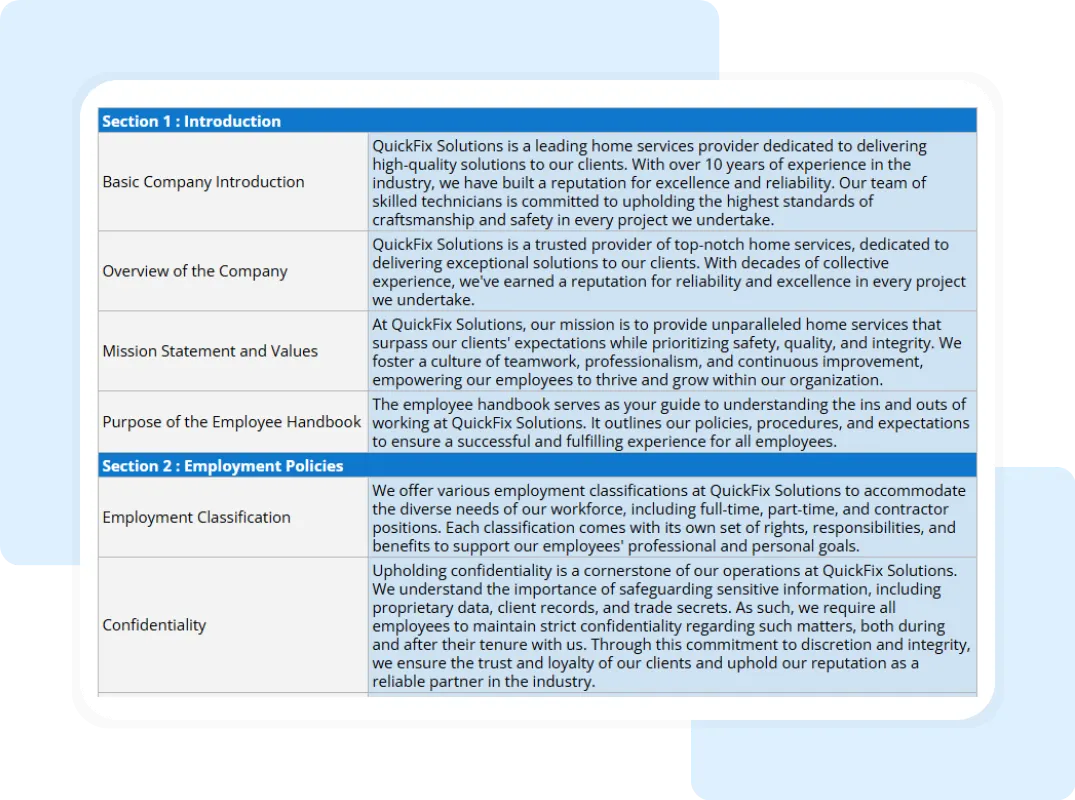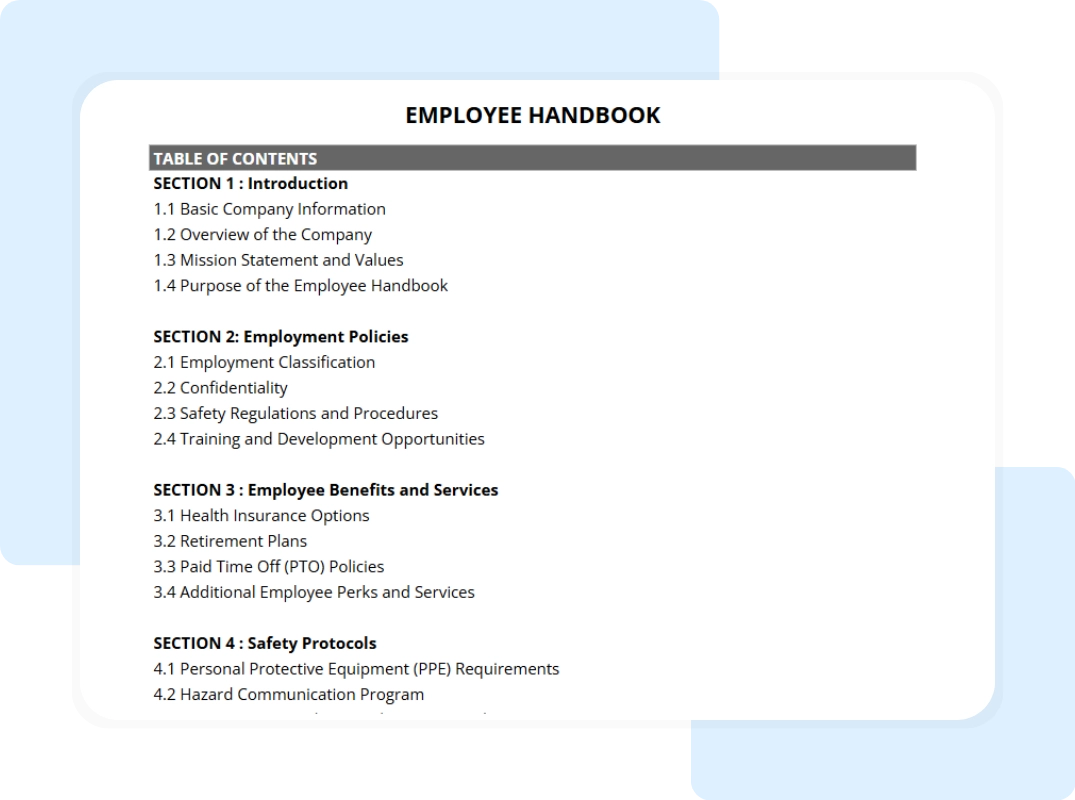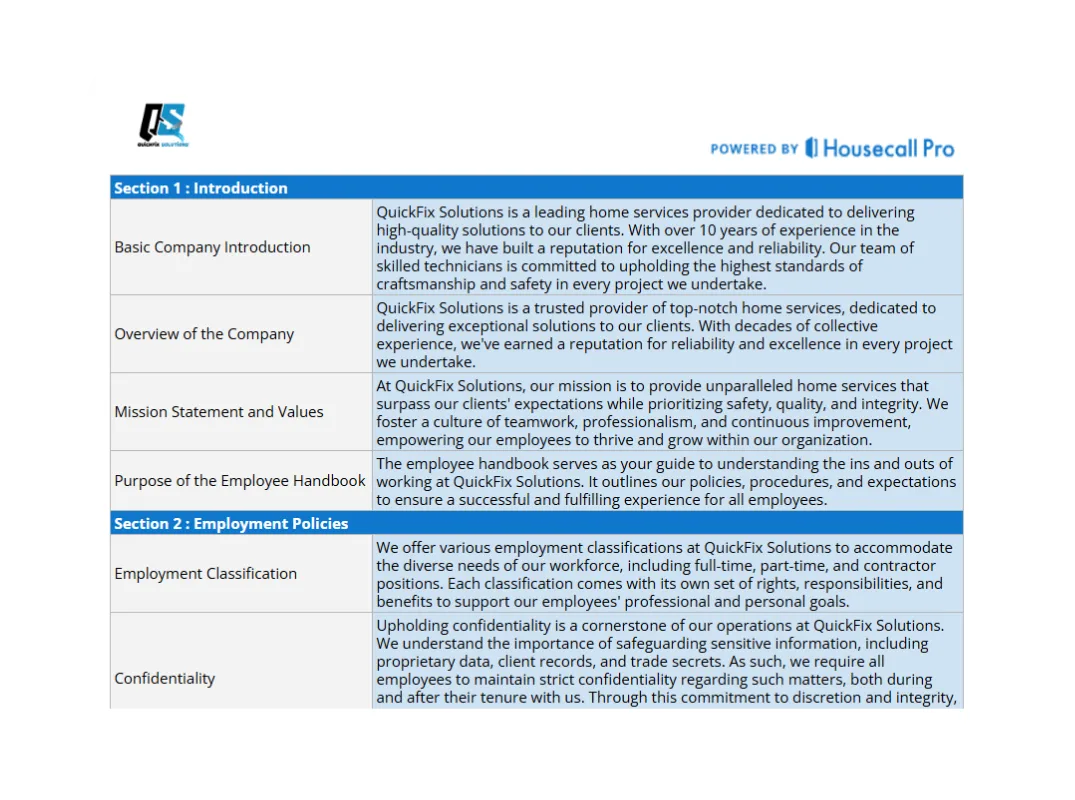
- Code of Conduct: Defines behavioral expectations, focusing on Integrity and Ethics, Professionalism, and Conflict of Interest.
- Training and Development: Outlines the path for growth. It includes the Onboarding Process, Ongoing Training Opportunities, and Career Advancement Pathways.
- Performance Evaluation: Explains how employees are judged. It covers Performance Expectations, Feedback and Reviews, and Recognition and Rewards.
- Termination: Provides a professional framework for the end of employment. It includes Resignation Procedures, Disciplinary Actions leading to Termination, and the Exit Interview process.
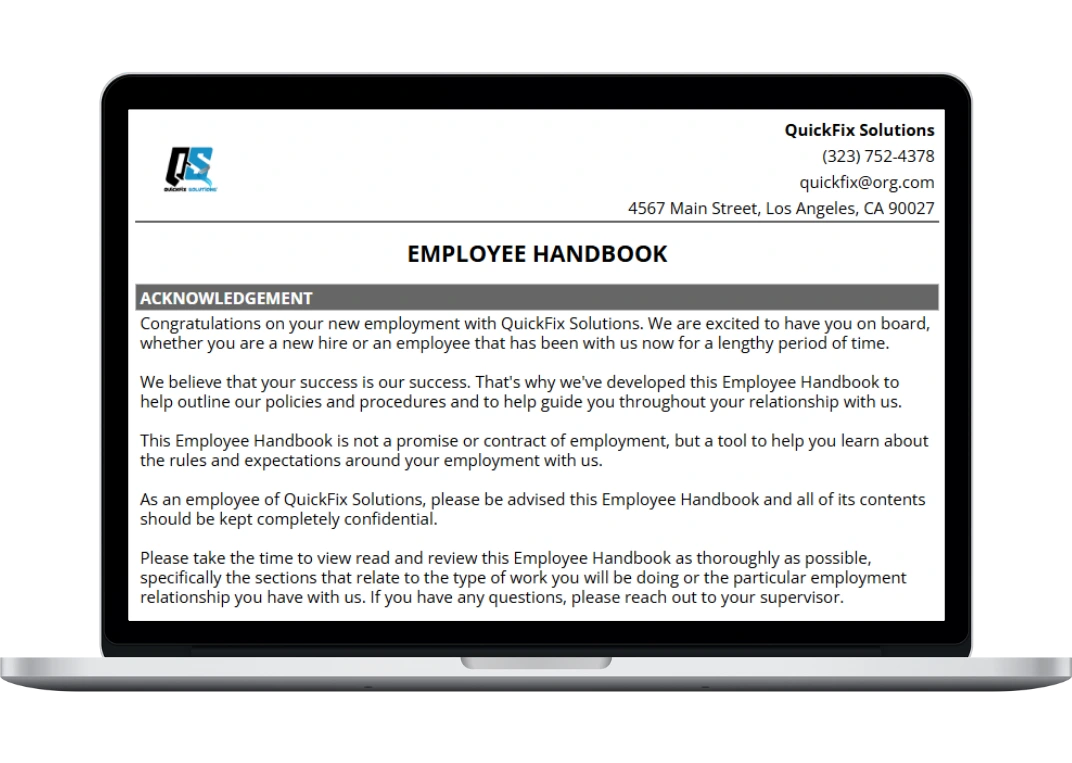
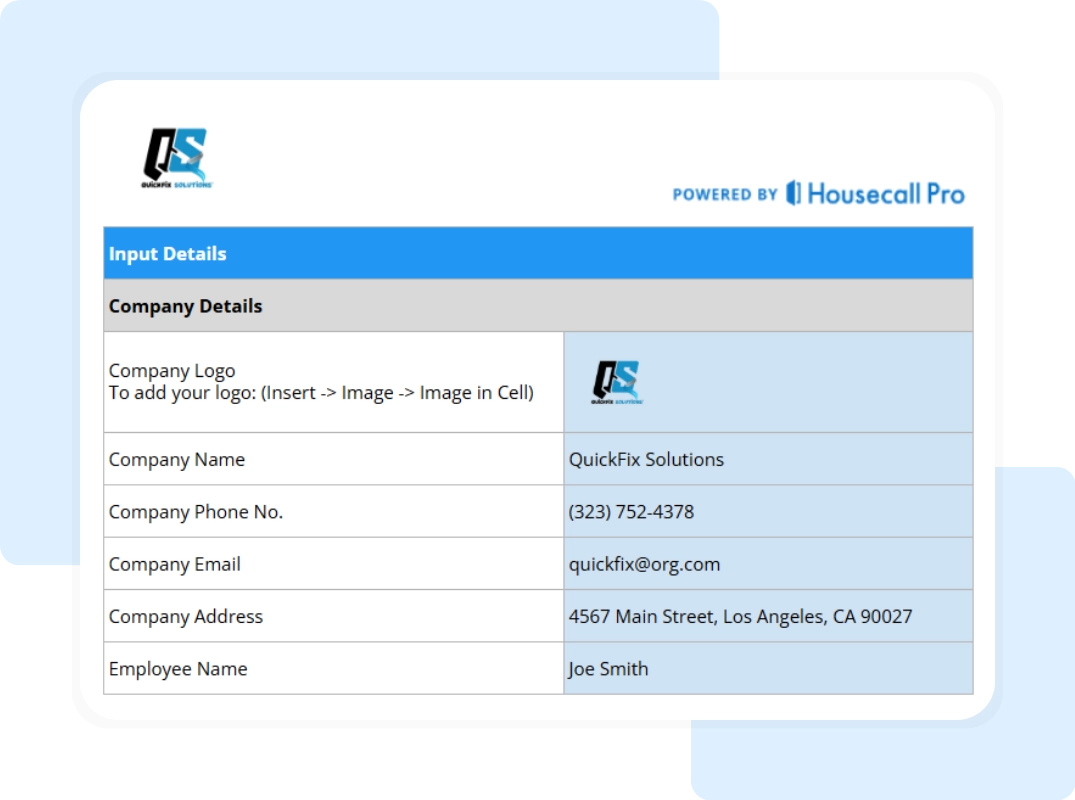
- Acknowledgement of Receipt: The final signature page. It includes a statement where the Employee Name (Joe Smith) acknowledges receiving the handbook and understanding the At-Will Employment status.
How This Template Helps Your Small Business
An employee handbook isn’t just a policy document—it’s a tool that enhances consistency, minimizes confusion, and supports a professional workplace culture.
Clarifies Company Policies
With documented policies, employees know what’s expected of them in areas such as conduct, compensation, attendance, and safety. Clear documentation helps avoid miscommunication and ensures everyone is on the same page.
Promotes Consistency and Fairness
When policies are documented and applied consistently, your team understands how decisions are made and what standards apply across the organization, reducing perceptions of favoritism.
Supports Legal Compliance
While not all policy requirements are mandatory, including key policies—such as anti-discrimination language and safety expectations—helps demonstrate your business’s adherence to best practices and applicable laws.
Improves Onboarding and Training
A handbook acts as a training tool that defines company culture, policies, and operational standards. New employees can use it as a reference to get up to speed quickly.
Reduces Administrative Overload
Once policies are written down, you spend less time responding to repetitive questions from staff—saving time and improving efficiency. Instead of explaining Paid Time Off (PTO) Policies to every new hire, you can provide them with the Full Summary of the handbook.