Want to win more jobs with less effort?
Grow your business and send quick quotes with our home service software.

Want to see your potential revenue?
See what businesses like yours earn with Housecall Pro in 1 - 2 minutes.
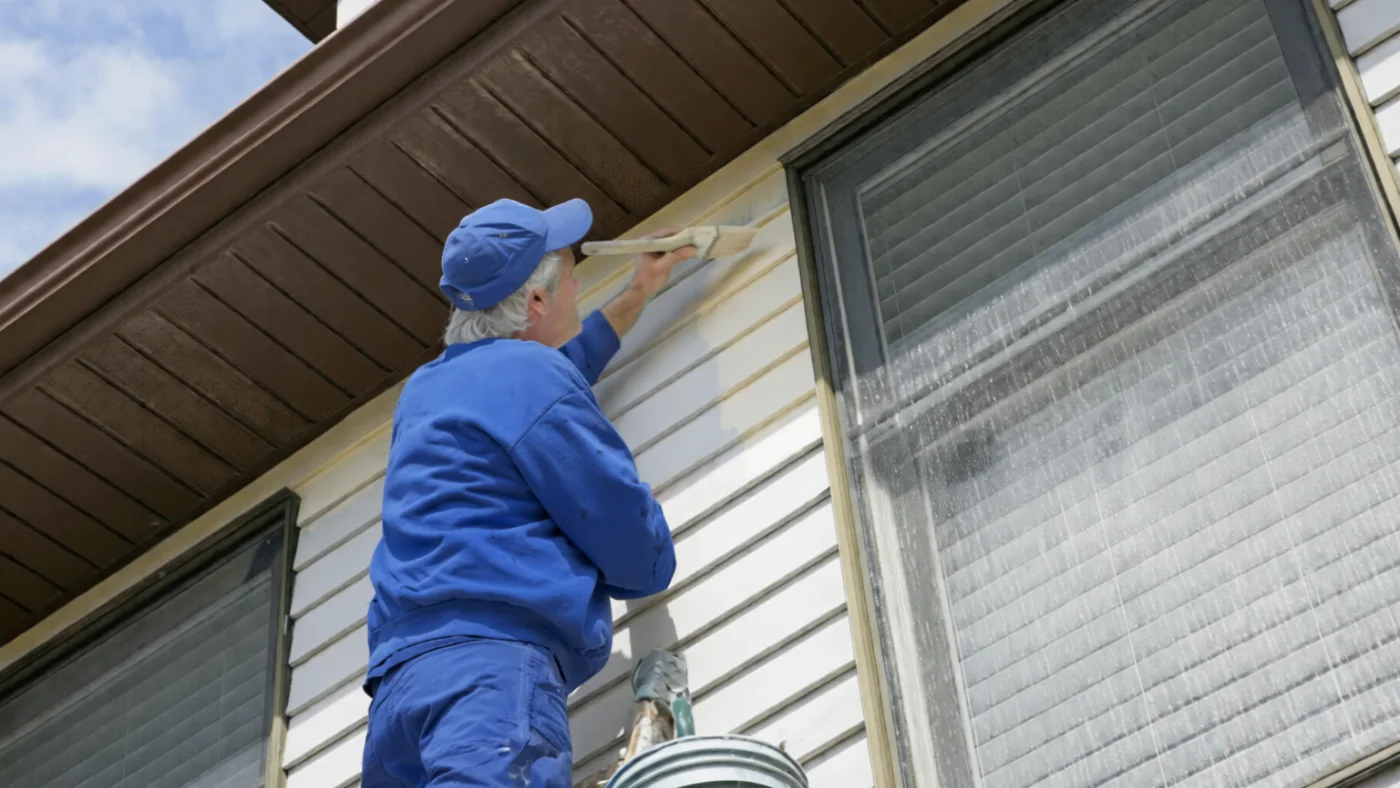
Interior repaints, exterior updates, new builds, and large commercial projects all rely on skilled painters to get the job across the finish line. If you’re thinking about getting into painting—or growing an existing business—you need a clear picture of what painters earn. That’s how you set realistic income goals, price your jobs right, and keep skilled workers on your team.
In this guide, you’ll find average painter salaries, hourly rates, earnings by state, and how income changes based on residential vs. commercial work.
Average painter salary in the U.S. (2026 overview)
According to data from the U.S. Bureau of Labor Statistics (BLS), painters make a median of $40,860–$48,660 per year, but your actual income can look very different depending on the work you take on and how you run your jobs.
Painter pay varies based on three main factors:
- Type of work (residential vs. commercial)
- Experience level
- Whether you’re an employee or business owner
Residential painters typically handle interiors and exteriors for homeowners, while commercial painters work on offices, retail spaces, and large construction projects. These larger jobs often pay more because they require more coordination, stricter timelines, specialized equipment, and crew management.
Because most painting work is project-based, many painters earn hourly or per job rather than a fixed salary. Based on the national medians, hourly, weekly, and monthly pay for painters typically breaks down as follows:
- Hourly: $19.64–$23.40
- Weekly: $785.6–$1,014
- Monthly: $3,401–$4,055
If you run your own painting business or take on higher-value commercial jobs, your earning potential can go well beyond these averages.
Key takeaways
Here’s a quick snapshot of painter salary trends across the country:
Median hourly wage: Painters earn approximately $19.64–$23.40 per hour, depending on the type of work.
Top-paying states: Hawaii, Alaska, Illinois, and Minnesota lead the nation, with median salaries surpassing $60,000.
Lowest-paying states: Arkansas, Tennessee, Mississippi, and South Carolina typically see average pay under $42,000 per year.
Business owners earn the most: Pros who run their own companies can earn between $60,000 and $100,000 or more, depending on project volume and crew size.
Table of contents
How much painters make by state
Location has one of the biggest impacts on how much you make as a painter. States with booming construction markets or higher costs of living tend to pay more to attract and retain skilled labor.
Because pay also varies by type of work, the data below is split into two tables: one for residential work and one for commercial projects.
Residential painter pay by state
Residential painting typically includes interior and exterior home projects, repaints, and smaller jobs. While these projects are more consistent and easier to schedule, they often come with lower price points compared to commercial work.
The table below shows the median hourly and annual pay for residential painters across the country, according to BLS data.
Note: States not listed below did not have sufficient available data (N/A).
| State | Hourly Pay | Annual Pay |
| Alabama | $20.49 | $42,620 |
| Arizona | $17.21 | $35,790 |
| Arkansas | $18.54 | $38,560 |
| California | $21.36 | $44,420 |
| Colorado | $21.20 | $44,090 |
| Connecticut | $17.40 | $36,200 |
| Florida | $17.17 | $35,710 |
| Georgia | $23.53 | $48,940 |
| Illinois | $24.65 | $51,270 |
| Indiana | $21.50 | $44,730 |
| Iowa | $21.82 | $45,390 |
| Kansas | $21.71 | $45,160 |
| Kentucky | $22.90 | $47,630 |
| Louisiana | $17.86 | $37,140 |
| Maryland | $22.07 | $45,910 |
| Massachusetts | $25.16 | $52,320 |
| Michigan | $18.05 | $37,550 |
| Minnesota | $18.58 | $38,650 |
| Mississippi | $17.17 | $35,710 |
| Missouri | $21.69 | $45,120 |
| Nebraska | $21.80 | $45,350 |
| New Hampshire | $21.83 | $45,410 |
| New Jersey | $24.38 | $50,700 |
| New York | $32.76 | $68,140 |
| North Carolina | $21.67 | $45,080 |
| Ohio | $21.34 | $44,380 |
| Oklahoma | $18.41 | $38,300 |
| Pennsylvania | $20.00 | $41,600 |
| South Carolina | $21.12 | $43,920 |
| South Dakota | $17.70 | $36,810 |
| Tennessee | $17.12 | $35,620 |
| Texas | $13.74 | $28,570 |
| Utah | $20.20 | $42,020 |
| Virginia | $22.21 | $46,190 |
| Washington | $29.46 | $61,270 |
| Wisconsin | $19.21 | $39,950 |
Commercial painter pay by state
Commercial painting covers larger projects like office buildings, retail spaces, and new construction. These jobs usually involve more planning, larger crews, and tighter deadlines, but they also tend to pay more as a result.
The table below shows the median hourly and annual pay for commercial painters across the country, according to BLS data:
| State | Hourly | Annual |
| Alabama | $21.97 | $45,690 |
| Alaska | $31.54 | $65,610 |
| Arizona | $22.74 | $47,290 |
| Arkansas | $18.47 | $38,420 |
| California | $27.62 | $57,450 |
| Colorado | $24.35 | $50,650 |
| Connecticut | $25.78 | $53,610 |
| Delaware | $26.81 | $55,770 |
| Florida | $22.14 | $46,060 |
| Georgia | $22.93 | $47,690 |
| Hawaii | $32.51 | $67,620 |
| Idaho | $22.35 | $46,490 |
| Illinois | $29.99 | $62,390 |
| Indiana | $24.05 | $50,010 |
| Iowa | $23.45 | $48,780 |
| Kansas | $21.58 | $44,890 |
| Kentucky | $21.94 | $45,630 |
| Louisiana | $21.01 | $43,700 |
| Maine | $27.06 | $56,270 |
| Maryland | $23.59 | $49,060 |
| Massachusetts | $26.86 | $55,870 |
| Michigan | $23.73 | $49,360 |
| Minnesota | $29.28 | $60,900 |
| Mississippi | $19.59 | $40,750 |
| Missouri | $24.11 | $50,150 |
| Montana | $23.52 | $48,920 |
| Nebraska | $21.64 | $45,020 |
| Nevada | $25.15 | $52,300 |
| New Hampshire | $23.85 | $49,600 |
| New Jersey | $28.99 | $60,290 |
| New Mexico | $22.07 | $45,910 |
| New York | $26.93 | $56,020 |
| North Carolina | $21.10 | $43,890 |
| North Dakota | $27.59 | $57,390 |
| Ohio | $25.79 | $53,650 |
| Oklahoma | $21.93 | $45,610 |
| Oregon | $23.50 | $48,880 |
| Pennsylvania | $24.15 | $50,230 |
| Rhode Island | $24.72 | $51,420 |
| South Carolina | $20.65 | $42,950 |
| South Dakota | $22.40 | $46,600 |
| Tennessee | $19.57 | $40,710 |
| Texas | $21.23 | $44,160 |
| Utah | $22.07 | $45,900 |
| Vermont | $23.78 | $49,460 |
| Virginia | $21.48 | $44,670 |
| Washington | $28.13 | $58,520 |
| West Virginia | $20.89 | $43,450 |
| Wisconsin | $24.05 | $50,020 |
| Wyoming | $22.03 | $45,820 |
Which states pay painters the most?
The highest-paying states tend to share a few things in common: higher labor costs, strong construction demand, and more access to commercial work. In places like Hawaii and Alaska, material costs and logistics also push labor rates higher.
Top-paying states for painters (combined residential and commercial ranges):
| State | Pay Range |
| Illinois | $51,270–$62,390 |
| Minnesota | $38,650–$60,900 |
| New Jersey | $50,700–$60,290 |
| California | $44,420–$57,450 |
| Massachusetts | $52,320–$55,870 |
Which states pay painters the least?
States with lower average pay often have smaller construction markets and fewer large commercial projects. In many of these areas, residential repaint work makes up most of the available jobs, which can limit how much you can charge.
Lowest-paying states for painters (combined residential and commercial ranges):
| State | Pay Range |
| Arkansas | $38,560–$38,420 |
| Mississippi | $35,710–$40,750 |
| Tennessee | $35,620–$40,710 |
| South Carolina | $43,920–$42,950 |
| Louisiana | $37,140–$43,700 |
Painter career paths and salaries
Unlike trades like electrical or plumbing, painting doesn’t always require a universal license. Instead, your income grows as your skills, efficiency, and job complexity increase. You’ll likely start with basic prep work and move toward managing full projects as you gain experience.
Here’s how painter salaries typically increase as you gain experience, based on data from ZipRecruiter:
Entry-level painter ($30,000–$45,000)
In the beginning, painters often assist experienced crew members with prep work like sanding, masking, and cleanup. This is where you’ll learn proper application techniques, safety practices, and jobsite workflow.
Experienced painter ($46,000–$65,000)
At this level, you’ll handle more detailed work, including finished surfaces, exterior jobs, and larger projects. You may also start training newer painters and helping maintain quality on jobs.
Lead painter and supervisor ($45,000–$80,000)
Lead painters manage smaller crews and complex work, while supervisors oversee schedules, quality, and timelines. You’re not just painting—you’re responsible for keeping jobs on track and profitable.
Painting business owner ($60,000–$100,000+)
Some painters go on to start their own businesses. At that point, you manage everything: estimates, scheduling, crews, customer communication, and job execution.
Income can vary widely depending on your pricing, job volume, and how efficiently you run your operations. Many owners break into six figures, especially when they run multiple crews or secure repeat work.
Learn more: 130+ painting company names to inspire your brand
Get In Touch: 858-842-5746
Let us earn your trust
On average, Pros increase monthly revenue generated through Housecall Pro by more than 35% after their first year.
See plan options and feature breakdown on our pricing page.
Factors affecting your painter’s salary
A handful of factors determine how much you’ll earn as a painter:
- Experience level: More experience leads to higher-paying, more complex work.
- Project type: Commercial and specialty jobs typically pay more than residential repaint work.
- Location: Areas with booming construction markets or higher labor costs often offer higher wages.
- Skill specialization: Developing expertise in detailed finishes, spray systems, or specialty coatings can increase your pricing power.
- Employment type: Running your own business gives you more control over pricing and income.
How to increase your painting salary
If you want to earn more as a painter, focus on both your skills and how you run your jobs. The highest-earning painters don’t just work more—they price smarter, stay organized, and take on better jobs.
Ways to increase your income:
- Developing specialized skills: Learn high-value services like cabinet refinishing or specialty coatings.
- Taking on larger jobs: Bigger residential and commercial projects bring in more revenue.
- Stepping into leadership roles: Managing crews increases your earning potential.
- Start your own painting business: Gives you control over pricing, scheduling, and job volume.
- Improve how you run jobs: Using tools like Housecall Pro helps you schedule work, send estimates quickly, and get paid faster.
Starting your own painting business
Running your own painting business changes how you earn. Instead of getting paid only for your time, you control your pricing, schedule, and how many jobs you take on.
The tradeoff is added responsibility. You’ll handle estimates, scheduling, invoicing, and customer communication alongside the work itself.
That’s where having the right systems in place can make a big difference.
With Housecall Pro’s painting business software, you can:
- Schedule and dispatch jobs so your crew stays on track
- Send estimates quickly and win more work
- Get paid faster with Automated Invoicing and Payments
- Track job performance and profitability with Advanced Reporting
- Manage customer relationships to drive repeat work and referrals
See how Housecall Pro can help you run and grow your painting business with a free 14-day trial.
Painter salary FAQ
-
Can painters make good money?
-
Painters can make good money, though how much they bring home depends on their experience, location, and the types of projects they take on.
-
What is the highest pay for painters?
-
The highest-paid painters are typically business owners, supervisors, or lead painters working on large projects. In some states, painters earn over $60,000 per year on average, and experienced professionals working on complex jobs may earn even more.
-
Can painters make six figures?
-
Yes, some painters can earn six figures, especially those who run successful painting businesses. Contractors who manage multiple crews and large projects can often earn more than most hourly painters.
-
Do painters usually get benefits?
-
Yes, painters usually receive benefits, though it depends on who you work for. Benefits, including medical, dental, and vision insurance, are common when working for unions or bigger companies.