Want to see your potential revenue?
See what businesses like yours earn with Housecall Pro in 1 - 2 minutes.
Starting a lawn care or landscaping business doesn’t always require a license. Rules depend on where you work, what services you offer, and how big your jobs are. Some businesses need state or local approval before advertising or booking jobs, while others can start with only basic registration and paperwork.
This guide breaks down the most common license types, when they’re required, and how rules change by state and service. You’ll also learn about permits, insurance basics, and how to check local requirements before you book your first paying customer.
Key takeaways
Here’s a quick snapshot to help you navigate licensing for lawn care and landscaping work:
Know your service type: Lawn care and landscaping are regulated differently, and what you offer determines which licenses you need.
Register before you work: Most businesses need local registration, even if a state contractor license isn’t required.
Watch for specialty rules: Pesticide use, irrigation, and tree work often require extra permits or certifications.
Carry proper insurance: Commercial clients and property managers often require general liability and workers’ comp.
Use systems early: Software can help you keep jobs, payments, and records organized as you grow.
Table of contents
- Lawn care vs. landscaping: Why the difference matters
- Licenses and permits most landscaping businesses need
- When you don’t need a license (but paperwork still matters)
- Special licenses and certifications to know
- State-by-state licensing differences to watch for
- Insurance requirements
- How Housecall Pro’s landscaping software can help
Lawn care vs. landscaping: Why the difference matters
Many people use “lawn care” and “landscaping” interchangeably, but legally, they’re often treated as different trades.
The difference matters because it affects permits, licenses, and what you’re allowed to offer. In many states, work that builds or changes outdoor spaces is regulated more strictly than routine maintenance. A simple way to think about it: Are you maintaining what’s already there, or building and changing it? Your answer usually points you to the right requirements.
Common lawn care services
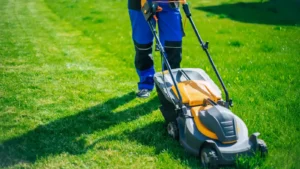
Lawn care focuses on ongoing maintenance. These services typically face fewer licensing hurdles, though local laws and business registration rules still apply.
Typical lawn care work includes:
- Mowing and edging
- Trimming bushes and small shrubs
- Mulching beds and tree rings
- Leaf removal and seasonal cleanup
- Basic fertilizing or weed control (chemical use may require extra licensing)
- Aeration and overseeding services
In many states, lawn care businesses can operate with a general business license and local registration, as long as they don’t cross into regulated services like pesticide application without the proper credentials.
Common landscaping services
Landscaping usually involves design, installation, or construction that changes the property itself. Because this work can affect drainage, structures, and safety, it’s more likely to trigger contractor or specialty licensing rules.
Standard landscaping services include:
- Landscape design and installation
- Planting trees or large shrubs
- Grading or reshaping land
- Sod installation or full lawn replacement
- Irrigation system installation or repair
- Drainage solutions for runoff or pooling
- Hardscaping (retaining walls, patios, walkways)
States often regulate these services more closely, especially when projects exceed a specific dollar amount or involve permanent structures. If your work changes how a property looks or functions, expect stricter rules.
Licenses and permits most landscaping businesses need
Even if your state doesn’t require a trade-specific contractor license, you’ll still need basic legal setup to operate, invoice customers, and avoid fines. Requirements vary by location and service type, so always check with your city, county, or state licensing board.
General business license
A general business license permits you to operate in a specific city or county. Local governments issue this, not the state. Most areas require this license before you can advertise, sign contracts, or accept payment.
You’ll usually apply through your city hall or county clerk’s office. The process is often straightforward and low-cost, with some areas requiring an annual renewal fee. The U.S. Small Business Administration offers guidance to help find which agency handles licenses in your area.
State contractor or landscaping license
This license applies when your work goes beyond basic maintenance. Not every state requires one, but many do if:
- Projects exceed a certain dollar amount (often $500–$2,500)
- You work on commercial properties
- You offer services like irrigation or hardscaping
Services that often trigger this requirement include:
- Installing irrigation systems
- Building retaining walls or patios
- Grading or land reshaping
- Extensive planting or design projects
Rules differ widely by state. For example, California requires a C‑27 Landscaping Contractor license, an exam, and four years’ experience for jobs over $500. In comparison, Florida often doesn’t mandate a state license for basic work. Always check your state’s contractor licensing board before expanding services.
Sales tax permit
Some states tax landscaping or lawn care services. Others only tax materials like mulch or sod. A sales tax permit allows you to collect and remit those taxes correctly. Even small businesses may need this permit if they provide taxable services.
You’ll typically need an Employer Identification Number (EIN) from the IRS to apply for the permit. Registering early keeps your pricing clear and prevents surprise tax bills later.
When you don’t need a license (but paperwork still matters)
In some states, you can start a basic lawn care business (think mowing, edging, and seasonal cleanup) without a professional trade license. This makes it easier to start working, but it doesn’t mean you can skip paperwork.
Most areas still require:
- Local registration
- A general business license
- Proper tax setup (EIN)
- Insurance coverage, even for small residential jobs
- A sales tax permit, if applicable
Pro tip: Licensing needs can change quickly as your business grows. Adding services, crossing job cost thresholds, or offering chemical treatments can trigger new requirements, so revisit the rules as you expand.
Special licenses and certifications to know
Some services come with stricter regulations that catch new business owners off guard. Skipping these can lead to fines, job shutdowns, or lost contracts.
Pesticide applicator license
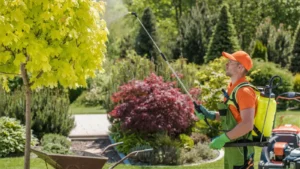
If you apply weed killers, insecticides, or fungicides, you almost always need a license. States typically distinguish between private applicators (treating their own land) and commercial applicators (treating client property for money).
Most lawn care businesses fall under the commercial category, which requires testing and fees. Operating without this license is a serious violation in most states, even on first offenses.
Irrigation and water-related licenses
Irrigation work often has its own rules. Some states treat it as a specialty trade, while others tie it to plumbing or water management regulations.
You may need a separate certification to:
- Install sprinkler systems
- Repair underground lines
- Connect systems to a municipal water supply
Always check your state and local requirements before offering irrigation work.
Tree trimming and arborist credentials
Basic shrub trimming usually doesn’t require special credentials. Tree removal or large-scale trimming is different.
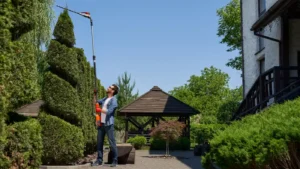
Once work involves tall trees, power equipment, or risk to structures, regulations often apply. Some areas require arborist certification, proof of training, or higher insurance minimums.
State-by-state licensing differences to watch for
Licensing rules can change by state—and sometimes by city or county. Some lawn care businesses operate with only a local business license. Others work in states where landscaping is highly regulated and requires exams and experience.
Start with your state’s Contractor Licensing Board or Department of Agriculture (for pesticides). Then, check your city or county clerk’s website for local permit requirements. The U.S. Department of Agriculture and the Secretary of State websites also list specific licensure requirements. When in doubt, a quick phone call can save hours of guesswork.
Insurance requirements
Insurance isn’t just extra paperwork—it’s your business’s financial safety net. Many clients won’t hire you without proof of coverage, especially for commercial jobs. Some property managers won’t even let you on-site without it. The right coverage protects your business, your customers, and your ability to keep working.
General liability insurance
General liability insurance covers damage or injuries connected to your work, like broken sprinkler heads or a customer tripping over your equipment. Accidents happen, even to careful crews.
This policy typically covers:
- Property damage caused during a job
- Bodily injury claims from clients or bystanders
- Legal fees for covered claims
Without general liability coverage, you risk losing bids and higher-paying jobs.
Workers’ compensation insurance
Workers’ comp is required in most states once you hire your first employee. It covers medical bills and lost wages if a crew member gets hurt on the job. Some states also expect coverage for subcontractors, even if they carry their own insurance.
This policy helps cover:
- Medical expenses from work-related injuries
- Lost wages during recovery
- Defense against employee injury lawsuits
Landscaping work is high-risk, physically demanding work, and injuries can happen quickly. Workers’ comp protects you and your crew; skipping it can lead to fines or stop-work orders.
How Housecall Pro’s landscaping software can help
Once your licenses and insurance are in place, the real challenge begins: running the business day to day.
As jobs stack up, paper notes and text messages become hard to manage. Housecall Pro’s landscaping software acts as your operating system, keeping your business organized and professional.
Housecall Pro helps you manage:
- Job scheduling: Assign crews, set recurring visits, and see your week at a glance.
- Estimates: Create clear, professional quotes on-site that win more work.
- Invoicing: Send invoices instantly and accept payments without chasing checks.
- Customer records: Keep service history, gate codes, and notes in a single secure location.
When your admin side runs smoothly, you can focus on doing great work and growing your client base. Start your free 14-day trial to see how easy it is to manage your business.
FAQ
-
Do I need a license to start a lawn care business?
-
In most states, you don’t need a special contractor license to start a basic lawn care business. Services like mowing, edging, and seasonal cleanup usually only require local business registration and a general business license. However, you may need additional licenses if you apply pesticides or fertilizers, collect sales tax, or expand into landscaping, irrigation, or tree work. Always check your city and state requirements before booking your first job.
-
What certifications do you need for landscaping?
-
Certifications for landscaping depend on the services offered. Design, irrigation, hardscaping, or construction-related work may require a state contractor or specialty license. Tree work and pesticide use often require separate certification. Basic maintenance services usually involve fewer certification rules.
-
What do you need to run a landscaping business?
-
To run a landscaping business, you typically need business registration, required licenses, insurance coverage, and a way to manage jobs and payments. Many owners also use software for scheduling, estimates, invoicing, and customer records to stay organized as work increases.
-
What’s the difference between a lawn care business and a landscaping business?
-
A lawn care business focuses on maintenance tasks like mowing, trimming, and cleanup. A landscaping business handles design, installation, grading, irrigation, and hardscaping. Landscaping services are more likely to trigger contractor licenses and higher insurance requirements due to construction-related work.
-
Can I start a landscaping business as a side job?
-
Yes, you can start a landscaping business as a side job or side hustle, but licensing and insurance still apply. Earning less or working part-time doesn’t remove those obligations. Income thresholds don’t cancel requirements. It’s also smart to track jobs, expenses, and payments from day one, even if the business is small.
Get In Touch: 858-842-5746
Let us earn your trust
On average, Pros increase monthly revenue generated through Housecall Pro by more than 35% after their first year.
See plan options and feature breakdown on our pricing page.