Want to win more jobs with less effort?
Grow your business and send quick quotes with our home service software.

Want to see your potential revenue?
See what businesses like yours earn with Housecall Pro in 1 - 2 minutes.
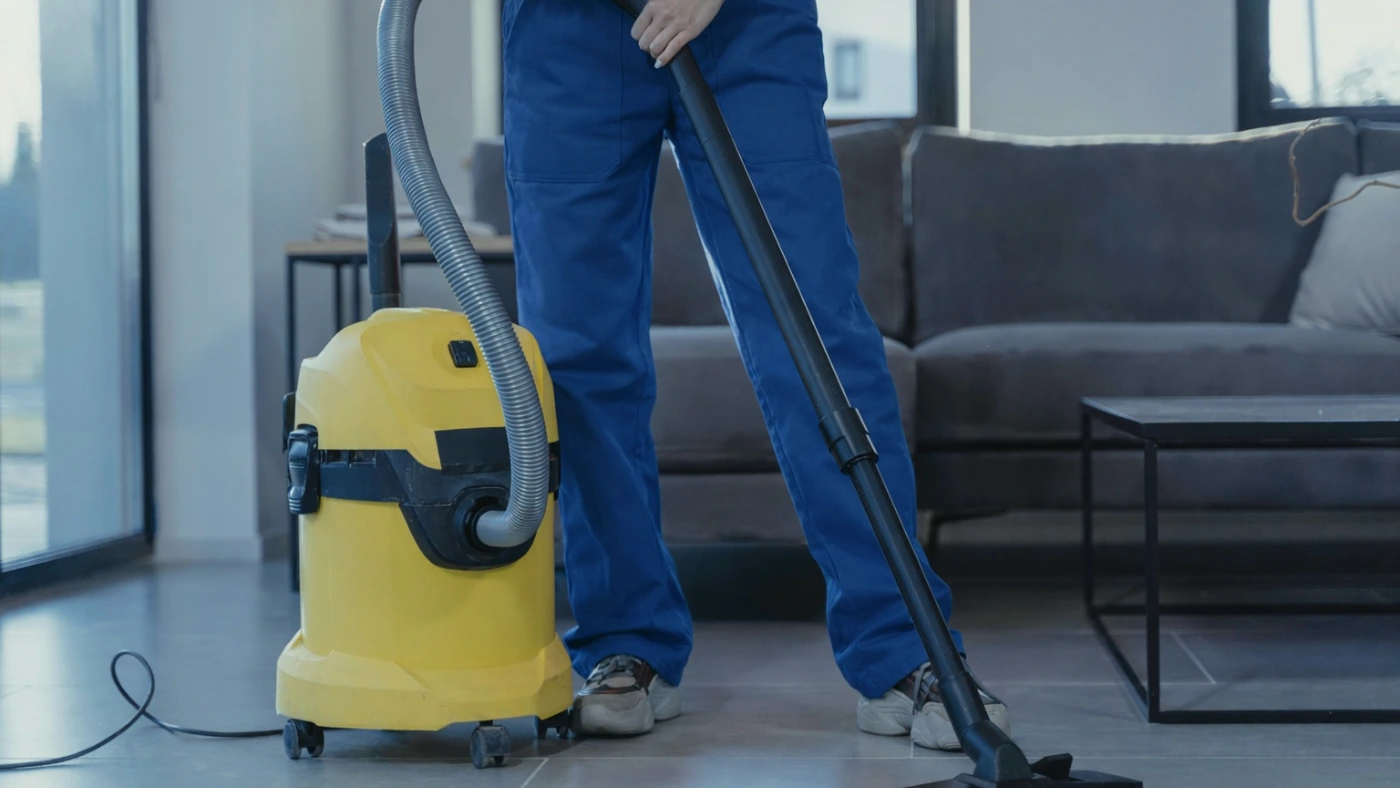
When someone needs a cleaner before a party, move, or big mess, they don’t want to shop around. They pick from the first few businesses they see on Google. In most cases, that means the top three map results or first page listings. Search engine optimization (SEO) helps your cleaning business appear in those top spots so more local customers find and choose you.
In this guide, you’ll learn how to structure your cleaning website for search engines, improve your local rankings, and turn traffic into real booked jobs. You’ll also see how tools like Housecall Pro can help you capture and convert those leads once they find you.
Want more ideas to get your business noticed? Learn 10 proven marketing strategies for cleaning companies.
Quick answer: How do you improve SEO for a cleaning business?
To improve SEO for a cleaning business, focus on showing up locally, improving your website, and building trust online. The most effective actions include:
- Setting up and optimizing your Google Business Profile
- Using location-based keywords on your website
- Collecting and responding to customer reviews
- Improving site speed and mobile usability
- Building local backlinks and citations
These steps help your business rank higher in Google Maps and local search results, making it easier for nearby customers to find and book your services.
Key takeaways
Focus on the actions that drive local visibility and bookings:
Own your local area: Showing up at the top of search results for your specific service area is a fast way to win new cleaning leads.
Prioritize a fast, mobile-friendly site: Modern customers search from their phones, and a site that loads quickly and looks great on a small screen is more likely to secure a booking.
Let your reviews do the selling: Honest customer feedback builds trust immediately, making it easier for homeowners to choose you over a stranger.
Table of contents
Local SEO for cleaning businesses
Local SEO helps your cleaning business show up in Google Maps and “near me” searches, right when customers are ready to hire. When done right, it puts your business in front of people when they’re most likely to book.
Step 1: Set up your Google Business Profile
Your Google Business Profile is often the very first thing a customer sees, even before your website. A complete, active profile signals to Google that you’re a legitimate, reliable cleaning professional, which helps you rank higher in local map results.
Here’s how to set it up:
- Keep your info consistent: Make sure your business name, address, and phone number (NAP) match what’s on your website and any business directory listings. Set your business hours, including on holidays or when you have limited availability.
- Pick specific categories: Choose the appropriate cleaning category, such as “house cleaning” or “carpet cleaning service,” over a generic category. Write a detailed service description.
- Show off your work: Upload real photos of your team, equipment, vehicles, and completed jobs (not stock images).
- Open the lines of communication: Turn on the messaging and call features so people can contact you directly from the search page.
- Post regular updates: Share seasonal offers or new services to keep your profile fresh and engaging.
- Make booking easy: Add a clear path from your profile to online booking so customers can schedule instantly instead of calling or waiting for a response. Tools like Housecall Pro’s Online Booking let leads go from Google search to confirmed job in minutes.
“We grew by being hyper-reliable and easy to book,” says Brian Davis, CEO of Handy Rubbish. That’s exactly what local searchers expect when they find your business on Google.
Step 2: Use keywords that target your service area
Google needs to know exactly which neighborhoods you serve so it can show your business to the right people. Using phrases that include your city or specific neighborhoods helps Google connect you with customers who are searching for someone nearby.
Start by listing every area you cover and weaving them into your web copy naturally. Instead of just saying “cleaning services,” use phrases like “house cleaning in [City Name]” or “apartment move-out cleaning in [Neighborhood Name].”
Step 3: Build local citations
Local citations are mentions of your company’s NAP on other websites, such as local directories or social media. Search engines use these mentions to validate that your cleaning business is legitimate, and in turn, they help improve your rankings.
Audit your current listings on these common sites to verify your info is accurate:
- Yelp, Angi, and Thumbtack
- Your Facebook business page
- Your local Chamber of Commerce website
- Neighborhood and city-specific business directories
Are there any outdated phone numbers, old addresses, or name variations? Even small inconsistencies can mislead search engines and harm your rankings.
Pro tip: Set a reminder to review these listings every 3–6 months and update as needed.
On-page SEO for cleaning businesses
On-page SEO helps search engines understand your content and helps customers quickly find answers When your pages are structured well and answer the questions your customers are asking, they’ll naturally rank higher and stay there longer.
Step 4: Find the right keywords
Instead of guessing what people type into Google, use tools like Google Ads Keyword Planner or SEMrush to find the exact words homeowners search when they’re ready to hire a cleaner. Metrics like search volume—the average number of times a keyword is searched each month—and keyword difficulty—how competitive it is to rank for that term—will help you prioritize keywords that bring in steady leads without being too hard to rank for.
Focus on “long-tail” keywords, which are more specific and often easier to rank for than broader, more general terms. Below are some good keyword examples:
- Instead of “house cleaning,” try “deep home cleaning near me.”
- Instead of “office cleaning,” try “best office cleaning company in [City].”
- Instead of “move-out cleaning,” try “apartment move-out cleaning in [Neighborhood].”
Step 5: Write helpful blog content
Many homeowners search for advice or pricing long before they’re ready to book a cleaning job. Blogging allows you to answer their questions, prove your expertise, and build a relationship before they’re ready to hire.
If you’re stuck for ideas, look at the questions your customers ask every day. If people are always asking you about pricing, timing, or what’s included in your cleaning services, those are solid content ideas.
Keyword tools can also help you spot common questions and search terms people are already using, so you can create content that matches real demand.
Here are some examples of topics you could blog about on your cleaning website:
- “What’s the difference between a standard and deep clean?”
- “How much does a move-out clean cost in [Your City]?”
- “How often should I have my carpets professionally cleaned?”
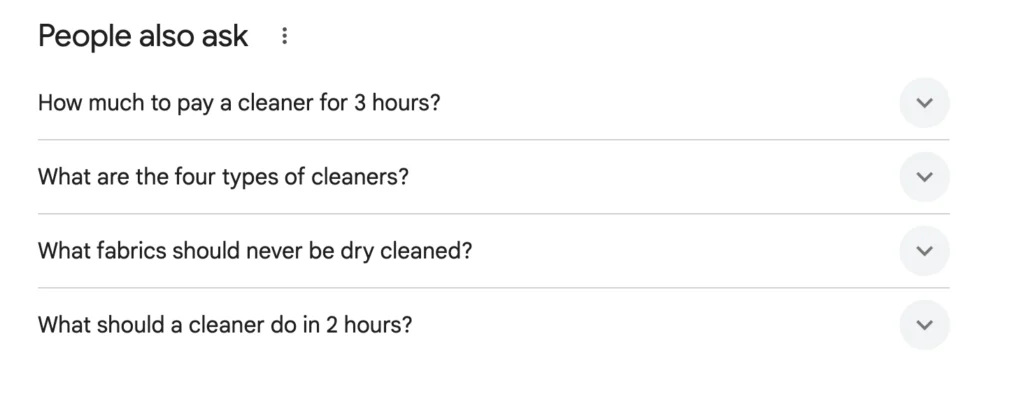
Pro tip: Check what pops up in the “People Also Ask” box when you search for terms like “cleaners near me” for more ideas. This box shows real questions people are actively searching.
Step 6: Update page titles and meta descriptions
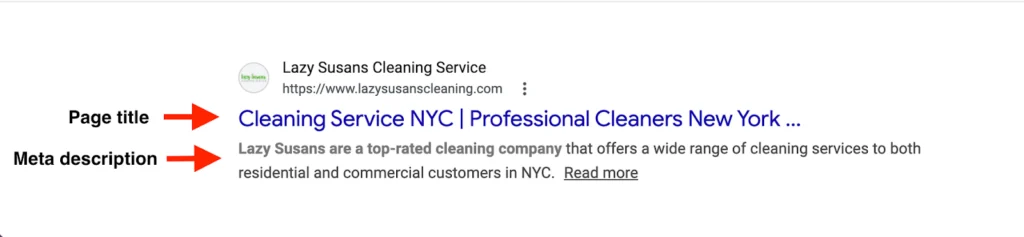
The page title and meta description that appear in Google search results are your first chance to make a good impression. Not only do these tell Google what your page is about, but they can also prompt people to learn more. Because they’re so visible, they need to clearly state what you do and where you do it.
For every service page, use a title that includes your main service, your city, and why you’re the best choice. Then, keep your meta description under 160 characters and always end with a clear call to action (CTA), like “Book your visit today.”
Here are some page title examples:
- Affordable Home Cleaning and Maid Services in Denver, CO
- Deep Cleaning Services in Denver, CO | Since 1998
A strong meta description for these pages might be, “Need a trusted home cleaning company in Denver? Cobbs Cleaning offers safe home cleaning for you and your pets. Browse our services and book a visit today.”
Step 7: Improve your site structure and formatting
Most people quickly scan web pages rather than reading every word. If your page looks like one long block of text, they’ll likely leave. A clear structure helps visitors find what they need quickly and helps search engines understand the page content.
Use headings to break content into logical sections and guide readers through the page. Each section should answer one specific question or explain one idea.
These formatting tools make your site more readable:
- Headers (H1, H2, H3): Break your content into logical sections.
- Bullet points and lists: Make lists of services or benefits easy to digest.
- Tables: Use these for quick pricing comparisons or service breakdowns.
- White space: Keep your paragraphs short to give the reader’s eyes a break.
Step 8: Compress and name your images
High-quality photos make your site look professional, but large file sizes can slow your page speed and frustrate visitors. Compressing and naming images is a simple way to boost your SEO without changing any text.
Follow these best practices when uploading images:
- Use descriptive names: For example, rename the file “IMG_123.jpg” to “kitchen-deep-cleaning-[City].jpg.”
- Add alt text: Describe what’s in the image so search engines can “see” it.
- Compress your files: Use free tools like TinyPNG to shrink image file sizes without sacrificing image quality.
- Use modern formats: Switch to WebP files, which are much smaller than standard JPEG and PNG files.
Step 9: Focus on site speed and mobile experience
If your site takes more than a few seconds to load, potential clients are likely to bounce back to the search results and choose a competitor.
Use Google PageSpeed Insights to see how your site is performing, then follow these steps to speed things up:
- Compress large images and videos (if you skipped Step 8).
- Clean up and remove any plugins or scripts you’re no longer using.
- Choose a more reliable hosting provider.
- Use responsive web design so your website adjusts to different screen sizes.
- Make click-to-call buttons large enough for users to tap easily with one finger.
Get In Touch: 858-842-5746
Let us earn your trust
On average, Pros increase monthly revenue generated through Housecall Pro by more than 35% after their first year.
See plan options and feature breakdown on our pricing page.
Off-page SEO for building authority
Off-page SEO is about building your business’s reputation across the wider internet outside of your website. When other reputable sites link back to yours, it tells Google that you’re a trusted authority in the cleaning trade.
Step 10: Build quality backlinks
A backlink is simply a link from another website to yours. Focus on getting links from local, relevant sources rather than trying to get as many links as possible from random sites.
You can get great backlinks through:
- Writing guest articles for local neighborhood blogs
- Appearing in Chamber of Commerce and business association directories
- Being listed as a preferred vendor for local real estate agents or property managers
- Sponsoring local youth sports or community events
Step 11: Manage your customer reviews
Customer feedback is modern word-of-mouth. Positive reviews don’t just help you book more jobs—they’re also a major signal to Google that your business should be ranked higher.
Here’s how to make the most of your reviews:
- Ask immediately: Send a request as soon as the job is finished and the customer is happy with their clean home.
- Respond to everyone: Reply politely to both positive and negative feedback.
- Show them off: Feature your best reviews on your homepage.
- Use them everywhere: Repurpose reviews for your paid ad and email marketing campaigns.
“For every customer that you’re dealing with, it’s a lost customer if you don’t ask for a review,” says Will Hardwick, CEO of A-1 Cleaning.
Pro tip: Use Housecall Pro’s Review Management features to automate this process. You can send review requests via text or email automatically after every job.
Step 12: Stay active on social media
Social media isn’t a direct ranking factor for SEO, but it drives traffic to your site and keeps your brand top-of-mind for local homeowners. When people interact with your posts, they’re more likely to remember your name when they eventually need a cleaner.
Here are some great social media post ideas to engage your neighbors:
- Before-and-after photos of a particularly tough job
- Weekly cleaning tips for common stains
- Seasonal cleaning reminders for things like holiday prep and spring cleaning
- Happy customer reviews and testimonials
Facebook and Instagram are great platforms for cleaning businesses because they’re visual-based and help you connect directly with local clients.
Step 13: Partner with other local trades
Networking with businesses that serve the same customers (but aren’t direct competitors) can provide a steady stream of referrals. Real estate agents, property managers, and moving companies are natural fits for your cleaning business.
You can build connections with these and other local trades by:
- Offering referral rewards
- Co-hosting an event, like a community cleanup
- Getting listed as a preferred vendor on partner websites
- Swapping useful resources with CTAs and personalized cleaning offers
Hiring an SEO expert vs. doing it yourself
After reviewing these steps, you’ll have a better idea of whether you want to manage your SEO in-house or hire a specialist. Use the table below to help compare the two options:
| Feature | Hiring an SEO expert | Managing SEO yourself |
| Cost | High: $1,500–$20,000+ per month retainer at an agency | Low: mostly just your time and basic tool costs |
| Time investment | Low: experts handle keyword research and content | High: you’ll need to research, write, and monitor results |
| Expertise | High: specialists stay on top of search engine changes | Variable: requires learning and testing what works |
| Control | Less hands-on control over site changes | Total control over messaging and updates |
| Tools | Access to professional, industry-leading software | Limited to free or low-cost tools unless you subscribe |
| Risk | Some agencies use “black hat” tactics that risk Google penalties | Low risk, provided you follow standard guidelines |
How to measure SEO success
Tracking your SEO results helps you understand which efforts are actually bringing in new jobs and which aren’t. Once your site is getting regular traffic, keep an eye on these key metrics to see what’s working:
- Monitor organic traffic: Watch how many people find your site through search engines rather than paid ads. Growing traffic is a clear sign that your visibility is improving.
- Check local rankings: See where you land for specific terms like “cleaning service near me” or “apartment cleaning in [City]”. Higher rankings put you in front of homeowners right when they’re ready to book.
- Watch your bounce rate: Track how many people leave your site after viewing only one page. If this is high, it often means your content didn’t meet their needs or the page didn’t look professional enough to win their trust.
- Analyze time on page: Pay attention to how long visitors spend reading your content. When people stay longer, it’s a good sign they found the information they were looking for.
- Track bookings and calls: Keep a close eye on phone calls, contact form fills, and online booking requests. These are the numbers that truly matter because they show your SEO is actually turning into real jobs.
How Housecall Pro’s cleaning business software can help
Managing a growing business while keeping up with your SEO can feel like a second full-time job. Housecall Pro is designed to take administrative tasks off your plate so you can focus on the work that actually generates revenue as you grow your cleaning business.
Housecall Pro’s cleaning software includes everything you need to run your business, like:
- Scheduling and client management: Book appointments, send reminders, and manage recurring cleaning jobs without the paperwork.
- Price Book and invoicing tools: Use price calculators to set your rates and send professional invoices the moment the job is done.
- Marketing and automation: Automate your review requests and track which marketing efforts drive the most job referrals.
- Growth support: Manage multiple crews and track your profitability as you scale your company.
On average, Pros increase the number of monthly jobs they complete through Housecall Pro by more than 25% after their first year. Sign up for a free 14-day trial to see it in action for yourself.
Cleaning business SEO FAQ
-
How long does it take for SEO to work?
-
You’ll typically start seeing measurable results in around 3–6 months. The exact timing depends on the level of competition in your city and how quickly you can update your site and Google Business Profile.
-
Do cleaning businesses need a website for SEO?
-
Yes, a cleaning website gives Google more signals to rank your business. It also displays social proof that builds trust with local homeowners. A simple, fast-loading website with contact information and clear calls to action serves as a 24/7 lead generator, where you can showcase your testimonials and offer online booking.
-
Is local SEO more effective than paid ads for cleaning businesses?
-
Local SEO is more sustainable than paid ads because your website continues to generate leads without the high daily ad spend. However, paid ads can help you quickly reach defined audiences based on keywords, demographics, and online behavior. Combine free and paid marketing tactics to broaden your reach.