Want to see your potential revenue?
See what businesses like yours earn with Housecall Pro in 1 - 2 minutes.
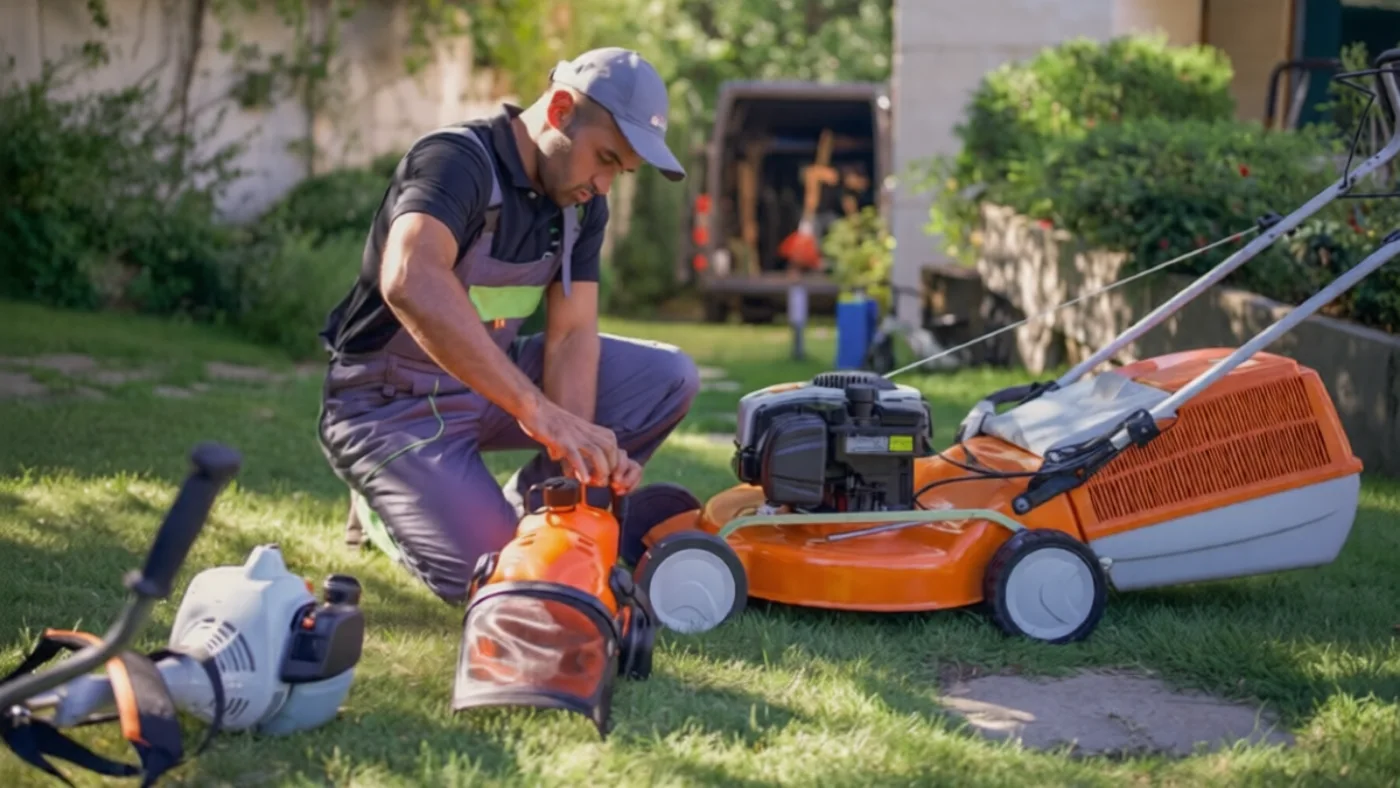
Starting a new lawn care or landscaping business often comes with two costly mistakes: overspending on equipment you don’t need yet or realizing too late you’re missing tools required to do the job. Both can stall growth and eat into profits.
Instead of listing everything you could buy, this lawn care and landscaping equipment list focuses on what you’ll realistically use at each stage of growth. It starts with core maintenance tools that generate revenue immediately, then layers in landscaping and commercial upgrades as your services, crew size, and job complexity expand.
Key takeaways
Here’s how to build your lawn care equipment list without overspending or missing essentials:
Start with core tools: Invest in mowing, trimming, and cleanup equipment before expanding services.
Match gear to the job: Choose equipment based on property size, access points, and terrain. Don’t buy a massive commercial mower for small residential jobs.
Budget beyond purchase price: Fuel, maintenance, and replacement parts all affect long-term costs, so factor them into your pricing.
Track your assets: Keep a log of maintenance and repairs to help you decide when replacing equipment is cheaper than repairing it again.
Table of contents
- What equipment does every lawn care or landscaping business need to get started?
- When to invest in advanced or commercial lawn and landscaping equipment
- What safety equipment do you need for lawn care and landscaping crews?
- How should you maintain, store, and plan equipment replacement?
- How much does lawn care and landscaping equipment cost?
- How to build a lawn and landscaping equipment list for your business
- Software to manage your landscaping equipment and business operations
What equipment does every lawn care or landscaping business need to get started?
Most lawn care businesses begin with a tight service focus: mowing, trimming, edging, and cleanup. These services generate predictable revenue and require a relatively small set of reliable tools. Investing here first lets you start making money immediately while learning what equipment mix actually fits your route, property types, and schedule.
Lawn mowing essentials
Mowers are the foundation of day-to-day operations, but there’s no single “best” option. The right choice depends on lawn size, terrain, and access.
Common options include:
- Push and self-propelled mowers: Ideal for small residential yards, tight gates, and areas with obstacles.
- Zero-turn mowers: The standard for efficiency. These mowers cut time significantly on larger properties but require trailer transport.
- Stand-on mowers: A great middle ground that saves trailer space and offers better visibility than sit-down zero-turns.
Trimming, edging, and shaping tools
Finish work takes a lawn from cut to professionally maintained. These tools handle the details customers notice most:
- String trimmers: Reach fences, trees, and edges where mowers can’t.
- Edgers: Create clean, defined lines along sidewalks, driveways, and curbs.
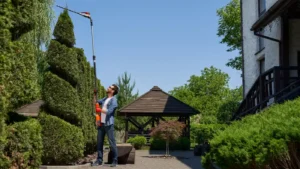
- Hedge trimmers: Shape shrubs and hedges quickly and evenly.
- Pruning tools: Hand pruners and loppers allow precise cuts without damaging surrounding growth.
Cleanup and debris removal
A job isn’t finished until the site is clean. Efficient cleanup tools reduce time on-site and help crews move faster between jobs.
- Backpack blowers: Industry standard for clearing clippings, leaves, and debris from lawns and hard surfaces.
- Leaf vacuums: Useful during heavy leaf seasons or on properties with dense tree coverage.
- Rakes, tarps, and debris bags: Essential for gathering, hauling, and removing material after each job
Lawn treatment tools and supplies
Once routine maintenance is consistent, many businesses look to lawn treatments to improve results and increase revenue per property. These tools help you apply products accurately and avoid guesswork.
- Spreaders: Apply seed, fertilizer, and granular treatments evenly.
- Sprayers: Backpack or handheld options for liquid weed control, pest treatments, or spot applications.
- Soil testers and moisture meters: Identify nutrient deficiencies and watering needs before applying treatments.
Landscaping tools for planting and hardscape work
Landscaping services introduce digging, hauling, and soil preparation. These tools support planting, bed work, and smaller installation jobs without requiring heavy machinery.
- Shovels, spades, and trowels: Digging, planting, edging beds, and moving soil or mulch.
- Wheelbarrows and carts: Transport materials efficiently around the job site.
- Tampers, cultivators, and hand tools: Prepare soil, compact ground, and set plants securely.
- Landscape fabric, edging, and stakes: Control weeds, define beds, and support young plants.
Supplies and consumables you’ll use daily
Consumables don’t last forever, and their recurring costs affect pricing and margins more than most owners expect. Budgeting for these items helps avoid surprise expenses mid-season.
- Fuel, oil, and 2‑cycle mix: Keep gas‑powered equipment running reliably.
- Replacement blades, trimmer line, and filters: Having spares reduces downtime mid‑day.
- Mulch, soil, seed, and fertilizers: Core materials for treatments and installs that must be built into pricing.
When to invest in advanced or commercial lawn and landscaping equipment
Advanced equipment is usually needed when you expand your services, cover larger properties, or run multiple crews. These tools improve efficiency but are rarely necessary on day one.
Common upgrades for growing landscaping businesses include:
- Aerators and dethatchers: Improve soil health by reducing compaction and removing thatch.
- Sod cutters: Speed up turf removal during lawn replacements.
- Overseeders and slit seeders: Repair thinning lawns and establish new grass more efficiently.
- Chainsaws and brush cutters: Handle heavier clearing and larger branches.
- Power washers: Add patio, walkway, and hardscape cleaning as a supplemental service.
- Trailers, racks, and hauling equipment: Support larger equipment lists and multiple crews.
What safety equipment do you need for lawn care and landscaping crews?
Lawn care and landscaping crews work around moving blades, flying debris, loud equipment, and traffic. The right safety gear helps prevent injuries that can shut down a job or sideline a worker. While safety needs vary by task and location, these basics apply to most day-to-day lawn care and landscaping work:
- Gloves, goggles, and hearing protection: Protect hands, eyes, and ears during mowing, trimming, and equipment use.
- Steel‑toe boots: Help reduce foot injuries when handling heavy tools and materials.
- Respirators or masks: Needed when applying chemicals, working in dust, or dealing with airborne debris.
- High‑visibility vests, cones, flags, and signage: Improve crew visibility near roads and parking lots.
Get In Touch: 858-842-5746
Let us earn your trust
On average, Pros increase monthly revenue generated through Housecall Pro by more than 35% after their first year.
See plan options and feature breakdown on our pricing page.
How should you maintain, store, and plan equipment replacement?
A broken mower doesn’t make money. Taking care of your equipment helps it last longer, reduces breakdowns, and keeps your crews safe and productive. A few consistent habits can prevent rushed repairs, missed jobs, or avoidable replacements.
Daily and weekly equipment checks
Quick inspections catch small issues before they turn into missed jobs or big repairs. Make it a habit to:
- Check blades, belts, and guards for visible wear.
- Look for loose bolts, leaks, or frayed cords.
- Clear debris from air intakes and cooling areas to prevent overheating.
Sharpening blades and maintaining small engines
Sharp blades cut faster and cleaner, reducing strain on equipment and improving results.
- Sharpen mower blades regularly to avoid tearing grass and slowing cutting speed.
- Change oil, replace filters, and inspect spark plugs regularly.
- Follow manufacturer service intervals to extend engine life.
Seasonal storage and winterization
Off-season prep prevents corrosion and fuel issues between busy seasons. Before wrapping up for the season, complete these tasks:
- Drain or stabilize fuel for extended storage.
- Clean equipment and store it in a dry, covered space.
- Disconnect batteries and protect exposed metal surfaces.
When to repair vs. replace tools and machines
All equipment eventually wears out, but not every repair is worth making. Replacement typically makes more sense when:
- The repair cost is close to or exceeds the equipment’s value.
- Downtime is hurting your schedule or crew productivity.
- Older tools can’t keep up with your current job volume or service offerings.
How much does lawn care and landscaping equipment cost?
Equipment costs can vary widely based on job size, service mix, and whether tools are residential or commercial-grade. Planning around real-world pricing helps you budget for your initial and future setups. The table below reflects average 2026 retail prices from leading brands such as John Deere, Toro, Husqvarna, and STIHL.*
| Equipment Category | Basic | Intermediate | Commercial |
| Push or self-propelled mower | $200–$600 | N/A | N/A |
| Zero-turn mower | N/A | $3,000–$6,000 | $7,000–$12,000+ |
| String trimmer | $50–$300 | $300–$500 | $500–$800+ |
| Backpack blower | $300–$500 | $500–$700 | $700–$1,000+ |
| Spreader or sprayer | $50–$150 | $150–$400 | $400–$1,000+ |
| Aerator or dethatcher | $30–$100 | $100–$1,000 | $1,500–$6,000+ |
| Trailer and hauling setup | N/A | $1,500–$3,000 | $3,000–$10,000+ |
These estimates don’t include fuel, maintenance, storage, or replacement parts, all of which should be built into your service pricing.
Learn more: How to price lawn care and mowing services
Is it better to lease, buy new, or buy used equipment?
Both leasing and buying can work, depending on your business’s needs. Here’s a look at your options:
- Leasing: Lowers upfront costs and can work well for seasonal or specialized tools.
- Buying new: Makes sense for high-use equipment where reliability matters most.
- Buying used: A solid option for new businesses with tight budgets. Make sure to check hours of use and maintenance history, look for signs of excessive wear, leaks, or hard starts, and factor necessary repair costs into the total price.
How to build a lawn and landscaping equipment list for your business
The right equipment list depends on the services you offer, where you work, and how quickly you want to grow. Here’s how to build your list intentionally and avoid wasted spending:
Match equipment to your services and geography
Start with the work you actually do today. For example:
- Lawn maintenance-focused businesses can prioritize mowing, trimming, edging, and cleanup tools.
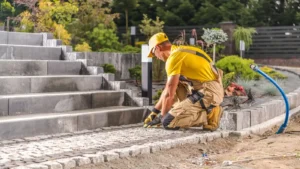
- Landscaping and installation work require digging, hauling, and soil prep equipment.
Climate, grass type, and terrain also matter—steep slopes, sandy soil, or heavy rainfall can influence what equipment performs best.
Plan for crew size, efficiency, and growth
Equipment needs change as you add crew and increase daily job counts:
- Single‑crew setups can share tools across jobs.
- Multiple crews need duplicate core tools to avoid bottlenecks.
- Faster or higher‑capacity equipment can reduce labor hours and open up your schedule.
Align equipment with upsell opportunities
New services require new tools, but they can also unlock higher-margin work. For example, aeration, overseeding, and treatments require specialized equipment but support seasonal upsells. Hardscape cleaning or light installation work may justify power washers or compact hauling tools.
Only invest when you see clear demand and a path to recoup your cost, not just passing interest.
Expand from lawn care into landscaping services
Many businesses start with mowing and gradually expand their service mix. Start with basic tools, then add heavier gear as your jobs get larger and more frequent. Let booked work, not assumptions, drive your equipment upgrades.
Software to manage your landscaping equipment and business operations
As equipment lists and crews grow, coordination gets harder. Landscaping and lawn care business software can help you keep your jobs, crews, and equipment organized.
Housecall Pro helps streamline operations as your business scales by supporting:
- Scheduling, dispatching, and routing: Match jobs to crew availability and equipment without overlap.
- Estimates, invoices, and online payments: Quote clearly, invoice quickly, and get paid faster.
- Recurring maintenance: Keep your jobs, including weekly and seasonal care, on a consistent schedule.
- Customer communication and online booking: Reduce calls by letting customers book and receive updates on their own.
With the right tools, it’s easier to stay efficient, avoid missed details, and scale your lawn care business. Try Housecall Pro free for 14 days and see how it can help.
FAQ
-
What equipment does a landscaper need?
-
Landscapers usually need mowing equipment, trimming and edging tools, cleanup equipment, planting tools, hauling equipment, and safety gear. More advanced services may require aerators, sod cutters, or hardscape tools.
-
What equipment do I need to start a lawn service?
-
To start a lawn service, focus on the basic equipment: a mower, a string trimmer, an edger, a blower, hand tools, and safety equipment. These support basic mowing and maintenance without high upfront costs.
-
What tools do I need for lawn care maintenance?
-
For lawn care maintenance, you’ll typically need a mower, string trimmer, edger, blower, spreader or sprayer, and basic hand tools. With these, you can handle routine mowing, edging, cleanup, and seasonal treatments.