Want to win more jobs with less effort?
Grow your business and send quick quotes with our home service software.

Want to see your potential revenue?
See what businesses like yours earn with Housecall Pro in 1 - 2 minutes.
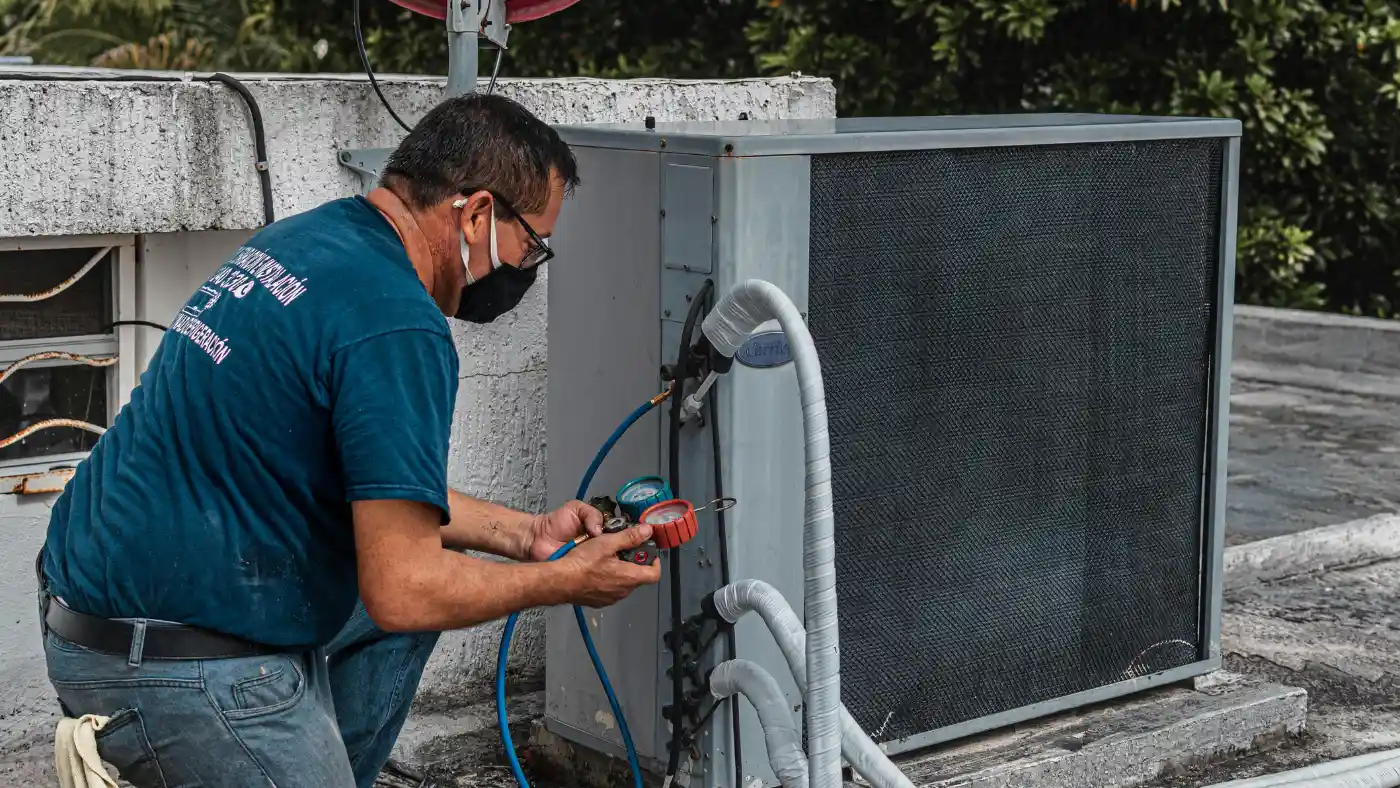
An HVAC maintenance contract is an agreement between a customer and HVAC company to provide regular, scheduled tune-ups and system checkups. They’re great for clients because they keep heating and cooling systems running and prevent costly breakdowns. They’re great for your business because they provide predictable income and create long-term client relationships.
In this guide, you’ll learn what to include in a strong HVAC maintenance agreement, how to sell it to clients, and how to automate the whole process to save time.
→ Download our free HVAC maintenance contract template to get started immediately.
Key takeaways
Here’s a quick summary of how to create and manage HVAC maintenance contracts:
Include clear terms: Outline tasks, coverage, pricing, and service terms in writing for every client.
Sell with clarity: Highlight benefits, offer tiered options, and address concerns openly during service calls.
Automate workflows: Digital contracts, e-signatures, and reminders keep your maintenance plans organized.
Track renewals: Monitor expiration dates so you can reconnect with customers before their plans lapse.
Table of contents
What are the benefits of an HVAC maintenance contract?
Offering HVAC maintenance contracts supports the health of your business. These agreements bring steadier income, clearer scheduling, and stronger customer relationships. They also give you a structured, chaos-free way to plan workloads, forecast demand, and handle renewals.
Below are some of the biggest advantages and why they matter for your HVAC company’s growth:
- Predictable recurring revenue: Maintenance contracts create consistent income throughout the year. Instead of relying on seasonal spikes, your business can count on a continuous stream of payments that support staffing, equipment, and day-to-day operations.
- Improved customer retention: The 80/20 rule suggests that a small portion of your clients often produce the majority of your sales. In other words, loyal customers typically drive the most revenue. Maintenance contracts help you keep high-value clients by giving them reliable care year after year.
- Reduced emergency callouts: Routine inspections help prevent sudden breakdowns, meaning fewer urgent visits that disrupt your team’s schedule. That gives you more control over your calendar and can reduce burnout from constant last-minute jobs.
- Upsell and cross-sell opportunities: Regular touchpoints with clients open the door to recommending needed upgrades or accessories. Because you’re already a trusted service provider, clients are more open to your suggestions.
- Simplified billing: Maintenance plans create a clear billing schedule to reduce paperwork and missed payments. With preset terms and pricing, your admin team spends less time chasing invoices and more time supporting customers.
Pro tip: Housecall Pro helps you manage HVAC maintenance contracts with automated billing, scheduled service reminders, and easy tracking—all in one platform.
What to include in an HVAC maintenance contract
A strong HVAC maintenance contract protects both you and your customer. It clarifies expectations, outlines responsibilities, and lays the groundwork for smooth service throughout the year.
Each contract should include the following elements to keep expectations clear and avoid misunderstandings:
- Business and client details: List your company name, address, license information, and the client’s full contact details. This anchors the agreement and confirms who is entering into the contract.
- Scope of work: Explain exactly what’s included in the maintenance plan and what isn’t. This helps guide customer expectations and reduces confusion during service visits.
- Materials/equipment covered: Clarify which systems, units, or components fall under the maintenance agreement to support the scope of work.
- Frequency or duration of service: Specify how often you’ll perform inspections and how long the agreement remains in effect. Clear scheduling helps customers understand the rhythm of your service plan.
- Pricing and payment terms: Outline the cost structure, payment schedule, and any fees. Transparent terms help avoid disputes and give clients confidence in the agreement.
- Warranty/liability: Describe any warranties connected to your work and clarify where your responsibility begins and ends. This section protects both sides.
- Termination clauses: Explain the conditions under which either party can end the contract. This provides a clear exit path if circumstances change.
- Signatures and dates: Both parties must sign and date the agreement. Never begin work until you have a signed contract on file.
Want more insights like this? Sign up for the TradeWire newsletter to get trends, tools, and trade talk straight to your inbox.
How to create an HVAC maintenance contract (step-by-step)
Building a solid contract doesn’t have to be complicated. With a clear structure, you can create an agreement that protects your business, gives your customer clarity, and lays the groundwork for dependable ongoing service.
Follow these steps to create your own HVAC maintenance contract from scratch:
- Gather client and business information: Start with the basics (your company name, service address, licensing details, and the client’s full contact information) to confirm who is part of the agreement and avoid confusion later.
- Define the scope of work: List the tasks you’ll complete during each visit, like inspections, cleaning, tune-ups, or performance checks. Be clear about what’s included and what isn’t to help customers understand the boundaries of your service plan.
- List materials and equipment covered: Specify the units, systems, and components the contract applies to. This prevents misunderstandings if the customer has multiple systems on the property.
- Set service frequency and duration: Outline how often you’ll visit (seasonally, quarterly, or annually) and how long the agreement lasts.
- Establish pricing and payment terms: Describe your pricing structure, your payment schedule, and any fees tied to additional work. Clear payment terms help set expectations and reduce the chance of billing disputes.
- Include warranty and liability information: Explain what guarantees you provide and where your responsibility ends to clarify what happens if repairs or issues arise during the contract period.
- Add termination clauses: State how either party can end the agreement, including notice requirements or conditions. Having this spelled out keeps the relationship professional, even if contract circumstances change.
- Include signatures and dates: Leave space for both you and the customer to sign and date the contract. A signature confirms approval and gives you the green light to begin scheduled work.
- Review and customize: Read through the contract carefully, in full, and tailor the details to fit the specific job or property before presenting it to your client.
These steps apply whether you’re drafting a preventive or commercial HVAC maintenance contract.
How to sell HVAC maintenance contracts
You’ve got the annual maintenance contract drafted, but how do you sell it to your customers? Some clients may feel wary of long-term agreements, especially if they’ve had a poor experience with another provider. This is where clarity, honesty, and strong communication matter.
Danny Reddick, founder and president of Reddick & Sons, suggests starting small. ”Your first goal might be to secure 10 maintenance contracts in your first year.” With that mindset, you can build momentum and help customers understand the real value of a maintenance plan.
Here’s how to approach the conversation:
Step 1: Identify ideal clients
Start by pinpointing who benefits the most from ongoing service. Homeowners or commercial clients with aging equipment, repeat breakdowns, or inconsistent system performance are strong candidates. You can also segment your outreach based on system type, building size, or annual usage. This helps you tailor your pitch so it feels specific to each client’s situation rather than a one-size-fits-all message.
Step 2: Highlight benefits clearly
Customers want reassurance that a plan will genuinely help them, not just your bottom line. Talk about the practical value of a maintenance contract, like dependable comfort, potential energy savings, and fewer surprise repair bills. Helping them picture the day-to-day advantages makes the choice simple.
Here are some of the benefits to highlight to frame the plan around protection and convenience:
- Better system performance: Regular tune-ups help equipment run consistently.
- Lower risk of breakdowns: Routine checks catch small issues before they turn into major repairs.
- Longer system lifespan: Ongoing care helps delay replacement costs.
- Priority scheduling: Contract customers often get quicker service during busy seasons.
- More predictable costs: Planned visits reduce unexpected repair bills and budget surprises.
These points help customers understand that they’re not just buying a contract—they’re securing reliable care for their home or building.
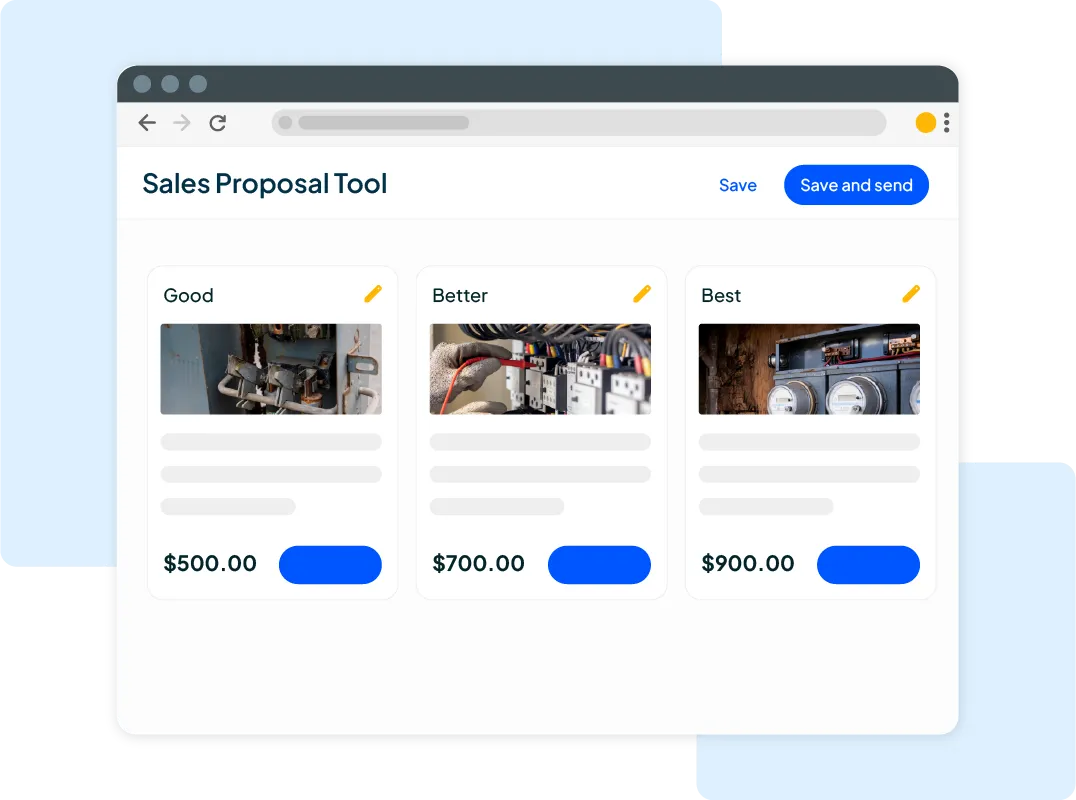
Step 3: Offer tiered plans
Providing multiple plan levels helps customers choose coverage that fits their needs and budget. Tiered options also give you a structured way to present added value to different customer types, from those who just want routine check-ins to those who prefer the strongest level of protection for their equipment.
Here’s one way to break down your tiers:
- Basic Plan: Seasonal inspections, filter checks, airflow assessments, thermostat checks.
- Standard Plan: Everything from the Basic Plan plus coil cleaning, tune-ups, and minor part replacements.
- Priority Plan: All Standard Plan services plus quicker response times, repair discounts, extended service hours, and priority scheduling during peak seasons.
Step 4: Make contracts easy and transparent
Use straightforward language and clear terms. Outline what’s included, how often you’ll visit, and exact pricing without burying important details. Transparency builds confidence and removes friction from the decision-making process.
Pro tip: Digital contracts with e-signatures from Housecall Pro make onboarding quick and convenient for both parties.
Step 5: Leverage marketing and communication
Introduce maintenance contracts during service calls, where clients can see immediate benefits. Outside of appointments, use email reminders, educational social media content, or direct mail marketing to keep your plan offerings front and center.
Sharing testimonials, service statistics, or short case studies helps customers understand how these contracts solve real problems for people like them.
Learn more: 10+ HVAC Marketing Strategies to Get More Leads
Step 6: Follow up and encourage renewals
Tracking renewal dates is one of the simplest ways to keep your maintenance program growing. When you reach out before a plan expires, you give customers time to review their options and continue service without interruption.
Use these tips to help encourage contract renewals:
- Send reminders early: Reach out 30–45 days before expiration so customers don’t feel rushed.
- Highlight completed work: A short message summarizing the past year’s visits—what you checked, repaired, and improved—is a powerful reminder of the plan’s value.
- Recommend the right tier: If the system is aging or has had multiple repairs, suggest a higher level of coverage or a modified plan.
- Provide convenient renewal options: Offer online renewal, e-signatures, or payment links to remove friction.
- Stay in touch year-round: Regular check-ins build trust long before the renewal date arrives.
How to manage HVAC contracts without the paperwork
Housecall Pro brings contract management, scheduling, and customer communication together in one platform. Here are the core ways our HVAC software supports your contracts:
- Create plans with HVAC service agreement software: Build and manage agreements inside your account without juggling paperwork.
- Collecting e-signatures on-site or remotely: Get fast customer approvals, whether you’re at their home or sending the contract via email.
- Automating recurring maintenance contracts: Set up recurring plans once and let the system handle scheduling and reminders.
- Linking contracts to invoices and payments: Keep billing connected to each service plan so nothing is overlooked.
- Tracking renewals and contract expirations: Receive reminders before contracts lapse so you can follow up with customers on time.
Housecall Pro also supports your broader operations with GPS tracking for your team, online bookings that fill your schedule around the clock, automated communication tools, and detailed reporting to guide future decisions. Ready to put our HVAC software to work? Start your free 14-day trial today.
Get In Touch: 858-842-5746
Let us earn your trust
On average, Pros increase monthly revenue generated through Housecall Pro by more than 35% after their first year.
See plan options and feature breakdown on our pricing page.