Want to win more jobs with less effort?
Grow your business and send quick quotes with our home service software.

Want to see your potential revenue?
See what businesses like yours earn with Housecall Pro in 1 - 2 minutes.
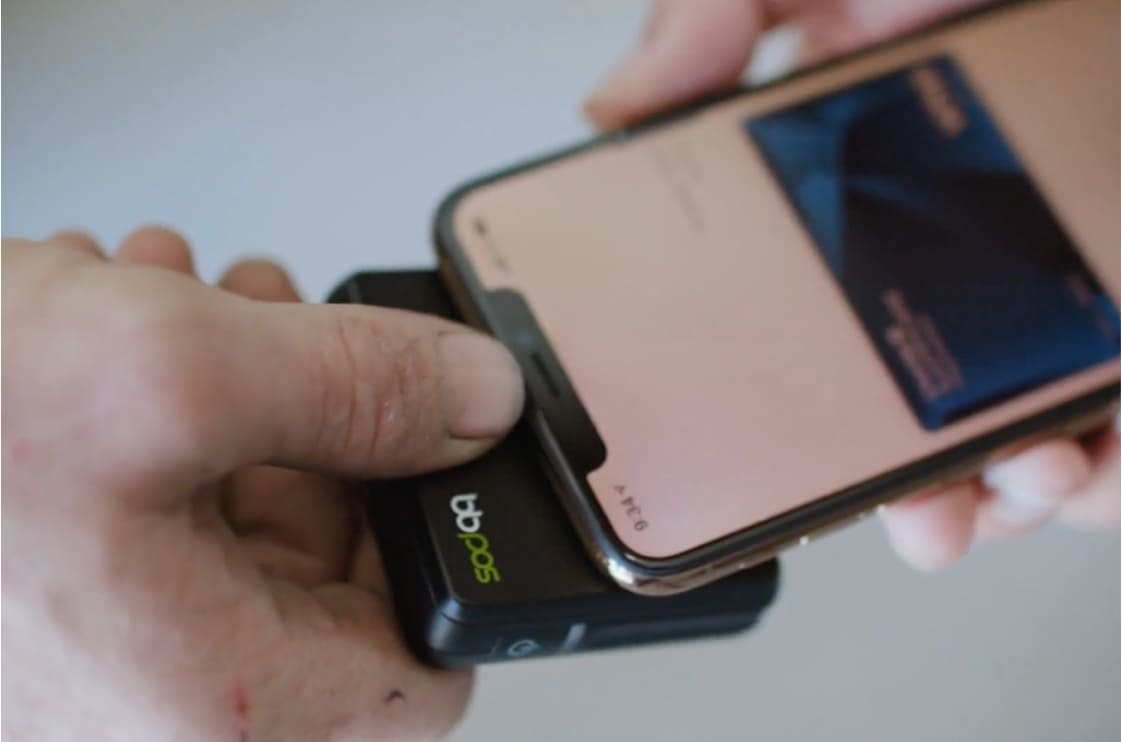
Getting paid shouldn’t mean chasing checks or spending your evening following up on invoices. ACH payments let customers pay directly from their bank accounts, giving you another way to collect payment for completed jobs, deposits, and recurring services.
This guide explains how ACH works, how it compares with other payment methods, and what to consider before offering it to your customers.
Quick answer: What is an ACH payment?
An ACH payment is an electronic bank-to-bank transfer through the Automated Clearing House network. Small businesses use ACH to collect customer payments, pay employees, and pay vendors. ACH can cost less than credit card processing, but fees and payout times depend on your bank or payment processor.
Table of contents
What does ACH stand for?
ACH stands for Automated Clearing House. It’s a network that moves electronic payments between bank accounts. NACHA sets the network’s rules, while the Federal Reserve and The Clearing House operate the systems that process payments. The network is huge: it moved 35.2 billion payments worth $93 trillion in 2025, according to Nacha’s 2025 volume report.
Businesses, customers, and government agencies use ACH for payments such as:
- Payroll direct deposits
- One-time customer payments
- Recurring bills and service fees
- Vendor and supplier payments
- Tax payments and refunds
- Government benefits
For your business, ACH provides a way to send and receive money without handling paper checks.
Read more: How to offer service plans to build recurring revenue
How does ACH work?
The process depends on who’s starting the payment. A customer can send money to your business, or your business can collect an authorized payment from the customer’s account.
When you collect an ACH payment through a processor, here’s what typically happens:
- Your customer provides their bank details through a secure payment form or logs in to their bank online and authorizes the payment.
- Your processor submits the payment instructions through its banking partner.
- The ACH network routes those instructions between the banks.
- The funds move between accounts, and your processor pays out the money according to its schedule.
Starting a payment doesn’t mean the money is available right away. Check your processor’s payout times before counting on the funds for payroll, materials, or other expenses.
ACH vs. wire transfers vs. credit cards
Customers appreciate flexible, secure payment options. Many small service-based businesses accept cash, ACH, credit cards, and third-party payments like Venmo and Zelle.
Here’s how ACH compares with other common payment methods; many businesses offer a mix.
| Payment type | Transfer speed | Security | Customer convenience |
| ACH | 1–2 business days * | High | Convenient; customers log in to their bank or enter account details |
| Wire transfers | Same day (domestic); 1–5 days international** | High, but reversals are difficult*** | Somewhat convenient, but may require a trip to a physical bank |
| Credit cards | Authorized instantly; funds in 1–3 business days | Medium; card data can be compromised | Easy to accept on the spot, but more vulnerable to compromise |
| Paper check | 2–5 business days | Medium, can be altered | Common with commercial clients, less so with residential |
| Cash | Immediately | Medium, high risk of loss or theft | Many customers may prefer apps like Cash App over physical cash |
* Same-day ACH is available; flagged transfers may take longer.
** Banks have cutoff times; late wires may post next business day.
*** Wire transfers are among the hardest to reverse or correct.
Benefits of ACH payments for home service businesses
ACH payments offer several benefits for both businesses and customers. They can reduce processing costs, cut down on paper checks, and simplify billing for recurring payments, such as monthly service fees.
Your savings depend on your processor’s rates. Some providers charge a flat fee, while others charge a percentage of the payment. Compare the full cost, including any monthly, return, or faster-payout fees.
How ACH payments help businesses
Lower processing fees can leave more revenue available to cover labor, materials, and overhead. For example, on a $1,000 invoice, a 3% credit card fee costs $30. A 1% ACH fee costs $10—a $20 difference on the same job.
If you offer regular service or maintenance plans, ACH can also support recurring billing. That can reduce the number of payments your team has to request manually.
ACH also removes the need to collect, mail, or deposit a paper check. You can keep the payment process online and give customers a clear record of what they’ve paid.
How ACH payments help customers
Customers can pay from their bank accounts without writing a check or mailing a payment. The transaction appears on their bank statements, making it easier to track spending.
For recurring services, authorized automatic payments can help customers keep up with their bills. Make the amount, billing schedule, and cancellation terms clear before they sign up.
ACH still requires enough money in the account and valid bank details. Payments can fail or be returned, so have a clear process for notifying customers and arranging another payment.
Get In Touch: 858-842-5746
Let us earn your trust
On average, Pros increase monthly revenue generated through Housecall Pro by more than 35% after their first year.
See plan options and feature breakdown on our pricing page.
Types of ACH transactions
ACH payments fall into two main categories: credits and debits. Your business can use both to collect customer payments or pay employees, vendors, and suppliers.
What is an ACH credit?
With an ACH credit, the payer sends money from their account to the recipient’s account. Think of it as pushing money to someone else.
For example, your business can send payroll direct deposits to employees or pay a supplier through your bank. A customer may also send an ACH credit to pay your business, if your bank supports that option.
Examples of ACH credit:
- Payroll direct deposits
- Tax refunds
- Vendor payments
- Customer-initiated bank payments
What is an ACH debit?
With an ACH debit, the recipient collects money from the payer’s account with authorization. Think of it as pulling an approved payment from an account.
For example, a customer authorizes your business to collect an invoice payment through your processor. ACH debits can be one-time or recurring.
Examples of ACH debits:
- Customer invoice payments collected by your business
- Authorized recurring service payments
- Utility bills
- Mortgage or subscription payments
What is an ACH deposit?
An ACH deposit describes money arriving in an account through the ACH network, such as a payroll direct deposit. It isn’t a separate third type of ACH transaction.
When should home service businesses use ACH payments?
Use ACH when a payment is large, planned, or recurring—for example, a deposit before a job, big invoice, or billing for a recurring service plan. The bigger the job, the more you save compared with a card. For small, same-day service calls, a card is often easier for the customer to pay on the spot.
Best uses of ACH: deposits, maintenance plans, and large jobs
Pros can use ACH for a few key situations:
- Deposits: Collect a deposit before you order materials or schedule a crew. ACH lets you request that deposit as soon as a contract is signed, so you’re not waiting on a mailed check. Your cash flow is protected from day one, and you don’t have to dip into your own money to buy specialty supplies for a new project.
- Maintenance plan billing: Recurring service plans like weekly pool cleanings, quarterly HVAC checkups, and seasonal lawn care are ideal for ACH. Set it up once, and payment comes out automatically every billing cycle. No manual invoicing, no awkward reminder calls.
- Large job invoices: On big jobs like pool resurfacing, full system replacements, and major renovations, a flat ACH fee keeps your processing costs low and predictable. Many customers also like paying a large amount straight from their bank account.
Pro tip: Agree on a backup payment method with your customer if an ACH transfer fails. If you keep a card on file, get authorization to use it before charging.
How do you accept ACH payments?
To accept ACH, you’ll need a business bank account and a bank or payment processor that supports ACH collection. Before choosing a provider, compare fees, payout times, customer payment steps, and options for handling failed payments.
Housecall Pro Payments lets customers pay by bank transfer through the payment link on their invoice. Your team can send the invoice, track the payment, and keep it connected to the job in one place.
To get started, connect your business bank account and complete identity verification in Housecall Pro. Confirm that bank payments are enabled on the invoices you send.
Housecall Pro ACH transaction details include:
- Pricing: 1% per transaction (standard rate; may vary by plan)
- Processing time: Typically 2 business days. Some ACH payments and first payouts may take up to 7 business days.
See Housecall Pro’s payment processing options and ACH payments FAQ for current rates and timing. If you need funds quicker, Instapay offers faster payouts on eligible card and ACH payments for an additional 1% fee (typically within 30 minutes).
Housecall Pro also connects payments with scheduling, estimates, invoices, and customer follow-up, so your office and field team can manage the job from booking through payment.
Ready to give customers another way to pay? Try Housecall Pro free for 14 days to see how invoicing and payments fit your business.
ACH payment FAQ
What is an ACH payment?
An ACH payment is an electronic bank-to-bank transfer processed through the Automated Clearing House network. The payer authorizes a specific amount, and the money moves from their account to yours. For example, a homeowner can authorize a $400 drain repair payment straight from their checking account without writing a check.
How long do ACH payments take?
Most ACH payments take 1–2 business days, and Same Day ACH can settle faster when the payer’s bank supports it. Transfers flagged by a bank, such as exceptionally large payments, can take longer. With Housecall Pro, most ACH payments take about 2 business days and some can take up to 7. Instapay can speed up eligible payouts for an extra 1% fee.
Are ACH payments safe?
Yes, ACH payments are generally considered one of the safest forms of payment, as they have fewer vulnerabilities to data compromise. They run on NACHA’s operating rules, and consumer ACH debits are protected by the federal Regulation E. Customers can dispute an unauthorized debit by reporting it to their bank within 60 days of the statement that shows it (CFPB).
How do I accept ACH payments as a contractor?
First, get the customer’s authorization, which NACHA rules require. Then collect their bank details through a secure payment link, or have them log in to their bank, and submit the payment through your processor. With Housecall Pro, you add your bank account, verify your identity, and turn on ACH in each invoice’s payment settings. Customers pay from the link in your text or email invoice.
Housecall Pro ties ACH payments directly to a customer and a job. You can easily see what’s been paid and what’s still due and accept future payments easily by sending an electronic authorization to your customer via SMS or email.
What happens if an ACH payment fails?
An ACH payment can fail or be returned if the account has insufficient funds, the account is closed, or the bank details are wrong. The money doesn’t reach you, so contact the customer right away and ask for another payment method. If you keep a card on file with the customer’s authorization, you can charge it instead.
Can you refund an ACH payment?
Yes, but it takes time. In Housecall Pro, ACH refunds must start within 90 days of the original payment, and the original payment has to finish processing first. A refund started right away can take 4–5 business days for the original charge to process, plus another 4–5 business days for the refund transfer.